
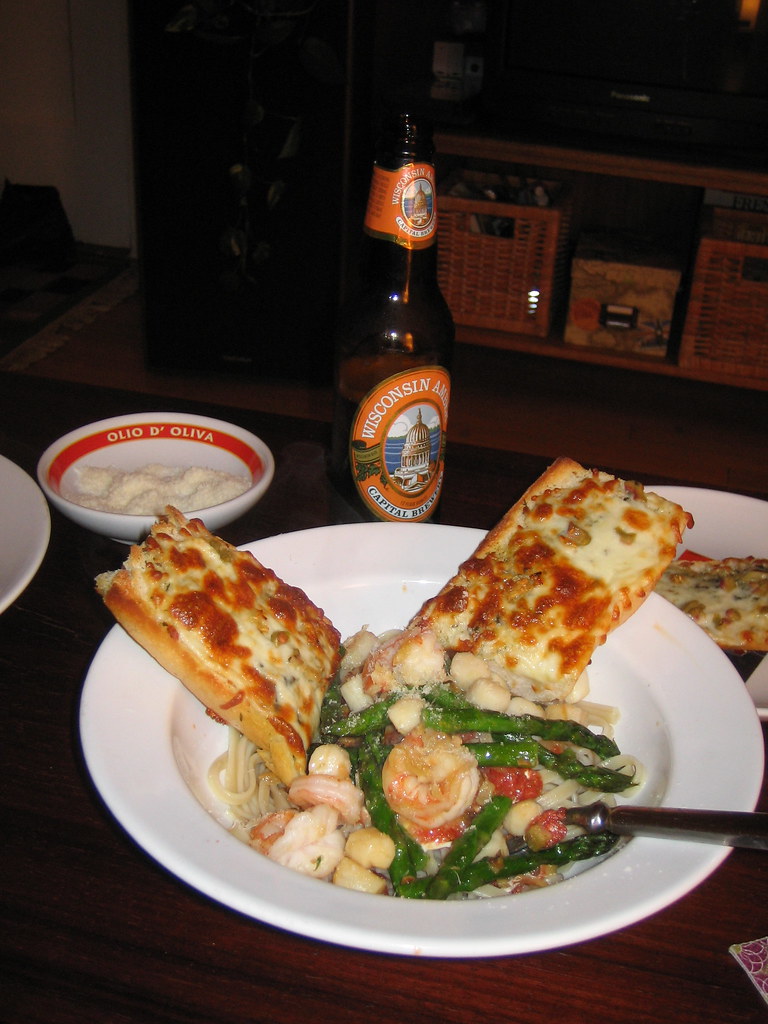
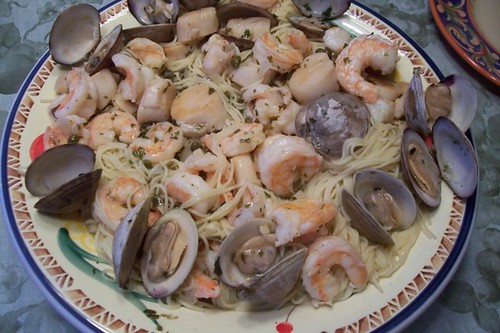
There is a reason seafood pasta shows up on every restaurant menu — and this Seafood Pasta with Shrimp and Scallops is the version you will want to make at home. Plump shrimp, golden seared scallops, and linguine tossed in a garlic butter white wine sauce with lemon and parsley. It tastes like a special occasion, but it is on the table in 35 minutes.
The secret is simple: sear the scallops and shrimp separately so they stay tender and golden, build a quick pan sauce from the same skillet, and toss everything with hot pasta and a splash of pasta water. One pan, one pot, and a dinner that looks like it came from a coastal Italian restaurant.
Prep Time: 15 minutes | Cook Time: 20 minutes | Total Time: 35 minutes | Servings: 4 | Course: Main Dish | Cuisine: Italian / Mediterranean
Why You’ll Love This Seafood Pasta
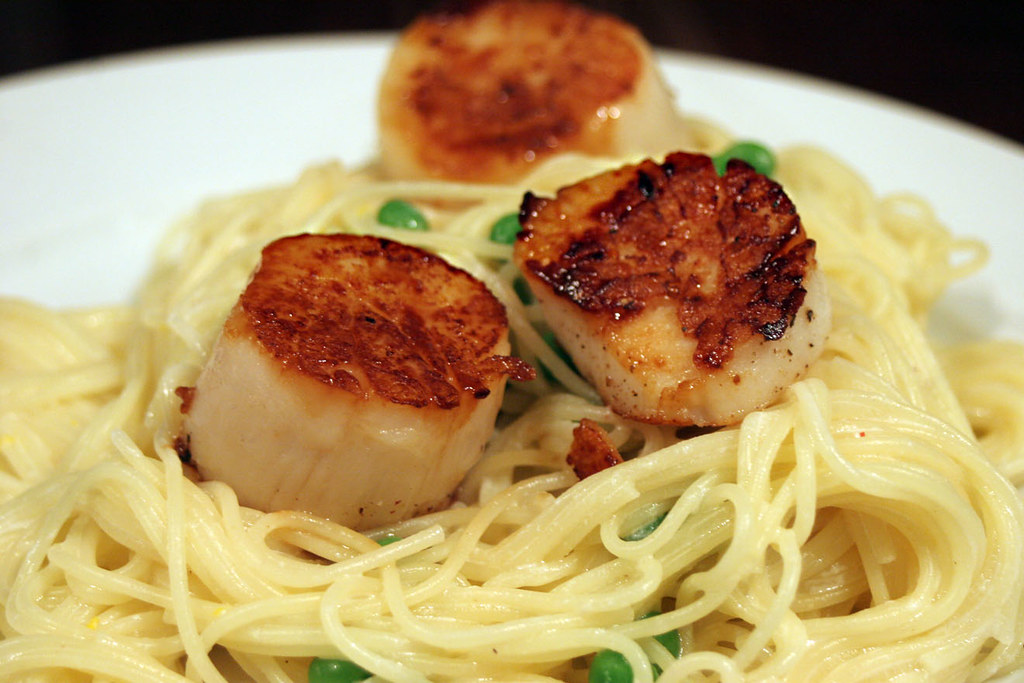
Some recipes earn a permanent place in your kitchen because they feel fancy and cook fast. This seafood pasta checks every box:
- 35 minutes, one pan and one pot. The sauce builds in the same skillet you sear the seafood in, so every drop of flavor ends up in the pasta.
- Restaurant quality at home. Golden seared scallops, plump shrimp, and a glossy garlic butter sauce — for a fraction of the restaurant price.
- Light but satisfying. No heavy cream needed. The sauce is butter, white wine, garlic, and lemon, enriched with a little starchy pasta water.
- Flexible. Swap the scallops for extra shrimp, add mussels or clams, or make it spicy — the base recipe welcomes almost any twist.
- Perfect for guests. It looks impressive, serves beautifully family-style, and pairs perfectly with a glass of white wine.
Whether it is a date night, a dinner party, or a Friday evening when you want something better than ordinary, this pasta delivers. Make it once, and it will become your go-to seafood dinner.
Ingredients You’ll Need
Good seafood pasta starts with good ingredients, and there are few enough of them here that each one matters. Here is everything you need:
- 12 oz (340 g) linguine or spaghetti — linguine is the classic choice because the flat strands hold the sauce beautifully. Spaghetti, fettuccine, or tagliatelle also work.
- 1/2 lb (225 g) large shrimp, peeled and deveined — tails on or off, your choice. Pat them very dry before cooking so they sear instead of steam.
- 1/2 lb (225 g) sea scallops, side muscle removed — buy dry-packed scallops if you can. They sear to a deep golden crust; wet-packed scallops release water and will not brown properly.
- 4 tablespoons (55 g) unsalted butter, divided — half for searing, half for finishing the sauce.
- 2 tablespoons extra-virgin olive oil — for searing the seafood at high heat.
- 5 garlic cloves, thinly sliced — sliced garlic gives a sweeter, mellower flavor than minced garlic, and it will not burn as fast.
- 1/2 teaspoon red pepper flakes — for a gentle warmth. Add more if you like it spicy, leave it out for a mild version.
- 1/2 cup (120 ml) dry white wine — Pinot Grigio or Sauvignon Blanc. It deglazes the pan and adds brightness. No wine? Use seafood or chicken stock with a squeeze of lemon.
- 1 lemon, zested and juiced — the zest goes in at the end for fragrance, the juice brightens the sauce.
- 1/2 cup (50 g) grated Parmesan cheese, plus more to serve — freshly grated melts into the sauce far better than pre-grated.
- 1/4 cup fresh parsley, chopped — for freshness and color at the end.
- Salt and black pepper, to taste — season the seafood before searing and the pasta water generously.
A note on the scallops: the single most important detail is to buy dry-packed sea scallops and pat them completely dry with paper towels. A wet scallop will never sear — it will steam, turn rubbery, and stay pale. Dry scallops, a hot pan, and 90 seconds per side give you that golden crust.
Equipment You’ll Need
You do not need anything fancy — just the basics:
- Large pot — for the pasta, with plenty of well-salted water.
- Large skillet (12-inch) — stainless steel or cast iron sears scallops best. Avoid nonstick if you want a deep golden crust.
- Tongs — for turning the scallops and shrimp without piercing them.
- Paper towels — for patting the seafood dry. This step is not optional.
- A mug or measuring cup — to save a cup of starchy pasta water before draining. It is the secret to a silky sauce.
How to Make Seafood Pasta with Shrimp and Scallops
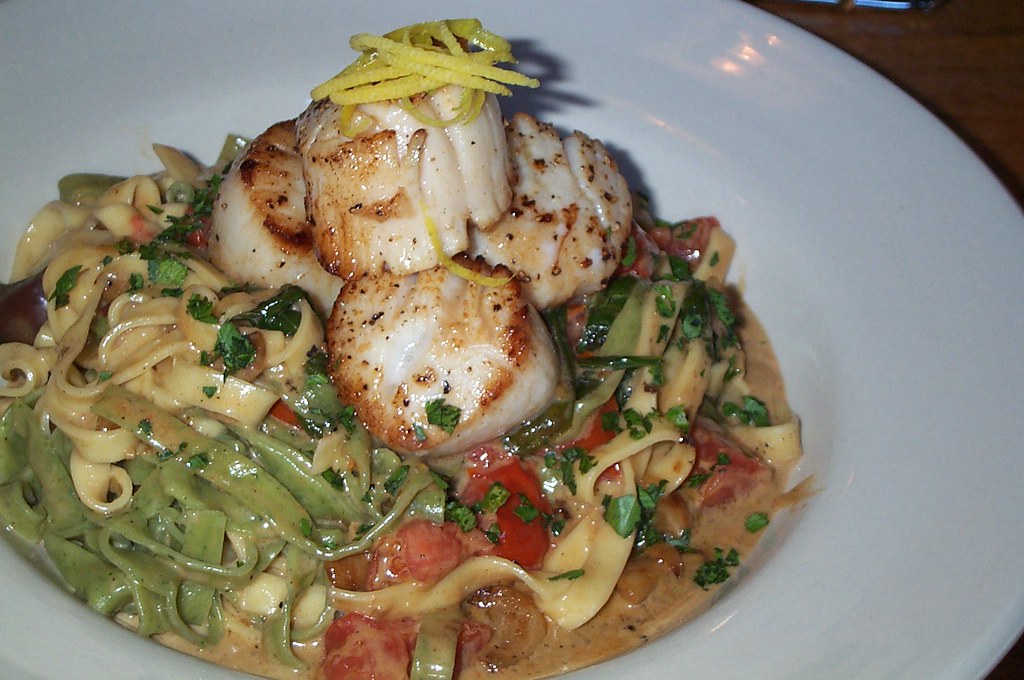
Follow these simple steps and you will have a perfect seafood pasta in 35 minutes:
- Boil the pasta. Bring a large pot of generously salted water to a boil. Cook the linguine until just shy of al dente (about 1 minute less than the package says). Before draining, save 1 cup of the starchy pasta water, then drain.
- Prep the seafood. While the pasta cooks, pat the shrimp and scallops completely dry with paper towels. Season both sides with salt and pepper.
- Sear the scallops. Heat 1 tablespoon of olive oil in a large skillet over medium-high heat until it shimmers. Place the scallops in a single layer, leaving space between them, and do not touch them for 90 seconds. Flip once — they should be deeply golden — and cook 60–90 seconds more. Transfer to a plate.
- Sear the shrimp. In the same skillet, add another tablespoon of olive oil. Cook the shrimp for about 90 seconds per side, just until pink and curled. Transfer to the plate with the scallops. Do not overcook — they will finish in the sauce.
- Build the sauce. Lower the heat to medium. Melt 2 tablespoons of butter in the same skillet, then add the sliced garlic and red pepper flakes. Cook for 30–60 seconds, just until fragrant — do not let the garlic brown.
- Deglaze with wine. Pour in the white wine and scrape up all the golden bits from the bottom of the pan. Let it simmer for 2 minutes until slightly reduced.
- Toss the pasta. Add the drained linguine to the skillet with 1/2 cup of the reserved pasta water. Toss for 1–2 minutes until the pasta is coated and glossy, adding more pasta water a splash at a time if needed.
- Finish. Remove the skillet from the heat. Stir in the remaining 2 tablespoons of butter, the lemon zest and juice, the Parmesan, and the chopped parsley. Return the shrimp and scallops to the pan and toss gently to warm through.
- Serve immediately. Divide among warm bowls, top with extra Parmesan and parsley, and serve with crusty bread to soak up the sauce.
Tips for Perfect Shrimp and Scallops
These small details make the difference between good seafood pasta and a great one:
- Pat the seafood bone dry. Moisture is the enemy of a good sear. Press the shrimp and scallops between paper towels until no water remains.
- Do not crowd the pan. Cook the scallops in a single layer with space between them. Crowding drops the temperature and the seafood steams instead of searing.
- Do not move the scallops. Place them down and leave them alone for a full 90 seconds. The crust forms while they sit — moving them tears it off.
- Undercook the pasta slightly. It finishes cooking in the sauce, absorbing flavor instead of turning soft. One minute less than the package says is perfect.
- Save the pasta water. The starch in the water is what turns butter and wine into a silky sauce that clings to every strand. Never skip it.
- Do not overcook the seafood. Shrimp curl into a loose C when done; a tight O means overcooked. Scallops need only 90 seconds per side. They finish warming in the hot pasta.
- Finish off the heat. Add the butter, lemon, and Parmesan after removing the pan from the heat so the sauce stays glossy instead of breaking.
- Serve right away. Seafood pasta waits for no one — the sauce thickens as it cools and the seafood firms up. Have the bowls ready before you start.
Easy Variations to Try
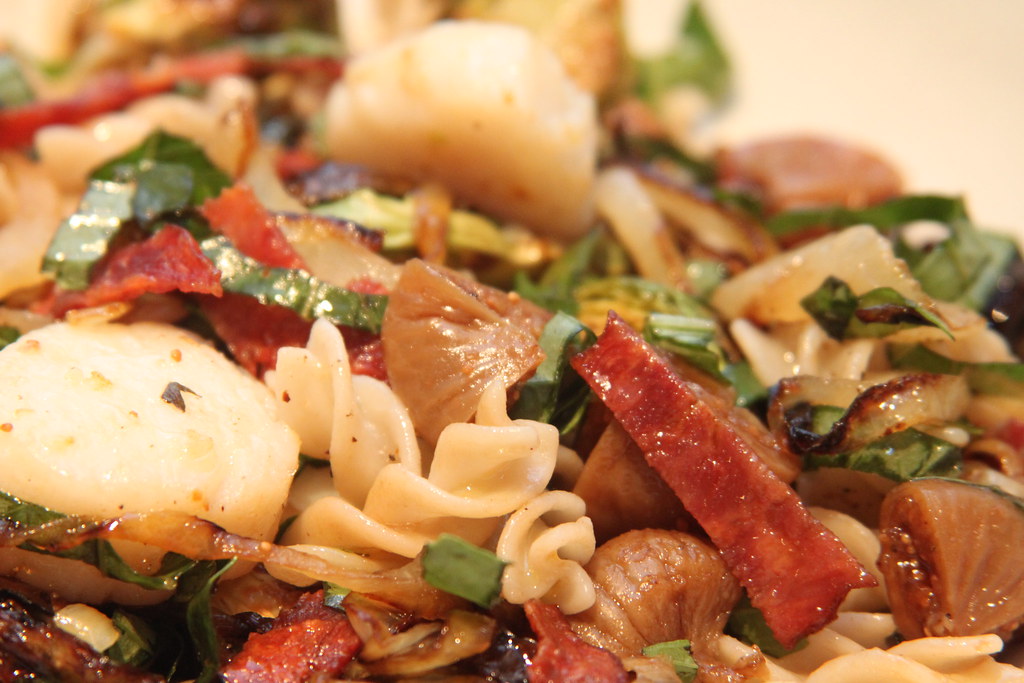
Once you master the base recipe, try one of these twists. Each one keeps the same method — only the flavors change:
- Tomato seafood pasta. Add 1 cup of cherry tomatoes, halved, with the garlic, and a spoonful of tomato paste. Let them soften before adding the wine for a light tomato sauce.
- Creamy Tuscan style. Stir in 1/2 cup of heavy cream and a handful of baby spinach with the pasta water for a richer, creamier version.
- Spicy arrabbiata style. Double the red pepper flakes and add a pinch of Calabrian chili. Serve with extra Parmesan and crusty bread.
- Lemon herb. Add extra lemon zest, a handful of fresh basil, and a spoonful of capers at the end. Bright, fresh, and perfect for summer.
- Surf and turf pasta. Add sliced seared steak or crispy pancetta along with the seafood for a heartier version.
- With mussels and clams. Add 1/2 lb of mussels or clams with the wine, cover the pan for 3–4 minutes until they open, and discard any that stay closed.
- Garlic butter only. Skip the wine and use stock instead, with an extra tablespoon of butter. Simpler, richer, and kid-friendly.
What to Serve With Seafood Pasta
Seafood pasta is a complete meal on its own, but the right sides make it a dinner to remember:
- Garlic bread or crusty bread — non-negotiable. You need something to soak up the garlic butter sauce at the bottom of the bowl.
- A simple green salad — arugula with lemon and olive oil, or a Caesar salad, cuts through the richness.
- Roasted asparagus or broccolini — green vegetables add color and crunch next to the pasta.
- A glass of white wine — the same Pinot Grigio or Sauvignon Blanc you cooked with. Crisp, cold, and perfect.
- Lemon wedges — on the side, so everyone can add an extra squeeze.
Make Ahead and Storage
Seafood pasta is best eaten fresh, but here is how to handle leftovers and prep:
- Make ahead: you can prep everything in advance — peel the shrimp, clean the scallops, slice the garlic, chop the parsley, and grate the Parmesan. The actual cooking takes only 20 minutes, so do it just before serving.
- Refrigerator: leftovers keep for 1–2 days in an airtight container. Reheat very gently in a skillet over low heat with a splash of water or stock — never microwave on high, or the shrimp and scallops will turn rubbery.
- Freezer: freezing is not recommended. Cooked shrimp and scallops lose their texture once frozen and reheated.
- Do not store the seafood in the sauce overnight if you can help it — the acid from the lemon and wine firms up the seafood over time. Store the pasta and the seafood separately when possible.
Frequently Asked Questions
Can I use frozen shrimp and scallops?
Yes — most of us do. Thaw them overnight in the fridge, or under cold running water for 20–30 minutes. The key is to pat them completely dry before searing, or they will steam instead of brown.
Why are my scallops rubbery?
Scallops turn rubbery when overcooked or when cooked from wet. Use dry-packed scallops, pat them dry, and cook only 90 seconds per side. They should still be slightly translucent in the very center when you take them off the heat.
Can I make this without wine?
Yes. Replace the wine with seafood stock or chicken stock plus 1 tablespoon of lemon juice. The sauce will be slightly less bright, but still delicious.
What pasta shape works best?
Linguine is the classic, but spaghetti, fettuccine, tagliatelle, or even penne all work. Long strands show off the sauce best; short shapes are easier for serving a crowd.
Can I add other seafood?
Absolutely. Mussels, clams, calamari rings, or chunks of white fish all fit this recipe. Add shellfish with the wine and cook until they open; add calamari in the last 2 minutes so it stays tender.
How do I know the shrimp are done?
Shrimp are done when they turn pink and curl into a loose C shape. If they curl into a tight O, they are overcooked. When in doubt, take them off the heat early — they finish in the hot pasta.
Is this recipe gluten-free?
It can be — just use your favorite gluten-free linguine or spaghetti and cook it according to the package directions. Everything else in the recipe is naturally gluten-free.
Nutrition (Estimated)
Per serving (1 of 4): approximately 520 calories, 18 g fat, 55 g carbohydrates, 32 g protein, and 480 mg sodium. These values are estimates and will vary with the exact brands and quantities you use.
Seafood Pasta with Shrimp and Scallops proves that a restaurant-worthy dinner does not need a restaurant kitchen. Thirty-five minutes, one pan, one pot — and you have golden scallops, plump shrimp, and glossy garlic butter linguine on the table. Make it once, and it will become your special-occasion favorite. Try it this weekend, and let us know in the comments how you served it — with garlic bread, a glass of white wine, or straight from the pan. No judgment here.
