
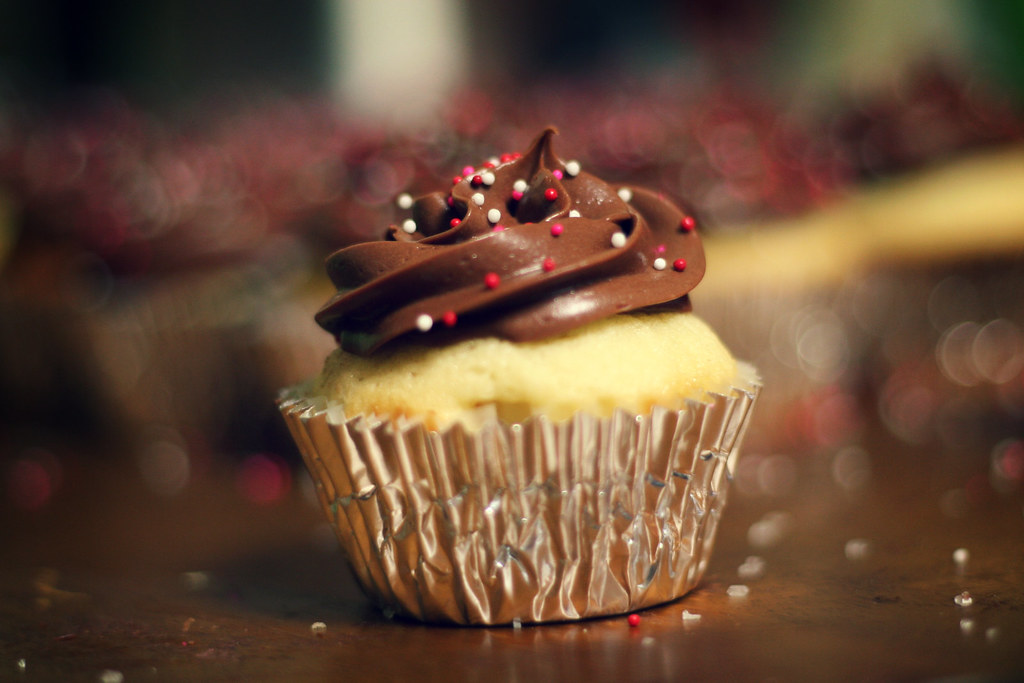
There is a moment in every baker’s life when a plain cake becomes something unforgettable — and it usually starts with a bowl of Chocolate Buttercream Frosting. Rich, silky, and impossibly smooth, this frosting turns any cake or cupcake into a bakery-worthy dessert.
The best part? It takes just 5 ingredients, 10 minutes, and one bowl. No cooking, no fancy skills, no special equipment beyond a mixer. Just soft butter, cocoa, powdered sugar, and a little patience while it whips into chocolate clouds. Once you make it from scratch, you will never go back to the tub from the store.
Prep Time: 10 minutes | Cook Time: 0 minutes | Total Time: 10 minutes | Yield: about 3 cups — enough to frost 12 cupcakes or a 2-layer 8-inch cake | Course: Dessert / Frosting | Cuisine: American
Why You’ll Love This Chocolate Buttercream Frosting
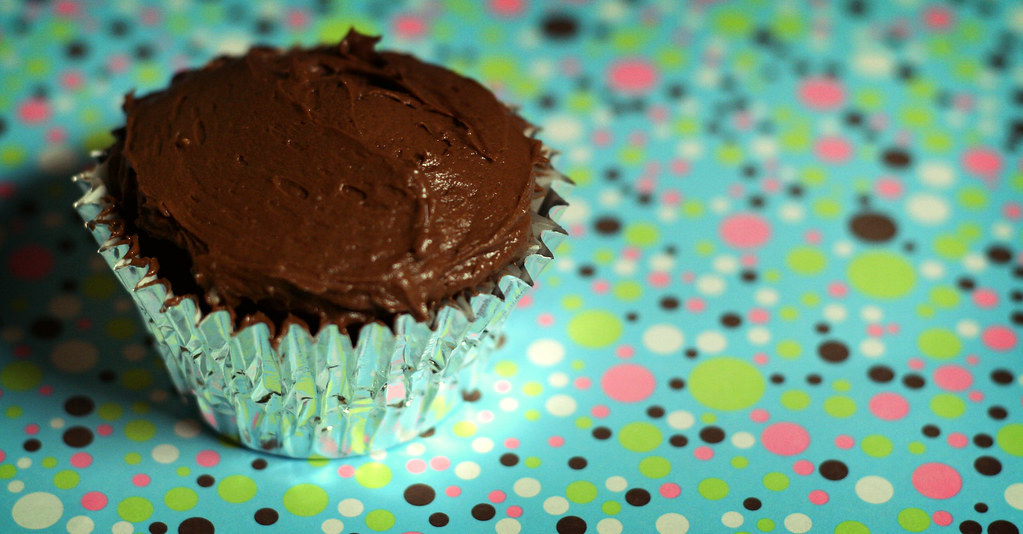
Some recipes earn a permanent place in your kitchen because they are fast, reliable, and better than anything you can buy. This chocolate buttercream checks every box:
- 10 minutes, no cooking. Everything goes into one bowl, you beat it, and it is ready to spread or pipe.
- Only 5 main ingredients. Butter, powdered sugar, cocoa powder, cream, and vanilla — that is the whole list.
- Silky, never grainy. The method below (sifting the dry ingredients and beating the butter first) gives you a frosting that is smooth as silk.
- Pipes beautifully. Stiff enough to hold tall swirls on cupcakes, soft enough to spread smoothly on a layer cake.
- Endlessly adaptable. Make it mocha, minty, peanut buttery, or extra dark — the base recipe welcomes almost any twist.
- Make-ahead friendly. Keep it in the fridge for a week or freeze it for 3 months, then re-whip and use.
Whether it is a birthday cake, a batch of cupcakes for school, brownies that need a little luxury, or a Tuesday night that simply deserves chocolate, this frosting fits. Make it once, and it will become your most-used recipe.
Ingredients You’ll Need
Good buttercream starts with good ingredients, and there are so few of them here that each one matters. Here is everything you need:
- 1 cup (230 g) unsalted butter, softened — leave it on the counter for 45–60 minutes until it gives easily when pressed. Cold butter will not whip up fluffy; melted butter will make the frosting runny.
- 3 1/2 cups (420 g) powdered sugar, sifted — sifting is the secret to a silky texture. Unsifted powdered sugar is the number one cause of grainy buttercream.
- 1/2 cup (50 g) unsweetened cocoa powder, sifted — Dutch-process cocoa gives a darker color and a smoother, less bitter flavor; natural cocoa gives a lighter color and a slightly tangier chocolate taste. Both work.
- 1/4 cup (60 ml) heavy cream or whole milk — cream makes the richest frosting; milk works too. Add it a little at a time to control the consistency.
- 2 teaspoons vanilla extract — rounds out the chocolate flavor. Use real vanilla, not imitation, if you can.
- 1/4 teaspoon fine salt — a pinch of salt keeps the frosting from tasting flat or overly sweet. Do not skip it.
- Optional, for extra richness: 2 oz (55 g) dark chocolate, melted and cooled — makes the frosting fudgier and deeper in flavor. And 1 tablespoon of hot coffee — it does not make the frosting taste like coffee, it makes the chocolate taste more like chocolate.
A note on the butter: use real unsalted butter, not margarine or a spread. Butter is what gives buttercream its flavor and its ability to hold a shape. If you only have salted butter, use it and leave out the added salt.
Equipment You’ll Need
You do not need anything fancy — just the basics:
- Stand mixer or hand mixer — a stand mixer with the paddle attachment is easiest, but a hand mixer works just as well.
- Fine-mesh sieve — for sifting the powdered sugar and cocoa powder. This one step makes the biggest difference in texture.
- Rubber spatula — for scraping down the sides of the bowl so everything mixes evenly.
- Piping bag and tip (optional) — a large star tip (like Wilton 1M) makes beautiful cupcake swirls. For a layer cake, an offset spatula is your best friend.
How to Make Chocolate Buttercream Frosting
Follow these simple steps and you will have perfect chocolate buttercream in 10 minutes:
- Beat the butter. Place the softened butter in the bowl of your mixer and beat on medium speed for 2–3 minutes, until it is pale, creamy, and fluffy. Scrape down the sides of the bowl. This step builds the light texture, so do not rush it.
- Sift the dry ingredients. Sift the powdered sugar and cocoa powder together into a separate bowl. This takes 1 minute and guarantees a silky frosting with no lumps.
- Add half the dry mixture. With the mixer on low speed, add about half of the sifted sugar and cocoa. Mix until just combined, then scrape down the bowl.
- Add the cream and vanilla. Pour in the heavy cream, vanilla extract, and salt. Mix on low until combined. The mixture will look loose — that is normal.
- Add the rest. Add the remaining sugar and cocoa mixture and mix on low until combined, then scrape down the bowl again.
- Whip it up. Turn the mixer to medium-high and beat for 3–5 minutes. The frosting will transform: it becomes lighter in color, visibly fluffier, and silky smooth. This is the step that makes homemade buttercream taste like a bakery’s.
- Adjust the consistency. For spreading, the frosting should be soft and creamy. For piping tall swirls, it should hold a stiff peak. Too thick? Beat in cream, 1 teaspoon at a time. Too thin? Beat in powdered sugar, 1 tablespoon at a time.
- Use it right away. Spread it on a cooled cake, pipe it onto cupcakes, or store it as described below.
Tips for the Smoothest Buttercream
These small details make the difference between a good frosting and a great one:
- Start with truly soft butter. It should dent easily when pressed but still hold its shape. Cold butter makes lumpy frosting; melted butter makes soup.
- Always sift. Powdered sugar and cocoa powder both clump in the bag. Sifting is the single best thing you can do for a silky texture.
- Beat the butter first, alone. Whipping the butter for 2–3 minutes before anything else goes in builds air into the frosting and makes it light instead of dense.
- Do not rush the final whip. Those last 3–5 minutes on medium-high speed are what turn a sweet paste into a cloud. Be patient.
- Fix graininess. If the frosting feels gritty, it usually means the sugar was not sifted or the butter was too cold. Beat in 1 tablespoon of warm cream and whip for 2 more minutes — it often saves the batch.
- Fix sweetness. If it tastes too sweet, add a pinch more salt and a splash of cream. A little extra cocoa (1 tablespoon) also balances the sugar.
- Pop the air bubbles. For a perfectly smooth finish on a cake, beat the finished frosting on the lowest speed for 1 minute with a spatula — this pushes out the tiny air bubbles that cause holes when spreading.
- Use room-temperature frosting. Cold frosting tears cake crumbs into the finish. Always bring refrigerated buttercream back to room temperature and re-whip it before using.
Easy Variations to Try
Once you master the base recipe, try one of these twists. Each one keeps the same 10-minute method — only the flavors change:
- Mocha buttercream. Replace the cream with strong cooled coffee, or dissolve 1 tablespoon of instant espresso in the cream. Rich, deep, and made for coffee lovers.
- Chocolate peanut butter. Beat in 1/3 cup of creamy peanut butter with the butter at the start. It tastes like the inside of a peanut butter cup.
- Mint chocolate. Replace the vanilla with 1 teaspoon of peppermint extract and add a drop of green food coloring if you like. Perfect for the holidays.
- Salted caramel chocolate. Beat in 2 tablespoons of caramel sauce and finish with flaky sea salt on top. Sweet, salty, and dangerously good.
- Extra-dark chocolate. Use Dutch-process cocoa and beat in 2 oz of melted dark chocolate at the end. The darkest, fudgiest version of this frosting.
- Spicy chocolate. Add 1/2 teaspoon of cinnamon and a pinch of cayenne to the dry ingredients. Warm, subtle heat behind the chocolate.
- Chocolate cream cheese frosting. Replace half the butter with 4 oz of softened cream cheese. Tangier, softer, and wonderful on red velvet or carrot cake.
- Vegan chocolate buttercream. Use plant-based butter sticks and oat milk instead of cream. The method is exactly the same.
What to Use It On
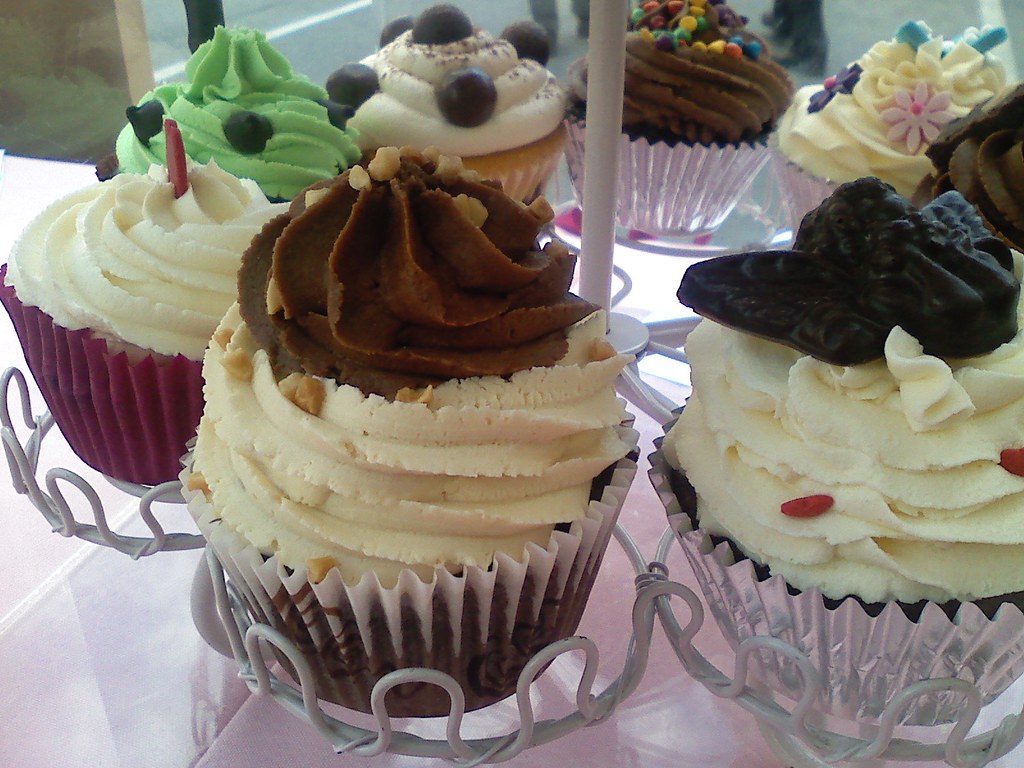
Chocolate buttercream is a team player — it makes everything it touches taste better. Here are the best uses:
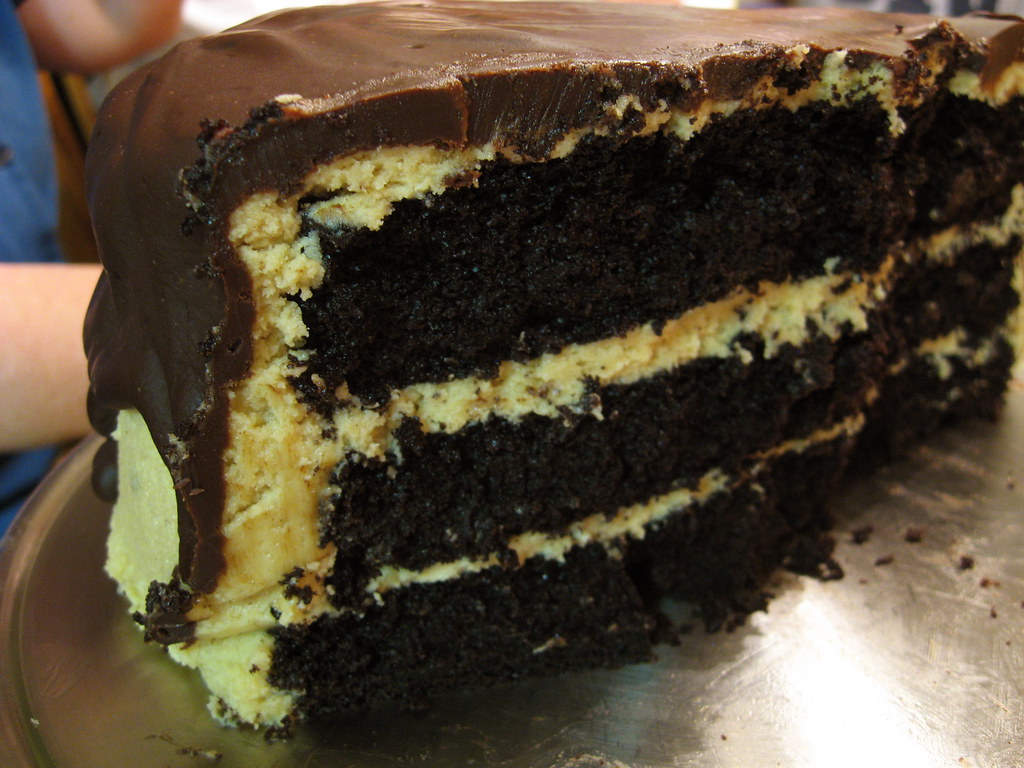
- Chocolate layer cake — the classic. One batch frosts a 2-layer 8-inch cake with enough left over for swirls on top.
- Vanilla and yellow cupcakes — the contrast of pale cake and dark frosting is as pretty as it is delicious.
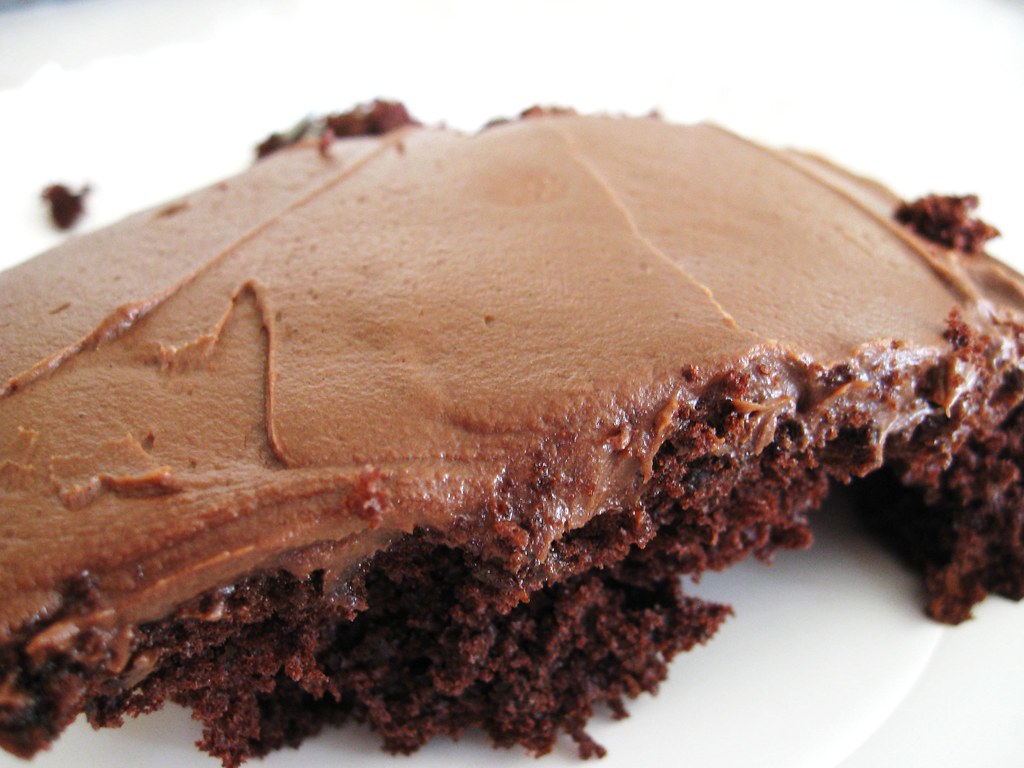
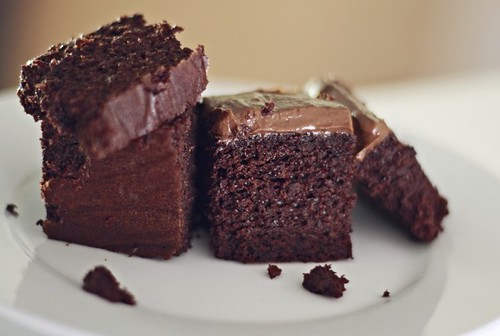
- Brownies — spread a thick layer over cooled brownies and cut into squares. Instant bakery case.
- Sugar cookies — sandwich it between two cookies, or spread it on top with sprinkles.
- Between cake layers — use it as a filling as well as a coating. Add sliced strawberries or raspberries between the layers for a fresh contrast.
- As a dip — serve a bowl of it with graham crackers, pretzels, and strawberries for a party dessert that disappears fast.
- On cinnamon rolls — spread it over warm rolls instead of the usual glaze for a chocolate twist.
Make Ahead and Storage
This is one of the best make-ahead frostings you can keep in your back pocket:
- Room temperature: frosted cakes and cupcakes keep for 2 days at cool room temperature, covered. The frosting acts as a seal that keeps the cake moist.
- Refrigerator: store leftover frosting in an airtight container for up to 1 week. Before using, let it sit on the counter for 1–2 hours until soft, then re-whip for 2–3 minutes until fluffy again.
- Freezer: freeze in an airtight container or freezer bag for up to 3 months. Thaw overnight in the fridge, bring to room temperature, and re-whip until smooth.
- Do not frost a warm cake. Always let cakes and cupcakes cool completely before frosting — warm cake melts buttercream into a slide of chocolate soup.
Frequently Asked Questions
Can I make chocolate buttercream ahead of time?
Yes — up to 1 week in the fridge or 3 months in the freezer. Bring it back to room temperature and re-whip for 2–3 minutes before using.
Why is my buttercream grainy?
The most common causes are unsifted powdered sugar or cocoa, or butter that was too cold. Sift the dry ingredients, start with soft butter, and beat the finished frosting for a full 3–5 minutes.
Can I use salted butter?
Yes. Use salted butter and leave out the 1/4 teaspoon of added salt. The flavor will be nearly identical.
Can I pipe with this frosting?
Absolutely — it holds tall swirls beautifully. If your swirls droop, the frosting is too soft: beat in powdered sugar, 1 tablespoon at a time, until it holds a stiff peak.
How much cake does one batch frost?
One batch (about 3 cups) generously frosts 12 cupcakes or a 2-layer 8-inch cake. For a 3-layer cake or 24 cupcakes, double the recipe.
Can I make it less sweet?
Yes. Reduce the powdered sugar to 3 cups, add a pinch more salt, and use Dutch-process cocoa, which tastes less sweet than natural cocoa. A tablespoon of hot coffee also deepens the chocolate flavor so the sweetness stands out less.
Can I use milk instead of heavy cream?
Yes, whole milk works. The frosting will be slightly less rich, so you may need 1–2 teaspoons less liquid. Add it slowly and stop when the consistency looks right.
Does a frosted cake need to be refrigerated?
A cake frosted with this buttercream keeps fine at cool room temperature for 2 days. Refrigerate it if your kitchen is warm, or if the cake has a perishable filling like fresh fruit or cream cheese.
Nutrition (Estimated)
Per serving (1 of 12, about 1/4 cup): approximately 200 calories, 11 g fat, 25 g carbohydrates, 24 g sugar, and 1 g protein. These values are estimates and will vary with the exact brands and quantities you use.
Chocolate Buttercream Frosting proves that the simplest recipes are often the most loved. Ten minutes, one bowl, and five ingredients — and you have a frosting that looks stunning, tastes like a bakery, and makes every cake better. Make it once, and it will become your go-to for birthdays, holidays, and every ordinary day that deserves a little chocolate. Try it this weekend, and let us know in the comments what you frosted with it — a layer cake, a batch of cupcakes, or straight from the bowl with a spoon. No judgment here.
