
There is a reason vanilla cake is the most requested cake in the world — and this Vanilla Cake is the one that gets it right. Soft, fluffy, and full of real vanilla flavor, with a silky vanilla buttercream that tastes like a bakery made it. It is the cake for birthdays, weddings, and every celebration in between.
The secret is simple: real vanilla, room temperature ingredients, and the reverse creaming method for a crumb so tender it practically melts. No box mix, no shortcuts — just a classic vanilla cake that works every single time.
Prep Time: 20 minutes | Cook Time: 30 minutes | Total Time: 50 minutes | Servings: 12 slices | Course: Dessert | Cuisine: American
Why You’ll Love This Vanilla Cake
Some recipes earn a permanent place in your kitchen because they are simple, reliable, and impossible to resist. This vanilla cake checks every box:
- Soft and fluffy. The reverse creaming method coats the flour in butter first, giving a fine, velvety crumb that stays tender for days.
- Real vanilla flavor. Vanilla extract and vanilla bean paste make the cake taste like vanilla — not like sugar and nothing.
- One bowl, no fuss. Everything comes together in a single bowl with a hand mixer. No complicated steps.
- Perfect for any occasion. Birthdays, weddings, baby showers, or a quiet Sunday — vanilla cake fits them all.
- A blank canvas. Add berries, lemon zest, sprinkles, or chocolate chips — the base recipe welcomes almost any twist.
- Freezer friendly. Bake the layers ahead and freeze them for up to 3 months. Frost the day you serve it.
Whether it is a birthday, a celebration, or a Tuesday that deserves cake, this vanilla cake delivers. Make it once, and it will become the recipe you reach for every time someone asks for a classic cake.
Ingredients You’ll Need
Good vanilla cake starts with good ingredients, and there are few enough of them here that each one matters. Here is everything you need:
- 2 1/4 cups (280 g) cake flour — cake flour gives the finest, softest crumb. If you only have all-purpose flour, use 2 cups (250 g) and remove 2 tablespoons per cup.
- 1 1/2 cups (300 g) granulated sugar — for sweetness and moisture. Do not reduce it much — sugar keeps the crumb tender.
- 1 tablespoon baking powder — for lift. Check that it is fresh — old baking powder is the number one cause of flat cake.
- 1/2 teaspoon fine salt — a pinch of salt makes vanilla taste more like vanilla.
- 3/4 cup (170 g) unsalted butter, softened — softened, not melted. It should dent easily when pressed but still hold its shape.
- 4 large egg whites, room temperature — egg whites (not whole eggs) give the whitest crumb and the fluffiest texture.
- 1 cup (240 ml) whole milk, room temperature — whole milk adds richness. Low-fat milk works, but the crumb will be slightly less tender.
- 1 tablespoon vanilla extract, plus 1 teaspoon vanilla bean paste — the star of the cake. Use the best vanilla you can — it makes all the difference.
- For the vanilla buttercream: 1 cup (225 g) unsalted butter, softened; 4 cups (480 g) powdered sugar; 2–3 tablespoons heavy cream; 2 teaspoons vanilla extract; a pinch of salt.
A note on the flour: cake flour is the single most important detail for a soft vanilla cake. It has less protein than all-purpose flour, so it makes less gluten and a more tender crumb. If you cannot find cake flour, make your own: for each cup of all-purpose flour, remove 2 tablespoons and replace them with 2 tablespoons of cornstarch.
Equipment You’ll Need
You do not need anything fancy — just the basics:
- Two 8-inch (20 cm) round cake pans — greased and lined with parchment paper on the bottom.
- Hand mixer or stand mixer — for creaming the butter and beating the batter.
- Wire cooling rack — for cooling the layers completely before frosting.
- Offset spatula — for spreading the frosting smoothly.
- Cake stand or serving plate — for presenting the finished cake.
How to Make Vanilla Cake
Follow these simple steps and you will have a perfect vanilla cake in under an hour:
- Preheat and prep. Preheat the oven to 350°F (175°C). Grease two 8-inch round cake pans and line the bottoms with parchment paper.
- Whisk the dry ingredients. In a large bowl, whisk together the cake flour, sugar, baking powder, and salt.
- Add the butter. Add the softened butter and beat on medium speed until the mixture looks like fine, damp crumbs — about 2 minutes. This is the reverse creaming method, and it is what makes the crumb so tender.
- Add the wet ingredients. In a separate bowl or measuring cup, whisk together the milk, egg whites, vanilla extract, and vanilla bean paste. Pour about half into the flour mixture and beat on medium speed for 2 minutes until smooth and fluffy.
- Add the rest. Pour in the remaining milk mixture and beat just until combined, about 30 seconds. Do not overmix.
- Divide and bake. Divide the batter evenly between the two pans and smooth the tops. Bake for 28–32 minutes, until a toothpick inserted in the center comes out clean and the tops spring back when lightly pressed.
- Cool completely. Let the layers cool in their pans for 10 minutes, then turn them out onto a wire rack. Cool completely — at least 1 hour — before frosting. Warm layers melt the frosting.
- Make the buttercream. Beat the softened butter until creamy, about 2 minutes. Add the powdered sugar in two additions, beating on low, then add the cream, vanilla, and salt. Beat on medium-high for 3 minutes until light and fluffy.
- Frost the cake. Place one layer on a cake stand. Spread about 1 cup of frosting over the top. Add the second layer and frost the top and sides with the remaining buttercream.
- Serve. Slice with a sharp knife, wiping the blade between cuts for clean slices. Serve at room temperature.
Tips for the Perfect Vanilla Cake
These small details make the difference between a good vanilla cake and a great one:
- Use room temperature ingredients. Cold milk and egg whites do not emulsify properly, and the cake bakes unevenly. Set them out 30 minutes before you start.
- Do not overmix the batter. Once the milk is in, mix only until combined. Overmixing develops gluten and makes the cake tough and dense.
- Measure flour correctly. Spoon the flour into the measuring cup and level it off. Scooping packs it down and adds up to 30% more flour — the top cause of dry cake.
- Use real vanilla. Imitation vanilla tastes flat and chemical. Real vanilla extract — or better, vanilla bean paste — is what makes this cake taste like a bakery cake.
- Do not overbake. Start checking at 28 minutes. A toothpick that comes out clean is perfect; the cake keeps baking from residual heat for a few minutes after it leaves the oven.
- Cool completely before frosting. Even slightly warm layers will melt the buttercream into a slide. Patience pays off.
- Level the layers. If the layers domed in the oven, slice the tops flat with a long serrated knife. A flat layer stacks straight and frosts cleanly.
Easy Variations to Try
Once you master the base recipe, try one of these twists. Each one keeps the same method — only the flavors change:
- Vanilla berry cake. Fold 1 cup of fresh raspberries or blueberries into the batter and top with extra berries and whipped cream.
- Lemon vanilla cake. Add the zest of 2 lemons to the batter and replace 2 tablespoons of the milk with lemon juice. Frost with lemon buttercream.
- Funfetti cake. Fold 1/2 cup of rainbow sprinkles into the batter at the end. The classic birthday cake, made from scratch.
- Strawberry vanilla cake. Spread a layer of strawberry jam between the layers and top with fresh strawberries.
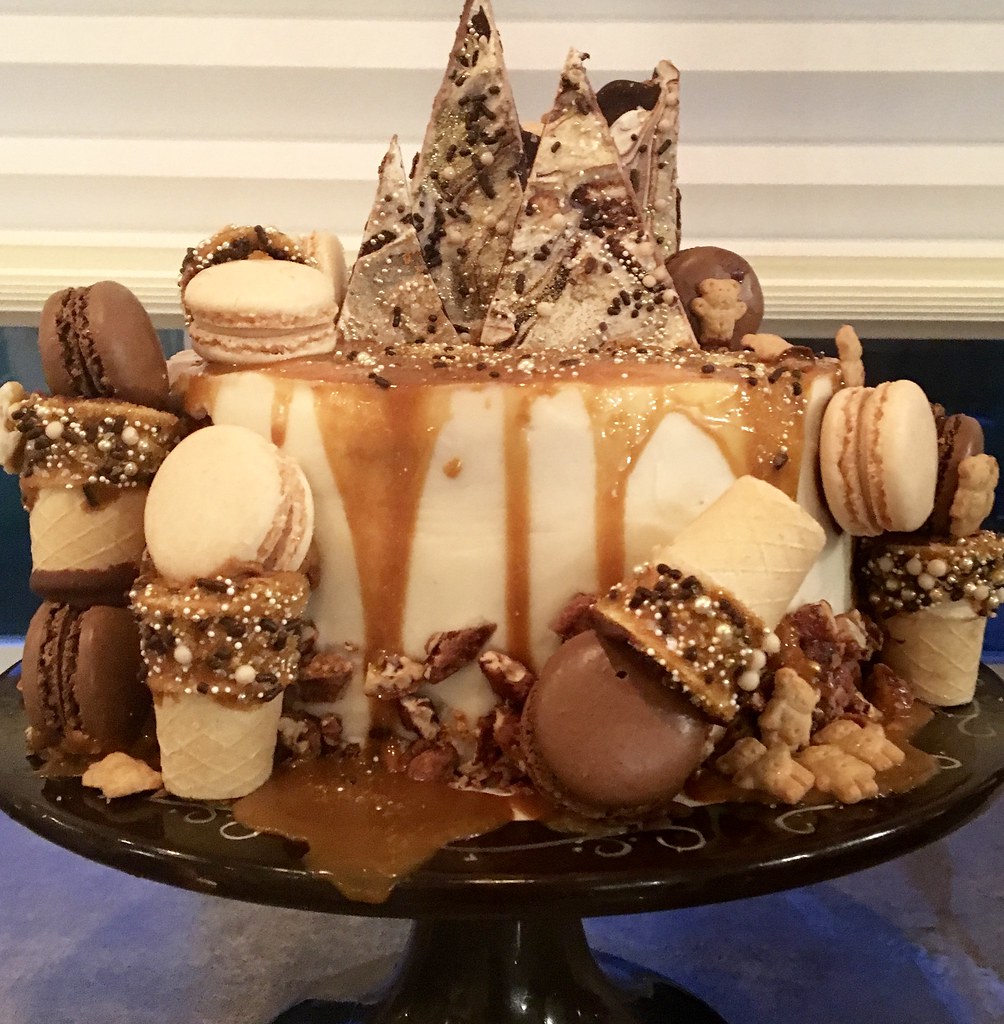
- Vanilla caramel cake. Drizzle salted caramel sauce between the layers and over the top, as shown in the photos.
- Chocolate chip vanilla cake. Fold 1 cup of mini chocolate chips into the batter for a cookies-and-cream feel.
- Sheet cake version. Pour the batter into a greased 9×13-inch pan and bake for 30–35 minutes. Frost right in the pan — perfect for a crowd.
What to Serve With Vanilla Cake
Vanilla cake is a complete dessert on its own, but the right partners make it unforgettable:
- Fresh berries — raspberries, strawberries, or blueberries add color, tartness, and freshness to every slice.
- Vanilla ice cream — a scoop of ice cream next to a slice of cake is the classic pairing for a reason.
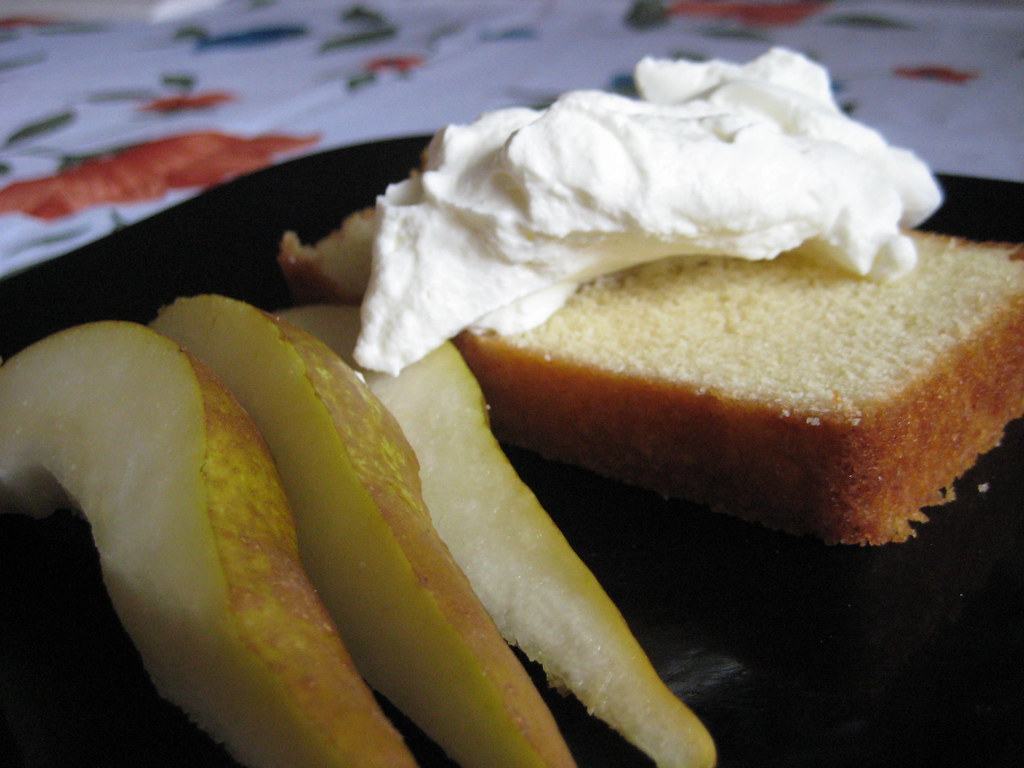
- Whipped cream — a cloud of lightly sweetened whipped cream softens the sweetness of the frosting.
- A cup of tea or coffee — the gentle bitterness of tea or coffee balances the sweetness beautifully.
- Lemon curd — a spoonful of lemon curd on the side adds a bright, tangy contrast.
- Chocolate sauce — a drizzle of warm chocolate sauce turns a simple slice into a dessert-course event.
Make Ahead and Storage
This is one of the best make-ahead cakes you can keep in your back pocket:
- Make ahead: bake the layers up to 2 days in advance. Wrap them tightly in plastic wrap once cool and keep at room temperature, or freeze for up to 3 months. Frost the day you serve it.
- Refrigerator: a frosted cake keeps for up to 5 days in the fridge, covered. Bring it to room temperature for 30 minutes before serving — cold cake is firm and the frosting is hard.
- Freezer: freeze individual frosted slices on a tray, then wrap them for up to 3 months. Thaw overnight in the fridge.
- Unfrosted layers: wrap cooled layers tightly in plastic wrap and freeze for up to 3 months. Thaw at room temperature for 1 hour before frosting.
Frequently Asked Questions
Can I make this vanilla cake ahead of time?
Yes — bake the layers up to 2 days ahead and keep them wrapped at room temperature, or freeze them for up to 3 months. Frost the day you serve it for the freshest result.
Why is my vanilla cake dense?
The most common causes are overmixing the batter or using cold ingredients. Mix only until combined and let the milk, eggs, and butter come to room temperature first.
Can I use all-purpose flour instead of cake flour?
Yes — use 2 cups (250 g) of all-purpose flour with 2 tablespoons removed per cup and replaced with cornstarch. The crumb will be slightly less fine, but still delicious.
Why did my cake sink in the middle?
Usually the oven door was opened too early, or the cake was underbaked. Do not open the oven before 25 minutes, and test with a toothpick before removing it.
Can I make cupcakes with this recipe?
Absolutely. Fill lined muffin cups two-thirds full and bake for 18–22 minutes. The recipe makes about 24 cupcakes.
Can I use whole eggs instead of egg whites?
You can, but the cake will be slightly less white and a little denser. Egg whites give the fluffiest, whitest crumb — that is why this recipe uses them.
How do I get a flat top on my layers?
Bake at 350°F (175°C) as written, and if the layers still dome, slice the tops flat with a long serrated knife once cool. A flat layer stacks straight.
Can I use a different frosting?
Yes — cream cheese frosting, whipped cream frosting, or chocolate ganache all work beautifully with this cake.
Nutrition (Estimated)
Per serving (1 of 12 slices): approximately 480 calories, 24 g fat, 62 g carbohydrates, 44 g sugar, and 5 g protein. These values are estimates and will vary with the exact brands and quantities you use.
Vanilla Cake proves that the simplest recipes are often the most loved. One bowl, 30 minutes in the oven, and you have a cake that looks stunning, tastes incredible, and disappears fast. Make it once, and it will become your most-requested recipe. Try it this weekend, and let us know in the comments how you served it — with berries, with ice cream, or straight from the pan with a fork. No judgment here.
