
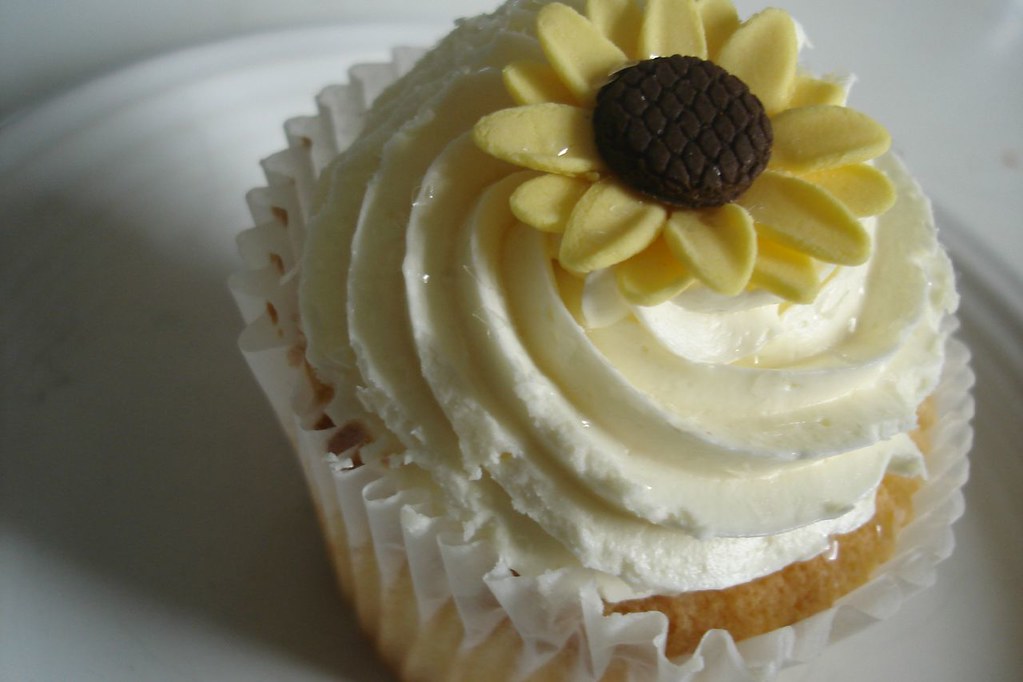
Prep Time: 15 minutes | Total Time: 15 minutes | Yield: about 3 cups — enough to frost 24 cupcakes or a 2-layer 8-inch cake (about 24 servings, 2 tablespoons each)
There is a reason vanilla buttercream is the most loved frosting in the world: it is sweet, silky, and tastes like real vanilla ice cream, yet it takes just four ingredients and fifteen minutes to make. No cooking, no candy thermometer, no stand mixer required — although a mixer does make it extra fluffy. This is the frosting I reach for on birthday cakes, cupcakes, sugar cookies, and everything in between, and once you learn the few small tricks below, yours will pipe beautifully, hold its shape for hours, and never taste gritty or greasy.
The secret is all in the beating. Butter whipped for a full three to four minutes turns pale, light, and airy, and powdered sugar added slowly — not dumped in all at once — dissolves into a smooth, creamy base instead of a dusty cloud. A splash of heavy cream and a good pinch of salt balance the sweetness, and real vanilla extract gives it that warm, bakery flavor no imitation can match. Make it once, and you will never buy a tub of store-bought frosting again.
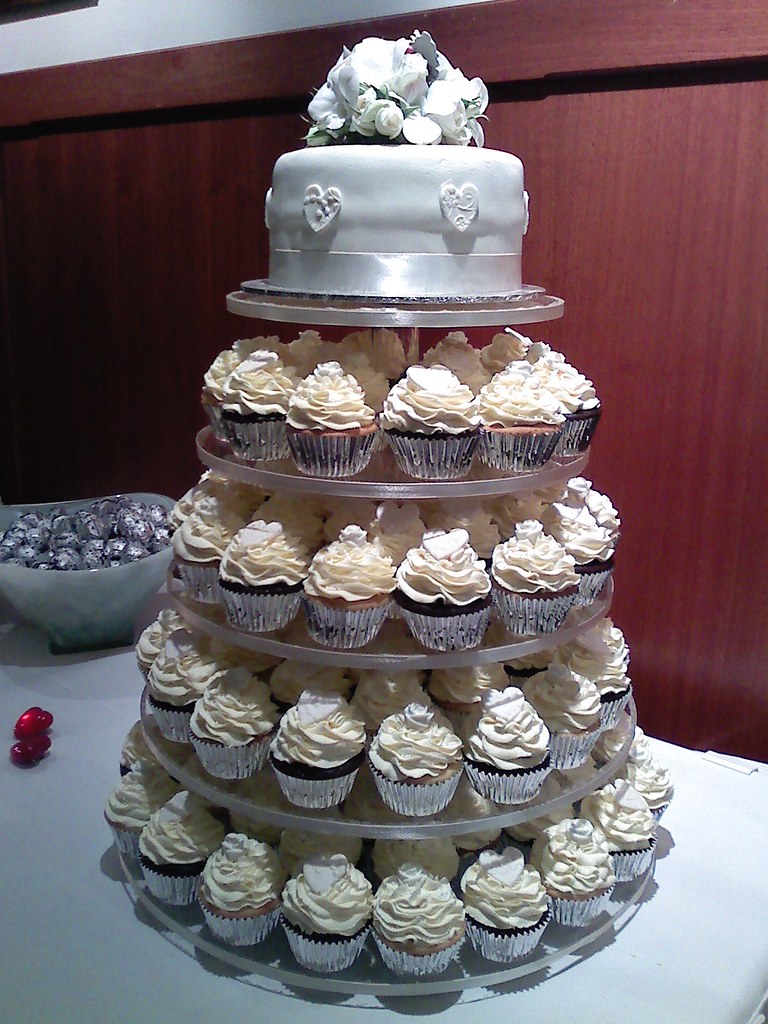
Why You’ll Love This Vanilla Buttercream Frosting
- Ready in 15 minutes with no cooking and only 4 main ingredients.
- Silky-smooth, never gritty — the slow sugar addition and full beating time make all the difference.
- Pipes beautifully for swirls, rosettes, and borders, and holds its shape at room temperature for hours.
- Perfectly balanced sweetness thanks to a pinch of salt and a splash of cream.
- Endlessly versatile — spread it, pipe it, tint it any color, or flavor it with citrus, almond, or cocoa.
- Freezer-friendly — make a double batch and freeze half for the next bake.
Ingredients You’ll Need
- 1 cup (226 g) unsalted butter, softened — the base of the frosting; it must be truly soft (it should dent easily when pressed) but not melted or greasy. Unsalted butter lets you control the salt.
- 4 cups (480 g) powdered sugar, sifted — also called confectioners’ sugar; sifting removes lumps and guarantees a silky texture.
- 2 tablespoons heavy cream or whole milk — loosens the frosting to a spreadable consistency and adds richness; add a third tablespoon if you want it softer.
- 2 teaspoons pure vanilla extract — use real vanilla extract, not imitation, for the best flavor.
- 1/4 teaspoon fine salt — balances the sweetness and sharpens the vanilla flavor.
Equipment You’ll Need
- Stand mixer with paddle attachment or electric hand mixer
- Large mixing bowl
- Fine-mesh sieve (for sifting the powdered sugar)
- Rubber spatula
- Piping bag and piping tips (optional, for decorated cupcakes)
- Offset spatula (for frosting cakes)
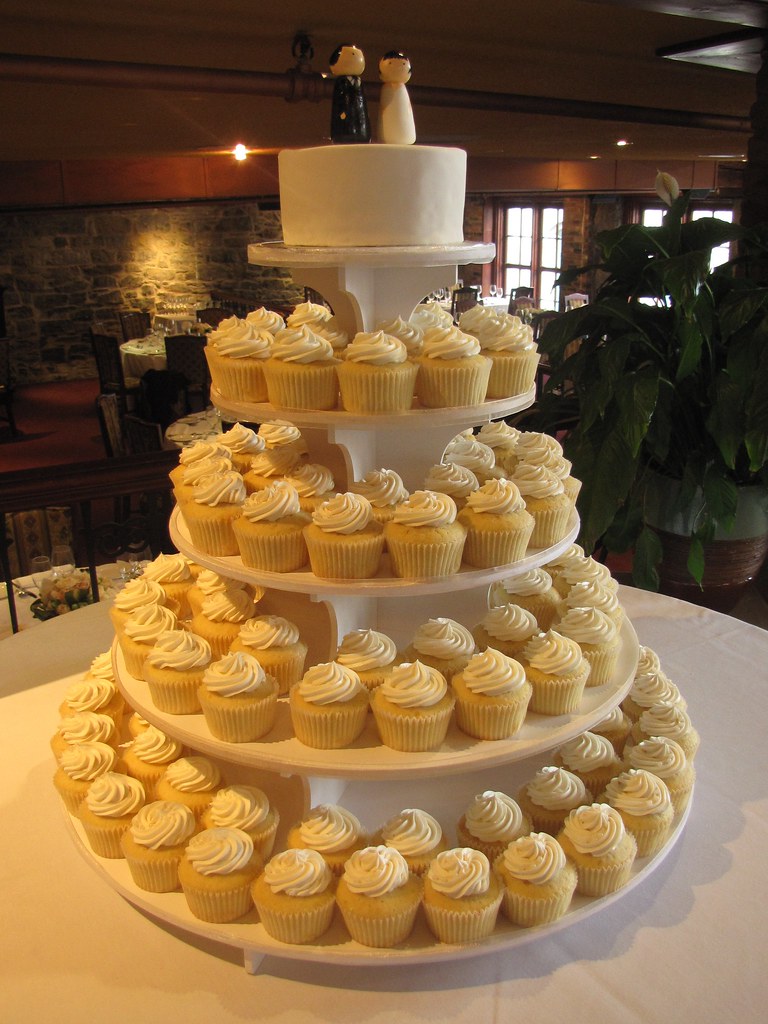
How to Make Vanilla Buttercream Frosting
- Soften the butter. Set the butter on the counter 30–60 minutes before you start, until it is soft enough to dent with a finger but still holds its shape. Cold butter will not whip up fluffy, and melted butter makes soupy frosting.
- Whip the butter. Beat the softened butter in a large bowl on medium-high speed for 3–4 minutes, until it is very pale, creamy, and almost doubled in volume. Scrape down the sides of the bowl halfway through.
- Add the sugar slowly. With the mixer on low, add the sifted powdered sugar about 1 cup at a time, beating just until each addition disappears before adding the next. This keeps the sugar from flying everywhere and prevents a gritty texture.
- Add vanilla, salt, and cream. Pour in the vanilla extract, salt, and 2 tablespoons of heavy cream. Beat on low until combined.
- Whip it fluffy. Increase the speed to medium-high and beat for 2–3 minutes more, until the frosting is light, smooth, and spreadable. It should hold a soft peak on the beater.
- Check the consistency. For spreading on a cake, it should be soft and creamy. For piping sharp swirls, it should be a little stiffer — if it is too soft, beat in 2–3 more tablespoons of powdered sugar; if it is too stiff, beat in cream 1 teaspoon at a time.
- Scrape and smooth. Use a spatula to press the frosting against the side of the bowl a few times to pop large air bubbles, which gives a smoother finish on cakes.
- Use right away. Frost your cake or cupcakes immediately, or cover the bowl with plastic wrap and keep it at room temperature for up to 2 hours. Re-whip briefly before using.
Tips for the Perfect Vanilla Buttercream Frosting
- Do not skip the 3-minute butter whip. It is the single biggest difference between dense, greasy frosting and light, fluffy frosting.
- Sift the powdered sugar. Even one lump can clog a piping tip or leave a gritty bite.
- Start the mixer on low when adding sugar, then raise the speed — otherwise you will wear a cloud of sugar.
- If the frosting tastes too sweet, add another tiny pinch of salt or 1/2 teaspoon of lemon juice; both cut sweetness without changing the flavor much.
- If the frosting looks curdled, keep beating — it usually comes together after another minute. If it is warm and soft, chill the bowl for 10 minutes, then re-whip.
- For a pure white frosting, use clear vanilla extract and beat the butter a full 5 minutes; regular vanilla gives a warm ivory color, which is also lovely.
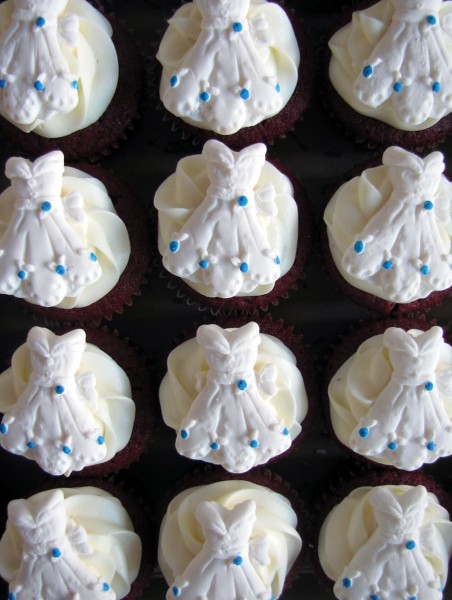
Easy Variations to Try
- Chocolate vanilla buttercream: beat in 1/2 cup (45 g) unsweetened cocoa powder with the sugar for a chocolate-vanilla twist.
- Almond buttercream: replace 1 teaspoon of vanilla with 1 teaspoon of almond extract.
- Citrus buttercream: add 1 tablespoon of finely grated lemon or orange zest with the vanilla.
- Strawberry buttercream: fold in 3 tablespoons of freeze-dried strawberry powder at the end.
- Salted caramel buttercream: replace the cream with 2 tablespoons of caramel sauce and add an extra pinch of flaky salt.
- Colored buttercream: tint with gel food coloring (not liquid, which thins the frosting) for birthdays and holidays.
What to Use It On
- Cakes: vanilla, chocolate, funfetti, lemon, or strawberry layer cakes — it is the classic all-purpose frosting.
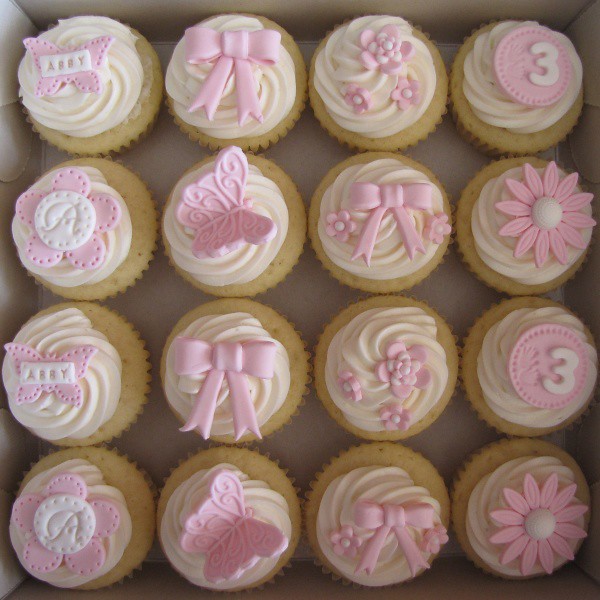
- Cupcakes: pipe tall swirls on 24 standard cupcakes, or spread it on with a knife for a rustic look.
- Cookies: spread on sugar cookies, sandwich between two cookies, or pipe rosettes on thumbprint cookies.
- Brownies and bars: a thin layer on fudgy brownies or blondies turns them into a bakery treat.
- Whoopie pies and sandwich cookies: it makes a perfect sweet, creamy filling.
Make Ahead and Storage
- Room temperature: up to 2 hours, covered, before using.
- Refrigerator: store in an airtight container for up to 1 week. Let it come to room temperature (about 1 hour), then re-whip for 2 minutes until fluffy again.
- Freezer: freeze in a zip-top bag or airtight container for up to 3 months. Thaw overnight in the refrigerator, bring to room temperature, and re-whip.
- Frosted cakes: a cake frosted with this buttercream keeps at room temperature for up to 2 days under a cake dome, or refrigerated for up to 5 days. Bring to room temperature before serving for the best texture.
Frequently Asked Questions
Can I make vanilla buttercream without a mixer?
Yes. Use a large bowl and a sturdy wooden spoon or whisk, and make sure the butter is very soft. It will take about 5 minutes of vigorous beating, and the texture will be slightly less airy, but it works.
Why is my buttercream gritty?
Usually the powdered sugar was not sifted, or it was added too fast. Sift the sugar, add it gradually, and beat for the full 2–3 minutes at the end — most grittiness disappears with enough beating.
Why is my buttercream too soft to pipe?
The butter was probably too warm, or you added too much cream. Chill the bowl for 15–20 minutes, then re-whip. If it is still soft, beat in powdered sugar 2 tablespoons at a time.
Can I use salted butter?
Yes — just omit the 1/4 teaspoon of salt from the recipe, or reduce it to a small pinch and taste before adding more.
Can I use milk instead of heavy cream?
Yes. Whole milk works fine; the frosting will be a touch less rich. Use the same amount and add more 1 teaspoon at a time if needed.
How much frosting do I need for a 9×13-inch cake?
One batch (about 3 cups) is plenty for a 9×13-inch sheet cake with a generous layer on top.
Can I color this buttercream?
Yes. Gel food coloring works best — add a few drops at the end and beat until the color is even. Liquid coloring can thin the frosting, so use it sparingly.
Does this frosting need to be refrigerated on a cake?
No, for up to 2 days at cool room temperature it is fine. In very hot weather (above 75°F / 24°C), refrigerate the frosted cake so the butter does not soften and slide.
Nutrition (Estimated)
Per serving (2 tablespoons, 1 of 24 servings): about 180 calories, 10 g fat (6 g saturated fat), 25 mg cholesterol, 30 mg sodium, 23 g carbohydrates, 0 g fiber, 22 g sugar, 0 g protein. Values are approximate and will vary with the exact brands and quantities used.
