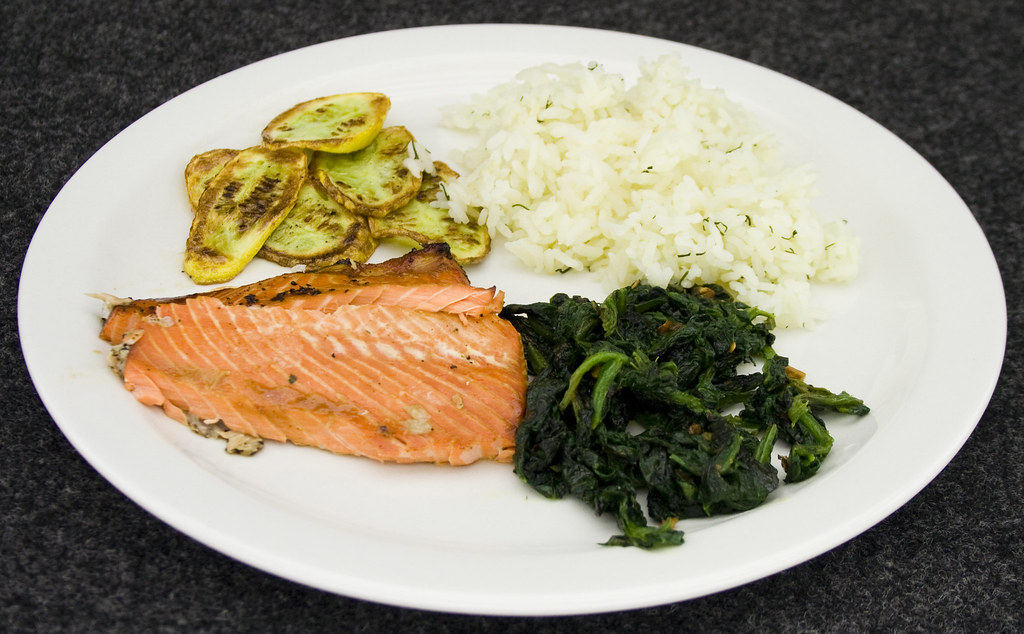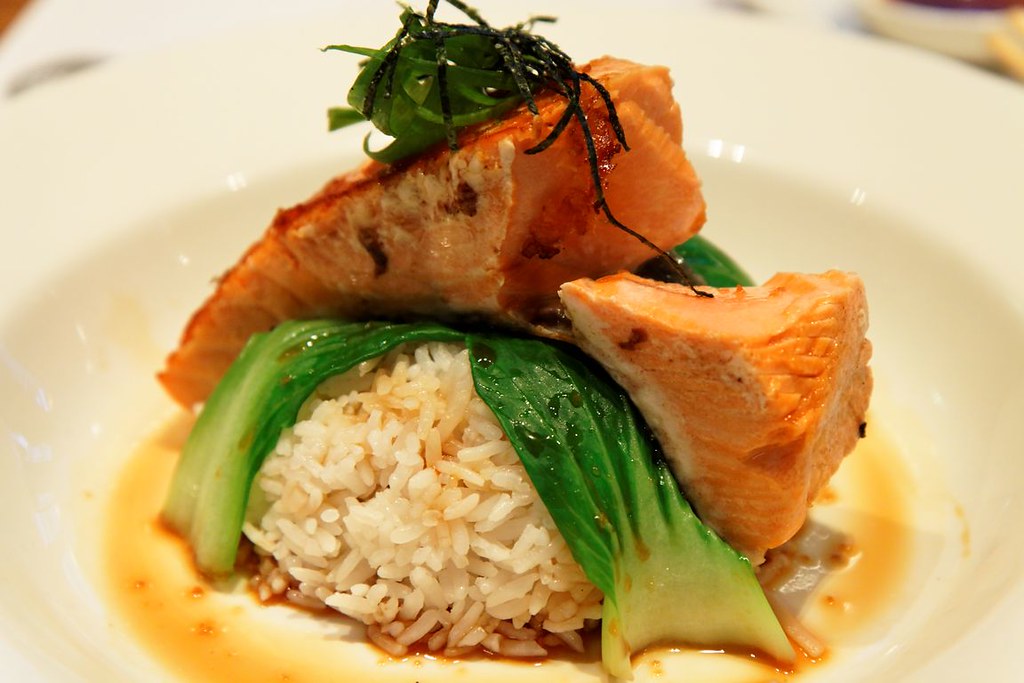
There is something almost magical about watching a simple soy-based glaze turn into a sticky, glossy lacquer on a salmon fillet. This teriyaki salmon does exactly that — in one pan, in about 20 minutes, with no marinating required. The fish stays juicy inside, the edges caramelize just enough, and the sauce thickens into the kind of sweet-savory coating you will want to drizzle over the rice, the vegetables, and honestly, whatever else is on the plate.
Teriyaki is one of those weeknight heroes: a handful of pantry staples, a hot skillet, and dinner is done before you have time to wonder what to make. The homemade glaze beats any bottled version — it is brighter, less syrupy, and you control the sweetness. Serve it over steamed rice with something green on the side, and you have a dinner that looks and tastes like it took far more effort than it did.
Prep Time: 10 minutes | Cook Time: 12 minutes | Total Time: 22 minutes | Servings: 4
Why You’ll Love This Teriyaki Salmon
- Ready in about 20 minutes — faster than ordering takeout, and far more satisfying.
- One pan, minimal cleanup — the sauce cooks right in the skillet with the fish.
- Juicy, never dry — searing skin-side down first locks in moisture and gives you crisp skin.
- Homemade glaze, no bottle needed — soy sauce, mirin, sake, and a touch of honey do all the work.
- Kid-friendly and crowd-pleasing — sweet, savory, and mild enough for the whole table.
- Endlessly versatile — serve it over rice, in a bowl, flaked into noodles, or tucked into lettuce wraps.
Ingredients You’ll Need
- 4 salmon fillets (about 6 oz / 170 g each) — skin-on holds together best in the pan and crisps beautifully.
- 1/3 cup (80 ml) soy sauce — the salty, savory backbone of the glaze; use low-sodium if you prefer a gentler salt level.
- 3 tablespoons mirin — sweet Japanese rice wine that gives teriyaki its signature shine and mild sweetness.
- 2 tablespoons sake — adds depth and helps the glaze reduce cleanly; dry white wine works in a pinch.
- 2 tablespoons honey — helps the glaze caramelize and cling to the fish; brown sugar is a fine substitute.
- 1 tablespoon rice vinegar — a splash of brightness that keeps the sauce from tasting flat.
- 2 cloves garlic, minced — adds warmth and aroma to the glaze.
- 1 teaspoon fresh ginger, grated — a little heat and freshness that lifts the whole sauce.
- 1 tablespoon neutral oil — such as vegetable or avocado oil, for searing.
- 1 teaspoon cornstarch mixed with 1 tablespoon water — optional, for a thicker, glossier glaze.
- Toasted sesame seeds and sliced green onions — for garnish and a little crunch.
- Salt and black pepper — just a pinch; the soy sauce brings most of the salt.
Equipment You’ll Need
- Large nonstick or stainless steel skillet with a lid
- Small bowl for mixing the sauce
- Microplane or fine grater for the ginger
- Tongs or a fish spatula
- Instant-read thermometer (optional, but helpful)
How to Make Teriyaki Salmon
- Mix the teriyaki sauce. In a small bowl, whisk together the soy sauce, mirin, sake, honey, rice vinegar, garlic, and ginger until the honey dissolves. Set aside.
- Pat the salmon dry. Use paper towels to dry both sides of each fillet thoroughly — dry fish sears instead of steaming. Season lightly with salt and pepper.
- Heat the pan. Warm the oil in a large skillet over medium-high heat until it shimmers. A hot pan is what gives you that golden crust.
- Sear skin-side down. Place the fillets skin-side down and press gently with a spatula for 10 seconds so the skin makes full contact. Cook for 4 to 5 minutes without moving them, until the skin is crisp and the flesh has turned opaque about halfway up.
- Flip and sear the second side. Turn the fillets carefully and cook for 2 to 3 minutes more. The salmon should flake easily but still be slightly translucent in the very center.
- Pour in the sauce. Reduce the heat to medium, pour the teriyaki sauce around the fillets, and let it bubble. Spoon the sauce over the fish as it simmers.
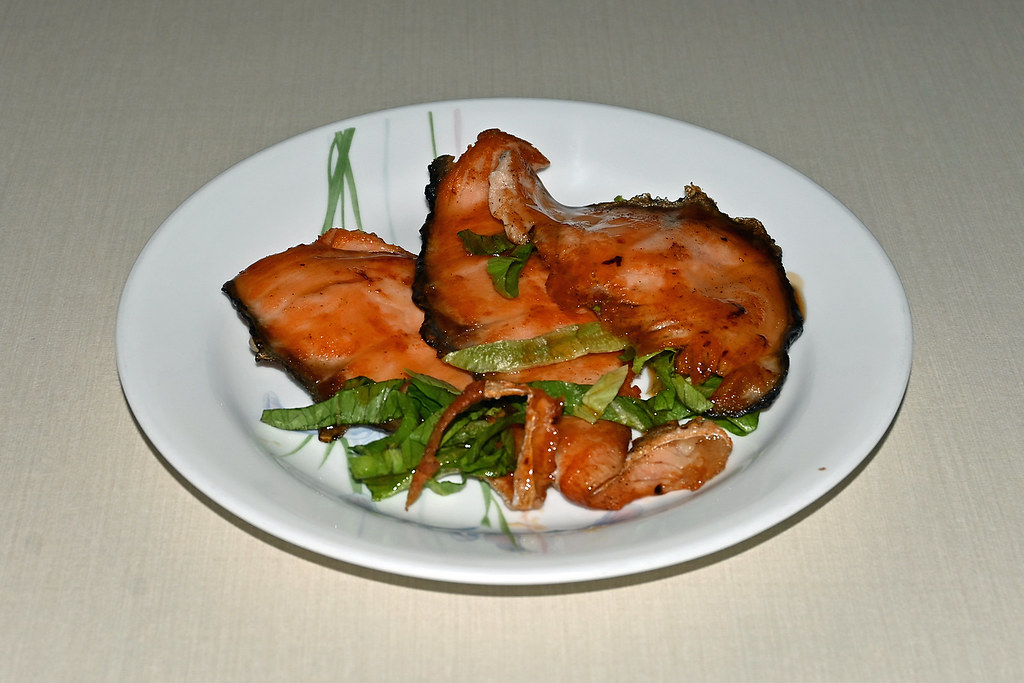
- Glaze and thicken. Cook for 1 to 2 minutes, basting constantly, until the sauce thickens into a shiny glaze that coats the back of a spoon. If you want it thicker, stir in the cornstarch slurry and simmer 30 seconds more.
- Rest briefly. Remove the pan from the heat and let the salmon rest for 2 minutes so the juices settle and the glaze sets.
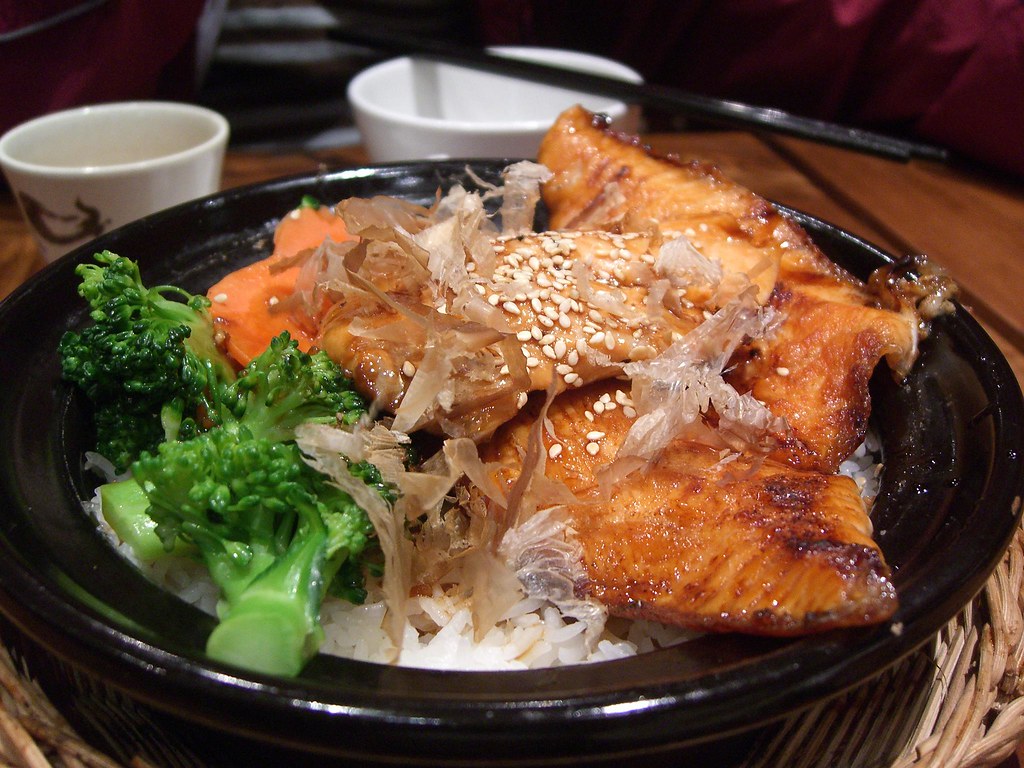
- Serve. Plate the salmon over steamed rice, spoon the remaining glaze from the pan over the top, and finish with sesame seeds and green onions.
Tips for the Perfect Teriyaki Salmon
- Do not move the fish while it sears. Leaving it alone is what builds the crust — fiddling with it tears the flesh.
- Watch the sauce, not the clock. Teriyaki glaze goes from glossy to burnt quickly once the sugar starts to caramelize; keep the heat at medium and pull the pan off as soon as it coats a spoon.
- Pull the salmon at 125°F (52°C) internally. Carryover heat will bring it to a perfect 130–135°F while it rests.
- Use skin-on fillets when you can. The skin protects the flesh from drying out and crisps into the best part of the dish.
- Double the sauce. It keeps for a week in the fridge and is wonderful drizzled over rice, noodles, or roasted vegetables.
Easy Variations to Try
- Spicy teriyaki salmon — whisk 1 teaspoon of sriracha or a pinch of red pepper flakes into the sauce.
- Pineapple teriyaki — add 1/4 cup pineapple juice to the glaze and top the finished fish with grilled pineapple rings.
- Teriyaki salmon bowls — flake the cooked fish over rice with edamame, shredded carrots, cucumber, and a drizzle of extra glaze.
- Miso teriyaki — whisk 1 tablespoon of white miso into the sauce for a deeper, savory richness.
- Grilled version — grill the fillets over medium-high heat and brush with the glaze during the last 2 minutes.
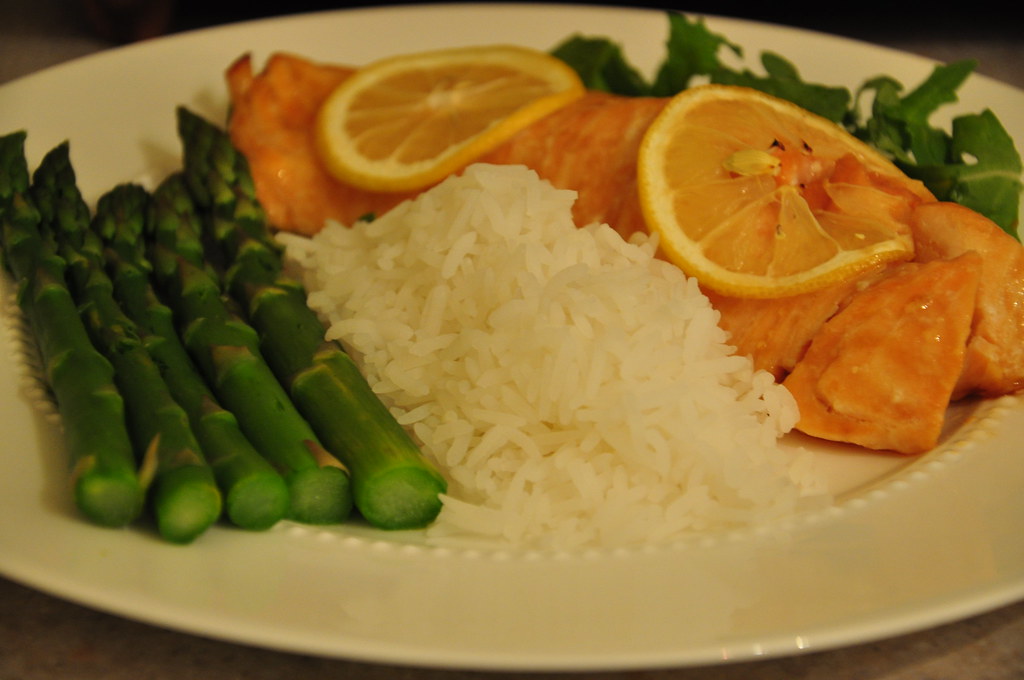
What to Serve With Teriyaki Salmon
- Steamed jasmine or sushi rice — the classic partner; it soaks up every drop of glaze.
- Steamed broccoli or broccolini — the slight bitterness balances the sweet sauce.
- Stir-fried bok choy with garlic — quick, fresh, and very much at home next to teriyaki.
- Cucumber salad — thinly sliced cucumber with rice vinegar and sesame for a cool, crisp contrast.
- Miso soup — a light, warming starter that rounds out the meal.
Make Ahead and Storage
- Make the sauce ahead: whisk the glaze together and refrigerate it in a jar for up to 1 week.
- Leftovers: store cooked salmon in an airtight container in the refrigerator for up to 2 days.
- Reheating: warm gently in a covered skillet over low heat with a splash of water, or in the microwave at 50% power in 30-second bursts — high heat dries it out.
- Freezing: cooked teriyaki salmon freezes well for up to 2 months; thaw overnight in the fridge before reheating.
- Meal prep: portion the salmon with rice and vegetables into containers for easy grab-and-go lunches.
Frequently Asked Questions
Can I use bottled teriyaki sauce?
Yes, in a pinch — but homemade takes only 2 minutes and tastes far fresher. If you use bottled sauce, simmer it in the pan the same way and skip the honey.
Should I marinate the salmon first?
Not necessary. This recipe builds the flavor in the pan, which keeps the texture firm and the glaze bright. If you do want to marinate, 15 minutes is plenty — longer can make the fish mushy.
What if I only have skinless fillets?
They work fine. Sear them 3 to 4 minutes per side and handle them gently when flipping, as they are more delicate without the skin.
How do I know when the salmon is done?
It should flake easily with a fork and be slightly translucent in the center. An instant-read thermometer should read 125–130°F (52–54°C) when you pull it from the pan.
Can I make this in the oven?
Yes. Bake the fillets at 400°F (200°C) for 10 to 12 minutes, then brush with the sauce and broil for 1 to 2 minutes until glazed.
Is teriyaki salmon gluten-free?
It can be — just use tamari or a certified gluten-free soy sauce in place of regular soy sauce.
What vegetables go well with it?
Broccoli, bok choy, green beans, snap peas, and roasted carrots all work beautifully with the sweet-savory glaze.
Nutrition (Estimated)
Per serving (1 fillet with sauce): approximately 320 calories, 32 g protein, 12 g carbohydrates, 2 g fiber, 15 g fat, 9 g sugar, 780 mg sodium. Values are estimates and will vary with the exact brands and quantities used.