
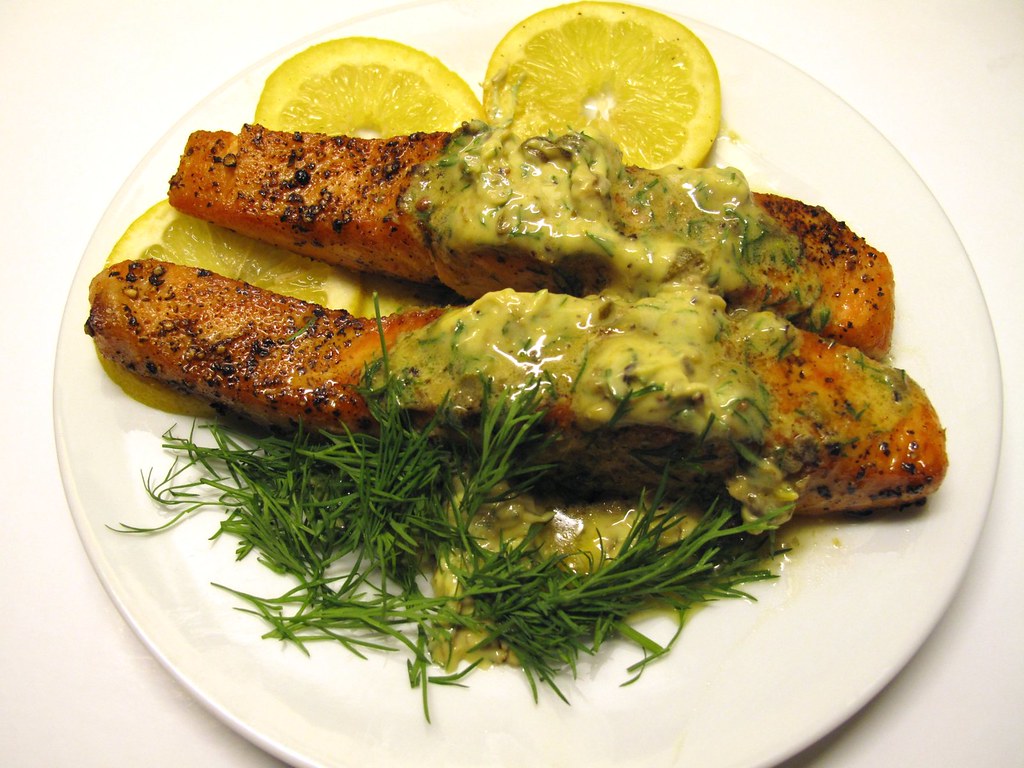
Prep Time: 10 minutes | Cook Time: 20 minutes | Total Time: 30 minutes | Servings: 4
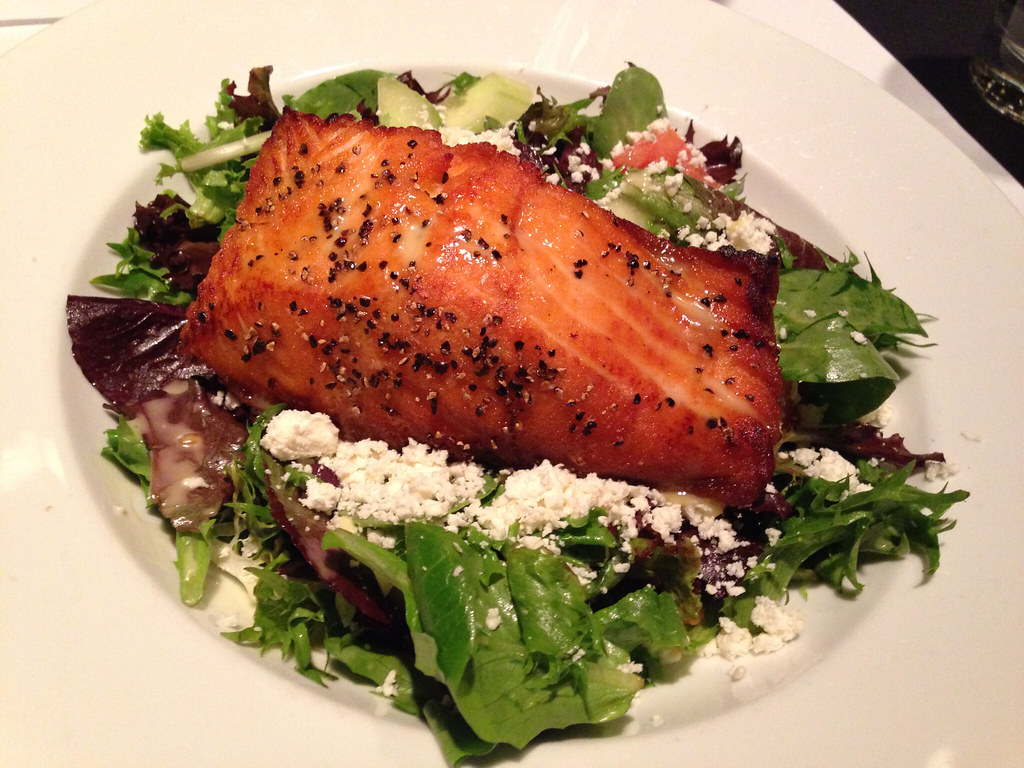
There is a reason salmon with dill cream sauce is a restaurant classic: the rich, buttery fish and the cool, tangy, herb-flecked sauce are made for each other. This Salmon with Dill Cream Sauce brings that restaurant plate home in just 30 minutes, with a pan-seared fillet that has a crisp, golden skin and a sauce that comes together in the same pan while the fish rests.
The sauce is the star here. Heavy cream, garlic, lemon juice, and a generous handful of fresh dill simmer into something silky and bright that cuts through the richness of the salmon perfectly. A spoonful of Dijon mustard adds depth without overpowering the delicate dill flavour.
This is the kind of dinner that works for a quiet weeknight and still impresses at a dinner party. Serve it with mashed potatoes or rice to catch every drop of sauce, and you will understand why this combination has lasted for generations.
Why You’ll Love This Salmon with Dill Cream Sauce
- Ready in 30 minutes — an elegant dinner on a weeknight timeline.
- Restaurant-quality sauce — creamy, lemony, and full of fresh dill, made in one pan.
- Crispy skin, juicy centre — a simple pan-sear that anyone can master.
- Rich in omega-3s — salmon is one of the healthiest fish you can eat.
- One pan for fish and sauce — the browned bits in the skillet become the base of the sauce.
- Easy to dress up or down — equally at home with rice or with roasted vegetables.
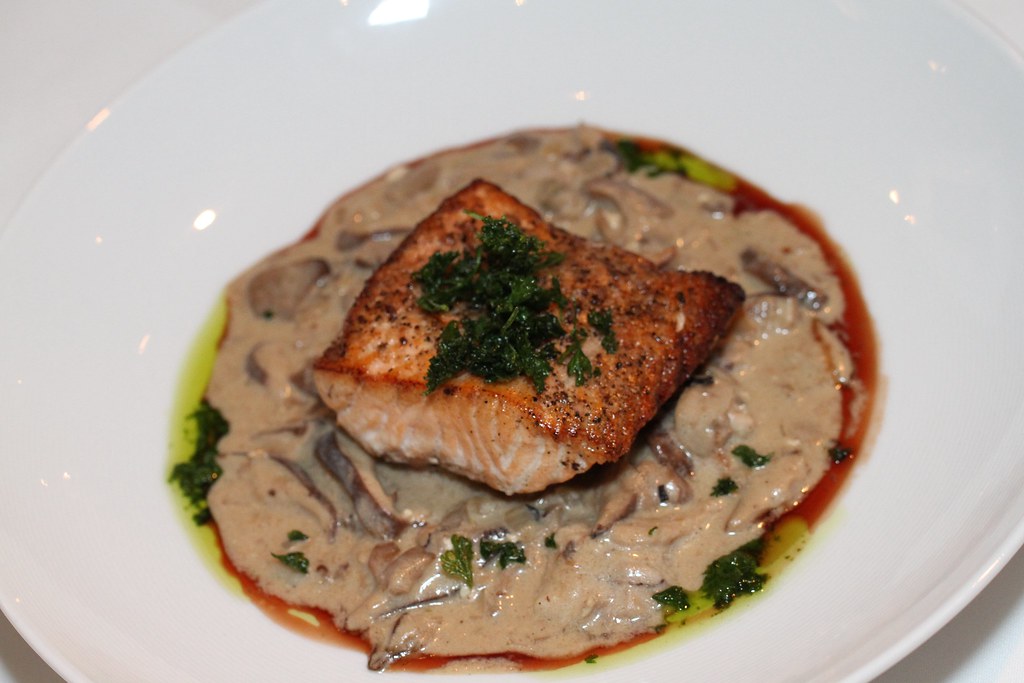
Ingredients You’ll Need
- 4 salmon fillets (6 oz / 170 g each, skin-on) — skin-on gives the crispiest result; ask the fishmonger to remove the pin bones.
- 1 teaspoon kosher salt — seasons the fish and the sauce.
- 1/2 teaspoon black pepper — freshly ground.
- 1 tablespoon olive oil — for searing the salmon.
- 2 tablespoons unsalted butter — for the sauce.
- 3 garlic cloves, finely minced — the aromatic base of the cream sauce.
- 1 cup heavy cream — makes the sauce rich and silky; half-and-half works but will be thinner.
- 1 tablespoon Dijon mustard — adds gentle tang and depth.
- 1 tablespoon lemon juice — freshly squeezed, to brighten the sauce.
- 1 teaspoon lemon zest — for a fresh citrus note.
- 3 tablespoons fresh dill, chopped — the defining herb; fresh dill is essential here.
- 1/4 teaspoon red pepper flakes (optional) — a whisper of heat.
- Lemon wedges and extra dill, to serve — for garnish.
Equipment You’ll Need
- Large skillet (stainless steel or cast iron)
- Fish spatula or thin turner
- Paper towels
- Small bowl
- Instant-read thermometer (optional)
How to Make Salmon with Dill Cream Sauce
- Dry and season the salmon. Pat the fillets very dry with paper towels, especially the skin side. Season the flesh side with salt and pepper.
- Heat the skillet. Heat the olive oil in a large skillet over medium-high heat until it shimmers.
- Sear skin-side down. Place the fillets skin-side down and press gently with a spatula for 10 seconds so the skin makes full contact. Cook for 4 to 5 minutes without moving them, until the skin is crisp and golden.
- Flip and finish. Turn the fillets and cook the flesh side for 2 to 3 minutes more, until the salmon is just opaque at the edges and still slightly translucent in the centre (about 125°F / 52°C for medium). Transfer to a plate and tent loosely with foil.
- Start the sauce. Reduce the heat to medium. Melt the butter in the same skillet and add the garlic. Cook for 30 seconds until fragrant, scraping up the browned bits from the bottom of the pan.
- Add the cream. Pour in the heavy cream and bring it to a gentle simmer. Stir in the Dijon mustard, lemon juice, and lemon zest.
- Simmer until thickened. Cook for 3 to 4 minutes, stirring often, until the sauce coats the back of a spoon. Season with salt, pepper, and red pepper flakes if using.
- Add the dill. Stir in the chopped fresh dill and remove the pan from the heat.
- Serve. Spoon the dill cream sauce over the salmon fillets, garnish with extra dill and lemon wedges, and serve immediately.
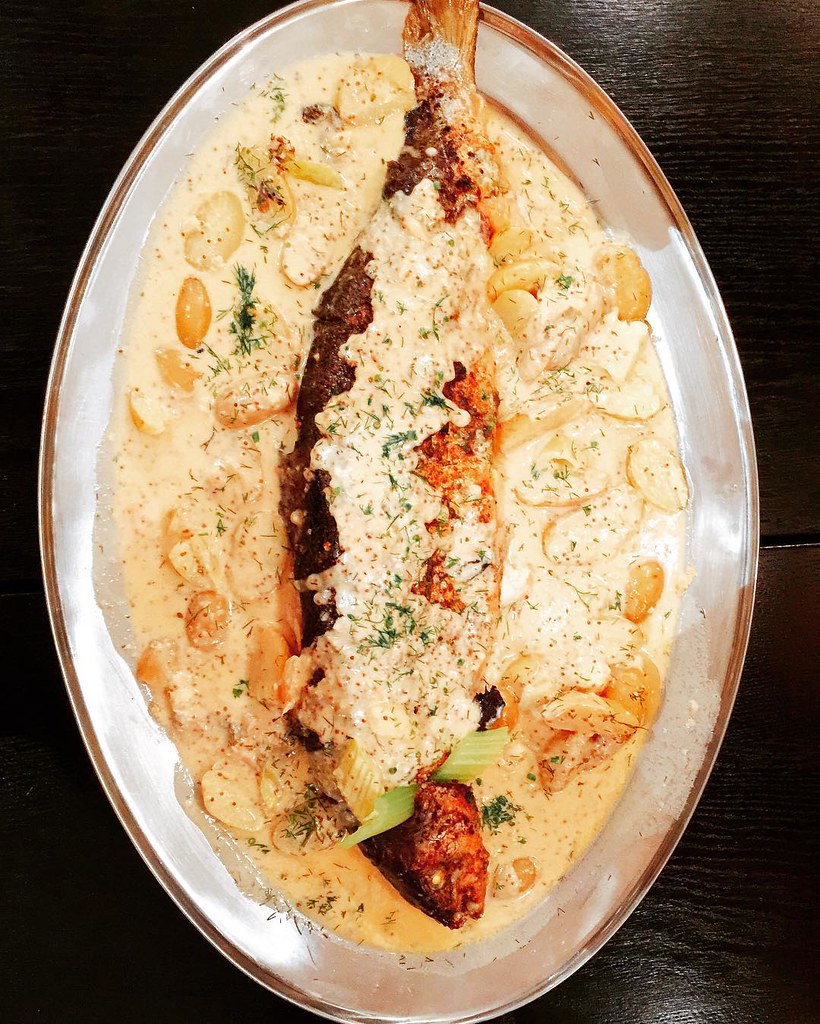
Tips for the Perfect Salmon with Dill Cream Sauce
- Dry skin is crispy skin. Moisture is the enemy of crisp skin — pat it thoroughly dry and do not salt the skin until just before cooking.
- Do not move the fish. Leave it alone while it sears so the skin can crisp and release naturally from the pan.
- Do not overcook. Salmon continues cooking off the heat. Pull it at 120–125°F / 49–52°C for a moist, medium centre.
- Use fresh dill only. Dried dill loses the bright, grassy flavour that defines this sauce.
- Keep the sauce at a gentle simmer. Boiling cream can split; a soft simmer thickens it gently.
- Taste before serving. The sauce may need an extra squeeze of lemon or a pinch of salt to balance the richness.
Easy Variations to Try
- With capers — stir in a tablespoon of drained capers for a briny pop.
- With spinach — wilt a handful of baby spinach into the sauce before adding the dill.
- Baked version — bake the salmon at 400°F / 200°C for 12 to 14 minutes, and make the sauce in a separate pan.
- Lighter sauce — swap half the cream for whole milk or use a mix of cream and chicken stock.
- With white wine — deglaze the pan with a splash of dry white wine before adding the cream.
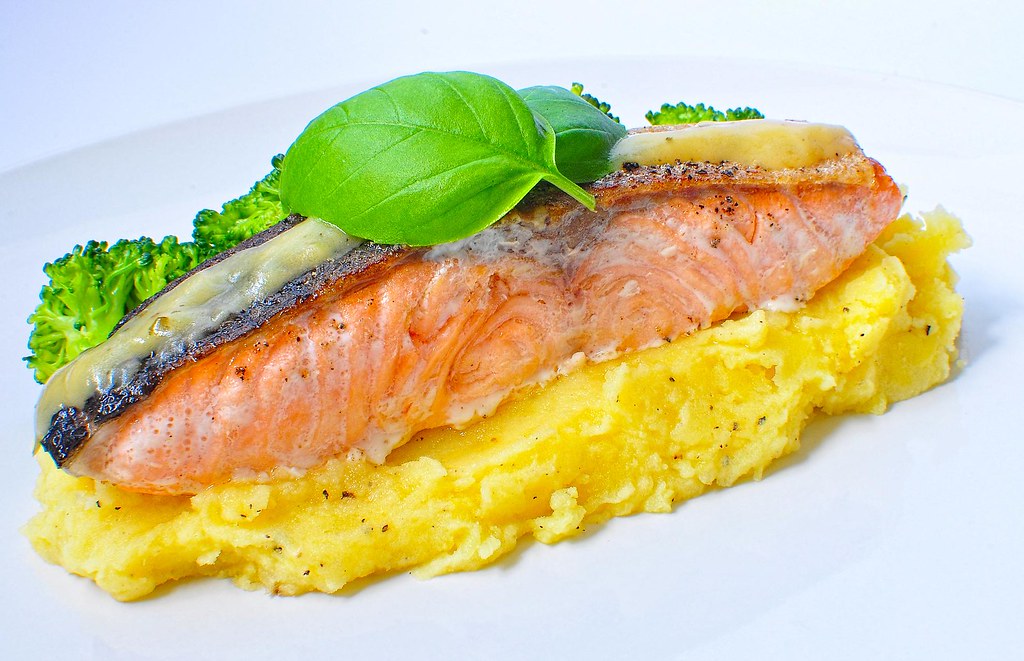
What to Serve With Salmon with Dill Cream Sauce
- Mashed potatoes — the classic partner; they soak up the dill cream sauce beautifully.
- Steamed rice or rice pilaf — a light base that lets the sauce shine.
- Roasted asparagus — elegant, seasonal, and quick.
- Green beans with almonds — crisp and fresh against the rich sauce.
- A simple cucumber salad — cool and crunchy, a natural match for dill.
- Crusty bread — for wiping the plate clean.
Make Ahead and Storage
- Sauce ahead: the dill cream sauce can be made up to 2 days ahead and stored in the fridge; reheat gently over low heat and stir in the fresh dill just before serving.
- Leftovers: store cooked salmon and sauce separately in airtight containers in the fridge for up to 2 days.
- Reheating: warm the salmon gently in a 275°F / 135°C oven for 10 minutes; reheat the sauce slowly in a pan over low heat, adding a splash of cream if it has thickened.
- Freezing: the cooked salmon freezes well for up to 1 month, but the cream sauce does not — make the sauce fresh.
Frequently Asked Questions
Should I use skin-on or skinless salmon?
Skin-on is best for pan-searing because the skin gets wonderfully crisp and protects the flesh. Skinless fillets also work — just sear them 3 to 4 minutes per side.
Can I use dried dill instead of fresh?
You can in a pinch (use 1 tablespoon of dried dill), but fresh dill gives a much brighter flavour. This is a recipe where fresh really matters.
Can I make the sauce dairy-free?
Yes. Use full-fat coconut milk or a dairy-free cream alternative, and replace the butter with olive oil or dairy-free butter. The flavour will be slightly different but still delicious.
What is the best salmon for this recipe?
Atlantic salmon is mild and widely available; sockeye is leaner with a deeper flavour. Either works — choose fillets of even thickness so they cook evenly.
How do I know when the salmon is done?
It should flake easily at the edges while the centre is still slightly translucent. An instant-read thermometer should read 125°F / 52°C for medium or 145°F / 63°C for fully cooked.
Can I bake the salmon instead?
Yes. Bake at 400°F / 200°C for 12 to 14 minutes, then make the sauce in a skillet while the salmon rests.
Will the cream sauce split?
Not if you keep it at a gentle simmer and avoid boiling. If it does split, whisk in a splash of cold cream off the heat and it will usually come back together.
Nutrition (Estimated)
Per serving (1 fillet with sauce): approximately 480 calories, 38 g protein, 3 g carbohydrates, 35 g fat, 0 g fibre, 1 g sugar, 420 mg sodium. Values are approximate and will vary with fillet size and cream used.
