
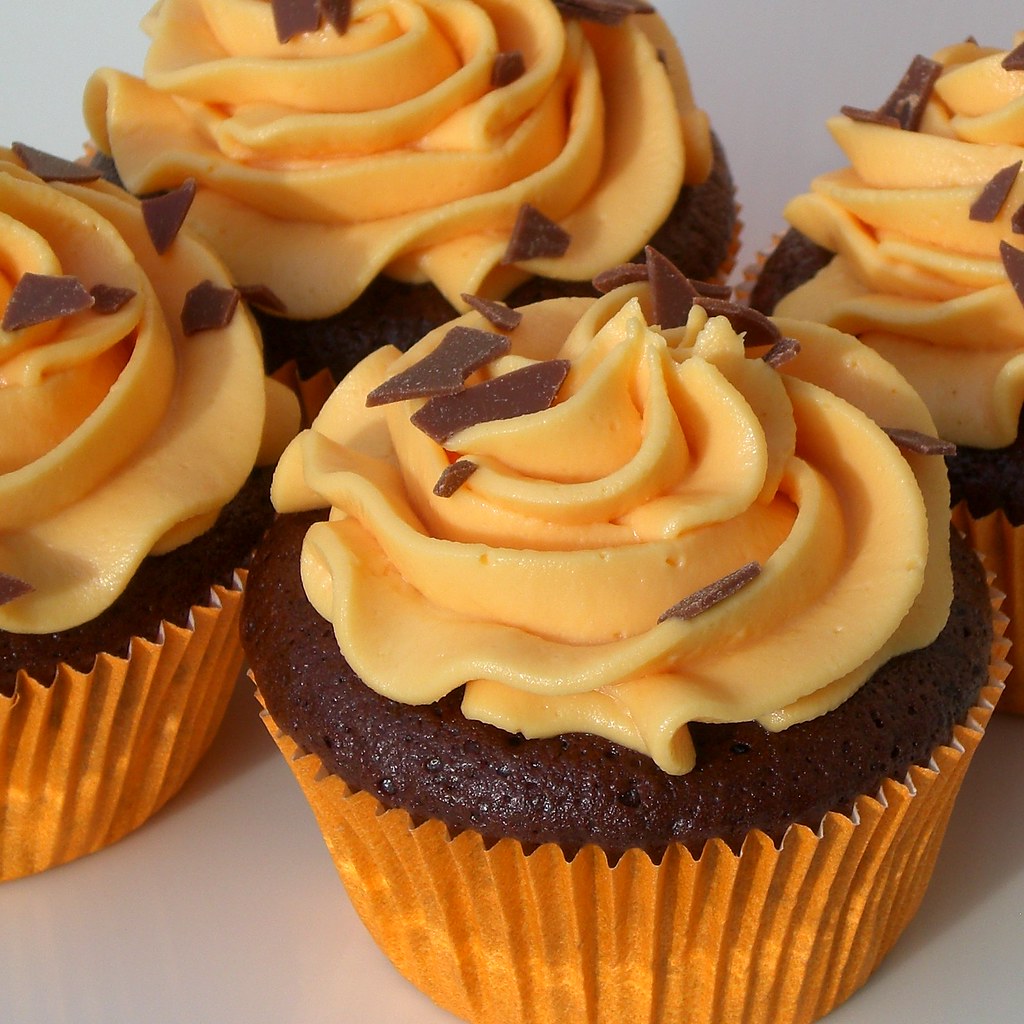
This orange buttercream frosting tastes like sunshine in a bowl — bright orange zest, a splash of fresh orange juice, and silky butter whipped into a smooth, sunny frosting that pipes beautifully. It is the creamsicle flavor everyone loves, in frosting form: sweet, citrusy, and just tangy enough to keep it from being too rich.
Orange is one of the most underrated frosting flavors. It pairs with chocolate like a Terry’s chocolate orange, brightens vanilla cake, and makes a simple yellow cake taste like a celebration. Best of all, it takes just 15 minutes and uses ingredients you probably already have: butter, powdered sugar, one orange, and a little vanilla.
Prep time: 15 minutes | Total time: 15 minutes | Servings: 12 (frosts 24 cupcakes or a 2-layer 8-inch cake)
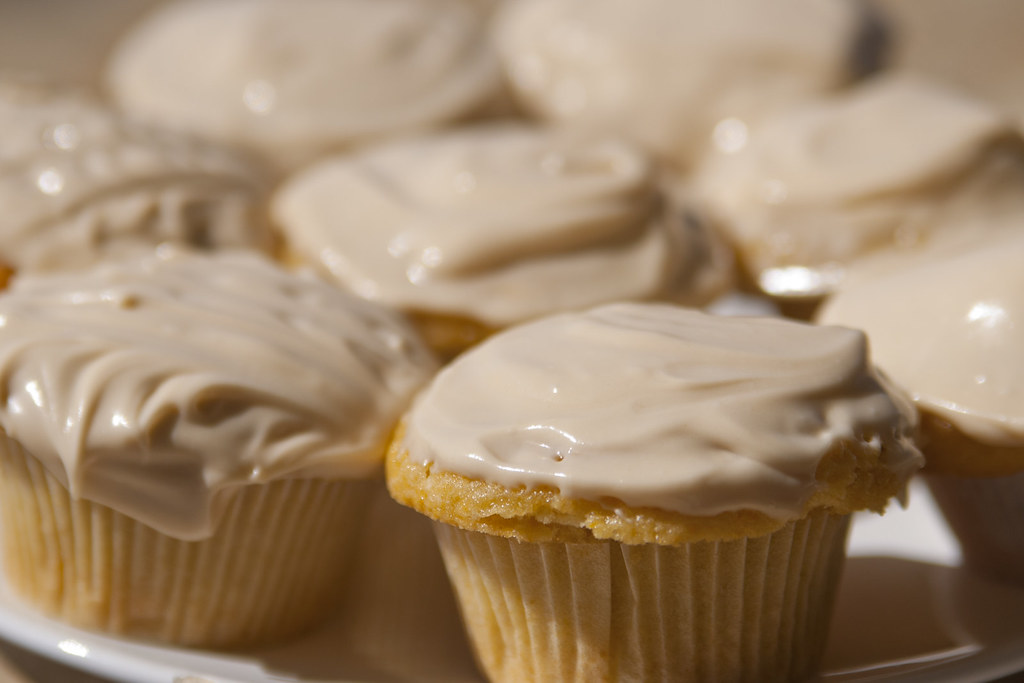
Why You’ll Love This Orange Buttercream Frosting
- Bright, fresh flavor: Real orange zest and juice give it a sunny citrus taste that no extract can match.
- Ready in 15 minutes: No cooking, no cooling, no complicated steps — just zest, juice, beat, and spread.
- Beautiful sunny color: The zest and juice tint the frosting a soft, natural orange-gold.
- Pipes beautifully: The texture holds tall swirls and sharp edges, so cupcakes look bakery-made.
- Pairs with everything: Chocolate, vanilla, yellow cake, spice cake, carrot cake — orange frosting improves all of them.
- Freezer-friendly: Make it ahead, freeze it, and re-whip it in minutes when you need it.
Ingredients You’ll Need
- 1 cup (230 g) unsalted butter, softened — Leave it at room temperature for about an hour so it beats smooth and lump-free.
- 3 1/2 cups (420 g) powdered sugar, sifted — Sifting prevents a gritty texture; add it gradually so the bowl doesn’t puff sugar everywhere.
- 1 tablespoon finely grated orange zest — From 1 large orange. Zest only the colored part of the peel; the white pith underneath is bitter.
- 3 tablespoons fresh orange juice — Squeeze it from the same orange you zested. Fresh juice tastes far brighter than bottled.
- 1 tablespoon heavy cream or whole milk — Only if needed to loosen the frosting; the juice already adds liquid, so add this a teaspoon at a time.
- 1 teaspoon vanilla extract — Rounds out the citrus and gives the frosting a creamsicle flavor.
- 1/4 teaspoon fine salt — Balances the sweetness and makes the orange flavor pop.
- 2 to 3 drops orange gel food coloring (optional) — For a deeper orange color. The zest and juice already tint the frosting a soft gold, so this is purely cosmetic.
Equipment You’ll Need
- Stand mixer with paddle attachment (or a large bowl and electric hand mixer)
- Fine-mesh sieve for sifting the powdered sugar
- Microplane or fine grater for the orange zest
- Citrus juicer or reamer
- Rubber spatula
- Offset spatula or piping bag with a large star tip for decorating
How to Make Orange Buttercream Frosting
- Zest and juice the orange. Finely grate the zest from 1 large orange, then squeeze out 3 tablespoons of juice. Set both aside.
- Beat the butter. Beat the softened butter on medium speed for 2 minutes until pale, creamy, and fluffy. Scrape down the bowl.
- Add the zest. Add the orange zest and beat for 30 seconds. Beating the zest into the butter releases its fragrant oils into the frosting.
- Add the sugar in batches. With the mixer on low, add the sifted powdered sugar one cup at a time, beating briefly after each addition and scraping the bowl between additions.
- Add the juice and vanilla. Add the orange juice, vanilla extract, and salt. Beat on low until the liquid is absorbed and the frosting turns a soft, even gold.
- Color it if you like. For a deeper orange, add 2 to 3 drops of orange gel food coloring and beat until the color is even.
- Whip it fluffy. Increase the speed to medium-high and whip for 2 to 3 minutes until the frosting is light, airy, and holds soft peaks.
- Check the consistency. It should hold a peak when you lift the beater but still spread easily. Too thick? Beat in cream, a teaspoon at a time. Too thin? Beat in powdered sugar, 2 tablespoons at a time.
- Taste and adjust. Want more citrus punch? Beat in another 1/2 teaspoon of zest. Want it sweeter? Add a little more powdered sugar.
- Use right away. Spread or pipe onto completely cooled cakes or cupcakes. If you wait, cover the bowl so the surface doesn’t dry out.

Tips for the Perfect Orange Buttercream Frosting
- Zest before you juice. It is almost impossible to zest an orange after it has been squeezed, so always zest first.
- Zest only the colored peel. The white pith underneath is bitter and will make the frosting taste off. Use a light touch with the grater.
- Use fresh juice, not bottled. Bottled orange juice tastes flat and slightly cooked; fresh juice is bright and lively, and you need the orange for the zest anyway.
- Start with truly soft butter. Butter that is too cold leaves lumps; butter that is melted or greasy makes a runny frosting.
- Sift the powdered sugar. Powdered sugar clumps, and lumps don’t disappear once the frosting is mixed.
- Frost cold cake only. Even a slightly warm cake will melt the frosting and make it slide. Cool cakes completely first.
Easy Variations to Try
- Orange creamsicle: Add an extra 1/2 teaspoon of vanilla and use 2 tablespoons of juice instead of 3 for a creamier, milkier flavor.
- Orange chocolate: Add 2 tablespoons of cocoa powder for a chocolate-orange frosting that tastes like a chocolate orange.
- Blood orange: Use blood oranges instead of regular oranges for a deeper color and a slightly berry-like flavor.
- Orange cranberry: Fold in 1/3 cup of finely chopped dried cranberries for a festive holiday frosting.
- Spiced orange: Add 1/2 teaspoon of cinnamon and a pinch of ground ginger for a warm, spiced version that pairs beautifully with carrot cake.
- Orange cream cheese: Replace half the butter with softened cream cheese for a tangy frosting that pairs beautifully with carrot cake and spice cake.
What to Use It On Orange Buttercream Frosting
- Chocolate cake: The classic pairing — orange and chocolate are made for each other, like a chocolate orange in cake form.
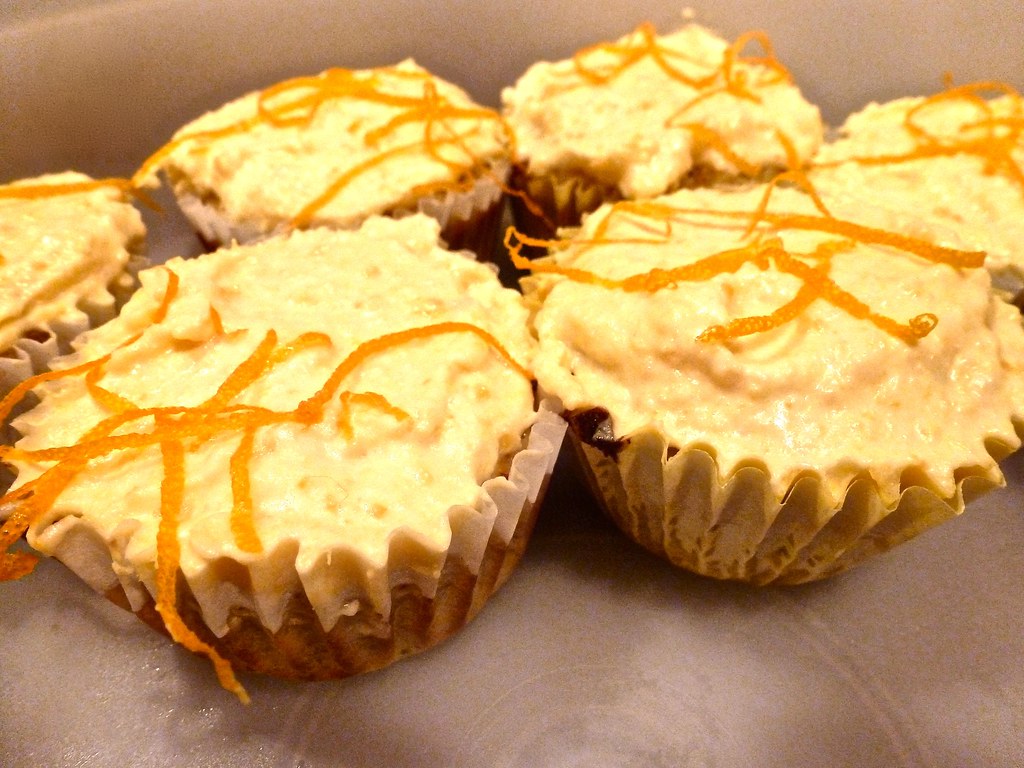
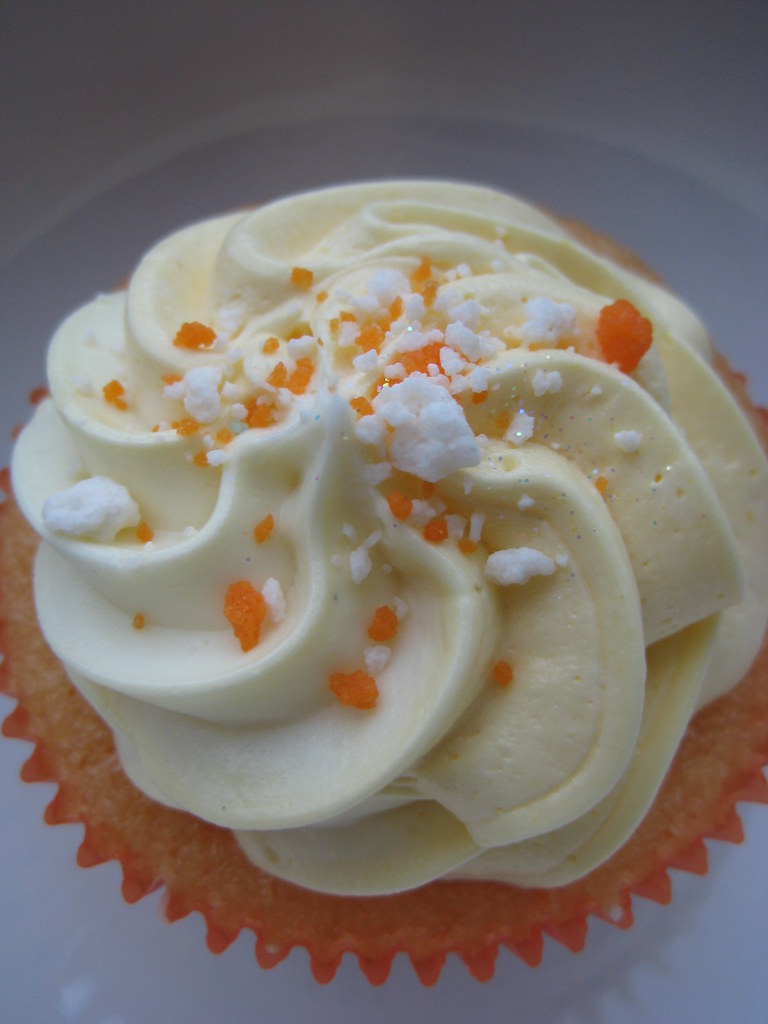
- Vanilla and yellow cupcakes: Pipe tall sunny swirls and finish with a curl of orange zest or a sprinkle of orange sugar.
- Carrot cake: A bright alternative to the usual cream cheese frosting — the orange echoes the carrot and lifts the whole cake.
- Spice cake: The citrus cuts through the warm spices beautifully.
- Sugar cookies: Spread a thin layer on soft sugar cookies and top with a little orange zest for a simple, sunny treat.
Make Ahead and Storage
- Room temperature: Use within a few hours, or keep covered for up to 1 day if your kitchen is cool (below 70°F / 21°C).
- Refrigerator: Store in an airtight container for up to 1 week. Let it come to room temperature for 30 to 45 minutes, then re-whip for 1 to 2 minutes before using. The orange flavor actually deepens a little overnight.
- Freezer: Freeze in a zip-top bag or airtight container for up to 3 months. Thaw overnight in the fridge, bring to room temperature, and re-whip until fluffy.
- Frosted cakes: A frosted cake keeps at room temperature for 1 day or in the fridge for up to 4 days — bring it back to room temperature before serving for the best flavor and texture.
Frequently Asked Questions
Can I use bottled orange juice?
You can, but fresh juice tastes noticeably brighter, and you need a fresh orange for the zest anyway. If you must use bottled, choose a not-from-concentrate juice with no added sugar.
Can I use orange extract instead of zest and juice?
You can replace the juice with 1 teaspoon of orange extract, but the flavor will be less fresh and the frosting will be paler. Real zest and juice are worth the extra two minutes.
Why is my frosting too thin?
The juice adds liquid, and oranges vary in juiciness. Beat in powdered sugar, 2 tablespoons at a time, until it holds a peak. If it is very thin, chill the bowl for 15 minutes first.
Can I make it without a stand mixer?
Yes. A hand mixer works just as well; it just takes a minute or two longer to get the frosting fluffy. Beat in a deep bowl to keep the sugar from flying out.
Will the zest make the frosting gritty?
No, as long as you grate it finely with a microplane. The tiny pieces of zest disappear into the frosting and just leave flavor behind.
Can I use a different citrus?
Yes — lemon, lime, and grapefruit all work the same way. Lemon gives a sharper flavor, lime is more tropical, and grapefruit is bittersweet. Use the same quantities.
Does this frosting need to be refrigerated on a cake?
A frosted cake is fine at room temperature for a day. After that, refrigerate it. Because it contains butter and cream, don’t leave it out for more than 24 hours in a warm kitchen.
How much frosting does this make?
About 3 cups, enough to frost 24 cupcakes generously or fill and frost a 2-layer 8-inch cake.
Nutrition (Estimated)
Per serving (1/12 of the frosting, about 2 tablespoons): approximately 200 calories, 12 g fat, 7 g saturated fat, 25 g carbohydrates, 24 g sugar, 0 g fiber, 0 g protein, 55 mg sodium. Values are approximate and will vary with the exact brands and quantities used.
