
A neutral living room is not a boring living room. When warm whites, soft beige, gentle greys, and natural wood are layered with texture, light, and a few personal touches, the result is a calm, timeless space that feels warm in winter, fresh in summer, and easy to live with all year round.
What Makes a Neutral Room Feel Warm
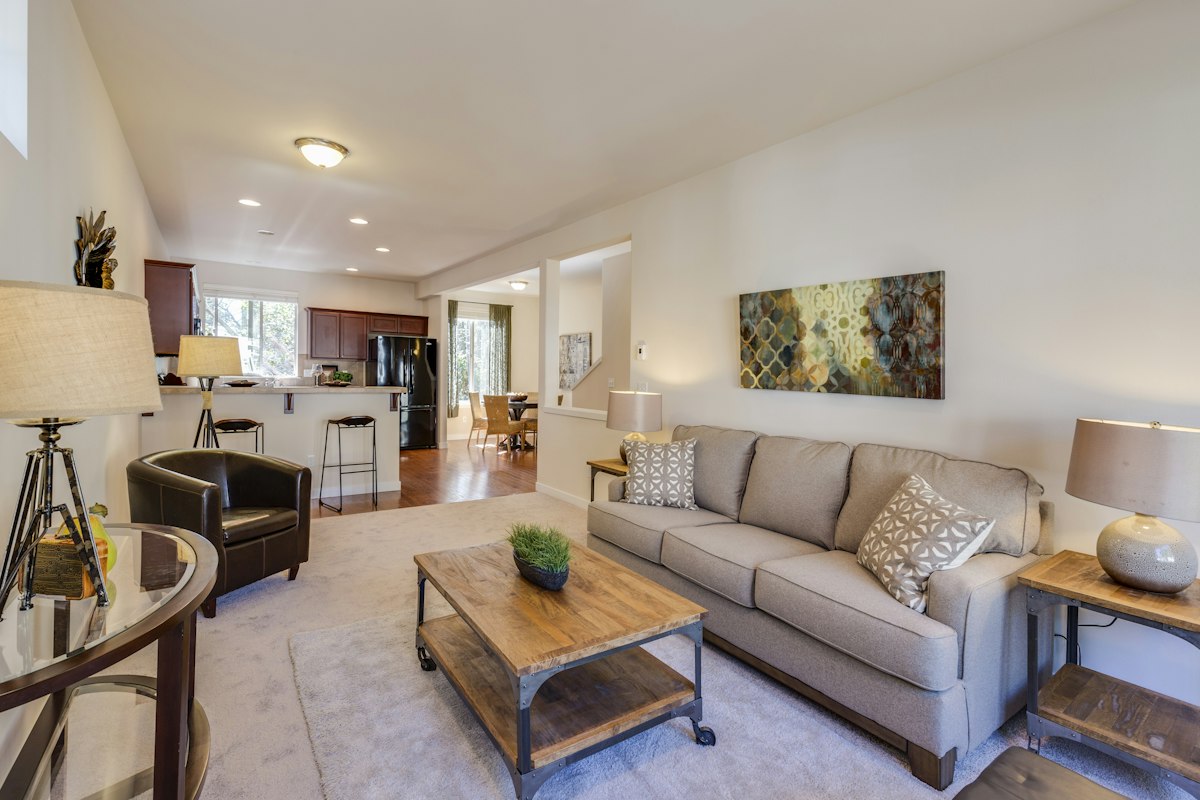
1. Choose warm neutrals, not cold ones. The secret to a warm neutral living room is in the undertone. Warm white, cream, soft beige, and greige with a hint of yellow or pink feel welcoming, while stark white and blue-grey can feel cold and flat, especially in a room that gets little sun. Test paint and fabric samples in your room at different times of day, and choose the one that feels warm in the evening as well as in daylight.
2. Layer three or four neutrals together. A neutral room works best when it layers several close colours rather than using one flat shade everywhere. Cream walls, a beige sofa, a soft grey rug, and warm wood furniture create depth and interest without any strong colour, and the room feels rich rather than washed out. Keep the colours close in tone, and the layers will blend calmly.
- Hold fabric samples against the wall in daylight and lamplight.
- Warm metals like brass suit warm neutrals better than chrome.
- A single warm neutral repeated everywhere can look flat: layer it.
Choose a Neutral Sofa That Lasts
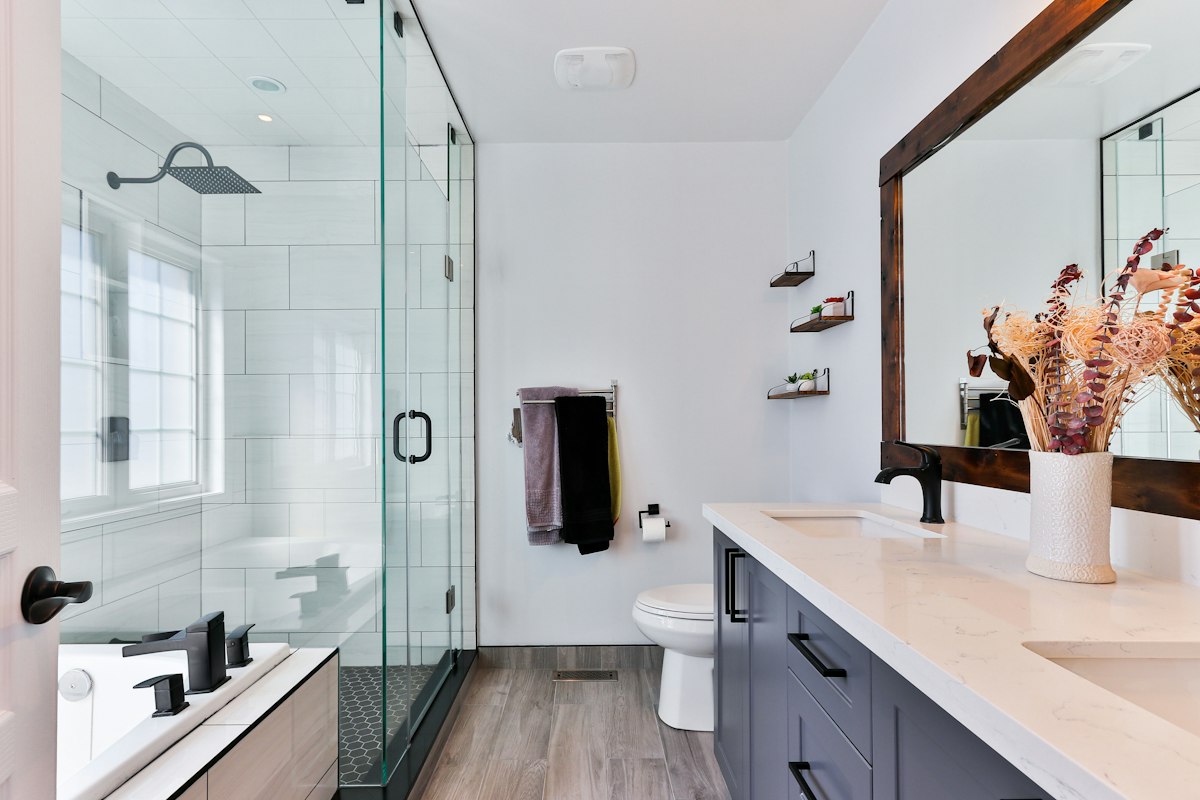
3. Pick a sofa in a timeless neutral fabric. A sofa in cream, beige, light grey, or soft taupe is a calm base that will suit any accent colour you choose later, and it will not date the way a bold colour can. Choose a durable fabric, and a removable, washable cover if you have children or pets, so the neutral colour stays fresh and practical as well as beautiful.
4. Add a neutral accent chair for balance. A second chair in a slightly different neutral, such as a boucle chair beside a linen sofa, or a leather chair beside a fabric sofa, adds texture and shape without breaking the calm. Keep the chair in the same warm family as the sofa, and the room will feel balanced and intentional.
- A slipcovered sofa is a practical choice for a light neutral room.
- Test a fabric by sitting on it and by checking how it cleans.
- Keep the sofa and chair in the same warm or cool family.
Layer Texture in Neutral Tones
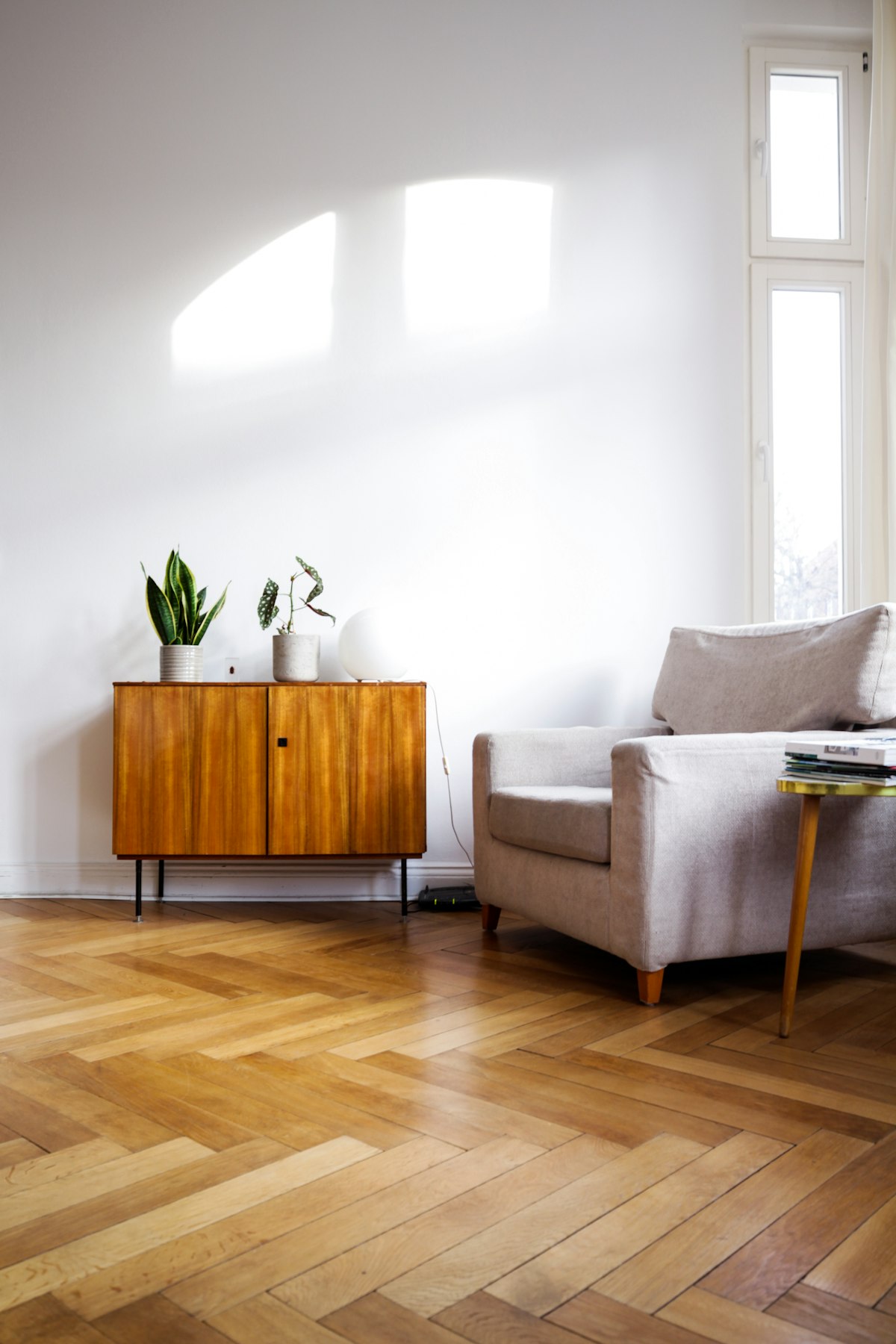
5. Mix boucle, linen, wool, and leather. Texture is what stops a neutral room feeling plain. A boucle cushion, a linen throw, a wool rug, and a leather chair all add interest through how they feel and how they catch the light, even though their colours are close. Mix two or three textures in the seating area, and the room will feel rich and touchable.
6. Use a soft, plain rug as the base. A large rug in a warm neutral, with a subtle texture or a very gentle pattern, anchors the seating area and softens hard floors. Choose a rug that is large enough for the front legs of the sofa and chairs to sit on it, and keep its colour close to the sofa so the floor and the furniture feel connected.
- Texture matters more than pattern in a neutral room.
- A wool rug feels warm and lasts well in a busy room.
- Layer a smaller, softer rug over a plain one for extra comfort.
Warm Up With Natural Wood
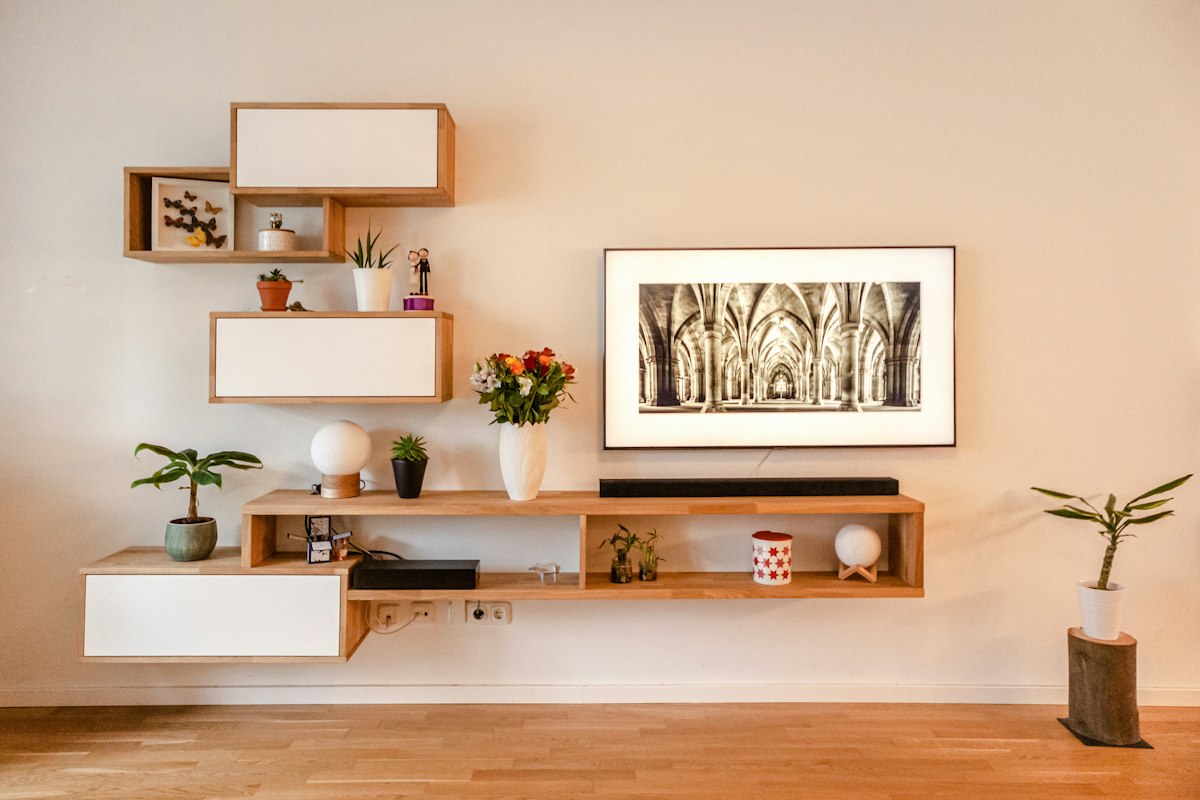
7. Add warm wood furniture. Natural wood is the easiest way to warm up a neutral room. A wooden coffee table, a side table, or a media unit in pale oak, walnut, or a warm mid-tone wood adds colour and grain that no fabric can copy, and it stops the room feeling like a showroom. Keep the wood tones close to each other so the room stays calm.
8. Use wooden accessories in small doses. A wooden tray on the coffee table, a wooden bowl on a shelf, or wooden frames on the wall add warmth for very little cost and can be moved around the room whenever you want a change. Small wooden pieces are also a good way to try a wood tone before buying a larger piece of furniture.
- Pale oak suits a light, airy neutral room.
- Walnut adds depth to a room with cream walls.
- Leave some wood grain visible: it is a natural pattern.
Neutral Walls and Window Treatments
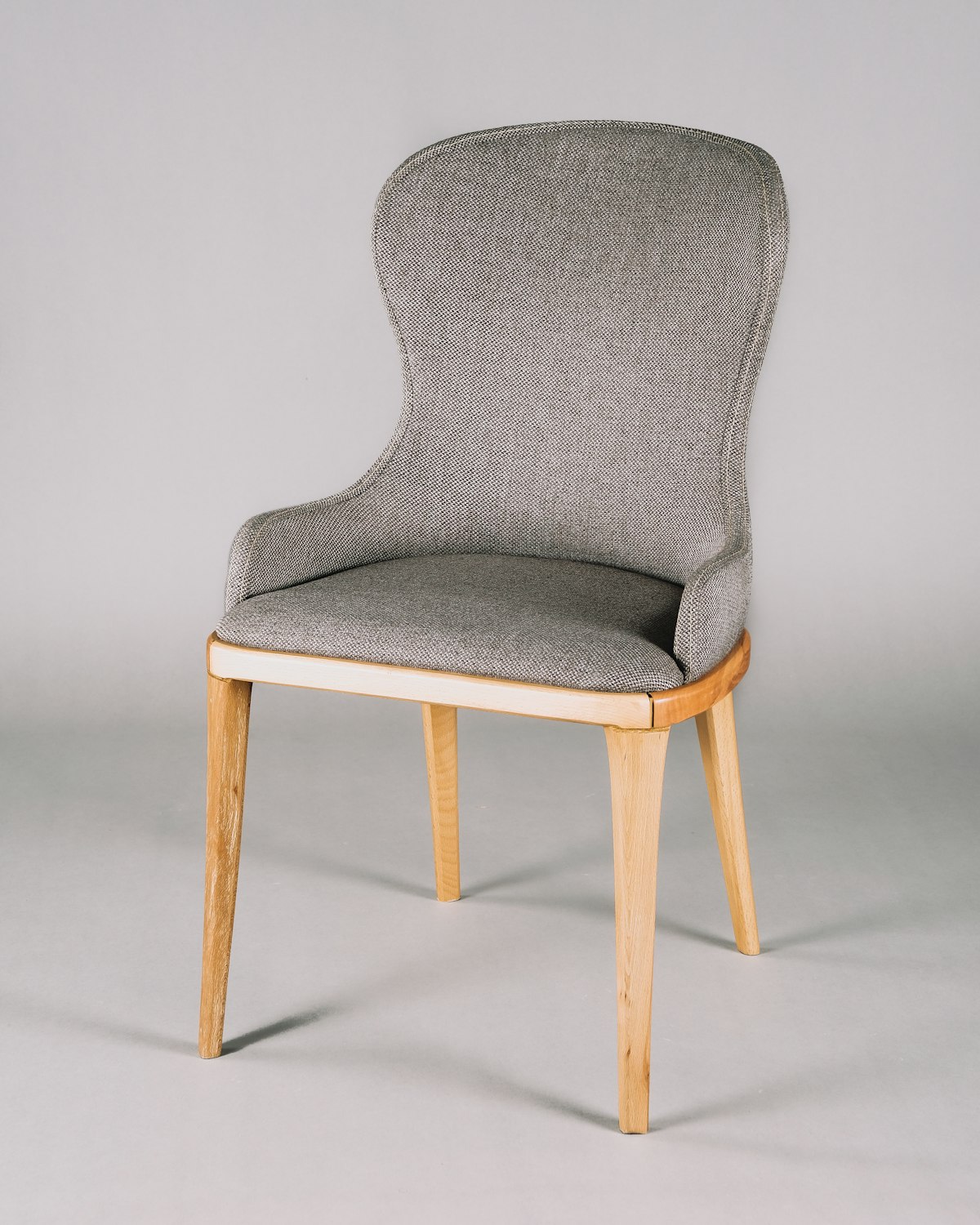
9. Paint the walls a warm, soft white. Warm white walls reflect light, make a room feel larger, and give you a calm background for furniture and art. Choose a warm white with a hint of cream rather than a stark, bright white, and use a matte or eggshell finish so the walls feel soft rather than shiny. The same warm white on the ceiling and trim will make the room feel seamless and calm.
10. Choose simple, light window treatments. Linen curtains in cream or soft beige, hung high and wide so they frame the window, add softness and warmth without blocking light. Keep the curtains plain, let them fall to the floor, and avoid heavy patterns or dark colours that would break the calm of the room. Sheer curtains are a good choice if you want light and privacy together.
- Hang curtains close to the ceiling to make the room feel taller.
- A simple curtain rod in brass or black suits a neutral room.
- Let curtains puddle slightly on the floor for a relaxed look, or keep them just above it for a tidy one.
Add Colour Gently, If You Want It
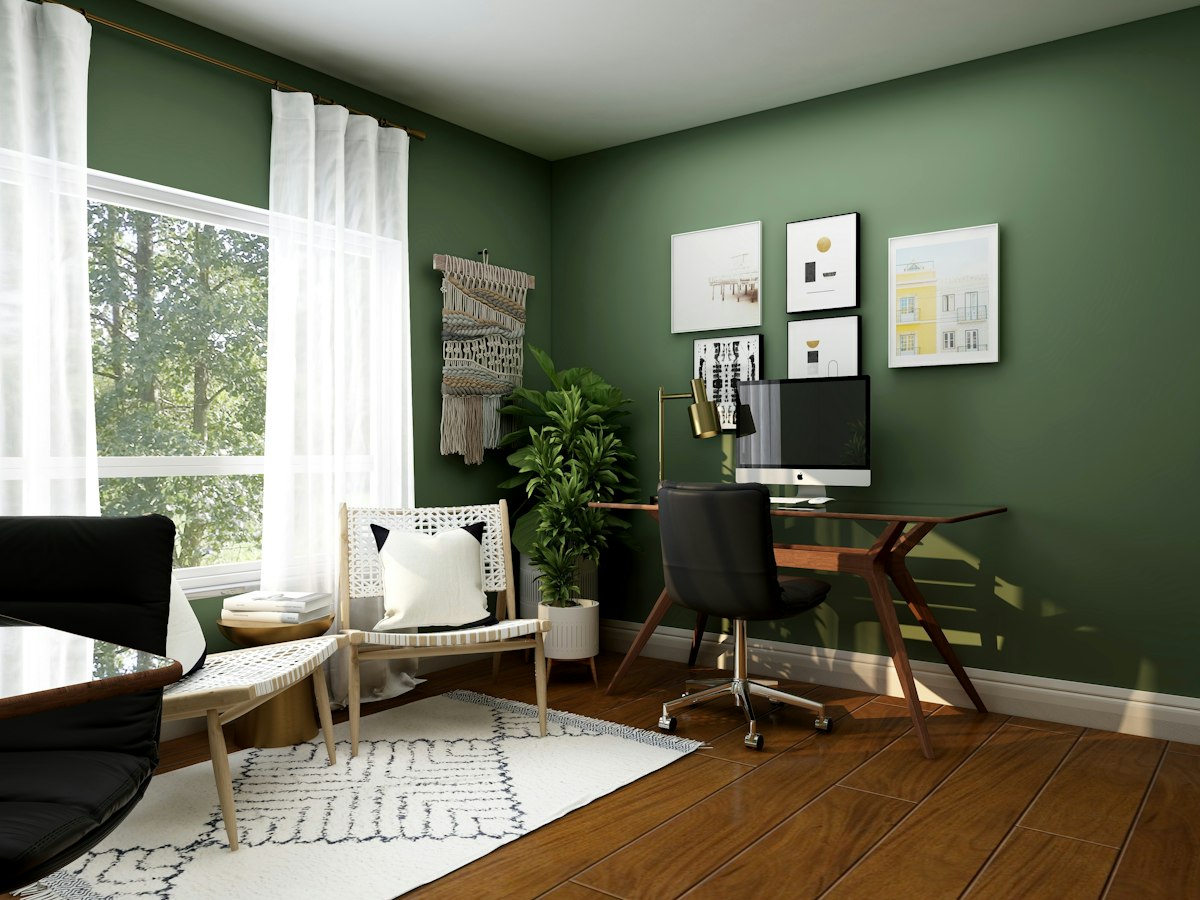
11. Add one soft accent colour. A neutral room does not have to stay entirely neutral. A soft sage green, a dusty blue, a warm terracotta, or a gentle mustard, used in cushions, a throw, and a piece of art, adds life without breaking the calm. Choose one accent, repeat it in three or four places, and keep the rest of the room neutral so the accent feels intentional.
12. Use greenery as your accent. Plants are the easiest accent for a neutral room, because green suits every neutral and adds life and colour without any commitment. A tall plant in a corner, a small plant on a shelf, and a vase of fresh stems on the coffee table give the room a natural, fresh accent that changes with the seasons.
- Change accent cushions with the seasons for a fresh look.
- Keep accent colours soft and muted, not bright and loud.
- A green plant is a safer accent than a coloured sofa.
Lighting a Neutral Living Room

13. Use warm light throughout the room. Warm-toned bulbs are essential in a neutral room, because cool light can make cream and beige look grey and flat. Use a dimmer on the main light, add a table lamp and a floor lamp in warm tones, and the room will glow softly in the evening and feel welcoming at any time of day.
14. Let natural light do as much as possible. Keep windows clear, use light curtains, and place a mirror opposite a window to reflect daylight around the room. Natural light makes neutral colours look their best, and a bright, airy room feels calm and timeless in a way that no amount of artificial light can copy.
- A mirror opposite a window doubles the daylight in the room.
- Keep window sills clear so light can flow in.
- A floor lamp beside the sofa is useful for reading in the evening.
Neutral Art and Wall Decor
15. Choose art in soft, muted tones. Art in cream, beige, soft grey, sage, and dusty blue suits a neutral room and adds interest without a jarring colour. A large abstract piece, a landscape photograph, or a simple line drawing above the sofa can be the focal point of the room, and its soft colours will blend calmly with the rest of the space.
16. Use texture on the walls too. A woven wall hanging, a wooden panel, or a simple gallery wall in matching frames adds texture and interest to neutral walls without adding strong colour. Keep the wall decor simple, leave plenty of empty space, and let one piece be the focus of each wall.
- Hang art at eye level when seated on the sofa.
- A large mirror in a slim frame adds light to a neutral room.
- Black frames add definition to a pale, neutral wall.
Style the Coffee Table and Shelves

17. Keep the coffee table simple and natural. A tray in wood or rattan, a stack of two or three books in neutral covers, a candle in a glass holder, and a small vase of dried stems or fresh flowers is plenty for a neutral coffee table. Leave the rest of the surface clear, and the table will feel calm and easy to use.
18. Style shelves with books, plants, and ceramics. Open shelves in a neutral room look best with a mix of books, a plant, and a few ceramic or wooden objects in cream, beige, and soft grey. Group items in odd numbers, vary the heights, leave some empty space, and the shelves will feel curated and calm rather than crowded.
- Stack books horizontally as well as standing them up.
- Ceramics in cream and beige suit a neutral room perfectly.
- Edit shelves twice a year and remove anything you no longer love.
Keep a Neutral Room Timeless and Liveable

19. Choose classic shapes that will not date. A neutral room stays timeless when its big pieces have classic, simple shapes: a straight-armed sofa, a rectangular coffee table, a simple floor lamp, and plain curtains. Trends come and go in cushions and accessories, which are easy to change, while classic furniture will look right for years.
20. Keep the room easy to live in and easy to change. A neutral base is the easiest room to update, because a new cushion, a new throw, or a new piece of art can change the mood without changing the furniture. Keep the room tidy, keep surfaces mostly clear, and leave space to move, and your neutral living room will stay calm, warm, and timeless for years to come.
- Change cushions and throws, not furniture, when you want a new look.
- Keep a basket for throws so the room stays tidy.
- A neutral room should feel lived in, not like a showroom.
A neutral living room is not about playing safe. It is about choosing warm, layered neutrals, honest textures, natural wood, and soft light, and then letting a few personal touches make the room yours. Start with the base, add texture, bring in wood and greenery, and change the accents whenever you like. The result is a room that feels calm today, warm tomorrow, and timeless for years.
