
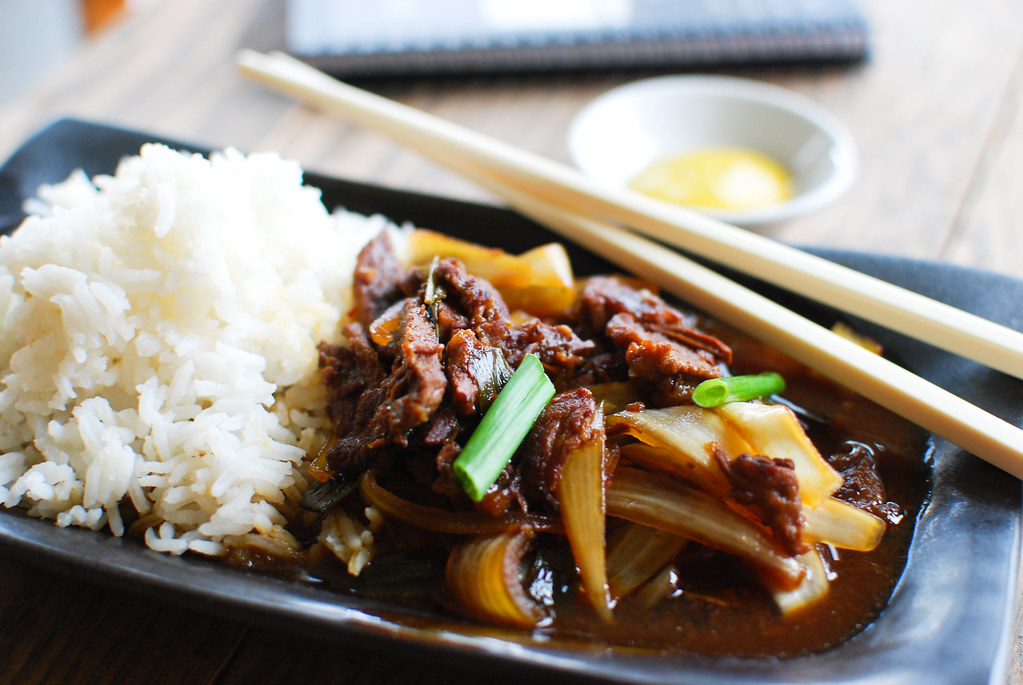
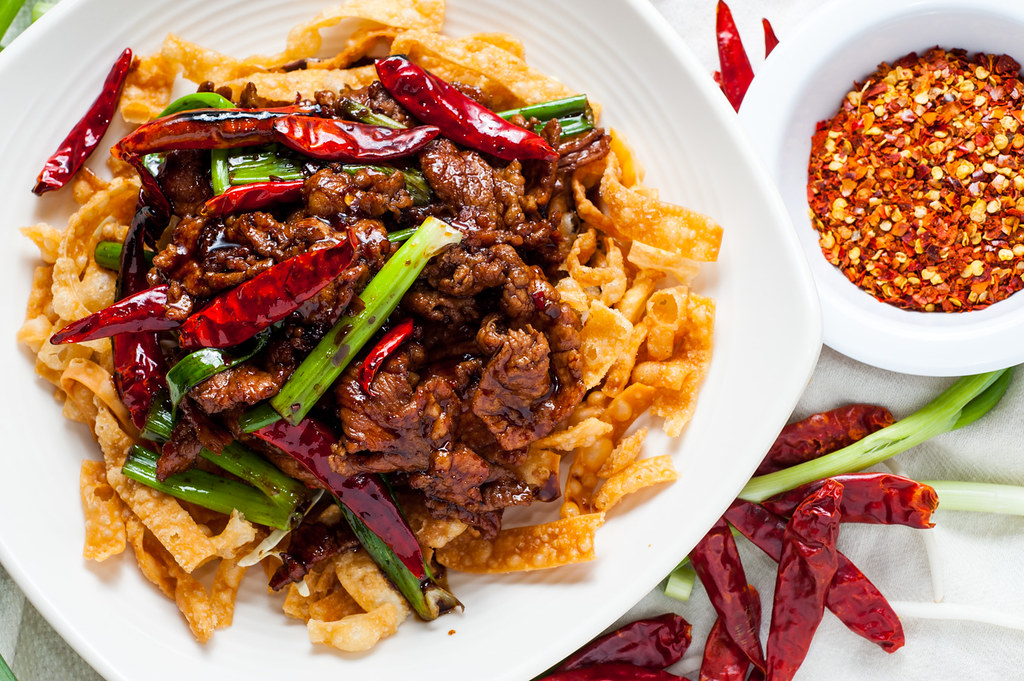
Mongolian beef is the takeout favorite that is even better made at home: thin slices of flank steak, coated in a whisper of cornstarch and seared until the edges crisp, then tossed in a glossy, sweet-savory sauce of soy, brown sugar, garlic, and ginger, with green onions stirred in at the very end. It is bold, a little sticky, and dangerously easy to eat — and it comes together in 30 minutes.
Despite the name, Mongolian beef is not actually from Mongolia — it is a Chinese-American restaurant classic, popularized by P.F. Chang’s. The secret is the cornstarch coating: it protects the beef from the hot pan and thickens the sauce into that shiny glaze that clings to every slice. Serve it over steamed rice and dinner is done.
Prep Time: 15 minutes | Cook Time: 15 minutes | Total Time: 30 minutes | Servings: 4
Why You’ll Love This Mongolian Beef
- Ready in 30 minutes: Faster than takeout, and you control the sweetness and salt.
- Crispy-edged beef: The cornstarch coating gives the steak a light crust and keeps it tender inside.
- That glossy sauce: Soy, brown sugar, garlic, and ginger reduce into a sticky glaze that coats every piece.
- Simple ingredients: Everything comes from the pantry — no specialty shopping needed.
- Kid-friendly: Sweet and savory without heat, so the whole family can enjoy it.
- Perfect over rice: The sauce is made for spooning over steamed rice or noodles.
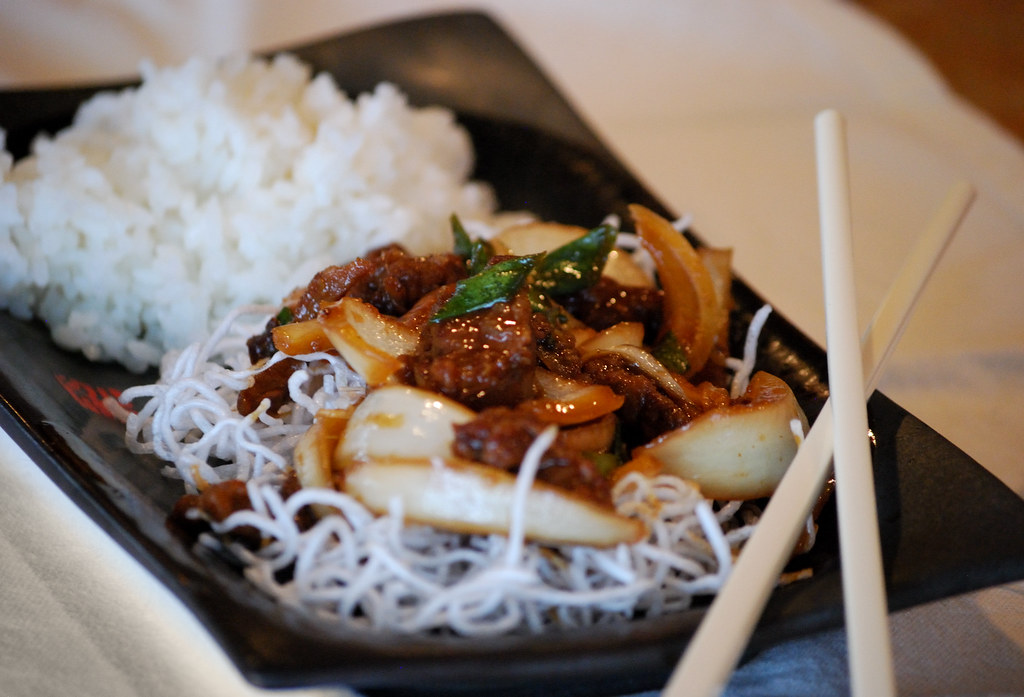
Ingredients You’ll Need
- 1 lb (450 g) flank steak, thinly sliced against the grain: Flank is the classic cut — lean, beefy, and perfect for fast stir-frying. Sirloin works too.
- 1/4 cup cornstarch: Coats the beef for a light crisp crust and thickens the sauce.
- 2 tablespoons vegetable oil: For searing the beef in a hot wok or skillet.
- 4 cloves garlic, minced: The aromatic backbone of the sauce.
- 1 tablespoon fresh ginger, minced: Warm, peppery freshness that balances the sweet sauce.
- 1/2 cup low-sodium soy sauce: The salty, savory base of the glaze.
- 1/2 cup water: Loosens the sauce so it coats evenly.
- 1/2 cup brown sugar, packed: Gives the sauce its signature sweetness and helps it caramelize.
- 1 tablespoon rice vinegar: A touch of acidity to balance the sugar.
- 1 teaspoon sesame oil: Added at the end for a nutty, aromatic finish.
- 1/2 teaspoon red pepper flakes: Optional, for a gentle warmth.
- 4 green onions, cut into 1-inch pieces: Stirred in at the end so they stay bright and crisp.
- Sesame seeds, for garnish: Optional, for a little crunch and a finished look.
Equipment You’ll Need
- Large wok or 12-inch skillet
- Mixing bowls
- Tongs or a spatula
- Sharp knife and cutting board
How to Make Mongolian Beef
- Slice the beef: Slice the flank steak as thinly as you can, against the grain. If the steak is very fresh and hard to slice, pop it in the freezer for 20 minutes first to firm it up.
- Coat in cornstarch: Toss the sliced beef with the cornstarch in a bowl until every piece is evenly coated. Shake off any excess — you want a thin, even dusting, not a thick batter.
- Mix the sauce: In a small bowl, whisk together the soy sauce, water, brown sugar, and rice vinegar until the sugar dissolves. Set aside.
- Sear the beef: Heat the vegetable oil in a large wok or skillet over high heat until it shimmers. Add the beef in a single layer — work in two batches if needed — and sear for 1 to 2 minutes per side, until browned and lightly crisped at the edges. Remove to a plate.
- Bloom the aromatics: Reduce the heat to medium. Add the garlic, ginger, and red pepper flakes (if using) to the same pan and cook for 30 seconds, stirring constantly, until fragrant. Do not let the garlic burn.
- Add the sauce: Pour in the sauce mixture and bring it to a simmer, scraping up any browned bits from the bottom of the pan. Let it bubble for 1 to 2 minutes, until it thickens into a glossy glaze.
- Combine: Return the seared beef to the pan and toss to coat every piece in the sauce. Cook for 1 more minute so the beef heats through and the glaze clings.
- Finish with green onions: Stir in the green onions and sesame oil, toss once more, and remove from the heat immediately so the onions stay bright and crisp.
- Serve: Spoon the Mongolian beef over steamed rice or noodles, sprinkle with sesame seeds, and serve hot.
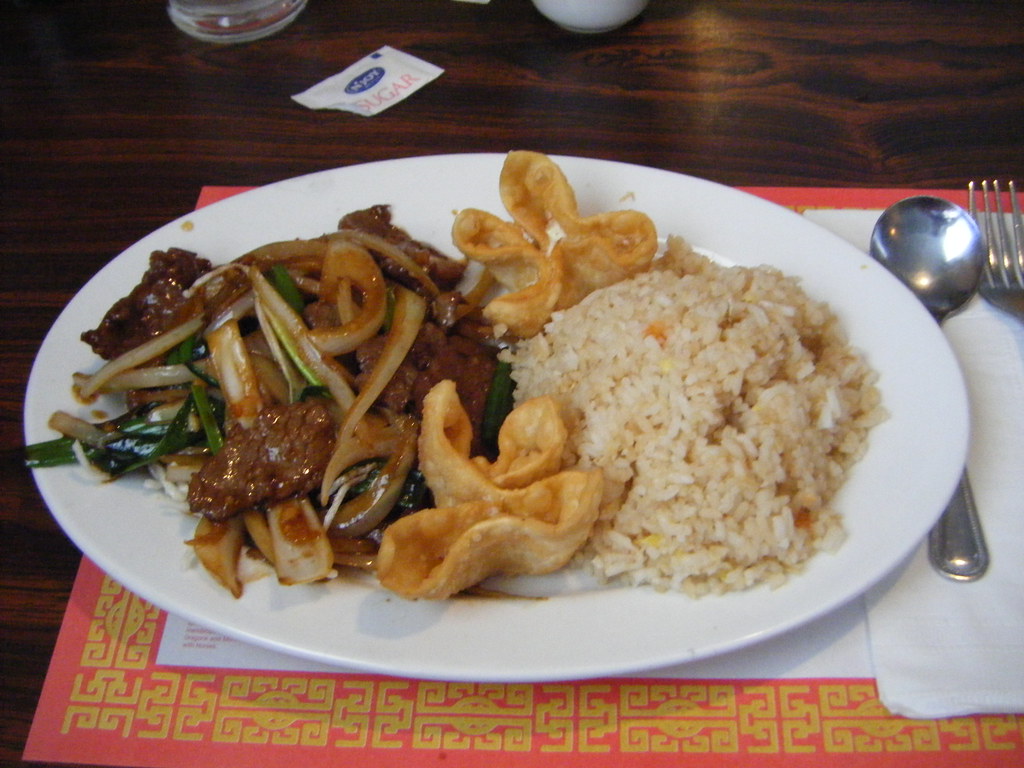
Tips for the Perfect Mongolian Beef
- Slice against the grain: Look for the lines running through the flank steak and cut across them — this keeps the beef tender instead of chewy.
- High heat is essential: The wok should be screaming hot so the beef sears instead of steaming. If the pan is not hot enough, the cornstarch coating turns gummy.
- Do not crowd the pan: Cook the beef in batches. Crowding drops the temperature and you lose the crisp edges.
- Do not overcook the beef: Thin slices need only 1 to 2 minutes per side. They finish cooking when they go back into the sauce.
- Adjust the sweetness: If you prefer it less sweet, use 1/3 cup of brown sugar instead of 1/2 cup and add an extra tablespoon of soy sauce.
Easy Variations to Try
- Spicy Mongolian beef: Add 1 tablespoon of chili garlic sauce or a teaspoon of sriracha to the sauce for real heat.
- With broccoli: Add 2 cups of broccoli florets to the pan after the aromatics and stir-fry for 2 minutes before adding the sauce.
- With bell peppers and onions: Stir-fry sliced peppers and onions for 3 minutes before the beef for a more colorful dish.
- Chicken version: Swap the beef for thinly sliced chicken breast or thigh — same coating, same sauce, same cook time.
- Low-sugar version: Replace half the brown sugar with a sugar-free sweetener and add a splash more rice vinegar.
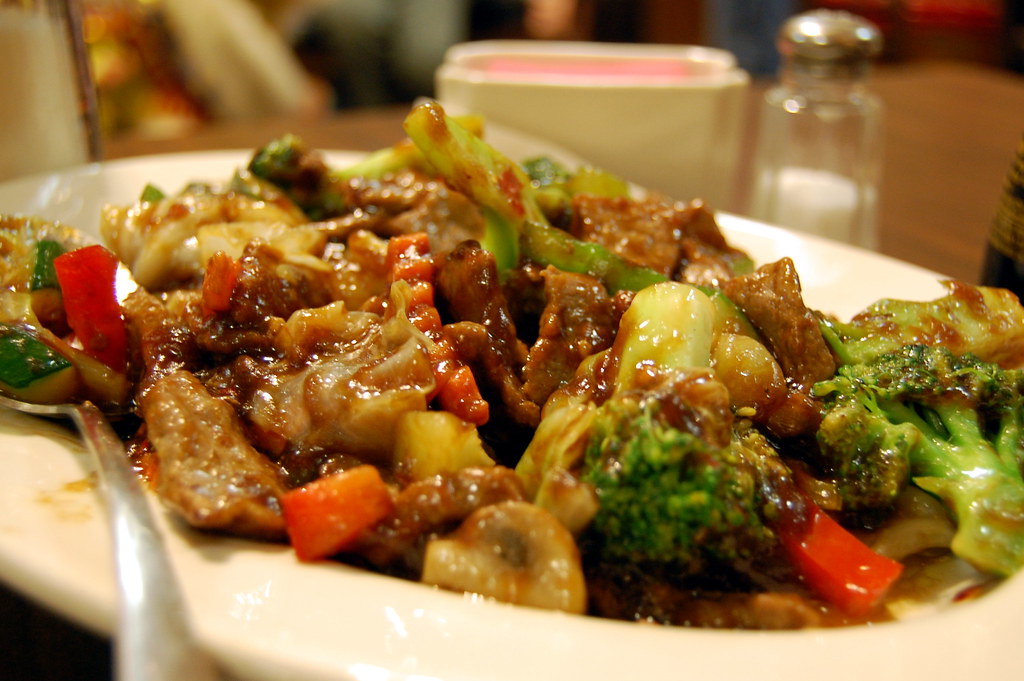
What to Serve With Mongolian Beef
- Steamed jasmine rice: The classic pairing — the sauce soaks right in.
- Fried rice: Turn it into a full takeout-style feast.
- Noodles: Lo mein or rice noodles tossed in a little sesame oil.
- Steamed broccoli: A simple green vegetable balances the sweet sauce.
- Cucumber salad: Cool, crunchy, and refreshing alongside the rich beef.
Make Ahead and Storage
- Make ahead: Slice the beef and mix the sauce up to a day in advance; keep both covered in the refrigerator.
- Refrigerator: Store leftovers in an airtight container for up to 4 days.
- Freezer: Freeze the cooked beef and sauce for up to 2 months; thaw overnight in the refrigerator.
- Reheating: Warm gently in a skillet over medium heat with a splash of water to loosen the sauce. Add fresh green onions after reheating for the best texture.
Frequently Asked Questions
Is Mongolian beef actually from Mongolia?
No — it is a Chinese-American restaurant dish, made famous by P.F. Chang’s. Traditional Mongolian cuisine is quite different. The name is a bit of a mystery, but the dish itself is a takeout classic.
What cut of beef is best?
Flank steak is the classic choice because it is lean, flavorful, and easy to slice thin against the grain. Sirloin or skirt steak also work well. Avoid stewing cuts like chuck, which need long cooking.
Can I make it less sweet?
Yes. Reduce the brown sugar to 1/3 cup and add an extra tablespoon of soy sauce and a splash more rice vinegar. The sauce will be more savory and less candy-like.
Why is my beef chewy?
It was probably sliced with the grain, or overcooked. Always slice against the grain, keep the slices thin, and sear quickly on very high heat — 1 to 2 minutes per side is enough.
Can I use a regular skillet instead of a wok?
Absolutely. A large cast-iron or stainless steel skillet works great — just make sure it is very hot and cook the beef in batches so it sears.
Is there a gluten-free version?
Yes. Use tamari or gluten-free soy sauce in place of regular soy sauce, and swap the cornstarch for potato starch or arrowroot. The result is nearly identical.
Can I add vegetables?
Yes — broccoli, bell peppers, snap peas, and onions are all great additions. Stir-fry them before the beef, set them aside, and toss them back in with the sauce at the end.
Nutrition (Estimated)
Per serving (without rice): approximately 390 calories, 32 g protein, 30 g carbohydrates, 15 g fat, 1 g fiber, 24 g sugar, 1150 mg sodium. Values are approximate and will vary with the exact ingredients used.
