
Minimalist living rooms are often photographed as cold, empty spaces, but the best ones feel warm, calm, and deeply comfortable. The secret is not owning less for its own sake: it is choosing fewer, better pieces, letting natural materials and soft light do the work, and keeping only what you truly use and love. These twenty ideas show how to keep a minimalist living room warm, personal, and easy to live in.
Warm Minimalism Starts With Intention
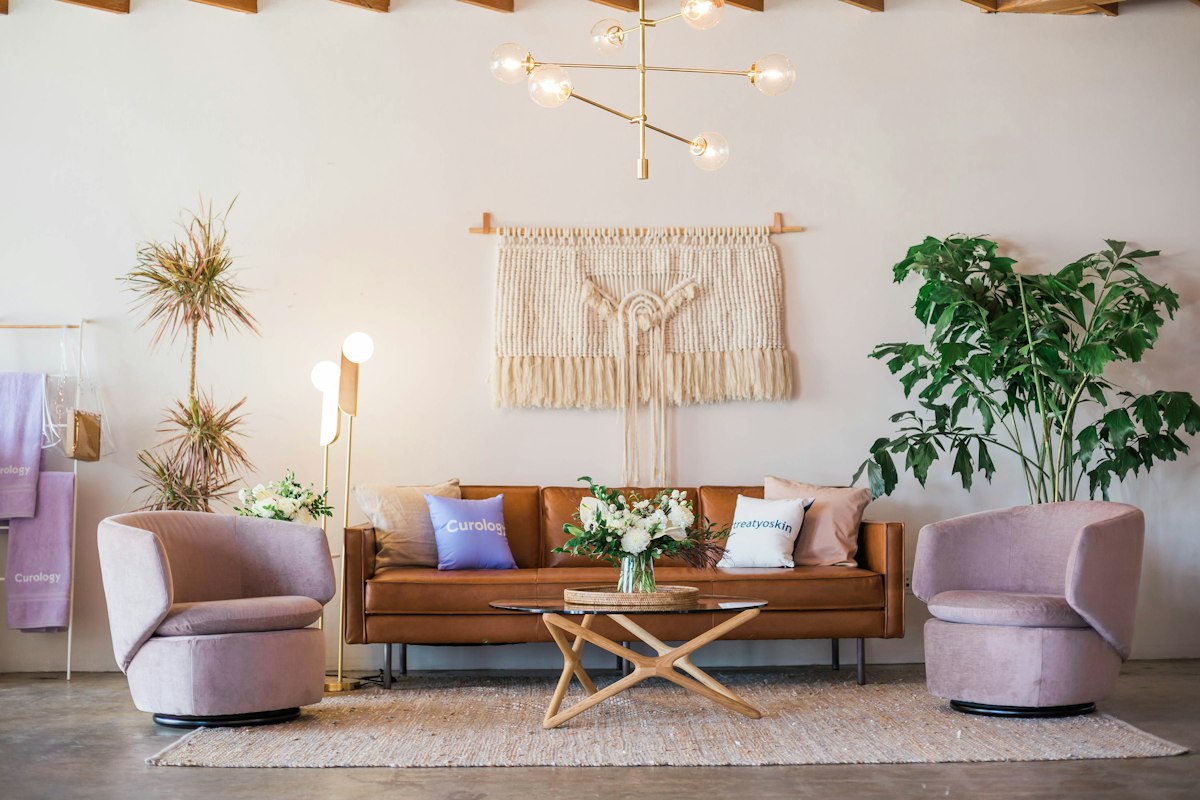
1. Keep only what you use or love. Warm minimalism begins with a simple question for every object: do I use this, or do I love looking at it? If the answer is no, it probably belongs elsewhere. A room with fewer, meaningful pieces feels calmer than a room full of things you ignore.
2. Choose quality over quantity. One well-made sofa, one solid coffee table, and one good lamp will serve you better, and look better, than several cheaper pieces competing for attention. When you buy less often, you can choose pieces with better materials and a shape you will love for years.
- Remove one item from the room each week until it feels calm.
- Keep a donation box nearby so letting go is easy.
- Before buying, wait a few days to see if you still want it.
A Warm, Quiet Color Palette
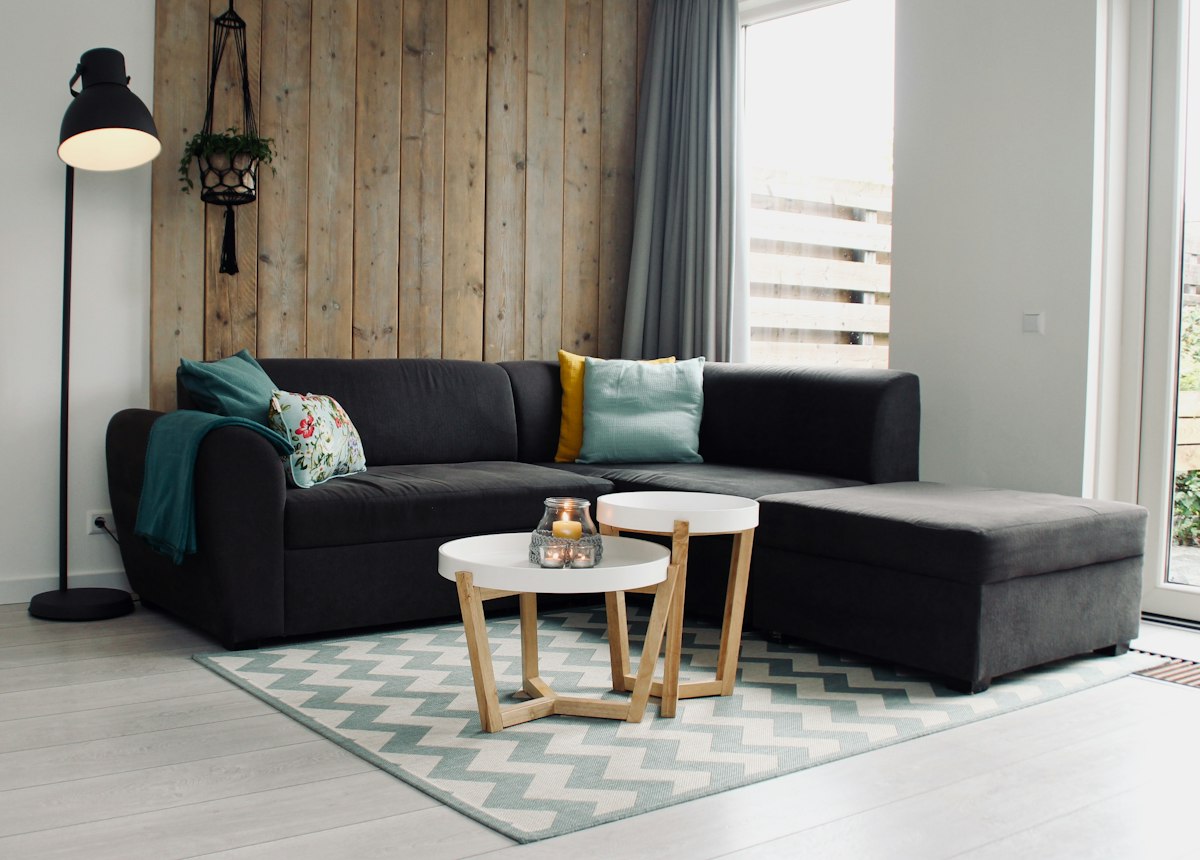
3. Use warm neutrals instead of cold grays. Cream, warm white, soft beige, and pale wood tones make a minimalist room feel welcoming. Cool gray walls and floors can look sleek in a photo but chilly in real life, especially in the evening.
4. Add one soft accent color. A muted sage, a dusty blue, or a warm clay tone used in cushions, a throw, or a single piece of art gives the room personality without breaking its calm. Repeat that color twice so it feels deliberate rather than accidental.
- Test neutrals in daylight and lamplight before committing.
- Keep the palette to three colors plus natural wood.
- Let the accent color appear in the smallest items, not the largest.
Natural Materials Bring Warmth
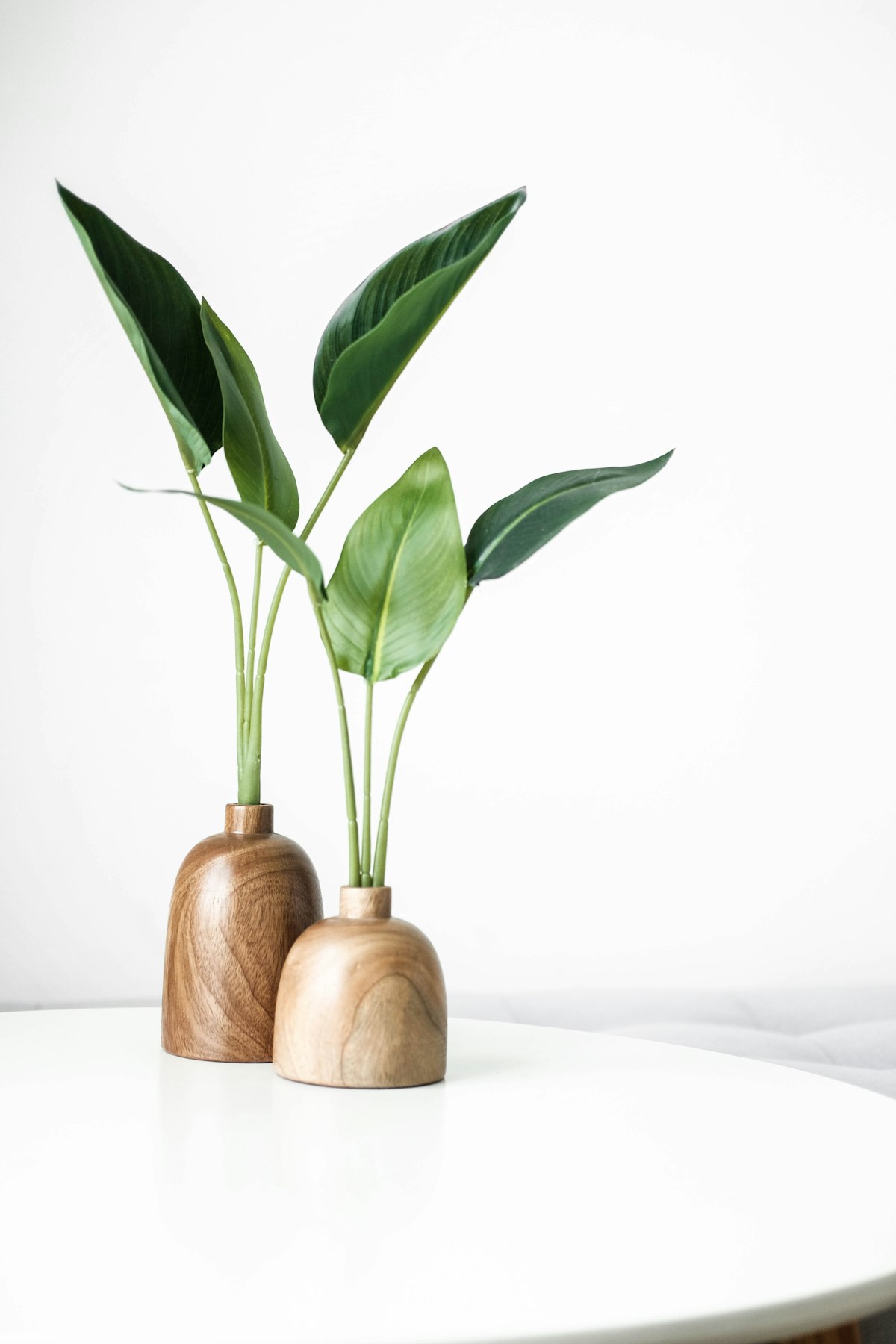
5. Let wood be the warmest thing in the room. A light oak coffee table, a walnut side table, or warm wood floors add the warmth that plain white walls cannot. Wood grain gives a minimalist room texture and life without adding clutter.
6. Mix in linen, wool, and leather. Natural fabrics soften hard lines and make a room feel touchable. A linen cushion, a wool throw, and a leather chair arm each add a different texture, and together they keep a simple room from feeling flat or cold.
When you are unsure which texture to add, touch the room as you walk through it: the arm of the sofa, the throw on the chair, the rug under your feet. If everything feels smooth and hard, add something soft. If everything feels soft, a leather or wood surface will bring the balance back.
- Choose materials that age well and develop character.
- Use matte finishes rather than shiny ones for a calm look.
- Repeat one wood tone across the room for cohesion.
Fewer Pieces, Better Shapes
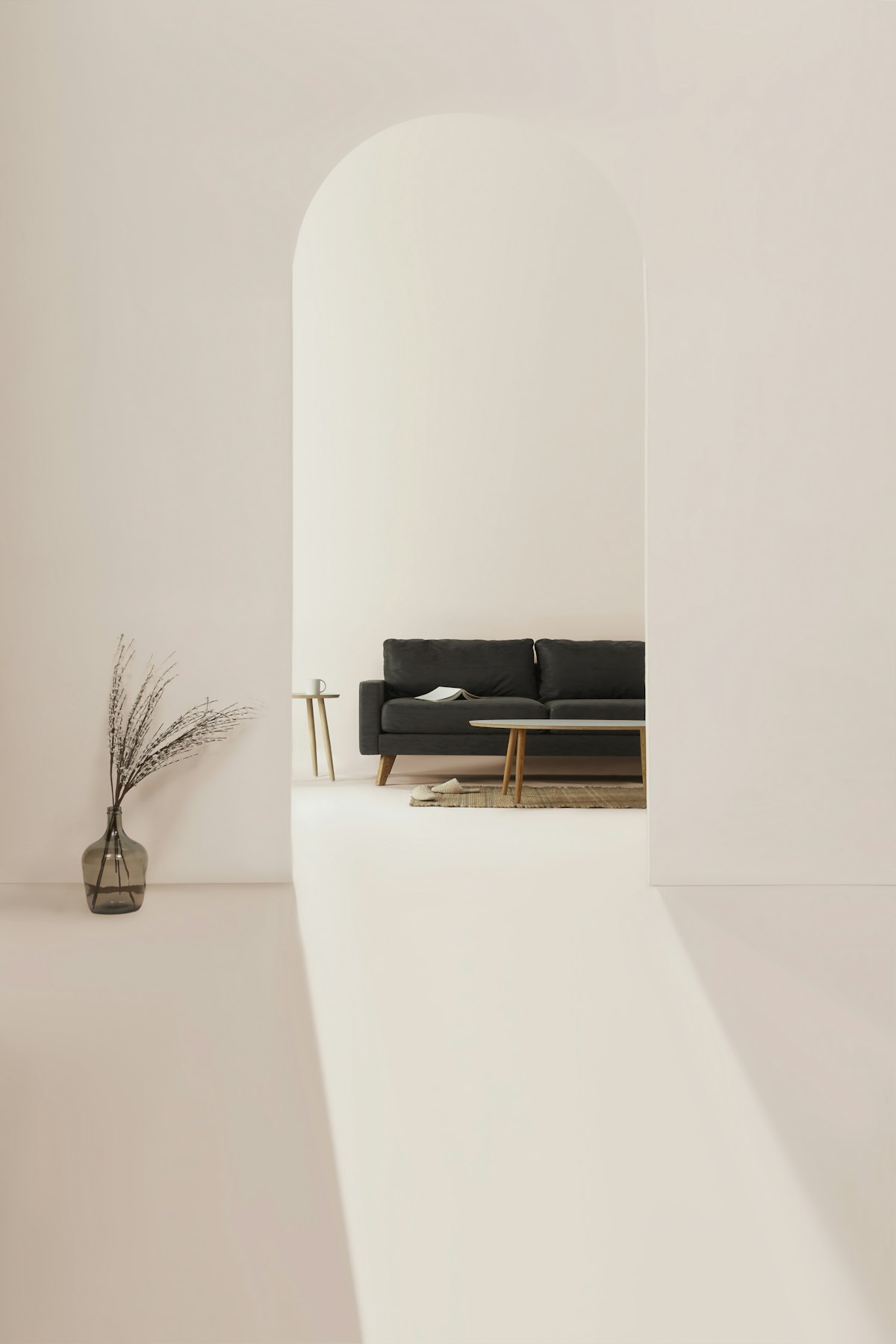
7. Give each piece room to breathe. A sofa with space around it, a coffee table with a clear surface, and a chair that is not crowded by other furniture all look more expensive and more intentional. Empty space is part of the design, not a gap waiting to be filled.
8. Choose furniture with clean, simple lines. Straight legs, a low profile, and a simple silhouette suit minimalist rooms and are easier to live with than ornate shapes. Simple furniture also lets the materials, the light, and one beautiful object do the talking.
- Measure walkways so the room feels open, not just looks open.
- Choose a sofa with a low back to keep sightlines clear.
- Avoid furniture with fussy details you will tire of quickly.
Soft Textiles in a Simple Room

9. Use textiles to soften the room. A large, soft rug, two or three cushions, and one throw are enough to make a minimalist living room feel cozy. Choose plain or subtly textured fabrics in your palette, and let their softness contrast with the hard lines of the furniture.
10. Layer textures, not patterns. In a minimalist room, texture replaces pattern. A nubby wool throw, a smooth linen cushion, and a soft cotton rug create interest without visual noise, and the room stays calm while feeling rich to the touch.
- Choose a rug large enough for the front legs of all seating.
- Fold a throw neatly over a sofa arm rather than leaving it in a pile.
- Wash and fluff textiles regularly so they stay inviting.
Light: The Warmest Minimalist Tool
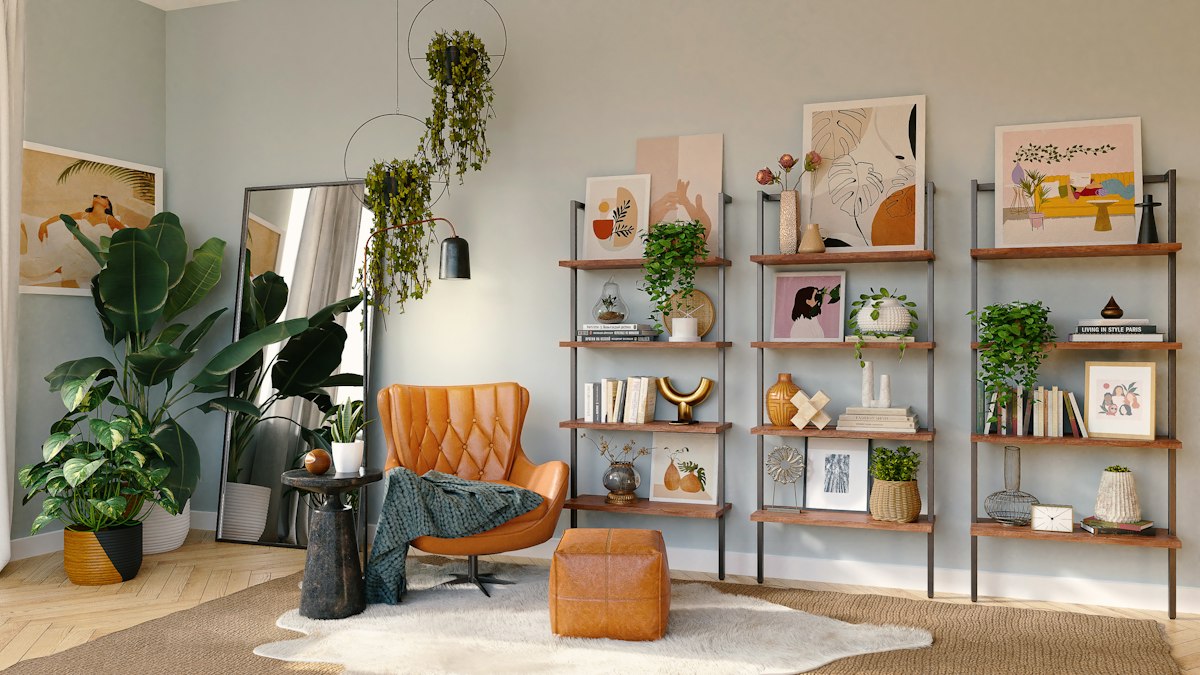
11. Maximize natural light. Keep windows clear of heavy curtains, place a mirror to reflect daylight, and avoid tall furniture that blocks the light. A bright room needs less decoration, because the light itself becomes part of the design.
12. Layer warm lamps for the evening. A floor lamp beside the sofa and a small table lamp on a side table create a soft, warm glow that a single ceiling light cannot match. Warm-toned bulbs make wood, linen, and skin tones look their best after dark.
Keep lamp shades simple and pale so they glow gently rather than throwing harsh light. A lamp that is slightly too dim is usually more pleasant than one that is too bright, and you can always add a candle on the coffee table for a little extra warmth on a quiet evening.
- Use sheer or light curtains that filter light without blocking it.
- Place lamps at different heights for a natural glow.
- Turn off the ceiling light in the evening and use lamps instead.
Storage That Hides the Clutter
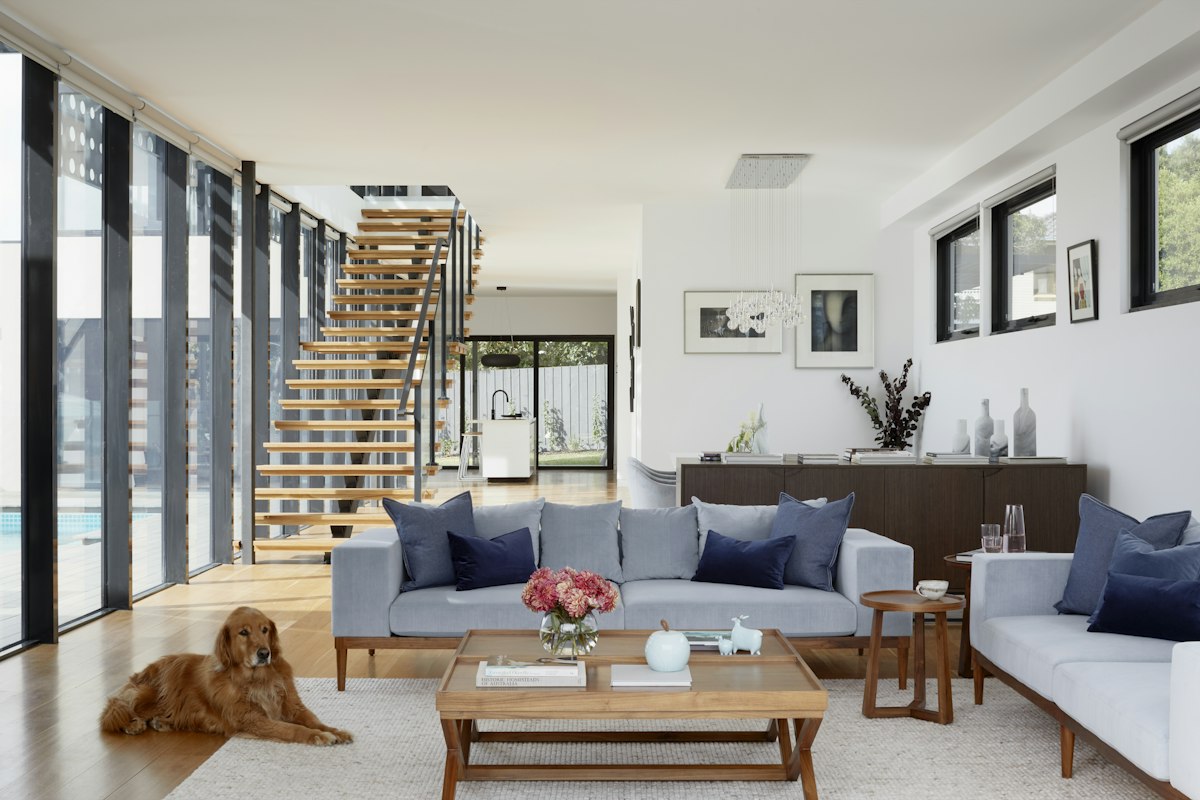
13. Give everything a hidden home. Minimalist rooms stay calm because clutter has somewhere to go. A low cabinet, a storage ottoman, or a simple console with drawers keeps remotes, chargers, books, and toys out of sight while the room looks serene.
14. Use closed storage, not open shelves, for everyday things. Open shelves look beautiful with a few objects, but they collect dust and visual noise when they hold everyday items. Keep the things you use daily behind a door, and reserve open shelves for the few pieces you love to see.
- Empty one drawer a month to stop clutter rebuilding.
- Use a basket inside a cabinet for small loose items.
- Keep the top of closed storage clear or nearly clear.
One Beautiful Focal Point
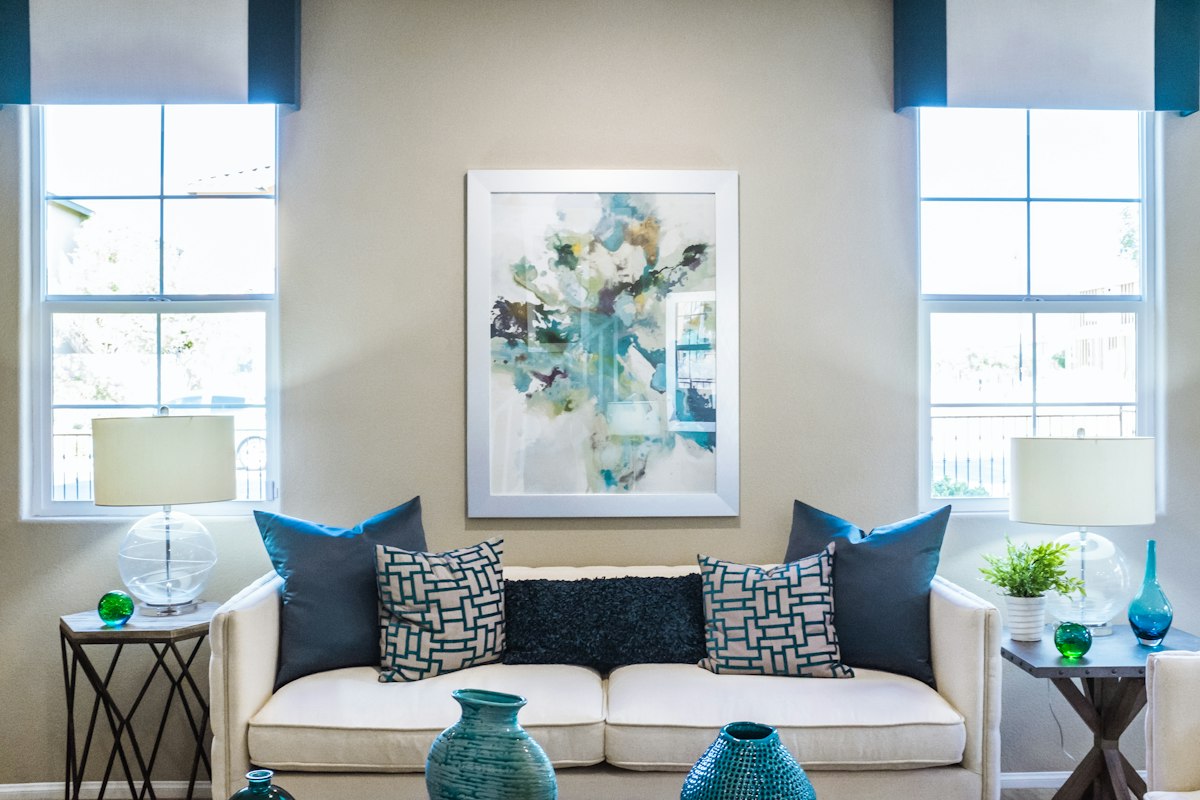
15. Choose one thing to look at. A large piece of art, a sculptural lamp, a beautiful plant, or a simple fireplace can anchor a minimalist room. One strong focal point gives the eye somewhere to rest and stops the room feeling empty.
16. Let negative space frame the focal point. Empty wall around a piece of art, or an empty surface beside a vase, makes that object feel more important. The space around a beautiful thing is what lets you notice it.
Resist the urge to fill the empty space beside a focal point with a small object just because the space is there. That breathing room is doing real work: it guides your eye, calms the wall, and makes the whole room feel more considered and more expensive than a crowded arrangement.
- Hang art at eye level when seated.
- Choose art you love, not art that simply matches the sofa.
- If the focal point is a window, keep the view clear.
Plants and Personal Touches
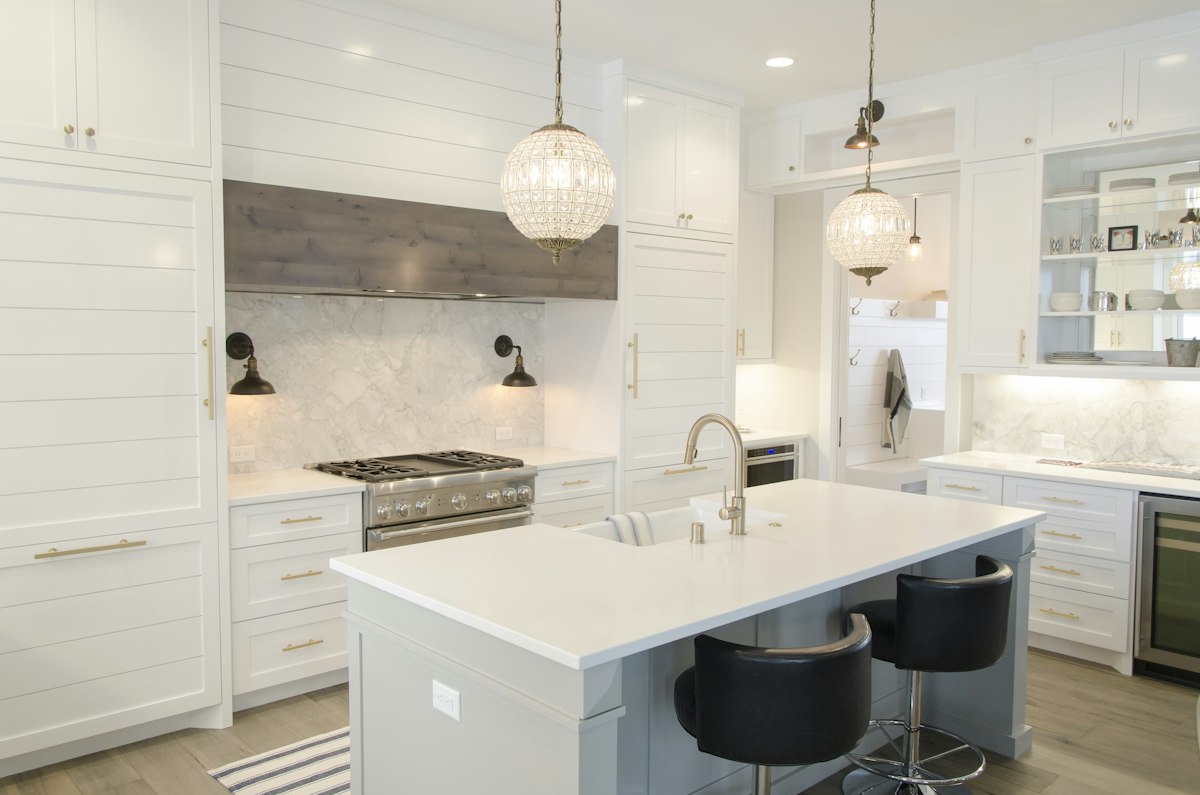
17. Add one or two plants, not a jungle. A single tall plant in a corner or a small plant on a coffee table adds life, softness, and a touch of green to a minimalist room. One healthy plant makes more impact than several struggling ones crowded together.
18. Keep personal touches few and meaningful. A framed photo, a handmade bowl, or a stack of favorite books is enough to make a minimalist room feel like yours. Choose the pieces that mean the most, give them a clear spot, and let them stand out instead of competing with a crowd.
- Choose a plant that suits your light and your routine.
- Rotate one personal object with the seasons to keep the room fresh.
- Group personal items in one place rather than scattering them.
Living With Minimalism Every Day
19. Build a simple daily reset. A minimalist room stays warm and calm when it is easy to tidy. A five-minute evening reset, putting cushions straight, folding the throw, and clearing the coffee table, keeps the room feeling finished without a big cleaning effort.
20. Let the room evolve slowly. Warm minimalism is not a one-time purge, it is a habit of choosing carefully. When something new comes in, let something else go. Over time the room becomes a collection of pieces you truly love, and that is what makes it feel warm rather than empty.
- Keep a small tray on the coffee table for the few things that live there.
- Do a short seasonal review of what you still use and love.
- Enjoy the calm: a quiet room is a feature, not a flaw.
A minimalist living room feels warm when it is built from warm materials, soft light, and pieces chosen with care. Keep the palette quiet, let wood and linen do the work, hide the clutter, and leave room for one beautiful focal point and a few things you love. The result is a room that is calm to look at, comfortable to live in, and easy to keep that way.
