
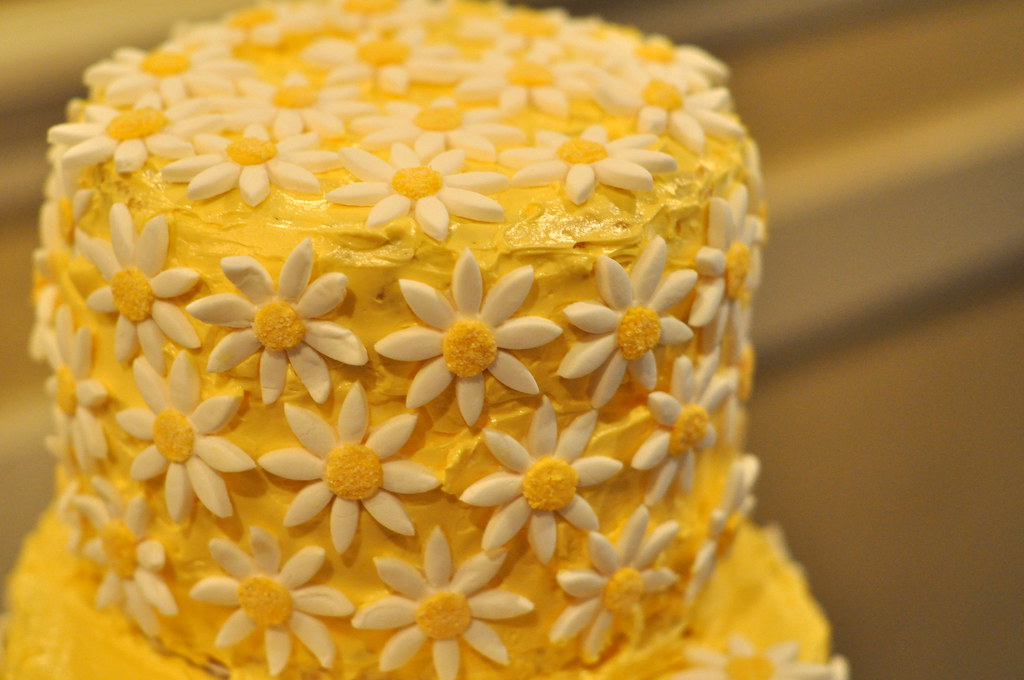
Prep Time: 15 minutes | Total Time: 15 minutes | Yield: about 3 cups — enough to frost 24 cupcakes or a 2-layer 8-inch cake (about 24 servings, 2 tablespoons each)
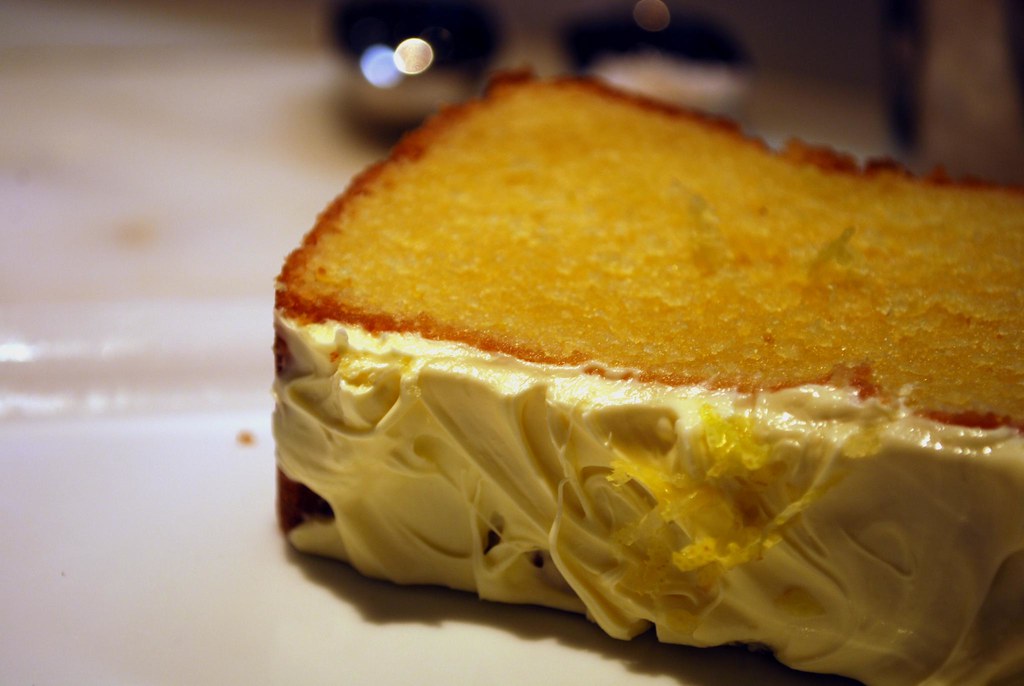
Lemon buttercream is sunshine in frosting form: bright, tangy, and fresh, with real lemon zest and juice in every bite. It is the frosting that makes a plain vanilla cake taste special, turns lemon cupcakes into a bakery favorite, and cuts through the richness of white chocolate and berry cakes. Like all good buttercreams, it takes just fifteen minutes — the only skill involved is zesting the lemon before you juice it, and knowing how much juice is enough (too much thins the frosting, too little leaves it tasting plain).
The flavor comes from two places: zest for the fragrant lemon oil, and juice for the bright tang. Use both, and use fresh lemons — bottled juice tastes flat by comparison. A tiny pinch of salt keeps it from tasting sharp, and a spoonful of cream brings it all together into a silky, spreadable frosting that pipes beautifully.
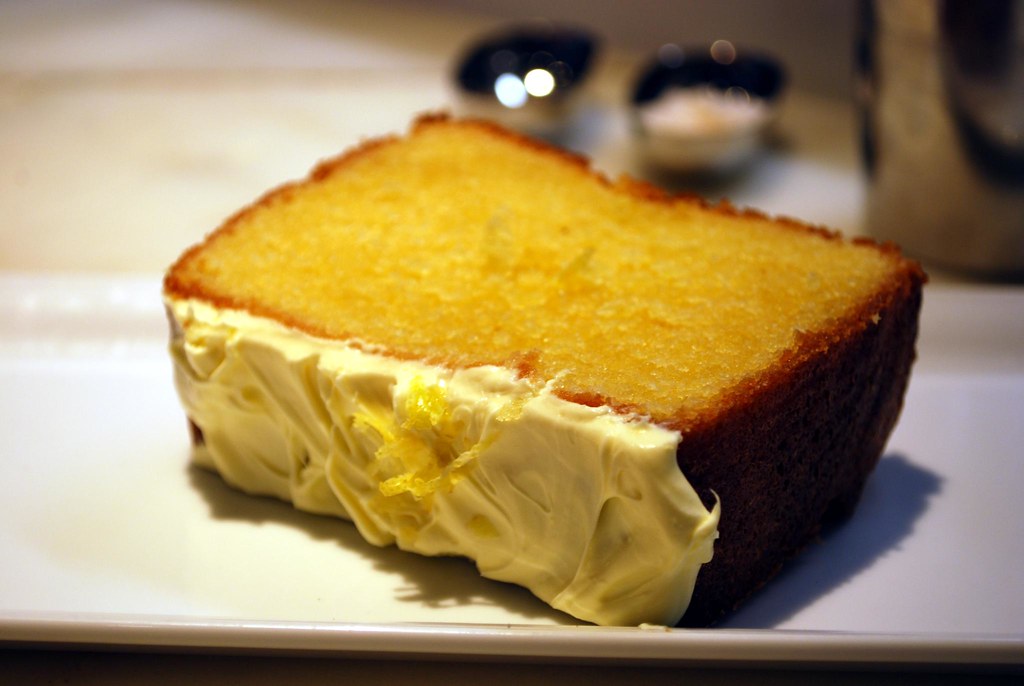
Why You’ll Love This Lemon Buttercream Frosting
- Bright, real lemon flavor from fresh zest and juice — never artificial.
- Ready in 15 minutes with no cooking and only 6 ingredients.
- Perfectly balanced — tangy enough to be interesting, sweet enough to be a frosting.
- Pipes beautifully for swirls, rosettes, and borders.
- A natural partner for lemon, vanilla, blueberry, raspberry, and white chocolate cakes.
- Freezer-friendly — make a double batch and freeze half for the next bake.
Ingredients You’ll Need
- 1 cup (226 g) unsalted butter, softened — soft enough to dent with a finger, but not melted or greasy.
- 4 cups (480 g) powdered sugar, sifted — sifting removes lumps and guarantees a silky texture.
- 3 tablespoons fresh lemon juice — from about 1 1/2 lemons; freshly squeezed tastes far better than bottled.
- 1 tablespoon finely grated lemon zest — from 1–2 lemons; zest before juicing. This is where most of the lemon fragrance lives, so do not skip it.
- 2 teaspoons heavy cream or whole milk — loosens the frosting and adds richness; add more only 1 teaspoon at a time.
- 1/4 teaspoon fine salt — balances the sweetness and softens the sharp edge of the lemon.
- Optional: 1 drop yellow gel food coloring — for a soft sunny color; the frosting is naturally a very pale ivory without it.
Equipment You’ll Need
- Stand mixer with paddle attachment or electric hand mixer
- Microplane or fine grater (for the lemon zest)
- Citrus juicer or reamer
- Fine-mesh sieve (for sifting the powdered sugar)
- Large mixing bowl
- Rubber spatula
- Piping bag and piping tips (optional)
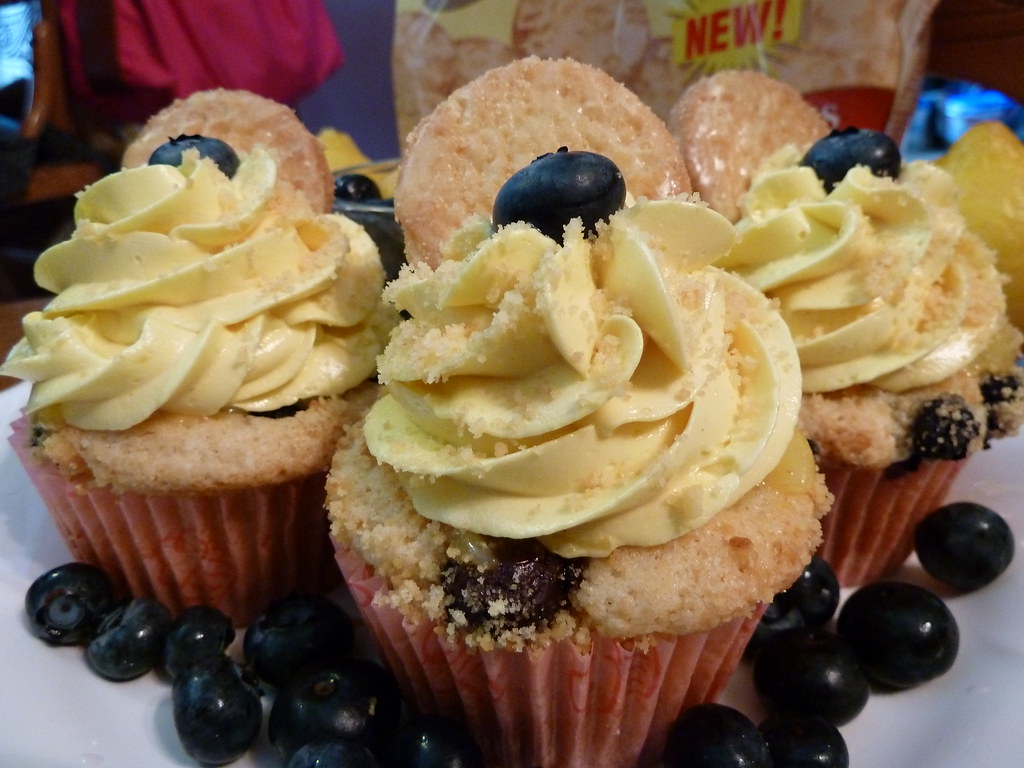
How to Make Lemon Buttercream Frosting
- Zest and juice the lemons. Finely grate the zest from 1–2 lemons first (only the yellow part, not the bitter white pith), then juice them. Measure out 1 tablespoon of zest and 3 tablespoons of juice.
- Whip the butter. Beat the softened butter on medium-high speed for 3–4 minutes, until very pale, creamy, and fluffy. Scrape down the bowl halfway through.
- Beat in the zest. Add the lemon zest and beat on medium speed for 30 seconds, until fragrant and evenly mixed.
- Add the sugar slowly. With the mixer on low, add the sifted powdered sugar about 1 cup at a time, beating just until each addition disappears.
- Add the lemon juice, cream, and salt. Pour in the lemon juice, heavy cream, and salt. Beat on low until combined — the frosting may look slightly loose at first, and that is normal.
- Whip it fluffy. Increase to medium-high speed and beat for 2–3 minutes, until light, smooth, and spreadable, holding a soft peak on the beater.
- Check the consistency. If it is too soft, beat in 2–3 tablespoons more powdered sugar. If it is too stiff, beat in cream 1 teaspoon at a time. Remember: lemon juice thins frosting more than cream does, so add it carefully.
- Color it (optional). For a sunny yellow, beat in 1 drop of yellow gel food coloring until the color is even.
- Use right away. Frost your cake or cupcakes immediately, or cover and keep at room temperature for up to 2 hours, then re-whip briefly.
Tips for the Perfect Lemon Buttercream Frosting
- Zest before you juice. A firm, whole lemon is far easier to zest than a squeezed half.
- Only zest the yellow part. The white pith underneath is bitter and will spoil the flavor.
- Use fresh lemons, not bottled juice. Bottled juice lacks the bright flavor and can taste metallic in frosting.
- Do not add all the juice at once. Add 2 tablespoons first, check the consistency, then add the third only if the frosting is still stiff enough — juice thins buttercream quickly.
- If the frosting tastes too tart, add 2 more tablespoons of powdered sugar or an extra teaspoon of cream; both soften the tang.
- For a smoother finish on cakes, press the frosting against the bowl with a spatula to pop large air bubbles before spreading.
Easy Variations to Try
- Lemon blueberry buttercream: fold in 2 tablespoons of freeze-dried blueberry powder with the sugar for a lavender-blue tint and berry flavor.
- Lemon raspberry buttercream: add 2 tablespoons of freeze-dried raspberry powder — pink, fruity, and beautiful on lemon cake.
- Lemon cream cheese frosting: replace half the butter with 4 oz (113 g) of cold cream cheese for a tangy version; keep it refrigerated.
- Limoncello buttercream: replace 1 tablespoon of lemon juice with 1 tablespoon of limoncello for an adults-only twist.
- Lemon vanilla bean buttercream: add the seeds of 1 vanilla bean with the zest for a fragrant, speckled frosting.
- Orange or lime buttercream: use the same recipe with orange or lime zest and juice — the method is identical.
What to Use It On
- Cakes: lemon cake, vanilla cake, blueberry cake, raspberry cake, and white chocolate cake.
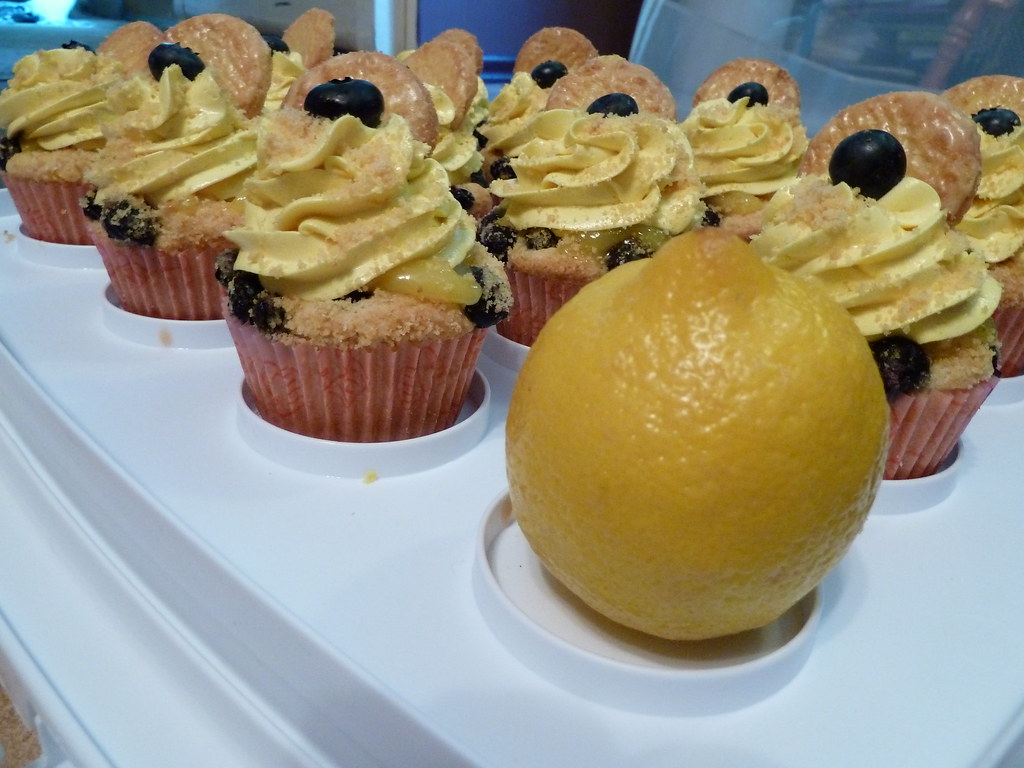
- Cupcakes: pipe sunny swirls on lemon, vanilla, or blueberry cupcakes and top with a candied lemon slice or fresh berries.
- Cookies: spread on lemon sugar cookies or sandwich between two shortbread cookies.
- Scones and muffins: a thin layer on lemon scones or blueberry muffins makes them bakery-worthy.
- Angel food and pound cake: a light, tangy frosting is the perfect match for these simple cakes.
Make Ahead and Storage
- Room temperature: up to 2 hours, covered, before using.
- Refrigerator: store in an airtight container for up to 1 week. Let it come to room temperature (about 1 hour), then re-whip for 2 minutes until fluffy. The lemon flavor stays bright for about 3 days and mellows after that.
- Freezer: freeze in a zip-top bag or airtight container for up to 3 months. Thaw overnight in the refrigerator, bring to room temperature, and re-whip. Add a little extra fresh zest after thawing to wake the flavor back up.
- Frosted cakes: keep at room temperature for up to 2 days under a cake dome, or refrigerated for up to 5 days. Bring to room temperature before serving.
Frequently Asked Questions
Can I use bottled lemon juice?
You can, but fresh juice tastes noticeably better. If you must use bottled, add an extra 1/2 teaspoon of zest to make up for the missing fresh flavor.
Why is my lemon buttercream runny?
Too much lemon juice is the usual cause. Beat in powdered sugar 2 tablespoons at a time until it thickens, and chill the bowl for 15 minutes if the butter has gotten warm.
Will the lemon juice curdle the butter?
No — the small amount of acid is fine in buttercream. If the frosting looks slightly separated right after adding the juice, keep beating and it will come together.
Can I make it without a mixer?
Yes. Use a large bowl and a wooden spoon, with very soft butter. Beat vigorously for about 5 minutes; the texture will be a little denser but still delicious.
How do I get a stronger yellow color?
Add 1 drop of yellow gel food coloring at a time. A single drop gives a soft sunny tint; two drops give a stronger lemon yellow. Avoid liquid coloring, which thins the frosting.
Can I use Meyer lemons?
Yes — Meyer lemons are sweeter and more floral, so the frosting will be a little less tangy. Use the same quantities and taste before adding extra sugar.
Does lemon buttercream need to be refrigerated on a cake?
No, for up to 2 days at cool room temperature it is fine. In hot weather (above 75°F / 24°C), refrigerate the frosted cake so the butter does not soften.
Can I freeze it?
Yes, for up to 3 months. Thaw overnight in the fridge, bring to room temperature, and re-whip. Stir in a little fresh zest after thawing to refresh the flavor.
Nutrition (Estimated)
Per serving (2 tablespoons, 1 of 24 servings): about 170 calories, 10 g fat (6 g saturated fat), 25 mg cholesterol, 30 mg sodium, 22 g carbohydrates, 0 g fiber, 21 g sugar, 0 g protein. Values are approximate and will vary with the exact brands and quantities used.
