
A large living room should feel generous, not empty. With the right zones, scaled-up furniture, layered light, and warm textiles, you can fill the space without filling it with clutter, and create a room your whole family actually loves to use.
1. Define Zones Before You Buy Anything
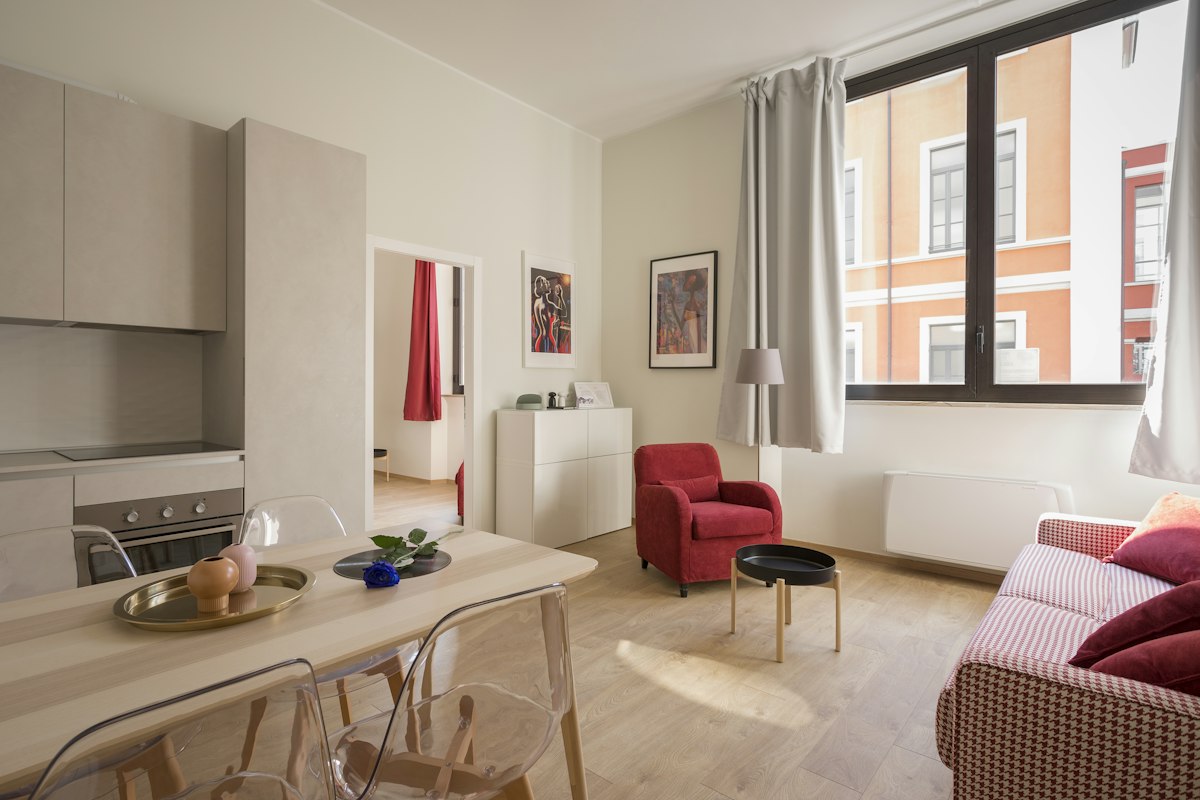
A large living room feels empty when it has no clear purpose, so start by mapping zones on paper. Sketch where conversation, reading, watching, and playing will happen, and leave clear walkways between them. Even a rough plan stops you from pushing all the furniture against the walls, which is the most common mistake in a big room.
Each zone needs its own anchor. A rug defines the main seating area, a small table and lamp define a reading corner, and a console or shelf can mark the edge of a work or play area. When every zone has a job, the room feels full and intentional rather than vast and echoing.
Take a photo of the empty room and draw your zones on it. Seeing the plan on a photo makes it easier to spot a zone that is too small, a walkway that is too tight, or a corner you have forgotten.
- Measure the room and sketch zones before shopping.
- Leave walkways at least wide enough to pass comfortably.
- Give every zone one clear purpose.
2. Float the Sofa and Build a Conversation Area
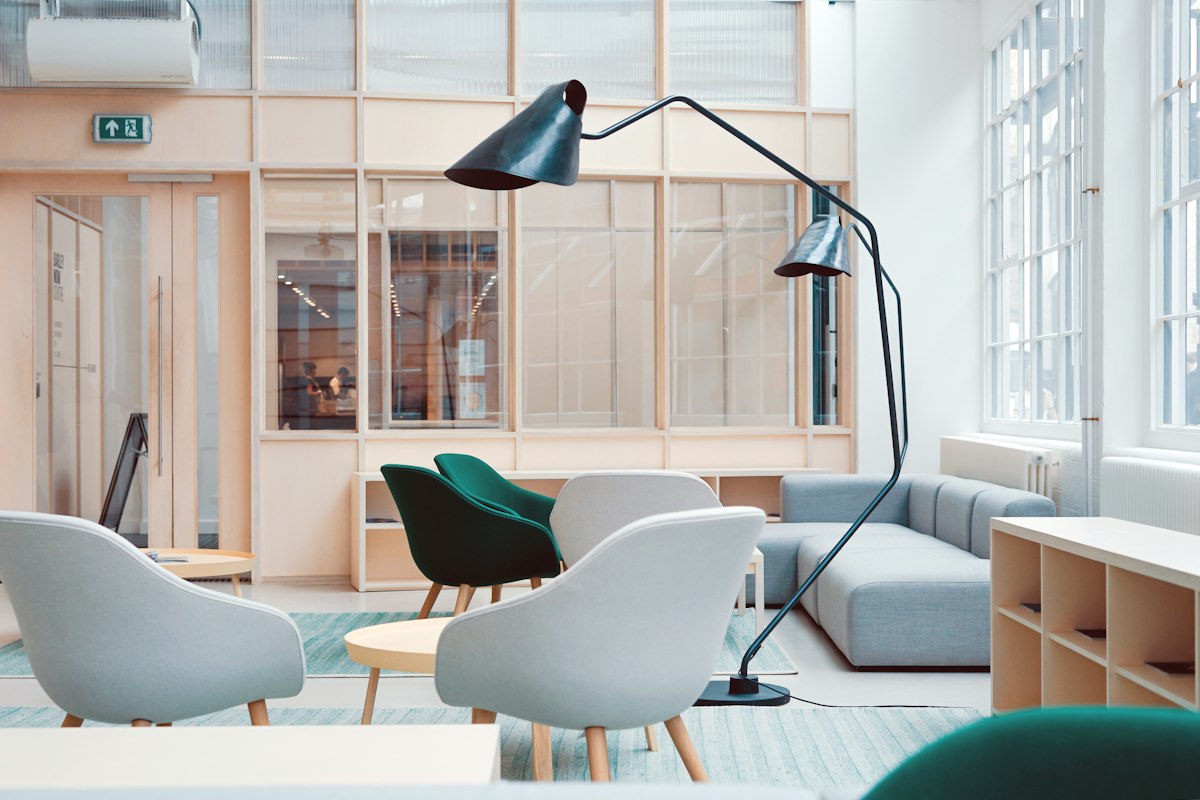
In a large room, the sofa does not have to touch a wall. Floating it in the middle of the room, facing a pair of chairs, creates a cosy conversation area and leaves space behind it for a console table, a reading chair, or a walkway. The room instantly feels designed rather than accidental.
Keep the conversation group tight. Seats should be close enough to talk without raising your voice, with a coffee table within easy reach of every seat. A large rug underneath ties the group together and stops the furniture from looking as if it is drifting in open space.
Try the floating arrangement for a week before you buy anything new. Move the sofa, add a rug, and live with the layout, because a layout that feels awkward on day one may feel natural once you have used it.
- Place seats close enough for easy conversation.
- Add a console table behind a floating sofa.
- Anchor the group with a rug that fits all front legs.
3. Scale Up the Sofa and Coffee Table
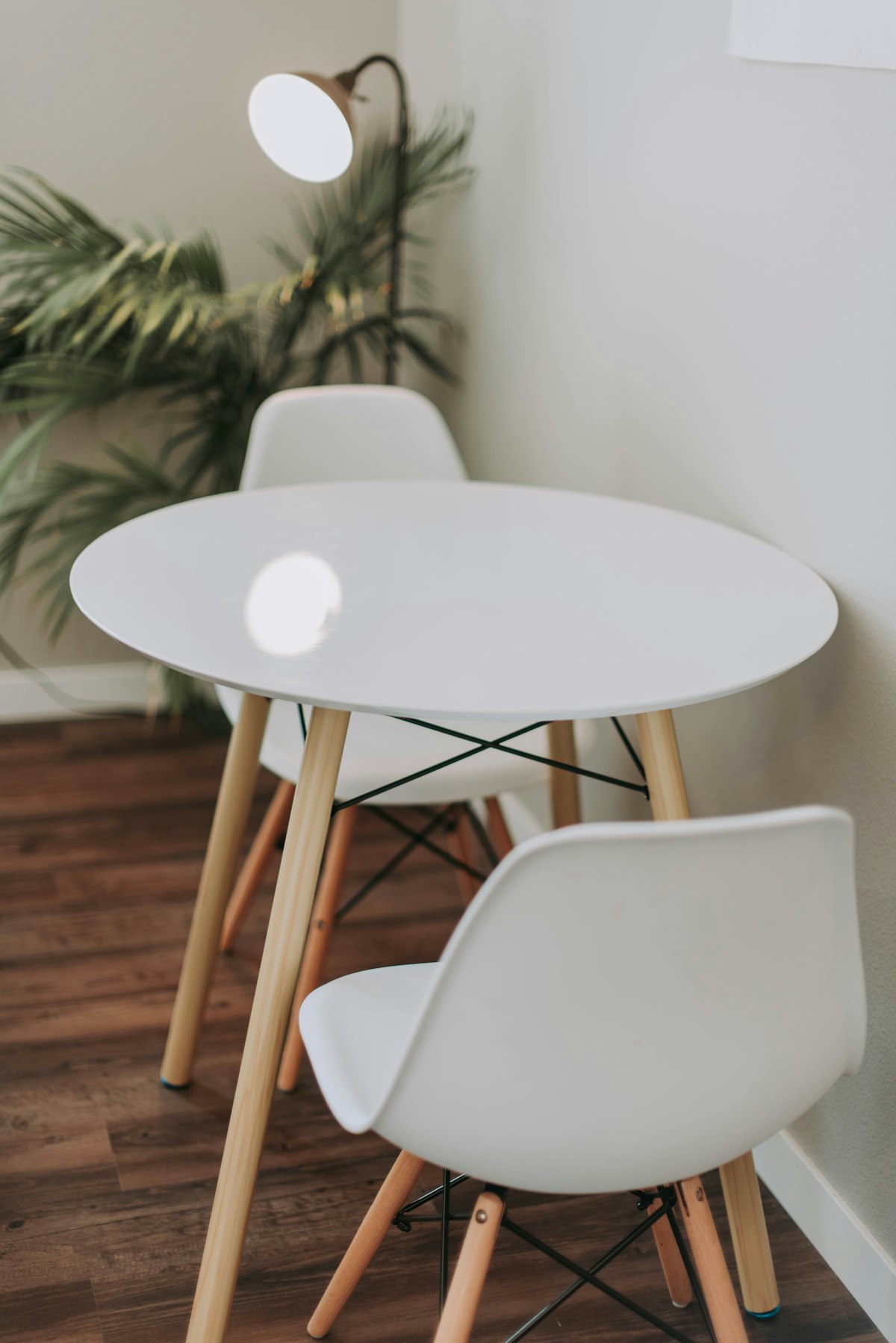
Small furniture gets lost in a large room. A long sofa, a deep sectional, or a sofa plus two generous armchairs fills the space in proportion and gives everyone a comfortable seat. Look for substantial arms, deep seats, and a frame that holds its own against high ceilings and long walls.
The coffee table should scale up too. A large rectangular or oval table, or two smaller tables grouped together, balances a long sofa and gives the group a centre. Leave enough space to walk around it, but do not choose a table so small that it looks like an afterthought.
Measure doorways and hallways before ordering a large sofa, so you know it will fit through the house as well as in the room. A sofa that cannot get through the door is a costly mistake to discover on delivery day.
- Choose a sofa length that suits the wall or rug, not just the budget.
- Pair a long sofa with a substantial coffee table.
- Test seat depth and height for real comfort.
4. Add a Reading Nook and a Second Seating Spot
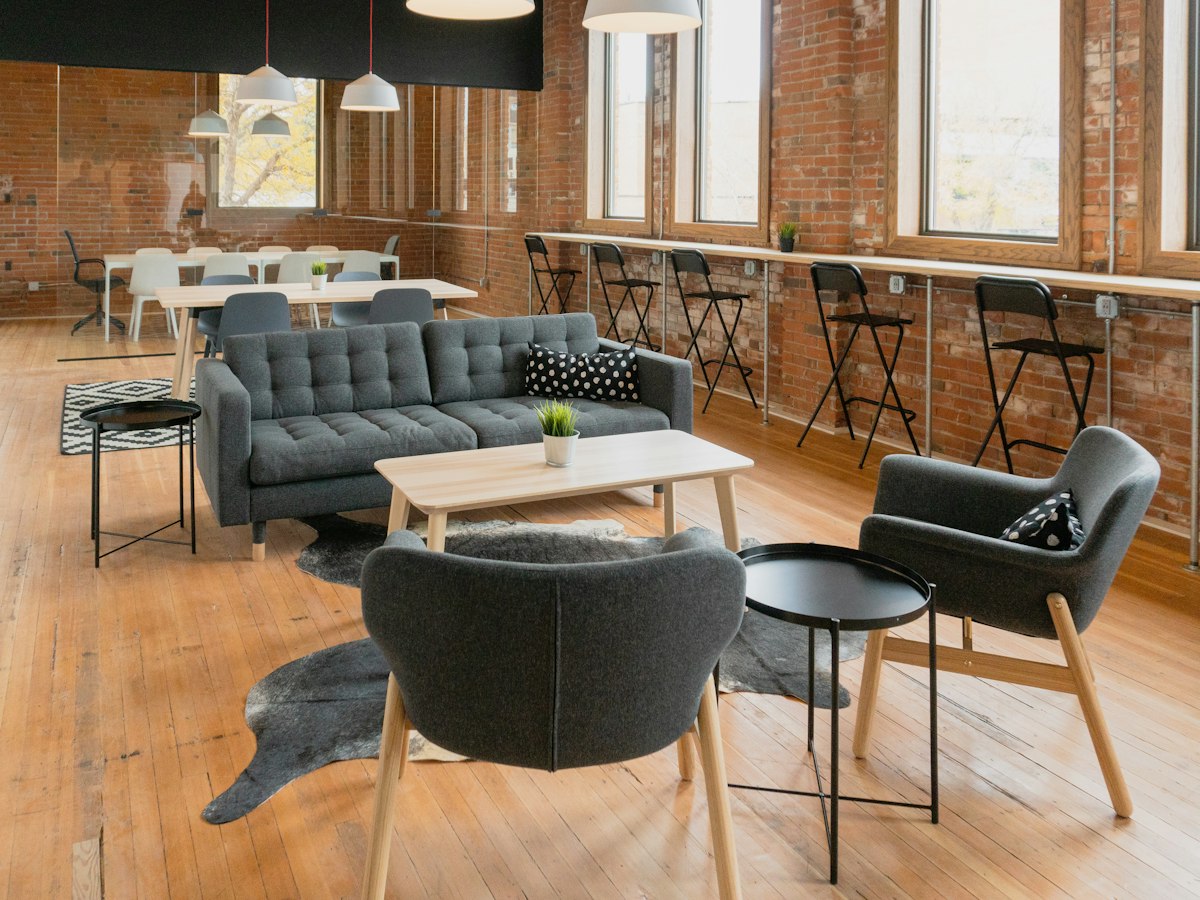
A second seating area makes a large room feel layered and useful. A comfortable armchair with a floor lamp, a small side table, and a basket of books creates a reading nook that invites quiet time, even in a busy household. It also gives guests a place to sit apart from the main group.
A window seat, a bench by the fireplace, or a pair of small chairs near a bookshelf can serve the same purpose. The key is to make the second spot feel complete on its own, with light, a surface, and something soft, so it is used rather than just looked at.
Sit in the reading chair at different times of day to check the light. A chair that is perfect in the morning may be in shadow by the afternoon, so a movable lamp gives you flexibility all year.
- Place a reading chair near natural light.
- Add a lamp and a side table to every seat.
- Keep a throw and a book within reach.
5. Go Big With Art and a Focal Wall
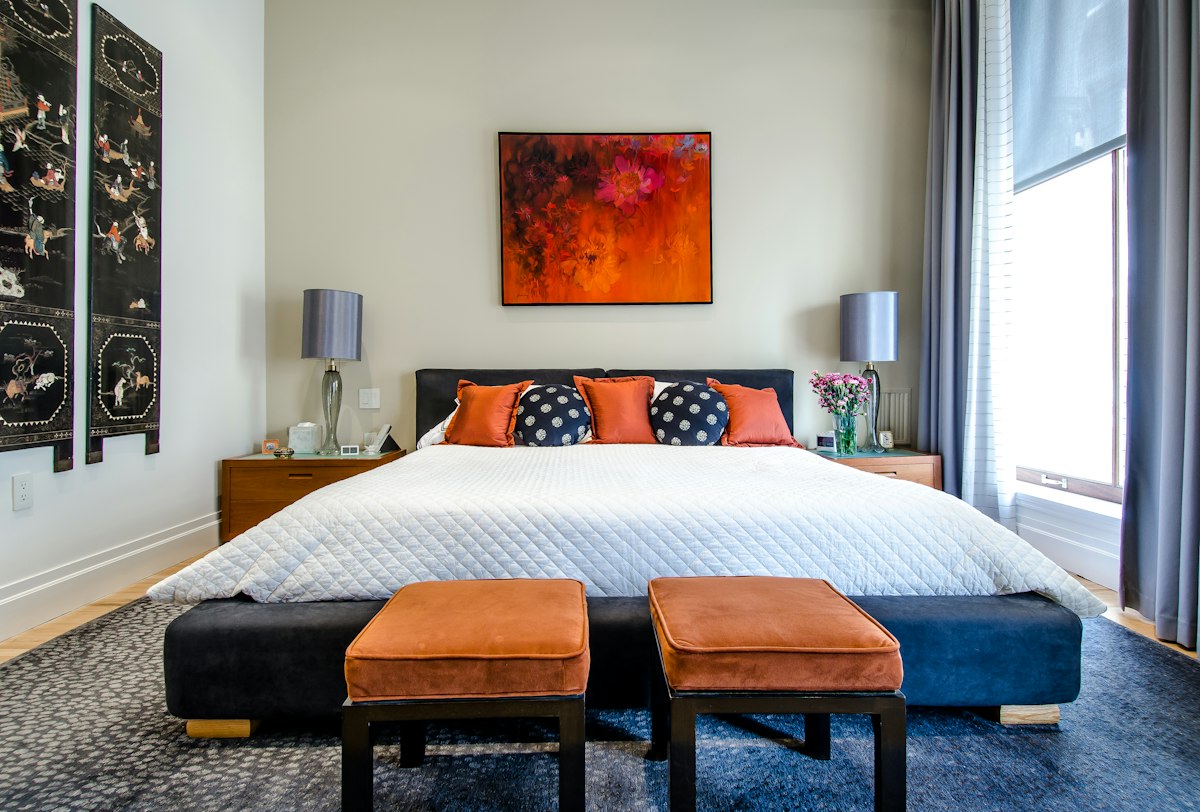
Empty walls make a large room feel unfinished. One oversized piece of art, a large mirror, or a gallery wall arranged as a single composition gives the eye somewhere to land and fills the vertical space. Hang art at eye level from a seated position, not too high on a tall wall.
If you love a gallery wall, plan it as one shape, with consistent spacing and a mix of sizes. A fireplace, a media wall, or a tall bookcase can also be the focal point. Whatever you choose, make it bold enough to match the scale of the room.
Use painter’s tape to mark the outline of large art on the wall before you hang it. The tape shows the true scale at a glance, and it helps you centre the piece without making extra holes.
- Choose art large enough for the wall it hangs on.
- Hang art at seated eye level.
- Treat a gallery wall as one planned composition.
6. Layer Lighting at Every Height
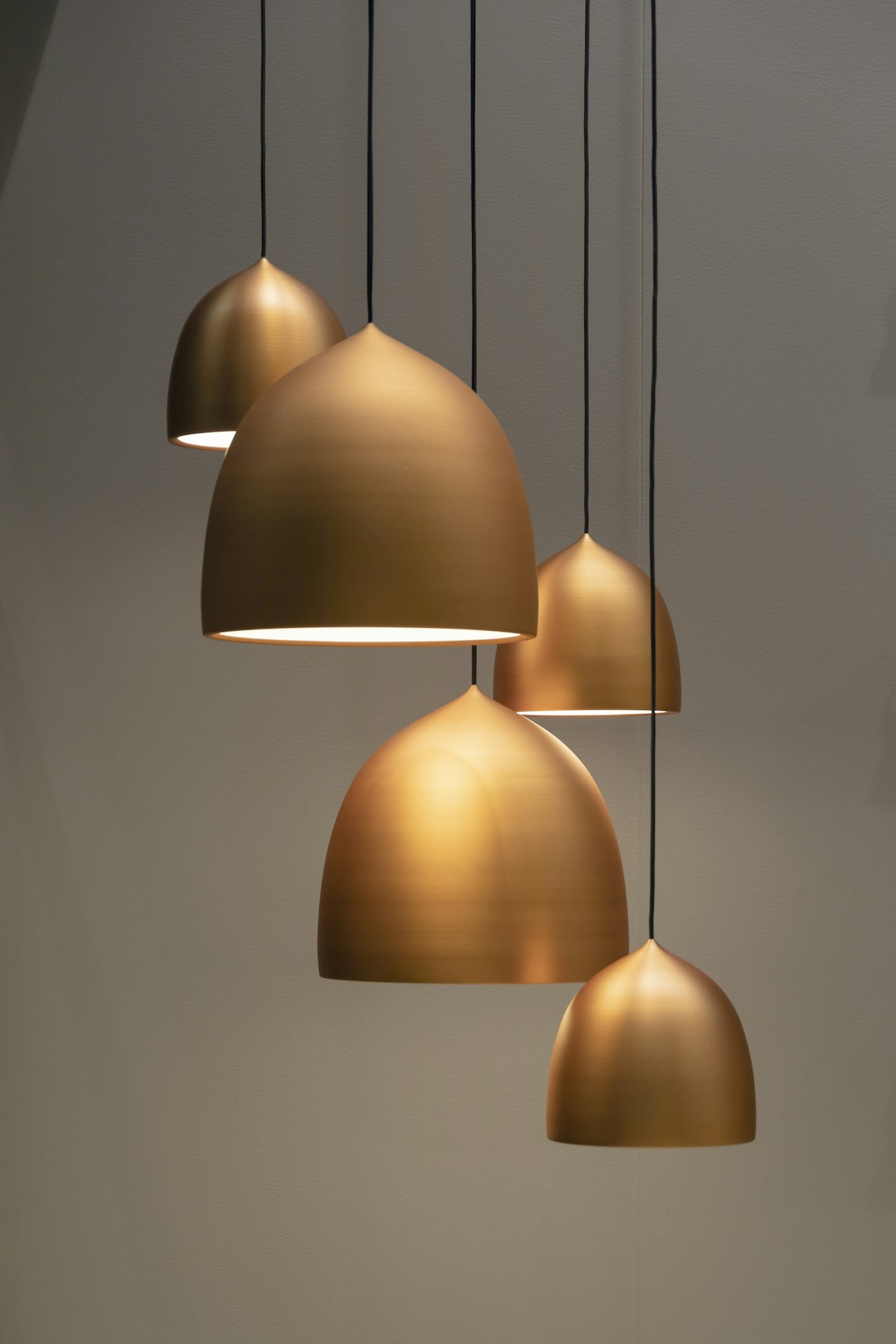
One ceiling light cannot warm a large room. Layer floor lamps, table lamps, wall lights, and a dimmable overhead fixture so light pools in each zone. Warm bulbs and dimmers let you shift the mood from bright daytime to soft evening without changing the furniture.
Place a lamp in every zone: beside the sofa, on the reading table, and near the far corner that otherwise goes dark. Lampshades in linen soften the glow, and a few candles on the coffee table add a final layer of warmth on quiet evenings.
Turn on all the lamps in the evening and walk the room. Any corner that stays dark needs a light, and any lamp that glares needs a shade or a dimmer, so the room feels even and welcoming.
- Add a light source to every zone.
- Use dimmers to change the mood easily.
- Choose warm bulbs for living areas.
7. Use Tall Plants and Trees to Fill Vertical Space
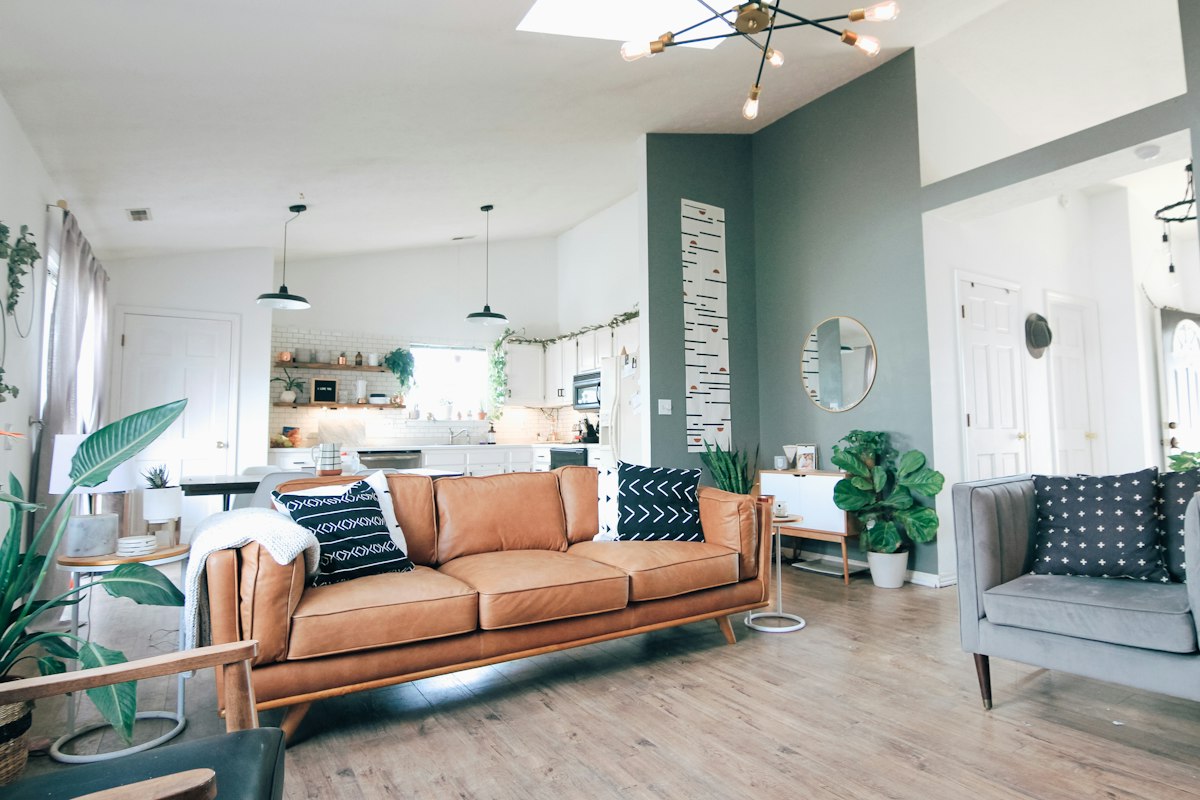
Large rooms often have high ceilings and long, empty corners, and a tall plant is the simplest way to fill them. A fiddle-leaf fig, olive tree, or palm in a generous pot adds height, life, and softness, and it breaks up long stretches of wall without adding clutter.
If you do not have a green thumb, choose a hardy plant and a simple watering routine, or use high-quality faux greenery in a beautiful pot. Place plants in corners, beside the sofa, or flanking a fireplace, and keep the pot in proportion to the plant and the room.
Water plants on the same day each week and wipe their leaves occasionally, so they stay healthy and bright. A thriving plant fills a corner beautifully, while a struggling one draws the eye for the wrong reasons.
- Choose a plant tall enough for the corner it fills.
- Use a large, simple pot in proportion to the plant.
- Group two plants of different heights for balance.
8. Build a Bookshelf or Media Wall
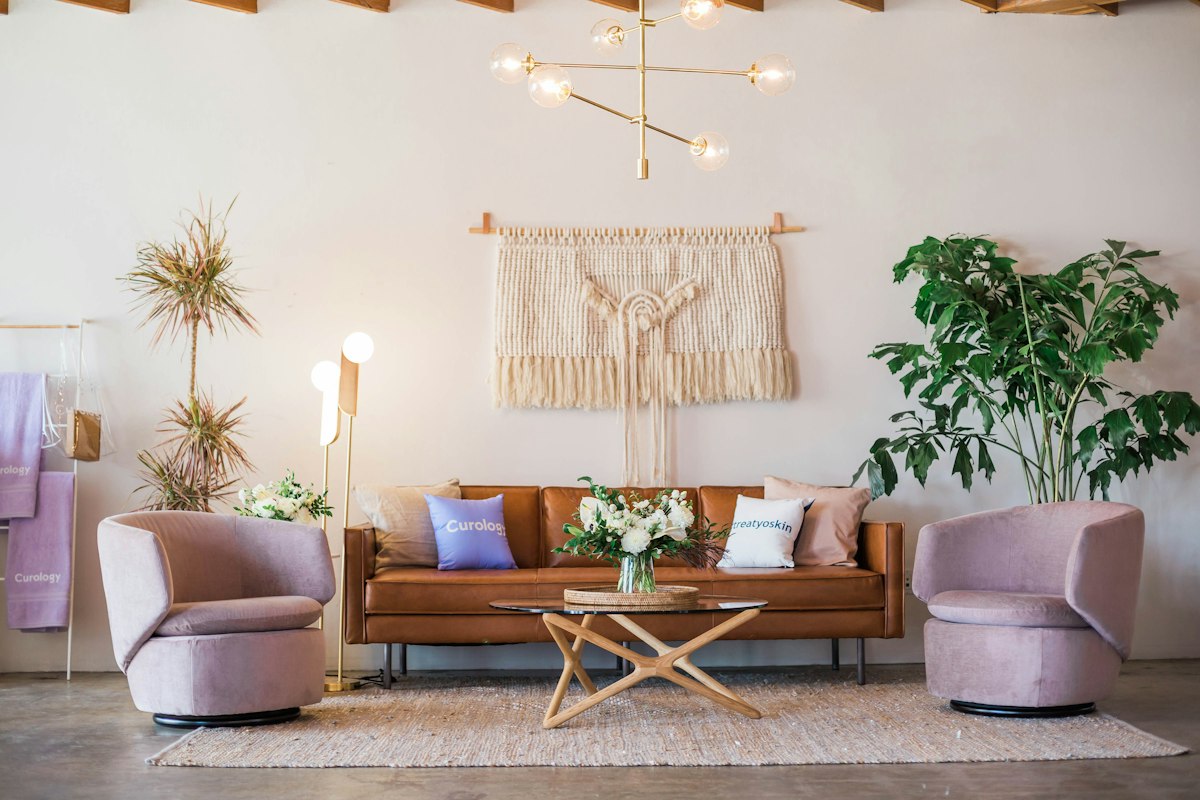
A wall of bookshelves, a media unit, or a low storage wall gives a large room structure and a place for everything. Books, baskets, and a few decorative objects fill the wall, while closed cabinets below hide games, cables, and everyday clutter.
Style shelves loosely, with books, plants, and objects mixed together, and leave some empty space so the wall does not feel crowded. If the wall holds a television, keep the screen centred, hide cables, and balance it with shelves or art on either side.
Sort books and objects by use, not just by looks, and keep the things you reach for most at easy height. A shelf that is beautiful but impractical will slowly fill with clutter instead.
- Use a full wall of storage to anchor a large room.
- Mix open shelves with closed cabinets.
- Hide cables and clutter behind doors.
9. Carve Out a Dining, Game, or Work Corner
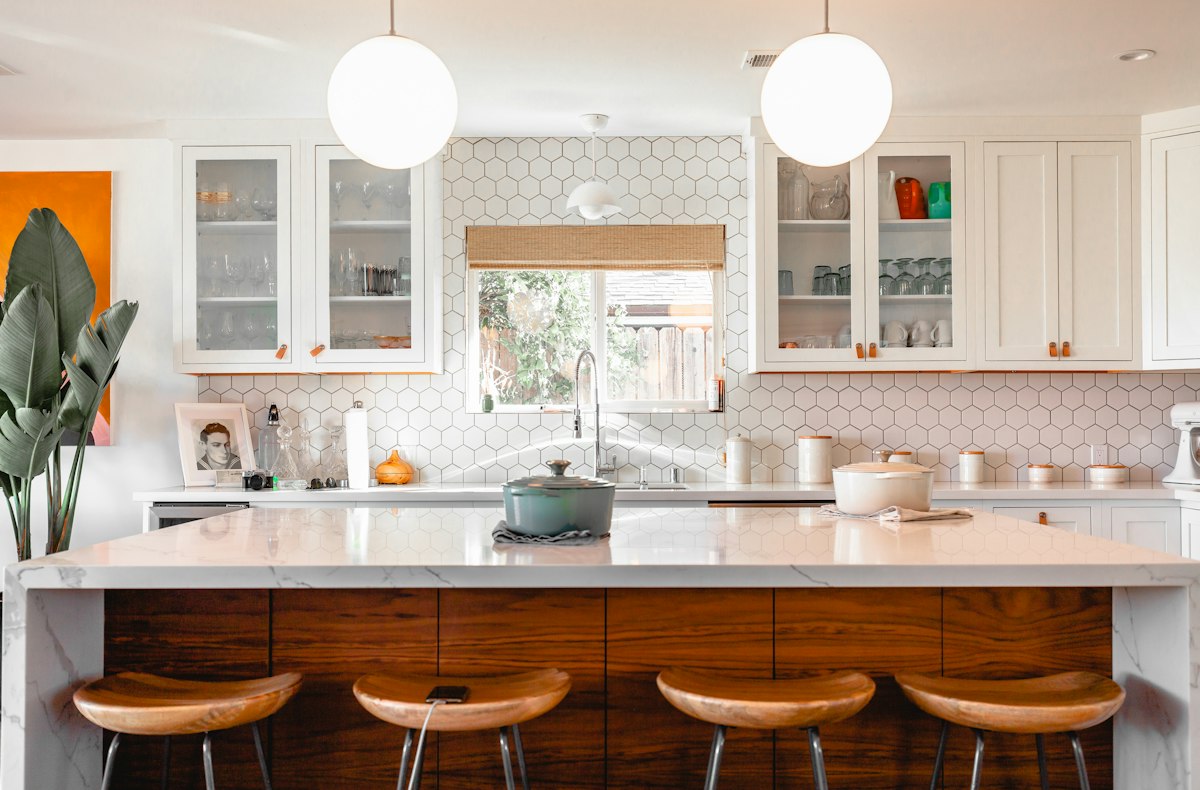
A large living room can hold more than one life. A small dining table near the window, a game table with four chairs, or a compact desk in a quiet corner makes the room useful all day, not just in the evening. The trick is to keep the extra zone in the same style and colour palette as the main seating area.
Use a rug, a pendant light, or a change in furniture to mark the corner without building a wall. A round table works well in a corner because it is easy to walk around, and chairs can be tucked in when the table is not in use.
Eat a meal or play a game at the extra table before you decide it works. A corner that is lovely to look at but awkward to use will be ignored, while a comfortable table becomes part of daily life.
- Give the extra corner the same palette as the main room.
- Use a rug or pendant to mark the zone.
- Choose furniture that can be tucked away when not in use.
10. Warm It Up With Textiles, Colour, and Flow
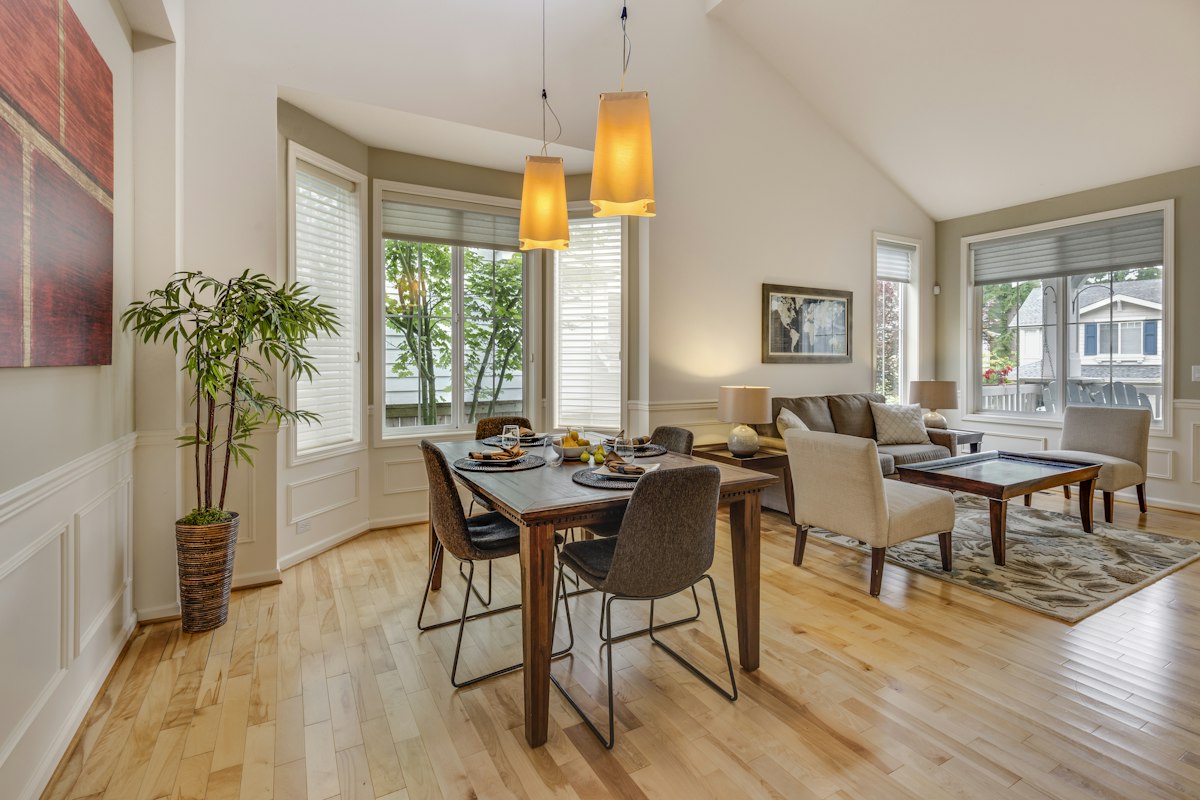
A large room can feel cold if every surface is hard and pale. Layer textiles generously: a large rug, curtains that reach the floor, throws on every seat, and cushions in warm, mid-tone colours. Fabric absorbs sound as well as adding warmth, so the room feels quieter and more intimate.
Finally, check the flow. Walk the room as a guest would, from the door to the sofa, to the kitchen, and back. Move anything that blocks the path, and keep the centre of the room clear enough to cross easily. A room that is easy to move through is a room people love to use.
Invite a friend to sit in the room and tell you what feels cold or empty. A fresh pair of eyes notices the bare wall, the dark corner, or the missing cushion that you have stopped seeing.
- Hang floor-length curtains to soften tall walls.
- Layer rugs, throws, and cushions for warmth.
- Walk every path in the room and clear any blocks.
Start with the zones, then add the furniture and light to match. A large room does not need more things, it needs clearer purposes, and once each corner has a job, the whole space will feel warm, full, and easy to love.
