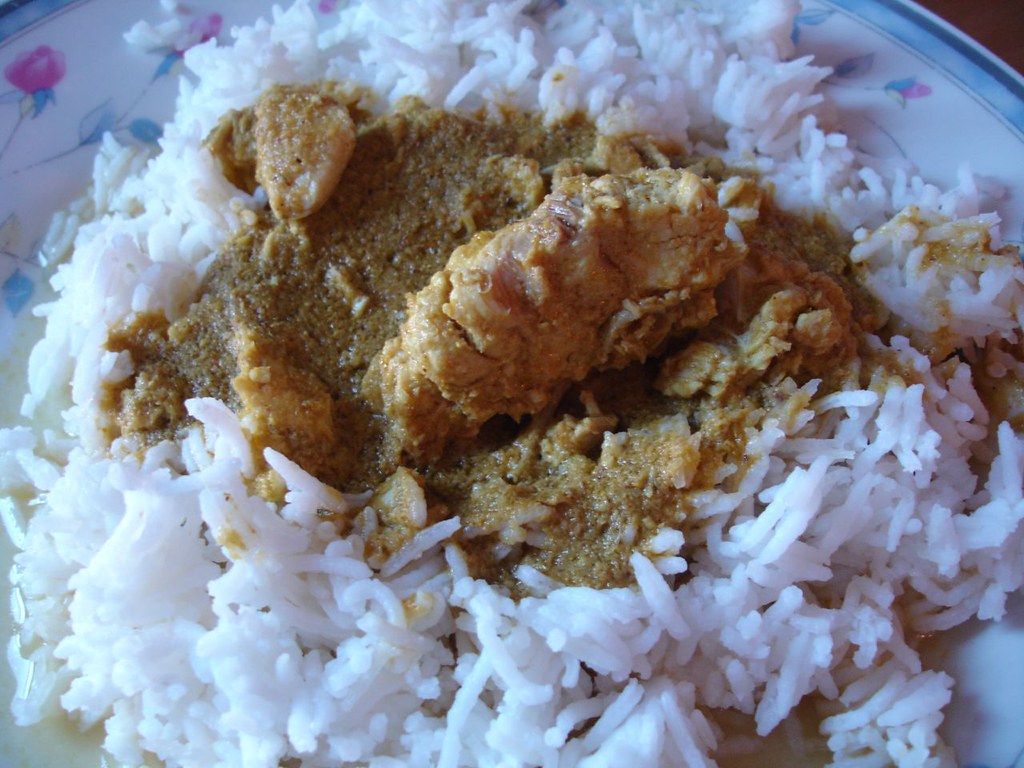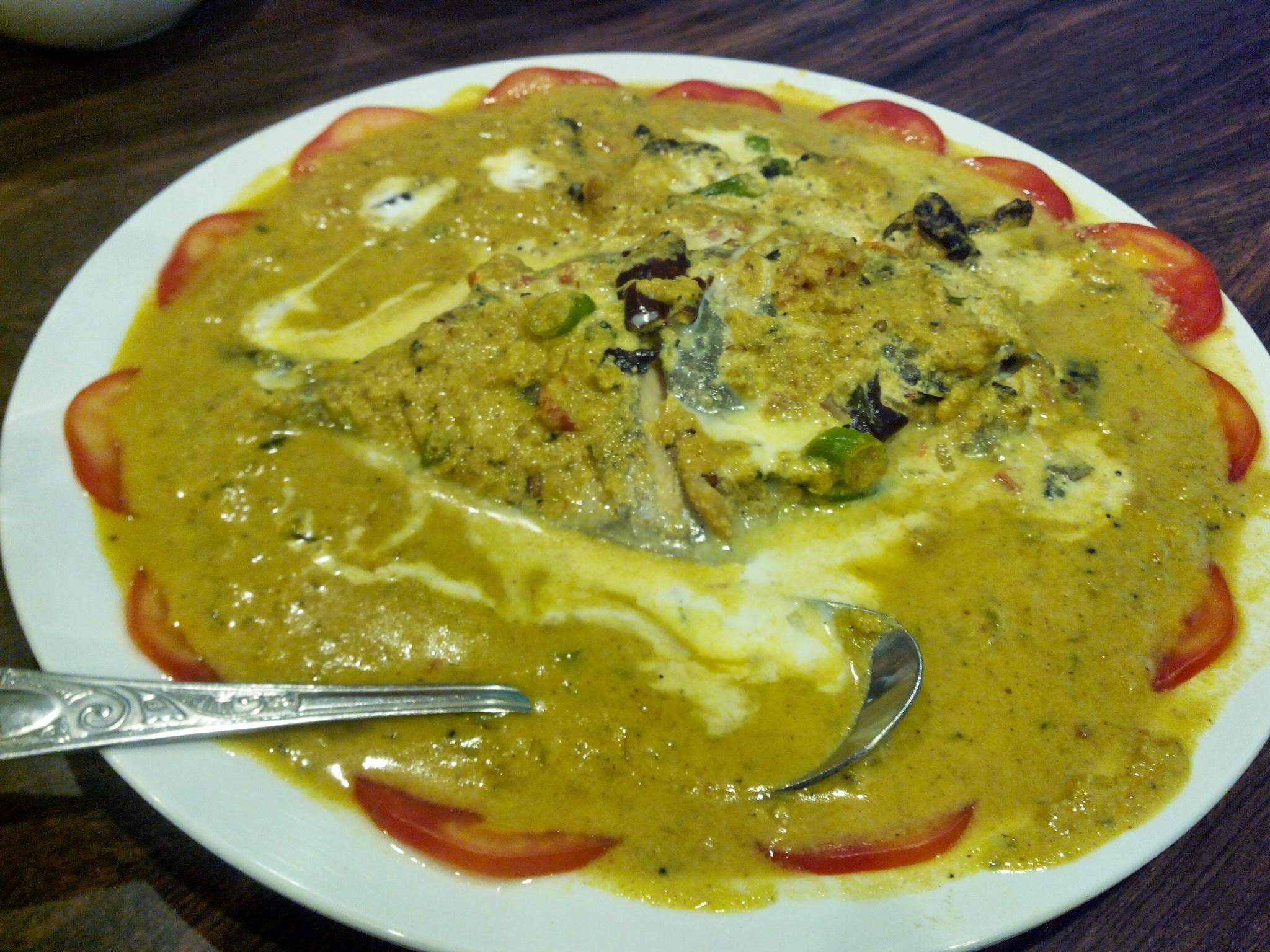
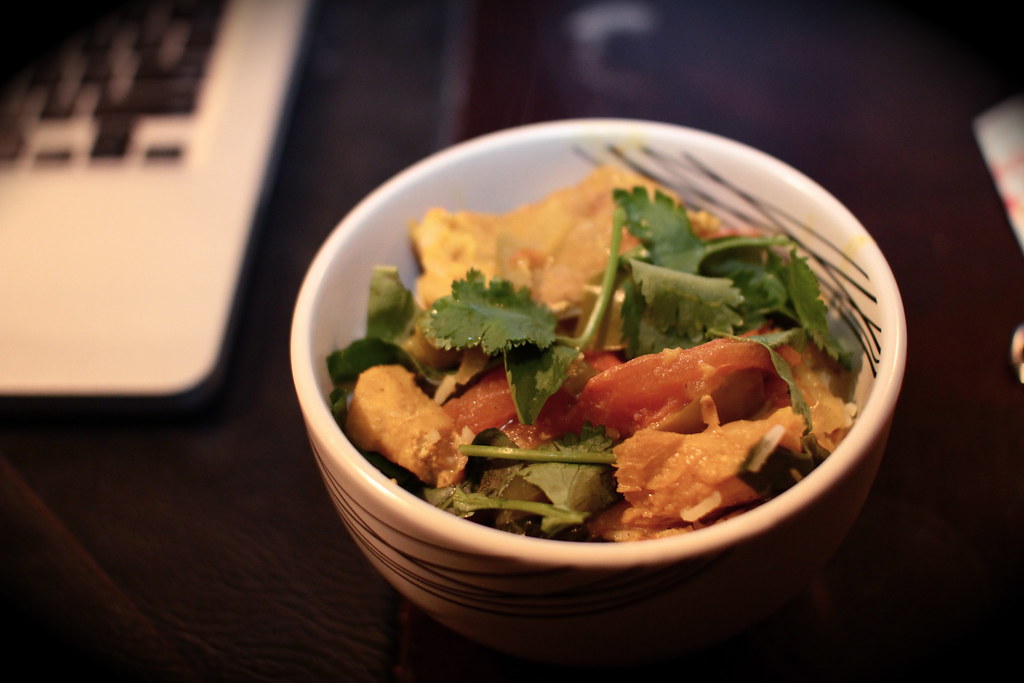
Some dinners wrap around you like a warm blanket, and this coconut fish curry is one of them. Silky coconut milk, golden turmeric, garlic, ginger, and just enough chili to keep things interesting — and in the middle of it all, tender chunks of white fish that flake apart at the touch of a spoon. It is ready in 30 minutes, it tastes like your favorite takeout, and the whole house will smell incredible while it simmers.
Fish curry is one of the fastest curries you can make, because fish cooks in minutes. The sauce does the heavy lifting: a fragrant base of onion, garlic, ginger, and spices bloomed in oil, then simmered with coconut milk until rich and golden. Serve it over jasmine rice with a squeeze of lime and a handful of cilantro, and dinner is done — the kind of dinner people ask for again before they have finished eating.
Prep Time: 10 minutes | Cook Time: 20 minutes | Total Time: 30 minutes | Servings: 4
Why You’ll Love This Coconut Fish Curry
- Ready in 30 minutes — a proper curry, on a weeknight, with no long simmering.
- Creamy without cream — full-fat coconut milk makes the sauce silky and rich.
- Perfectly tender fish — the fish poaches gently in the sauce, so it stays moist and flakes beautifully.
- Warm, fragrant spices — turmeric, cumin, and coriander give it depth without overwhelming heat.
- One pot, easy cleanup — everything happens in a single deep skillet or pot.
- Easy to adjust — make it mild for the kids or fiery for the chili lovers, just by changing the amount of chili.
Ingredients You’ll Need
- 1 1/2 lbs (680 g) firm white fish, such as cod, halibut, or sea bass — cut into large 2-inch chunks; firm fish holds its shape in the sauce.
- 1 can (14 oz / 400 ml) full-fat coconut milk — do not use light coconut milk; the sauce needs the fat to turn silky.
- 1 large onion, finely diced — the sweet, savory base of the curry.
- 4 cloves garlic, minced — essential aromatic flavor.
- 1 tablespoon fresh ginger, grated — warm and bright, it lifts the whole sauce.
- 2 tablespoons curry powder — a good-quality yellow curry powder, or your favorite blend.
- 1 teaspoon ground turmeric — for that golden color and earthy warmth.
- 1 teaspoon ground cumin — adds smoky depth.
- 1/2 to 1 teaspoon red chili flakes, or 1 fresh red chili, sliced — adjust to your heat preference.
- 1 can (14 oz / 400 g) diced tomatoes — their acidity balances the richness of the coconut milk.
- 1 tablespoon tomato paste — deepens the flavor and helps the sauce thicken.
- 1 tablespoon fish sauce — a salty, savory boost; soy sauce works as a substitute.
- 1 tablespoon lime juice, plus lime wedges to serve — the acid at the end makes every flavor pop.
- 1 teaspoon brown sugar — just enough to round out the spices.
- 2 tablespoons neutral oil — such as vegetable or coconut oil.
- Salt and black pepper — season the fish and the sauce.
- Fresh cilantro, chopped — for garnish.
Equipment You’ll Need
- Large deep skillet or Dutch oven with a lid
- Sharp knife and cutting board
- Wooden spoon
- Measuring cups and spoons
How to Make Coconut Fish Curry
- Season the fish. Pat the fish chunks dry, season with salt and pepper, and set aside. Dry fish holds together better in the sauce.
- Sauté the aromatics. Heat the oil in a large deep skillet over medium heat. Add the onion and cook for 4 to 5 minutes until soft and golden. Stir in the garlic and ginger and cook for 1 minute more, until fragrant.
- Bloom the spices. Add the curry powder, turmeric, cumin, and chili flakes. Stir constantly for 30 seconds — the spices should smell toasty and fragrant, not burnt.
- Build the sauce. Stir in the tomato paste, then add the diced tomatoes and their juices. Simmer for 3 to 4 minutes, until the sauce thickens slightly and darkens.
- Add the coconut milk. Pour in the coconut milk and stir well, scraping up any browned bits from the bottom of the pan. Bring to a gentle simmer — never a hard boil, or the coconut milk can split.
- Season the sauce. Stir in the fish sauce, brown sugar, and a pinch of salt. Taste and adjust: it should be rich, slightly sweet, and warmly spiced.
- Add the fish. Gently nestle the fish chunks into the sauce, spooning a little sauce over the top. Cover and simmer on low for 6 to 8 minutes, until the fish is opaque and flakes easily. Do not stir — stirring breaks the fish apart.
- Finish with lime. Remove from the heat, squeeze in the lime juice, and let the curry rest for 2 minutes.
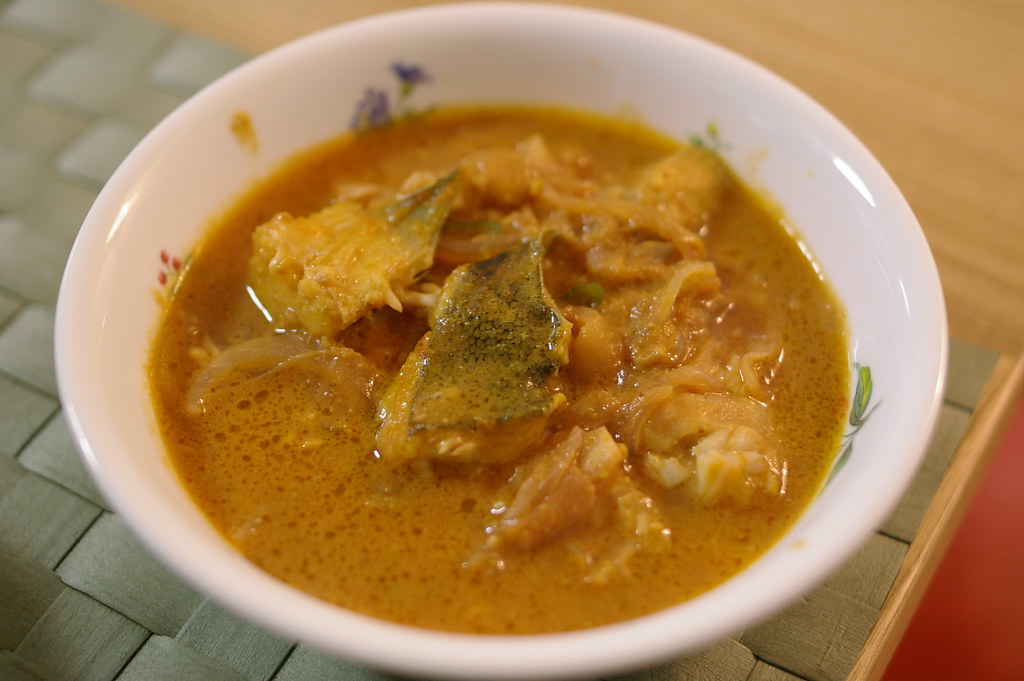
- Serve. Ladle into bowls over steamed jasmine rice, scatter with fresh cilantro, and serve with lime wedges.
Tips for the Perfect Coconut Fish Curry
- Use firm fish. Cod, halibut, sea bass, or monkfish hold together; delicate fish like sole or flounder will fall apart.
- Do not boil the coconut milk. A gentle simmer keeps the sauce smooth and silky; a rolling boil can make it grainy.
- Do not stir once the fish is in. Shake the pan gently or spoon sauce over the fish instead — stirring breaks the fillets into shreds.
- Bloom the spices. Frying the spices in oil for 30 seconds before adding liquid wakes up their flavor completely.
- Taste before serving. A curry is finished by balancing salt, acid, and sweetness — a squeeze of lime or a pinch of sugar at the end makes all the difference.
Easy Variations to Try
- Thai-style coconut fish curry — swap the curry powder for 2 tablespoons of red or yellow Thai curry paste, and add a stalk of lemongrass.
- With vegetables — add diced sweet potato, bell pepper, or green beans to the sauce before the fish; simmer until tender.
- Extra spicy — add a sliced bird’s eye chili or a teaspoon of chili paste with the aromatics.
- With shrimp — replace half the fish with peeled shrimp; add them in the last 3 minutes of cooking.
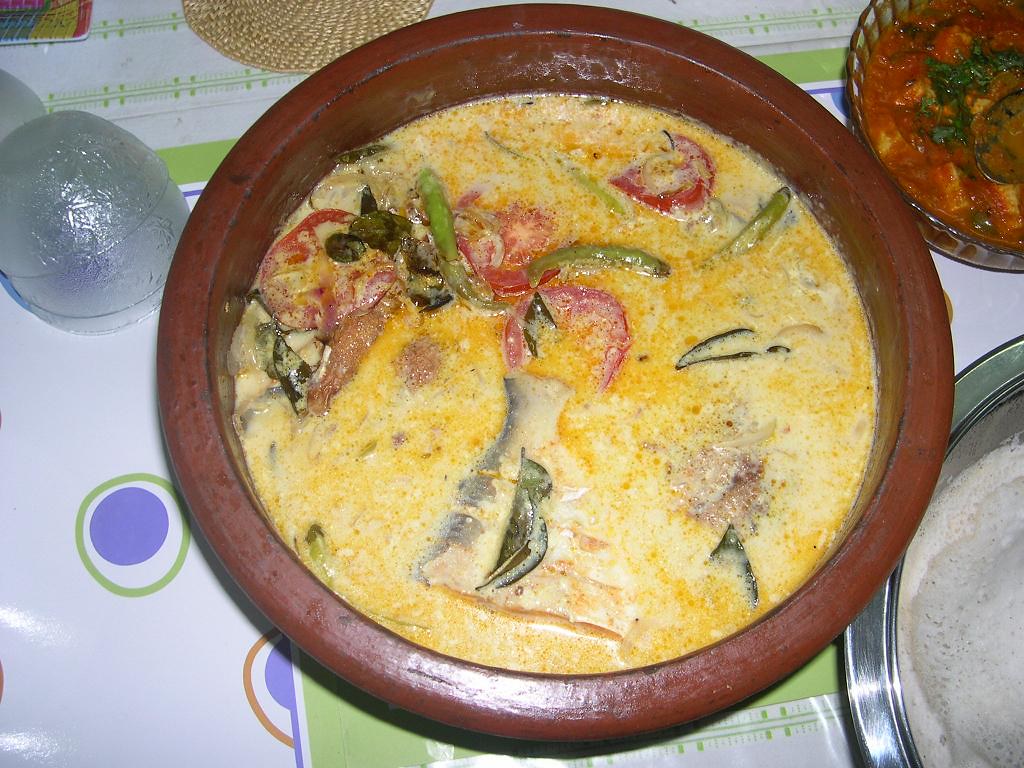
- Kerala-style fish mollie — use coconut oil, add curry leaves and a sliced green chili, and finish with a splash of coconut milk instead of lime.
What to Serve With Coconut Fish Curry
- Steamed jasmine rice — the classic partner; it soaks up the golden sauce perfectly.
- Naan or roti — warm, soft bread for scooping up every last drop.
- Cucumber raita — cool yogurt with cucumber and mint to balance the warmth of the spices.
- Mango chutney — sweet and tangy, it is a wonderful contrast to the curry.
- Simple green salad with lime — light, crisp, and refreshing alongside the rich sauce.
Make Ahead and Storage
- Make the sauce ahead: cook the sauce through step 6 and refrigerate for up to 3 days — add the fish fresh when you reheat it.
- Leftovers: store in an airtight container in the refrigerator for up to 2 days. The flavors deepen overnight.
- Reheating: warm gently over low heat, stirring occasionally; do not boil, or the fish will toughen.
- Freezing: freeze the sauce (without fish) for up to 3 months; add fresh fish when you reheat it. Cooked fish curry does not freeze well — the fish turns mushy.
Frequently Asked Questions
What is the best fish for coconut fish curry?
Firm white fish works best: cod, halibut, sea bass, haddock, or monkfish. Avoid very delicate fish, which will fall apart in the sauce.
Can I use light coconut milk?
You can, but the sauce will be thinner and less rich. If you do, simmer it a few minutes longer to thicken, or stir in a teaspoon of cornstarch mixed with water.
Why did my coconut milk split?
It was probably boiled too hard. Keep the curry at a gentle simmer, and if it does split, a good whisk usually brings it back together.
Is this curry very spicy?
As written, it is mildly warm rather than hot. Leave out the chili flakes for a completely mild version, or double them if you like heat.
Can I make this dairy-free and gluten-free?
Yes — it is naturally dairy-free, and it is gluten-free as long as your curry powder and fish sauce are certified gluten-free.
Can I use frozen fish?
Yes, but thaw it fully and pat it very dry first. Wet fish releases water into the sauce and makes it thin.
What if my sauce is too thin?
Simmer it uncovered for a few extra minutes before adding the fish, or stir in a teaspoon of cornstarch mixed with a tablespoon of cold water.
Nutrition (Estimated)
Per serving (curry only, without rice): approximately 380 calories, 32 g protein, 12 g carbohydrates, 2 g fiber, 24 g fat, 6 g sugar, 620 mg sodium. Values are estimates and will vary with the exact fish, coconut milk brand, and quantities used.