
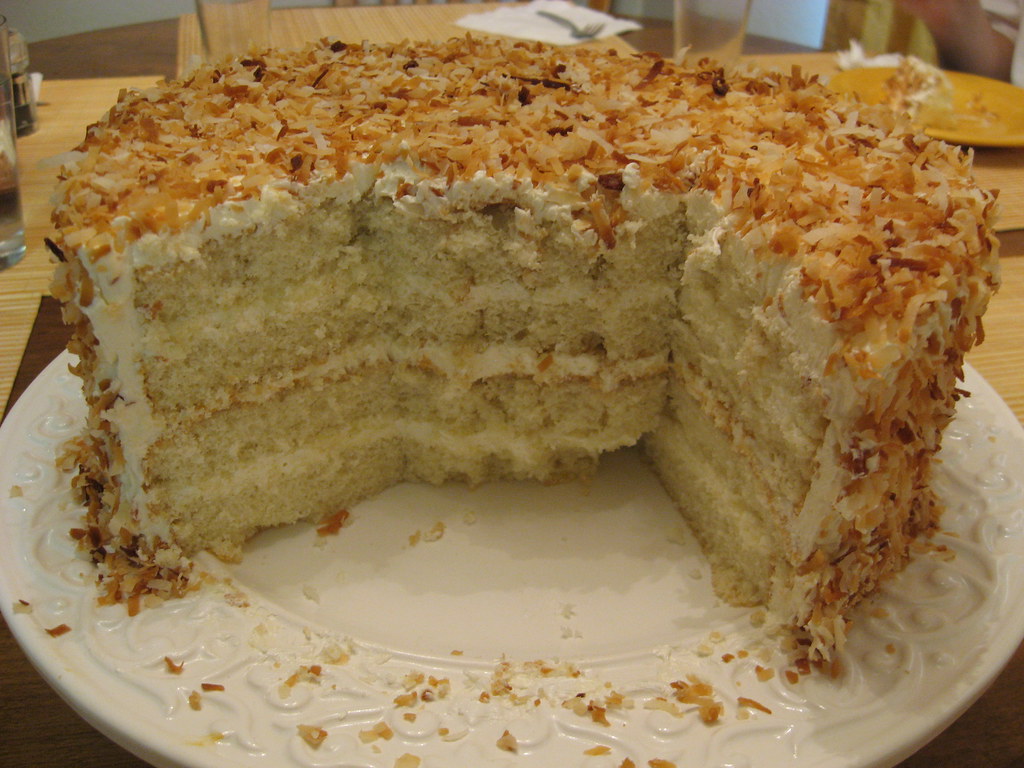
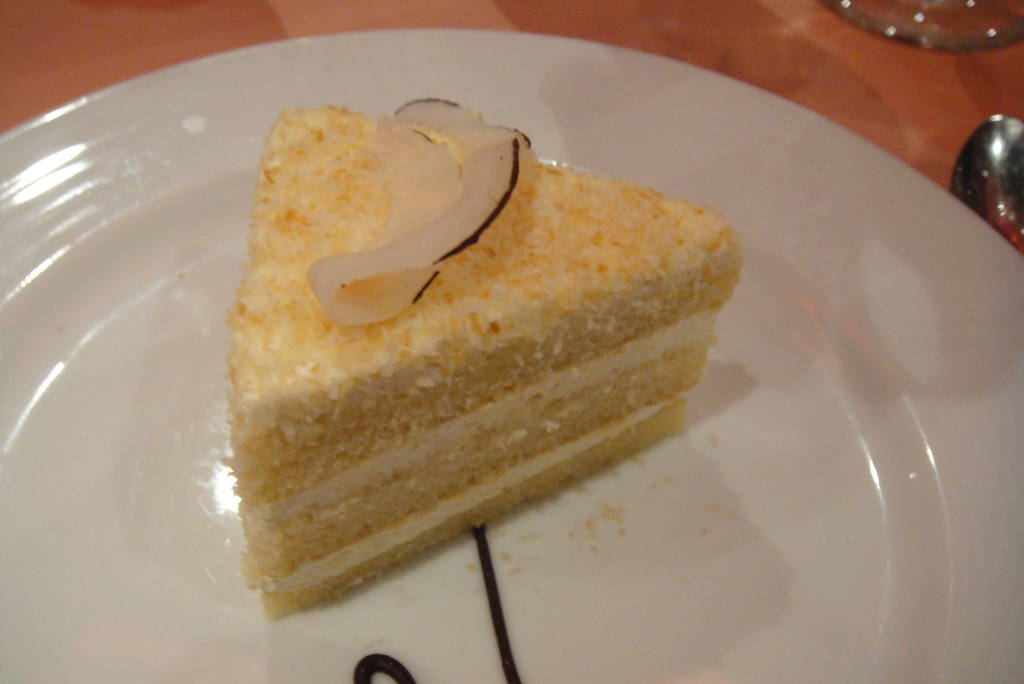
There is a cake that tastes like a tropical holiday, and this Coconut Cake is it — soft white sponge, coconut milk in the batter, and a cloud of coconut buttercream covered in toasted coconut flakes. It is light, fluffy, and just sweet enough to make you reach for a second slice.
This is the cake you bake for Easter, summer parties, and any day that needs a little sunshine. The secret is simple — coconut milk and coconut extract in the sponge, and a generous coating of toasted coconut on the outside for crunch. One bowl, two pans, and a cake that looks like a snowball and tastes like the tropics.
Prep Time: 25 minutes | Cook Time: 30 minutes | Total Time: 55 minutes | Servings: 12 slices | Course: Dessert | Cuisine: American
Why You’ll Love This Coconut Cake
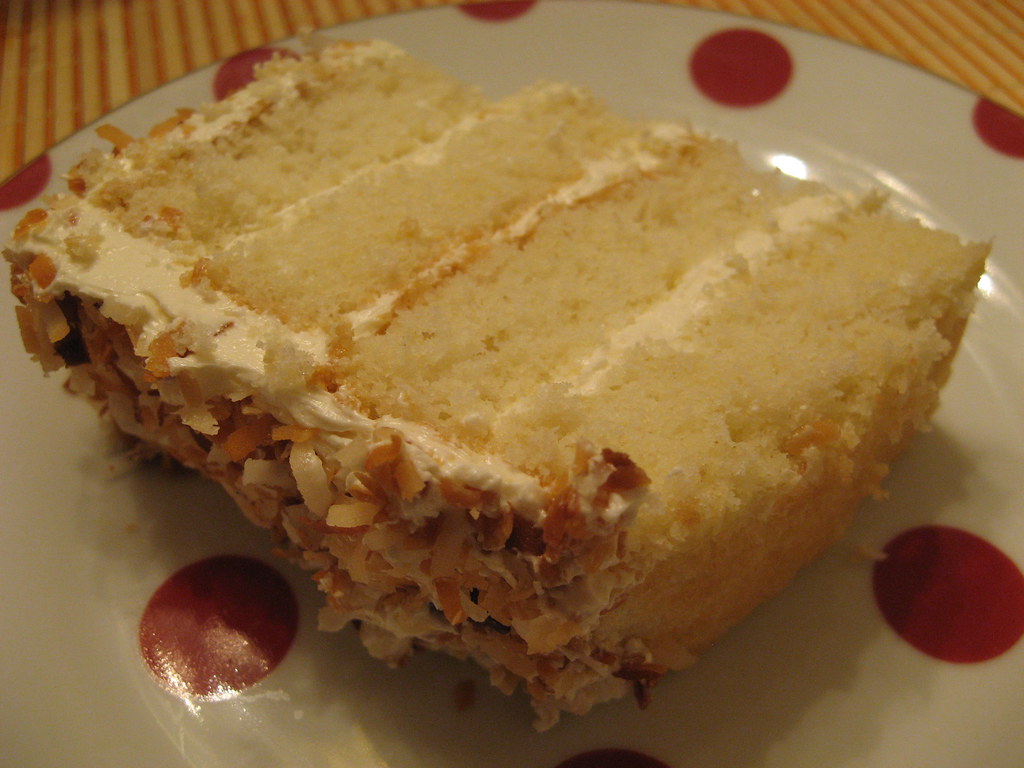
Some cakes earn a permanent place in your kitchen because they are beautiful, simple, and impossible to get wrong. This coconut cake checks every box:
- Real coconut flavor. Coconut milk, shredded coconut, and coconut extract in every layer — no artificial flavor, just the real thing.
- Soft and fluffy every time. Cake flour and coconut milk keep the crumb light and tender for days, even after a night in the fridge.
- Simple to make. No fancy techniques, no special equipment beyond two cake pans. If you can stir, you can bake this cake.
- Show-stopping looks. Snow-white frosting covered in golden toasted coconut — it looks like a celebration and tastes even better.
- Perfect for any occasion. Easter, birthdays, summer parties, or a random Tuesday that deserves cake.
- Make-ahead friendly. Bake the layers a day ahead and frost the next day — it actually tastes better when the flavors settle overnight.
Whether it is a holiday, a summer party, or a weekend bake just because, this coconut cake delivers. Make it once, and it will become your most-requested cake.
Ingredients You’ll Need
Good coconut cake starts with good ingredients, and there are few enough of them here that each one matters. Here is everything you need:
- 2 3/4 cups (330 g) cake flour — cake flour gives the lightest, softest crumb. All-purpose flour works, but the cake will be slightly denser.
- 1 tablespoon baking powder — for a tall, even rise. Check that it is fresh — old baking powder makes flat cakes.
- 1/2 teaspoon salt — a pinch of salt keeps the cake from tasting flat and balances the sweetness.
- 1 3/4 cups (350 g) granulated sugar — sweetens the sponge and helps it stay moist.
- 3/4 cup (170 g) unsalted butter, softened — room temperature butter creams smoothly with the sugar for a light crumb.
- 1/2 cup (120 ml) vegetable oil — oil keeps the cake moist for days, long after butter-only cakes dry out.
- 4 large egg whites, room temperature — egg whites (not whole eggs) keep the crumb snow-white and light.
- 1 cup (240 ml) canned coconut milk, well shaken — full-fat coconut milk is the flavor and the moisture of this cake. Shake the can well before measuring.
- 1 cup (90 g) sweetened shredded coconut — folded into the batter for texture and flavor in every bite.
- 1 1/2 teaspoons coconut extract — the secret to a strong coconut flavor. Vanilla alone is not enough here.
- 1 teaspoon vanilla extract — for warmth and depth alongside the coconut.
- For the frosting: 1 cup (225 g) unsalted butter, softened; 8 oz (225 g) cream cheese, softened; 4 cups (480 g) powdered sugar; 2 tablespoons coconut milk; 1 teaspoon coconut extract; a pinch of salt.
- To decorate: 1 1/2 cups (135 g) sweetened shredded coconut, toasted until golden.
A note on the coconut milk: use canned full-fat coconut milk, not the carton sold for drinking — the carton is too thin and the flavor is too weak. Shake the can well, because the cream separates from the liquid.
Equipment You’ll Need
You do not need anything fancy — just the basics:
- Two 8-inch (20 cm) round cake pans — greased and lined with parchment paper on the bottom.
- Electric mixer (stand or hand) — for creaming the butter and whipping the frosting until fluffy.
- Rubber spatula — for folding in the shredded coconut without deflating the batter.
- Wire cooling rack — for cooling the layers completely before frosting. Warm cake melts frosting.
- Offset spatula or butter knife — for spreading the frosting smoothly.
- A baking sheet — for toasting the shredded coconut in the oven.
How to Make Coconut Cake
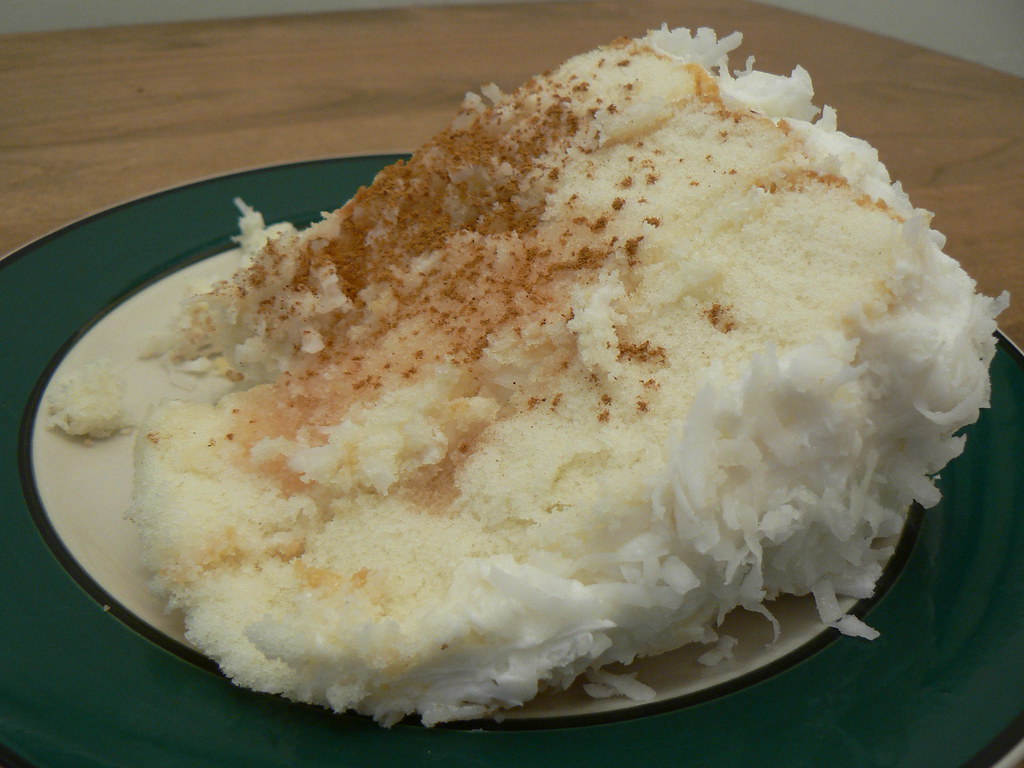
Follow these simple steps and you will have a perfect coconut cake in under an hour of work:
- Preheat and prep. Preheat the oven to 350°F (175°C). Grease two 8-inch round cake pans and line the bottoms with parchment paper.
- Toast the coconut. Spread the decorating coconut on a baking sheet and toast in the oven for 5–7 minutes, stirring once, until golden. Watch it closely — coconut burns fast. Set aside to cool.
- Whisk the dry ingredients. In a medium bowl, whisk together the cake flour, baking powder, and salt. Set aside.
- Cream the butter and sugar. In a large bowl, beat the butter and sugar with an electric mixer for 2–3 minutes until pale and fluffy. Add the oil and beat until combined.
- Add the egg whites. Beat in the egg whites one at a time, then add the coconut extract and vanilla extract. Scrape down the sides of the bowl.
- Alternate wet and dry. Add the flour mixture in three parts, alternating with the coconut milk, beginning and ending with the flour. Mix just until combined — do not overmix.
- Fold in the coconut. Gently fold the shredded coconut into the batter with a spatula. Divide the batter evenly between the two pans and smooth the tops.
- Bake. Bake for 28–32 minutes, until a toothpick inserted in the center comes out clean and the tops spring back when lightly pressed.
- Cool completely. Let the layers cool in the pans for 10 minutes, then turn them out onto a wire rack and cool completely — at least 1 hour — before frosting.
- Make the frosting and assemble. Beat the butter and cream cheese until smooth, then add the powdered sugar one cup at a time, plus the coconut milk, coconut extract, and salt. Beat for 2–3 minutes until light and fluffy. Place one layer on a serving plate, spread with frosting, and top with the second layer. Frost the top and sides, then press the toasted coconut all over the cake. Slice and serve.
Tips for the Perfect Coconut Cake
These small details make the difference between a good cake and a great one:
- Do not overmix the batter. Once the flour goes in, mix just until you no longer see streaks. Overmixing develops gluten and makes a tough, dense cake.
- Use room temperature ingredients. Cold egg whites and coconut milk do not blend smoothly. Set them out 30 minutes before baking.
- Shake the coconut milk can. The cream separates from the liquid in the can. Shake it hard or whisk it smooth before measuring, or the cake will be uneven.
- Watch the toasting coconut. Shredded coconut goes from golden to burnt in under a minute. Stay by the oven and stir halfway through.
- Cool the layers completely. Even slightly warm cake melts frosting into a slide. Wait a full hour — patience pays off.
- Press the coconut on gently. Use your hands to press the toasted coconut onto the frosting while it is still soft, so it sticks instead of falling off.
- Chill the frosted cake. A 30-minute chill in the fridge sets the frosting and makes clean, beautiful slices.
Easy Variations to Try
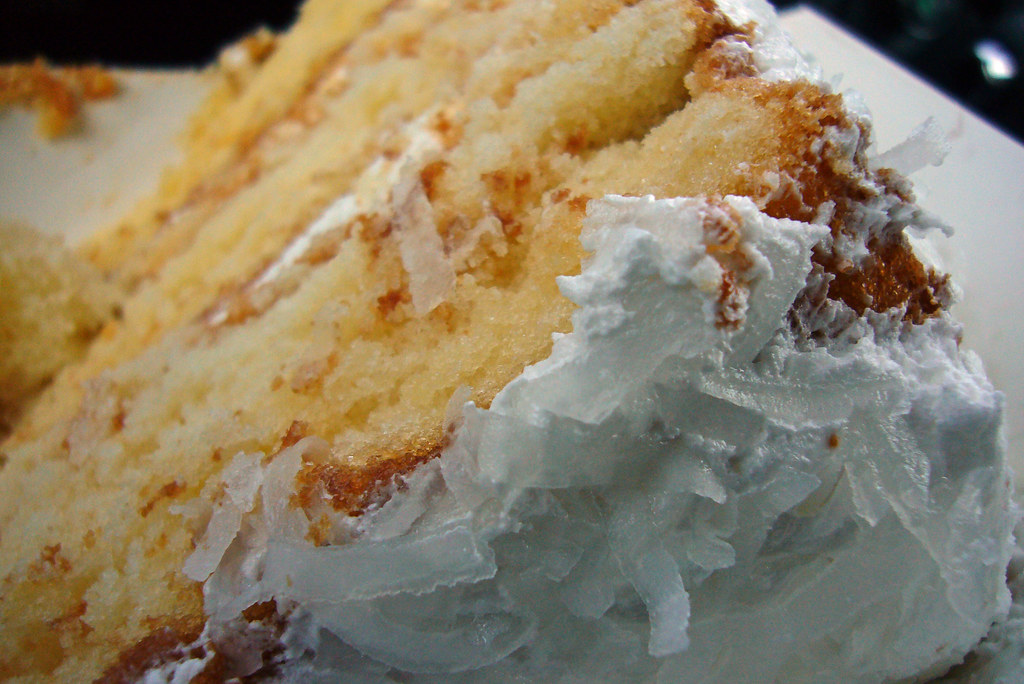
Once you master the base recipe, try one of these twists. Each one keeps the same method — only the flavors change:
- Coconut lime cake. Add the zest of two limes to the batter and a tablespoon of lime juice to the frosting. Bright, tropical, and perfect for summer.
- Coconut chocolate cake. Replace 1/3 cup of the flour with cocoa powder and frost with chocolate buttercream, then coat with toasted coconut. A chocolate-coconut dream.
- Pina colada cake. Brush the baked layers with pineapple juice before frosting, and add 1/2 cup of crushed pineapple (well drained) to the frosting. Tastes like a holiday.
- Coconut almond cake. Add 1/2 teaspoon of almond extract to the batter and press sliced toasted almonds onto the frosting with the coconut.
- Coconut cream cake. Poke holes in the baked layers and pour sweetened condensed milk mixed with coconut milk over them before frosting. Extra moist and rich.
- Coconut cupcakes. Divide the batter into 24 lined muffin cups and bake for 18–20 minutes. Same cake, party-sized.
- Gluten-free version. Use a 1:1 gluten-free flour blend in place of the cake flour. The method is exactly the same.
What to Serve With Coconut Cake
Coconut cake is a complete dessert on its own, but the right pairings make it a dinner to remember:
- With tropical fruit — fresh pineapple, mango, and berries on the side make the cake taste even more like the tropics.
- With vanilla ice cream — a scoop of vanilla or coconut ice cream next to a slice is a simple, stunning dessert.
- With a cup of tea or coffee — the classic partner. A slice of coconut cake with afternoon tea is a perfect break.
- With a piña colada or lemonade — for summer parties, a cold tropical drink makes the cake feel like a holiday.
- With whipped cream — lightly sweetened whipped cream and extra toasted coconut on the side.
- On a dessert table — the snow-white cake is the centerpiece. Surround it with cookies and cupcakes for a party spread.
Make Ahead and Storage
This is one of the best make-ahead cakes you can keep in your back pocket:
- Make ahead: bake the layers up to 2 days in advance, wrap them tightly in plastic wrap, and keep them at room temperature. Frost the day you serve it.
- Refrigerator: the frosted cake keeps for up to 5 days in the fridge, covered. Let it sit at room temperature for 30 minutes before serving so the crumb softens.
- Freezer: freeze unfrosted layers, wrapped tightly, for up to 3 months. Thaw overnight in the fridge, then frost. The frosted cake can also be frozen in slices for up to 1 month.
- Toast the coconut ahead. Toasted coconut keeps for a week in an airtight container, so you can do it days before the cake.
Frequently Asked Questions
Can I use carton coconut milk instead of canned?
You can, but the cake will be less rich and less coconut-flavored. Canned full-fat coconut milk is strongly recommended for the best result.
Why did my cake turn out dense?
The most common causes are overmixing the batter, using all-purpose flour instead of cake flour, or cold ingredients. Mix just until combined and use room temperature ingredients.
Can I make this cake in one pan?
Yes — use a 9×13-inch pan and bake for 35–40 minutes. Frost the top only and sprinkle with toasted coconut. It will be a sheet cake instead of a layer cake, just as delicious.
Why is my frosting too soft?
The cream cheese was too warm, or the coconut milk was too much. Use block cream cheese at cool room temperature and chill the frosting for 20 minutes if it is too soft to spread.
Can I use unsweetened coconut?
Yes — use unsweetened shredded coconut in the batter and for decorating. The cake will be slightly less sweet, which many people prefer.
Is this cake good for Easter?
It is perfect for Easter — white, fluffy, and beautiful on a spring table. Add pastel sprinkles or jelly beans on top for a festive look.
Can I add pineapple?
Yes — fold 1/2 cup of well-drained crushed pineapple into the batter, or brush the layers with pineapple juice. It turns the cake into a pina colada cake.
How do I get clean slices?
Chill the frosted cake for 30 minutes, then cut with a sharp knife warmed under hot water, wiping the blade between slices.
Nutrition (Estimated)
Per serving (1 of 12 slices): approximately 520 calories, 28 g fat, 62 g carbohydrates, 48 g sugar, and 5 g protein. These values are estimates and will vary with the exact brands and quantities you use.
Coconut Cake proves that the prettiest cakes are often the simplest ones. Soft white sponge, real coconut milk, and a snowy coating of toasted coconut — and you have a cake that looks stunning, tastes like a tropical holiday, and disappears fast. Make it once, and it will become your most-requested cake. Try it this weekend, and let us know in the comments how you served it — with tropical fruit, with ice cream, or straight from the fridge with a fork. No judgment here.
