
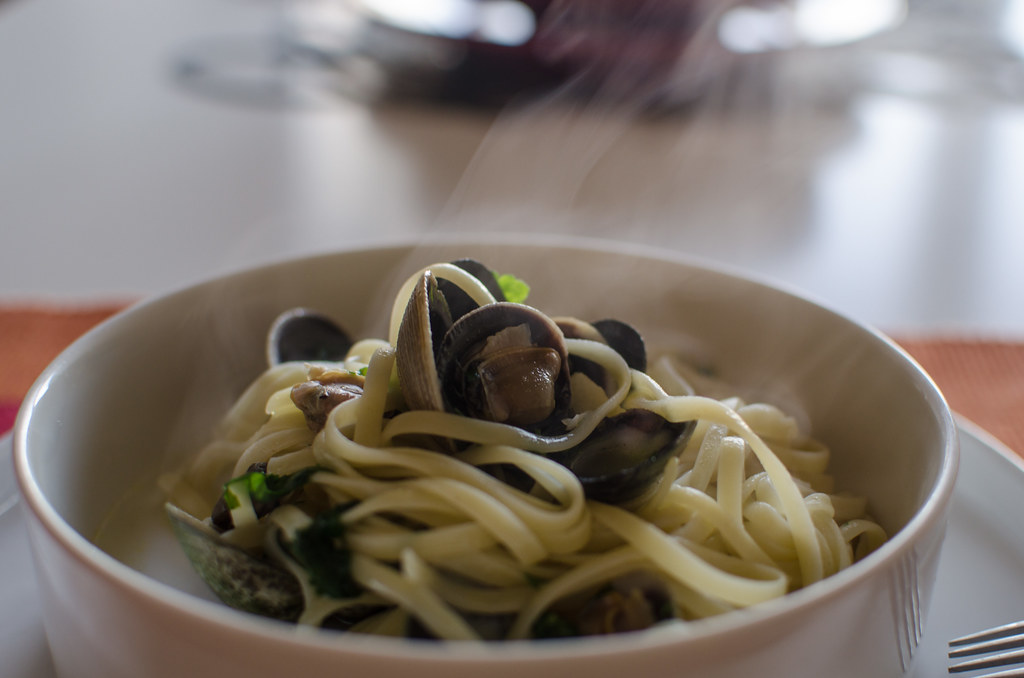
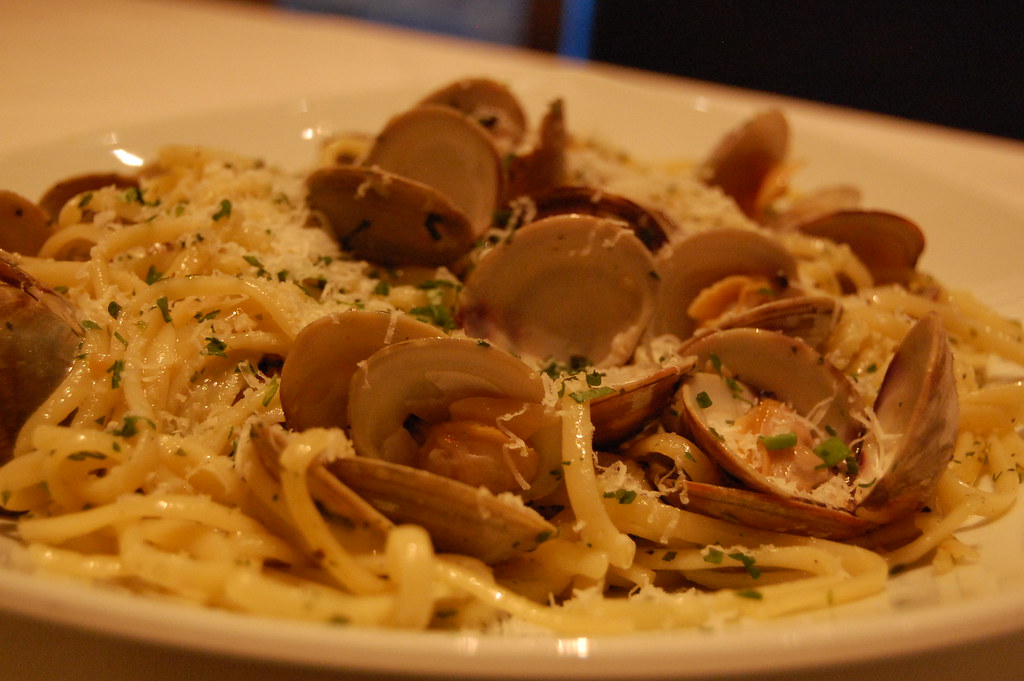
Clam linguine — linguine alle vongole — is one of the great simple dishes of Italian cooking: briny clams steamed open in white wine, garlic and olive oil, tossed with linguine and a shower of parsley. There is no cream, no cheese, nothing to hide behind — just a handful of good ingredients treated with respect.
It looks impressive and tastes like a restaurant dish, but the whole thing comes together in about 30 minutes. The clams make their own sauce as they open, and the starchy pasta water turns it into a glossy coating that clings to every strand.
Prep Time: 15 minutes | Cook Time: 20 minutes | Total Time: 35 minutes | Servings: 4
Why You’ll Love This Clam Linguine
- A true Italian classic: Linguine alle vongole is a beloved coastal dish — simple, elegant and timeless.
- Ready in 30 minutes: The sauce cooks while the pasta boils.
- Only a few ingredients: Clams, garlic, wine, olive oil and parsley do all the work.
- Light and fresh: No heavy sauce — the flavor is bright, briny and clean.
- Dinner-party worthy: It looks and tastes far more elaborate than it is.
- Flexible: Works with fresh clams, or with canned clams and their juice when fresh are not available.
Ingredients You’ll Need
- 12 oz (340 g) linguine: The classic shape for this dish — flat strands hold the light sauce perfectly.
- 2 lbs (900 g) small fresh clams (littleneck or Manila): Scrubbed clean. Discard any that are cracked or stay open when tapped.
- 1/3 cup (80 ml) extra-virgin olive oil: Use the best you have — it is a main flavor in this sauce.
- 6 garlic cloves, thinly sliced: Sliced, not minced, so it turns sweet and golden without burning.
- 1/2 teaspoon red pepper flakes: A gentle warmth; classic in the spicy version, optional in the white version.
- 3/4 cup (180 ml) dry white wine: Pinot Grigio or a dry vermouth both work well.
- 1/2 cup clam juice or reserved pasta water: Adds extra briny depth to the sauce.
- 1/4 cup fresh flat-leaf parsley, chopped: The finishing herb — do not skip it.
- 1 lemon, zested: A little zest at the end lifts the whole dish.
- Salt and black pepper, to taste: Go easy on the salt — the clam liquor is naturally salty.
- Crusty bread, to serve: For the sauce left at the bottom of the bowl.
Equipment You’ll Need
- Large pot for the pasta
- Large deep skillet or sauté pan with a lid
- Colander
- Brush for scrubbing the clams
- Tongs
- Warm serving bowls
How to Make Clam Linguine
- Purge and scrub the clams: Soak the clams in a bowl of cold salted water for 20 minutes so they release any sand, then scrub the shells clean under running water. Discard any that are cracked or stay open after a tap.
- Start the pasta: Bring a large pot of salted water to a boil. Cook the linguine until 2 minutes shy of the package directions. Reserve 1 cup of pasta water, then drain.
- Warm the oil and garlic: While the pasta cooks, heat the olive oil in a large skillet over medium heat. Add the sliced garlic and red pepper flakes and cook for 1–2 minutes until the garlic is pale gold and fragrant.
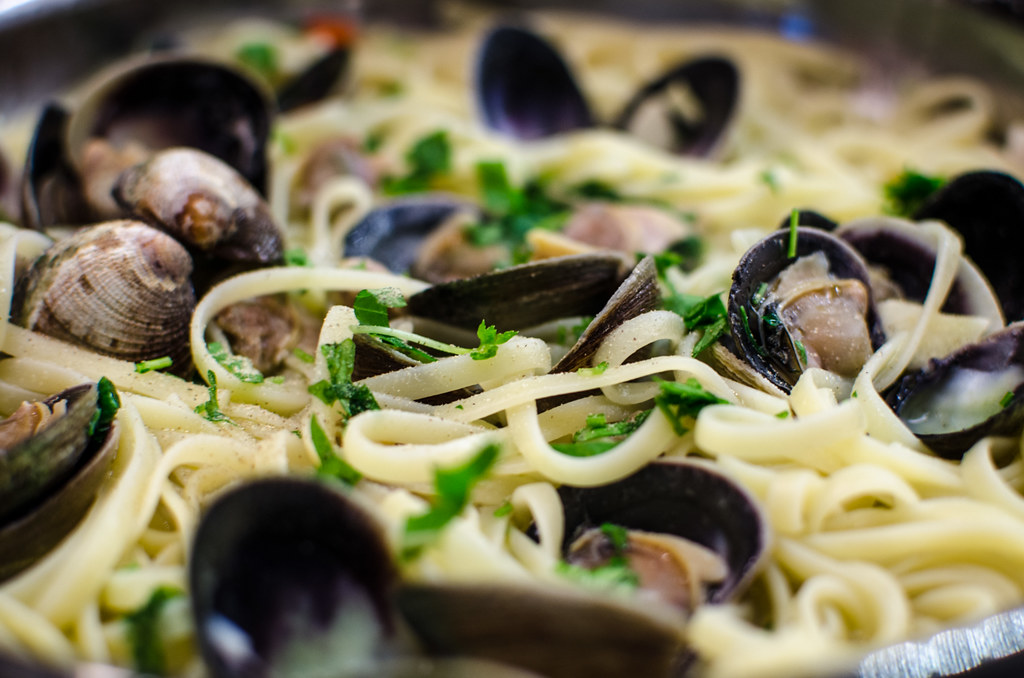
- Steam the clams: Add the clams to the pan, pour in the white wine, and cover with a lid. Cook for 4–6 minutes, shaking the pan once or twice, until the clams have opened. Discard any that stay closed.
- Build the sauce: Remove the clams with tongs to a bowl (or leave them in — your choice). Add the clam juice or pasta water to the pan and simmer for 1–2 minutes.
- Toss the pasta: Add the drained linguine to the skillet and toss for 1–2 minutes, adding splashes of pasta water, until the pasta is coated in a glossy sauce and cooked through.
- Return the clams: Add the clams back to the pan and toss gently to combine and reheat.
- Finish: Off the heat, stir in the parsley and lemon zest. Taste and adjust the seasoning — you will likely need little or no extra salt.
- Serve: Divide among warm bowls, piling the clams on top. Serve immediately with crusty bread.
Tips for Perfect Clam Linguine
- Do not skip the soak: A 20-minute soak in cold salted water lets the clams purge sand. Gritty pasta is the one thing that can ruin this dish.
- Watch the garlic: Pale gold is perfect; brown garlic turns bitter and will dominate the delicate clam flavor.
- Never overcook the clams: They open in 4–6 minutes. Overcooked clams shrink and turn rubbery, so take the pan off the heat as soon as most have opened.
- Undercook the pasta: Pull the linguine 2 minutes early — it finishes cooking in the sauce and absorbs the clam flavor.
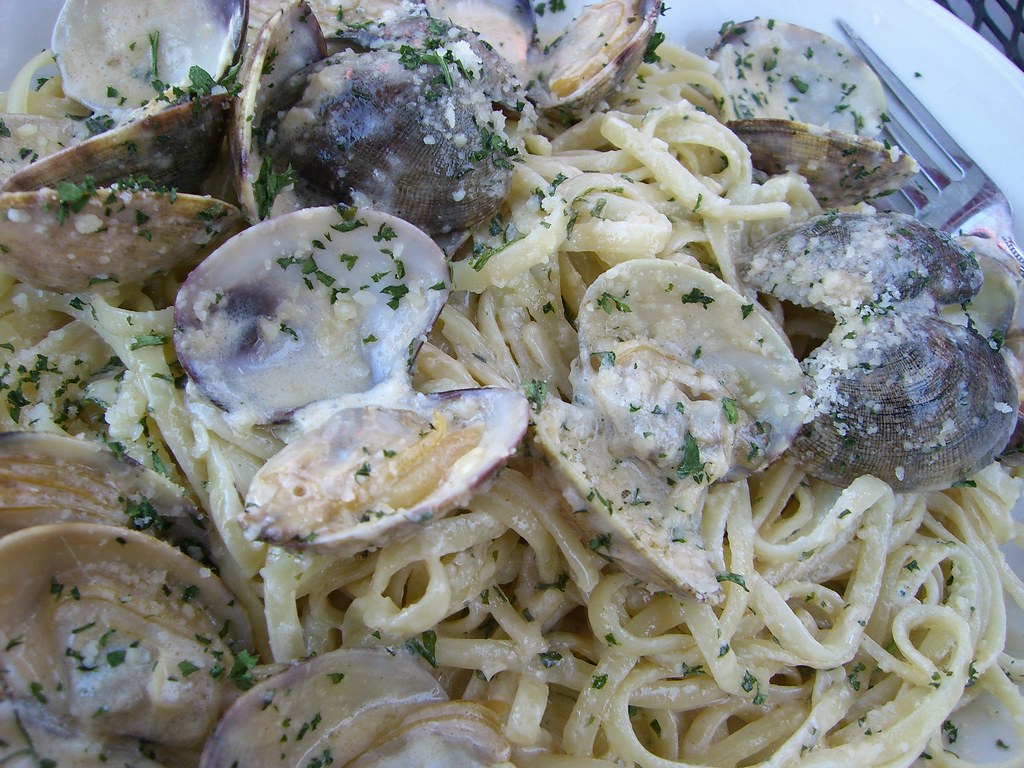
- Skip the cheese: Traditional linguine alle vongole has no Parmesan. The cheese fights the delicate briny flavor.
- Serve immediately: This dish is at its best the second it leaves the pan, while the sauce is glossy and the clams are plump.
Easy Variations to Try
- Red clam linguine: Add 1 cup of crushed tomatoes with the wine for the red (rossa) version — richer and heartier.
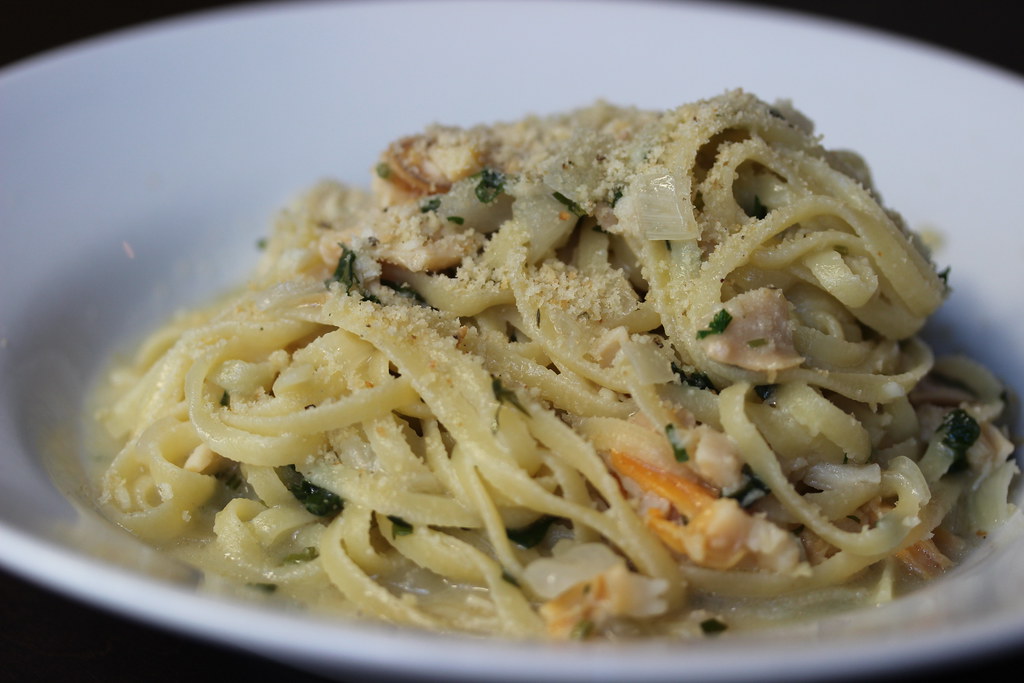
- Clam linguine with breadcrumbs: Toast 1/2 cup of breadcrumbs in olive oil with garlic and sprinkle over the top for crunch.
- Clams and mussels: Add 1 lb of mussels with the clams for a mixed shellfish linguine.
- Herb butter finish: Swirl in 2 tablespoons of cold butter at the end for a silkier, slightly richer sauce.
- Spicy clam linguine: Double the red pepper flakes and add a pinch of cayenne for real heat.
What to Serve With Clam Linguine
- Crusty Italian bread: Essential for the sauce at the bottom of the bowl.
- Simple green salad: Mixed leaves with lemon and olive oil keep things light.
- Grilled zucchini or asparagus: A simple vegetable side that does not compete with the clams.
- Chilled white wine: A dry Pinot Grigio, Vermentino or Muscadet is the classic pairing.
- Lemon sorbet or fresh fruit: A light, clean finish after a briny main course.
Make Ahead and Storage
- Make ahead: Soak and scrub the clams up to a few hours ahead and keep them refrigerated. Cook the dish fresh — clam linguine does not wait well.
- Leftovers: Store in an airtight container in the fridge for up to 1 day. Remove the clams from their shells first if you plan to reheat.
- Reheating: Warm gently in a covered skillet over low heat with a splash of white wine or water. Avoid high heat, which toughens the clams.
- Freezing: Not recommended — the clams become rubbery and the pasta goes soft.
Frequently Asked Questions
What kind of clams should I use?
Small clams are best — littlenecks or Manila clams are sweet, tender and open quickly. Large chowder clams are tougher and better suited to soups.
Can I use canned clams?
Yes. Use 2 cans (about 10 oz each) of chopped or whole clams with their juice. Add the clams at the end and warm them for just 1–2 minutes, and use the canned juice in place of the clam juice.
How do I get the sand out of clams?
Soak them in cold salted water (about 1 tablespoon of salt per quart) for 20–30 minutes, then rinse well. The clams will filter the water and release the sand.
Can I make this without wine?
Yes. Replace the wine with the same amount of clam juice, fish stock, or water with a squeeze of lemon.
Should I add cheese to clam linguine?
Traditionally, no — Italians generally do not put cheese on seafood pasta. If you love it, a light dusting will not ruin the dish, but try it without first.
How many clams per person?
About 1/2 lb (225 g) of small clams per person is a good portion — roughly 8–10 littlenecks each.
What if some clams do not open?
Discard them. A clam that stays closed after cooking was not alive and should not be eaten.
Can I make clam linguine gluten-free?
Yes — use gluten-free linguine or spaghetti. Cook it slightly less than the package says, since it finishes in the sauce.
Nutrition (Estimated)
Per serving (1 of 4): about 460 calories, 28 g protein, 55 g carbohydrates, 13 g fat, 2 g fiber, 540 mg sodium. Values are approximate and will vary with the size and type of clams used.
