
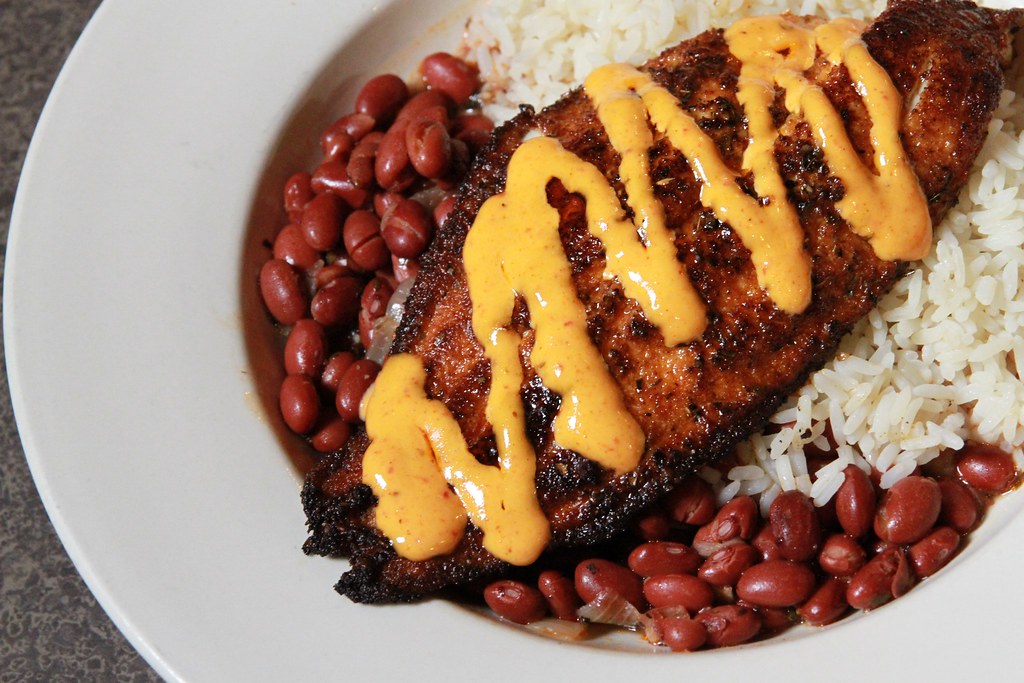
Prep Time: 10 minutes | Cook Time: 8 minutes | Total Time: 18 minutes | Servings: 4
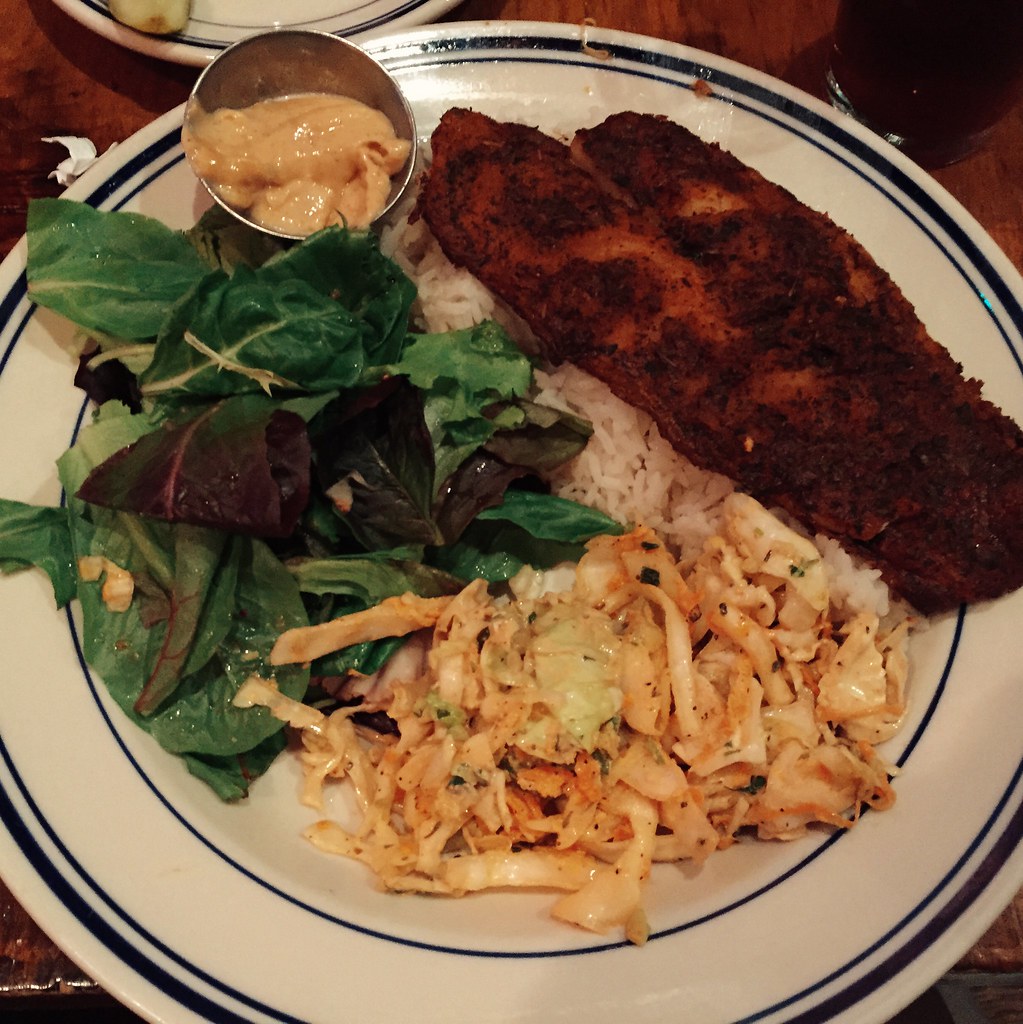
Few dishes deliver as much flavour in as little time as Blackened Catfish. A bold Cajun spice rub, a screaming-hot cast-iron skillet, and four minutes a side — that is all it takes to get a fillet with a dark, crackly, smoky crust and a moist, flaky centre. It is Louisiana cooking at its most direct: no breading, no batter, no deep frying, just spice and heat.
“Blackened” does not mean burnt. The technique, made famous in New Orleans, coats the fish in spices and sears it in a very hot skillet so the seasoning forms a deep brown, almost black crust. The inside stays juicy. Done right, it is smoky, a little spicy, and deeply savoury — the kind of dinner that makes a regular Tuesday feel like a trip to the French Quarter.
Catfish is the perfect fish for this method. It is firm, mild, and affordable, and it holds together in the hot skillet where a more delicate fish would fall apart. If you have never blackened anything before, this recipe is the place to start.
Why You’ll Love This Blackened Catfish
- Ready in 18 minutes — one of the fastest real dinners you can make.
- Big Cajun flavour — smoky, spicy, and savoury with a simple homemade rub.
- No breading or frying — just spice, butter, and a hot skillet.
- Affordable — catfish is one of the best-value fish at the counter.
- One pan — a cast-iron skillet does all the work, and cleanup is easy.
- Endlessly versatile — serve it with rice, in tacos, or over a salad.
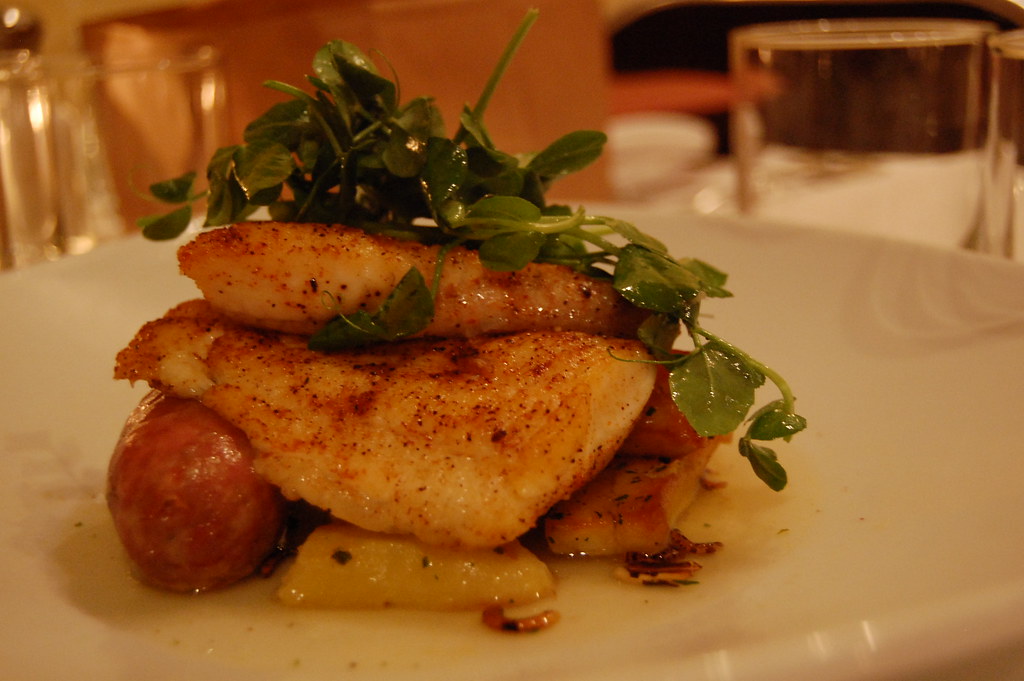
Ingredients You’ll Need
- 4 catfish fillets (6 oz / 170 g each) — fresh or thawed, patted very dry.
- 1 tablespoon smoked paprika — the backbone of the blackened flavour.
- 1 teaspoon garlic powder — savoury depth in the rub.
- 1 teaspoon onion powder — rounds out the spice blend.
- 1 teaspoon dried thyme — a classic Cajun herb note.
- 1 teaspoon dried oregano — earthy and aromatic.
- 1/2 teaspoon cayenne pepper — adjust up or down to your heat tolerance.
- 1/2 teaspoon black pepper — freshly ground.
- 1 teaspoon kosher salt — seasons the fish through.
- 2 tablespoons unsalted butter, melted — brushed on the fish so the spices stick and the crust forms.
- 1 tablespoon vegetable oil — for the skillet; it has a high smoke point.
- 1 lemon, cut into wedges — a squeeze at the end balances the spice.
- Fresh parsley, chopped, to garnish — optional, but it brightens the plate.
Equipment You’ll Need
- Cast-iron skillet (strongly recommended for the best crust)
- Small bowl for the spice rub
- Pastry brush
- Paper towels
- Tongs or a fish spatula
- Instant-read thermometer (optional)
How to Make Blackened Catfish
- Mix the rub. In a small bowl, combine the smoked paprika, garlic powder, onion powder, thyme, oregano, cayenne, black pepper, and salt. Stir well.
- Dry the fillets. Pat the catfish fillets dry on both sides with paper towels. A dry surface is essential for a good crust.
- Butter and season. Brush both sides of each fillet with melted butter, then coat generously with the spice rub, pressing it in with your fingers.
- Heat the skillet. Place a cast-iron skillet over high heat for 3 to 4 minutes until it is very hot — a drop of water should sizzle and vanish instantly. Add the oil and swirl to coat. Turn on your extractor fan and open a window: blackening makes smoke.
- Sear the first side. Lay the fillets in the skillet, leaving space between them. Cook for 3 to 4 minutes without moving them. The spices will darken and form a crust.
- Flip once. Turn the fillets carefully with tongs or a fish spatula and cook the second side for 3 to 4 minutes more.
- Check for doneness. The fish is done when it flakes easily with a fork and reaches 145°F / 63°C in the thickest part.
- Rest briefly. Transfer the fillets to a plate and rest for 2 minutes.
- Serve. Squeeze lemon over the top, sprinkle with parsley, and serve immediately.
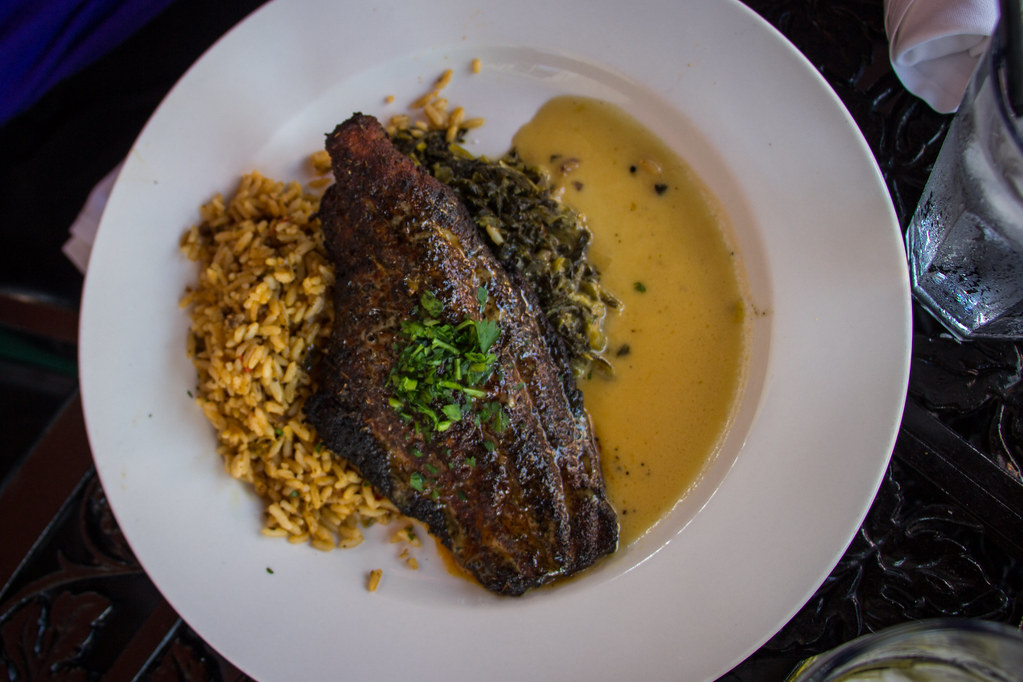
Tips for the Perfect Blackened Catfish
- Ventilate your kitchen. Blackening produces real smoke. Open a window and switch the extractor fan on high before you start.
- Use cast iron if you can. It holds the high, even heat that makes the crust. A heavy stainless steel pan is the next best option; nonstick will not get hot enough.
- Do not crowd the pan. Cook in two batches if needed — crowded fish steams instead of searing.
- Do not move the fish. Let the crust form undisturbed for the full 3 to 4 minutes per side.
- Control the heat. The spice mix should darken, not burn to bitter ash. If it starts smoking excessively, reduce the heat slightly.
- Pat dry, always. Moisture on the fillet prevents the rub from sticking and the crust from forming.
Easy Variations to Try
- Blackened fish tacos — flake the fish into warm tortillas with cabbage slaw, avocado, and lime crema.
- Milder version — cut the cayenne in half and add an extra teaspoon of paprika for kids or spice-sensitive eaters.
- Blackened salmon or redfish — the same rub works beautifully on any firm fillet.
- With remoulade — serve with a quick sauce of mayonnaise, Dijon mustard, lemon juice, and hot sauce.
- Grilled instead of pan-seared — cook on a hot, well-oiled grill for the same crust with a smoky edge.
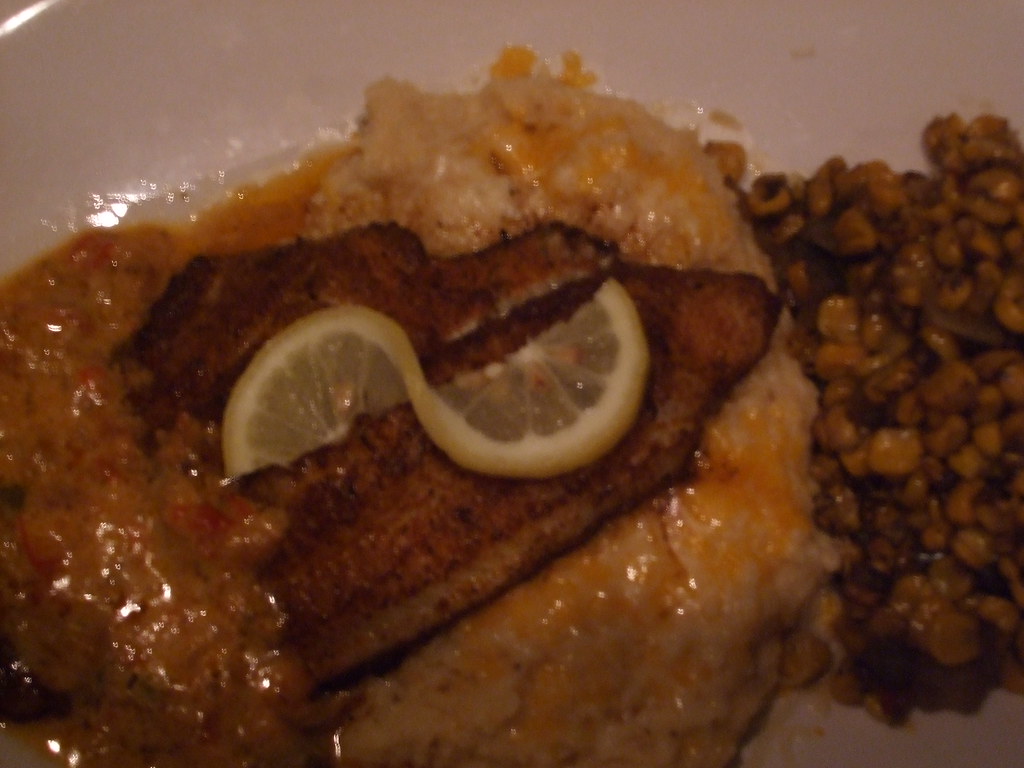
What to Serve With Blackened Catfish
- Dirty rice or red beans and rice — the classic Louisiana plate.
- Cheese grits — creamy, comforting, and made for blackened fish.
- Coleslaw — cool and crunchy against the spice.
- Corn on the cob — sweet corn balances the heat.
- Collard greens or sautéed kale — a Southern green with a little vinegar.
- Hush puppies — crisp, golden, and made for mopping up sauce.
Make Ahead and Storage
- Spice rub: mix a double batch and store it in a sealed jar for up to 3 months — it is great on chicken and shrimp too.
- Leftovers: store cooked catfish in an airtight container in the fridge for up to 2 days.
- Reheating: warm in a 350°F / 175°C oven for 8 minutes, or in a hot skillet for 1 to 2 minutes per side. The microwave will soften the crust.
- Freezing: not recommended; the crust loses its texture.
Frequently Asked Questions
Is blackened catfish supposed to be black?
Yes — the spice coating darkens to a deep brown, almost black crust in the hot skillet. That is the flavour, not a mistake. It should taste smoky and spicy, not burnt or bitter.
Is blackened catfish spicy?
Moderately. The heat comes mostly from the cayenne. Use 1/4 teaspoon for mild, or a full teaspoon if you like it hot.
Can I use a regular pan instead of cast iron?
You can, but a heavy stainless steel skillet works much better than nonstick. The pan needs to hold very high heat to form the crust.
What fish can I use instead of catfish?
Redfish is the traditional choice, and tilapia, cod, mahi-mahi, or salmon all blacken well.
Why is my kitchen so smoky?
Blackening is a high-heat, high-smoke technique by design. Always open a window and run the extractor fan before you start.
Can I make this in the oven?
It is not ideal — the crust needs direct contact with a very hot surface. If you must, bake at 450°F / 230°C on a preheated sheet pan for 10 to 12 minutes, but the crust will be lighter.
How do I know the catfish is done?
It should flake easily with a fork and be opaque throughout, with an internal temperature of 145°F / 63°C.
Nutrition (Estimated)
Per serving (1 fillet): approximately 290 calories, 34 g protein, 2 g carbohydrates, 16 g fat, 1 g fibre, 0 g sugar, 620 mg sodium. Values are approximate and will vary with fillet size and the amount of butter used.
