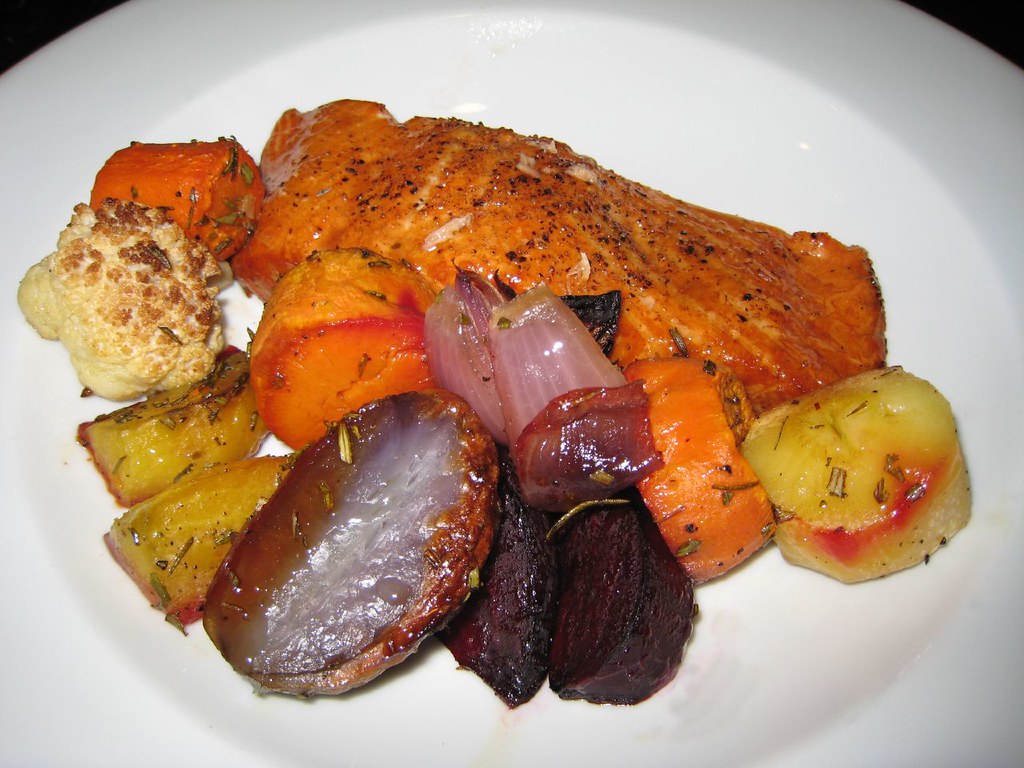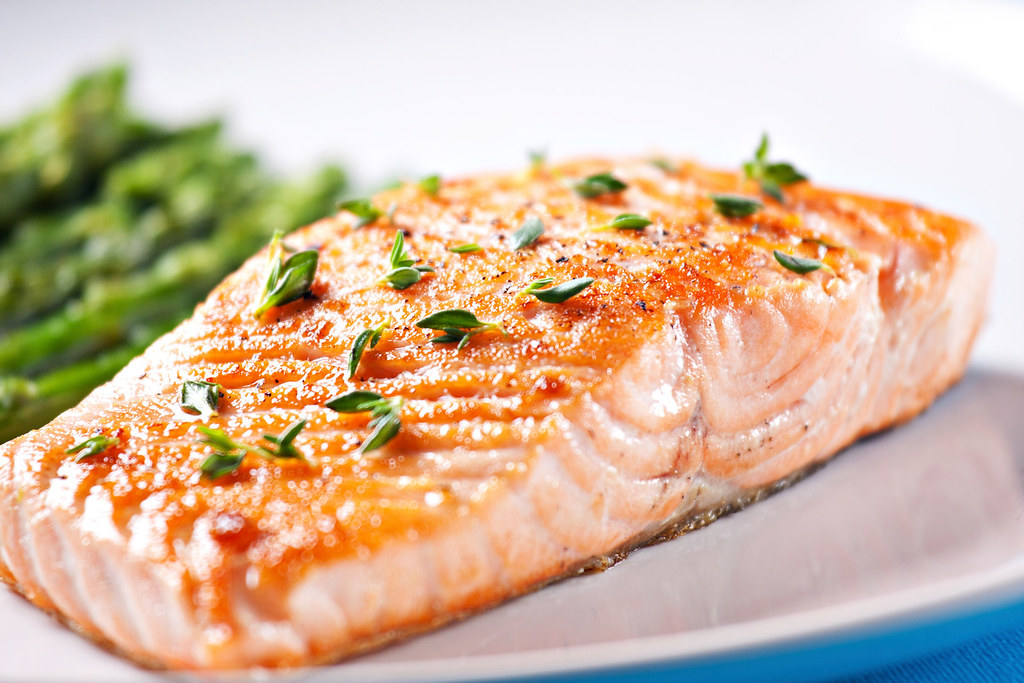
There is a particular kind of weeknight magic in a dinner that looks like you tried very hard — and took fifteen minutes. This baked salmon with honey mustard is exactly that. A sweet, tangy glaze of honey, Dijon, and a little garlic bakes into a golden, caramelized crust over flaky salmon, and the whole thing comes out of the oven before you have finished setting the table.
Honey mustard is one of those sauces that flatters everything it touches, and salmon is its best friend. The honey caramelizes at the edges, the mustard cuts through the richness of the fish, and a squeeze of lemon at the end wakes the whole plate up. It is the recipe you make when you want dinner to feel a little special without any extra work — and once you try it, it will earn a permanent spot in your rotation.
Prep Time: 10 minutes | Cook Time: 15 minutes | Total Time: 25 minutes | Servings: 4
Why You’ll Love This Baked Salmon with Honey Mustard
- Ready in 25 minutes, start to finish — most of that is hands-off oven time.
- Only one pan to wash — everything bakes on a single lined sheet pan.
- A glaze that caramelizes, not burns — the honey and mustard balance each other so the crust turns golden, not bitter.
- Flaky, moist, never dry — baking at the right temperature keeps the salmon tender inside.
- Pantry-friendly — honey, Dijon, garlic, and lemon are things most kitchens already have.
- Impressive enough for guests — it looks like a dinner-party main, but it is secretly a Tuesday-night recipe.
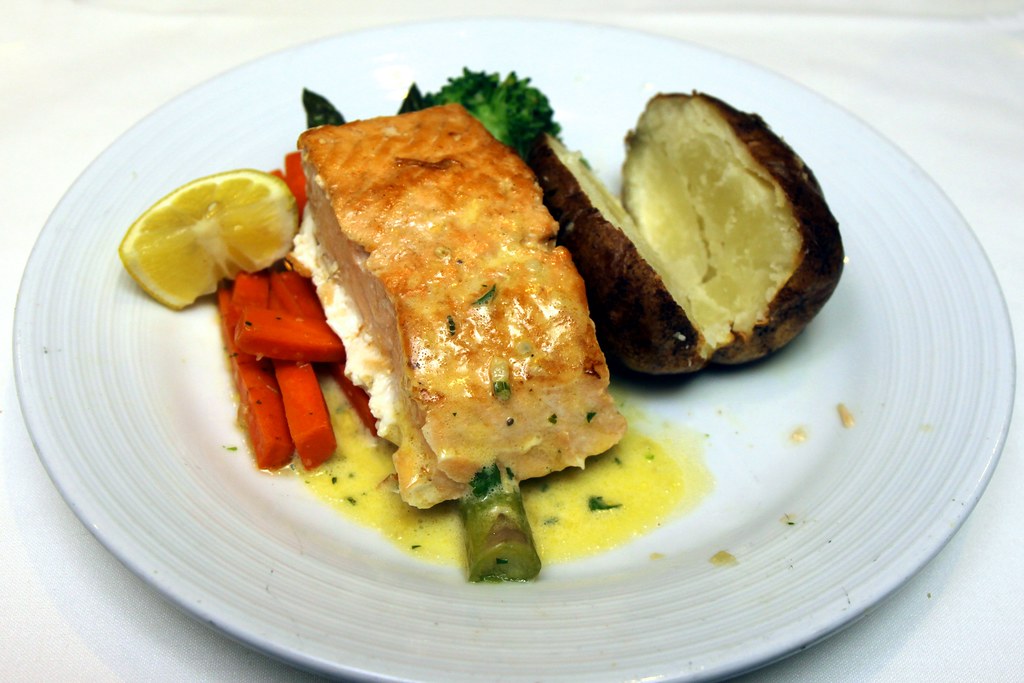
Ingredients You’ll Need
- 4 salmon fillets (about 6 oz / 170 g each) — skin-on or skinless both work; center-cut fillets cook most evenly.
- 3 tablespoons honey — the sweet half of the glaze; it caramelizes into a golden crust in the oven.
- 3 tablespoons Dijon mustard — sharp, tangy, and the backbone of the sauce; whole-grain Dijon adds lovely texture.
- 1 tablespoon whole-grain mustard — optional, but it gives the glaze a rustic, seedy bite.
- 2 cloves garlic, minced — adds savory depth that keeps the glaze from tasting one-note.
- 1 tablespoon olive oil — helps the glaze spread evenly and keeps the fish moist.
- 1 tablespoon fresh lemon juice — brightens the sauce and balances the honey’s sweetness.
- 1 teaspoon lemon zest — concentrated citrus aroma without extra liquid.
- 1/2 teaspoon smoked paprika — a whisper of smokiness that deepens the flavor.
- Salt and black pepper — season the fish well before the glaze goes on.
- Fresh dill or parsley, chopped — for a fresh, herby finish.
- Lemon wedges — for serving.
Equipment You’ll Need
- Rimmed baking sheet
- Parchment paper or aluminum foil
- Small bowl and whisk for the glaze
- Basting brush or spoon
- Instant-read thermometer (optional)
How to Make Baked Salmon with Honey Mustard
- Preheat the oven. Heat to 400°F (200°C) and line a rimmed baking sheet with parchment paper for easy cleanup.
- Make the honey mustard glaze. In a small bowl, whisk together the honey, Dijon, whole-grain mustard, garlic, olive oil, lemon juice, lemon zest, and smoked paprika until smooth.
- Prep the salmon. Pat the fillets dry with paper towels and season both sides with salt and pepper. Place them skin-side down on the prepared baking sheet, spacing them a couple of inches apart.
- Glaze generously. Spoon or brush about two-thirds of the honey mustard mixture over the top and sides of each fillet, reserving the rest for serving.
- Bake. Place the sheet pan in the center of the oven and bake for 12 to 15 minutes, depending on the thickness of your fillets. The salmon is done when it flakes easily and the glaze is bubbling and golden at the edges.
- Broil for the finish (optional). For extra caramelization, switch the oven to broil for 1 to 2 minutes at the very end — watch closely, as honey can go from golden to burnt in seconds.
- Rest briefly. Let the salmon rest on the pan for 2 to 3 minutes so the juices redistribute and the glaze sets.
- Serve. Transfer to plates, drizzle with the reserved glaze, scatter over the chopped dill or parsley, and serve with lemon wedges.
Tips for the Perfect Baked Salmon with Honey Mustard
- Do not overcook. Salmon goes from perfect to dry in about two minutes — pull it at 125°F (52°C) and let carryover heat finish the job.
- Pat the fish dry first. A dry surface helps the glaze cling and lets the top caramelize instead of steaming.
- Use real honey, not a blend. Pure honey caramelizes cleanly; blended syrups can taste flat and burn faster.
- Reserve some glaze. Brushing the cooked salmon with fresh, uncooked glaze at the end adds a bright, glossy finish.
- Let the oven do the work. Resist opening the door to check — every peek drops the temperature and dries the fish.
Easy Variations to Try
- Spicy honey mustard salmon — stir 1 teaspoon of sriracha or a pinch of cayenne into the glaze.
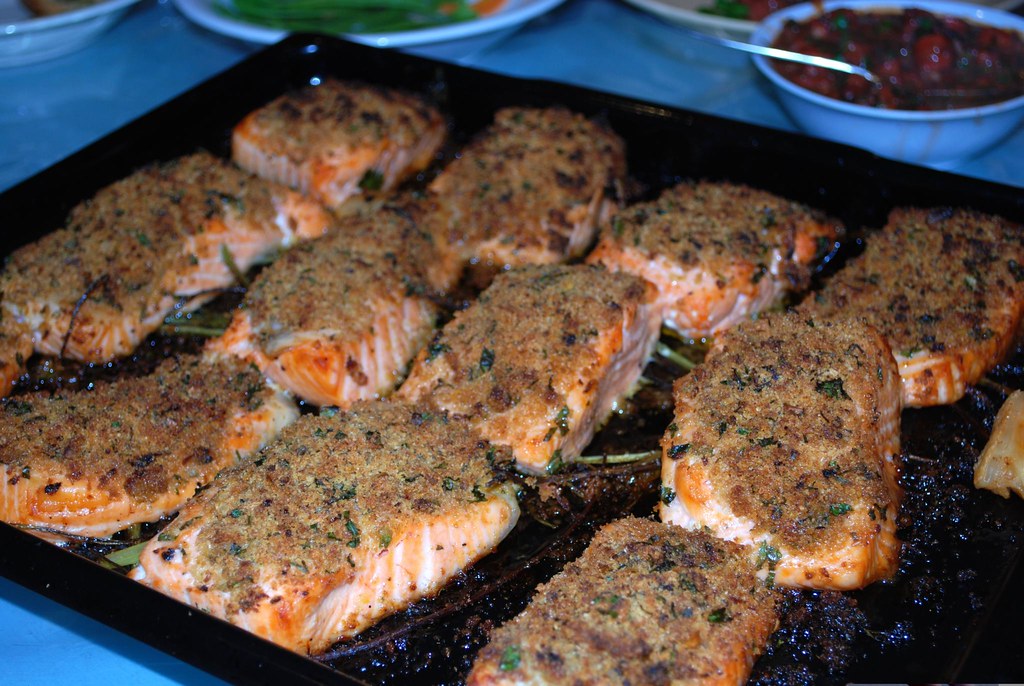
- Herb-crusted version — press a mixture of panko breadcrumbs, chopped dill, and lemon zest over the glaze before baking.
- Maple mustard salmon — swap the honey for pure maple syrup for a deeper, woodsy sweetness.
- Honey mustard salmon bowls — flake the cooked fish over rice or quinoa with roasted vegetables and extra glaze.
- Grilled version — cook the glazed fillets on a well-oiled grill over medium heat, 4 to 5 minutes per side.
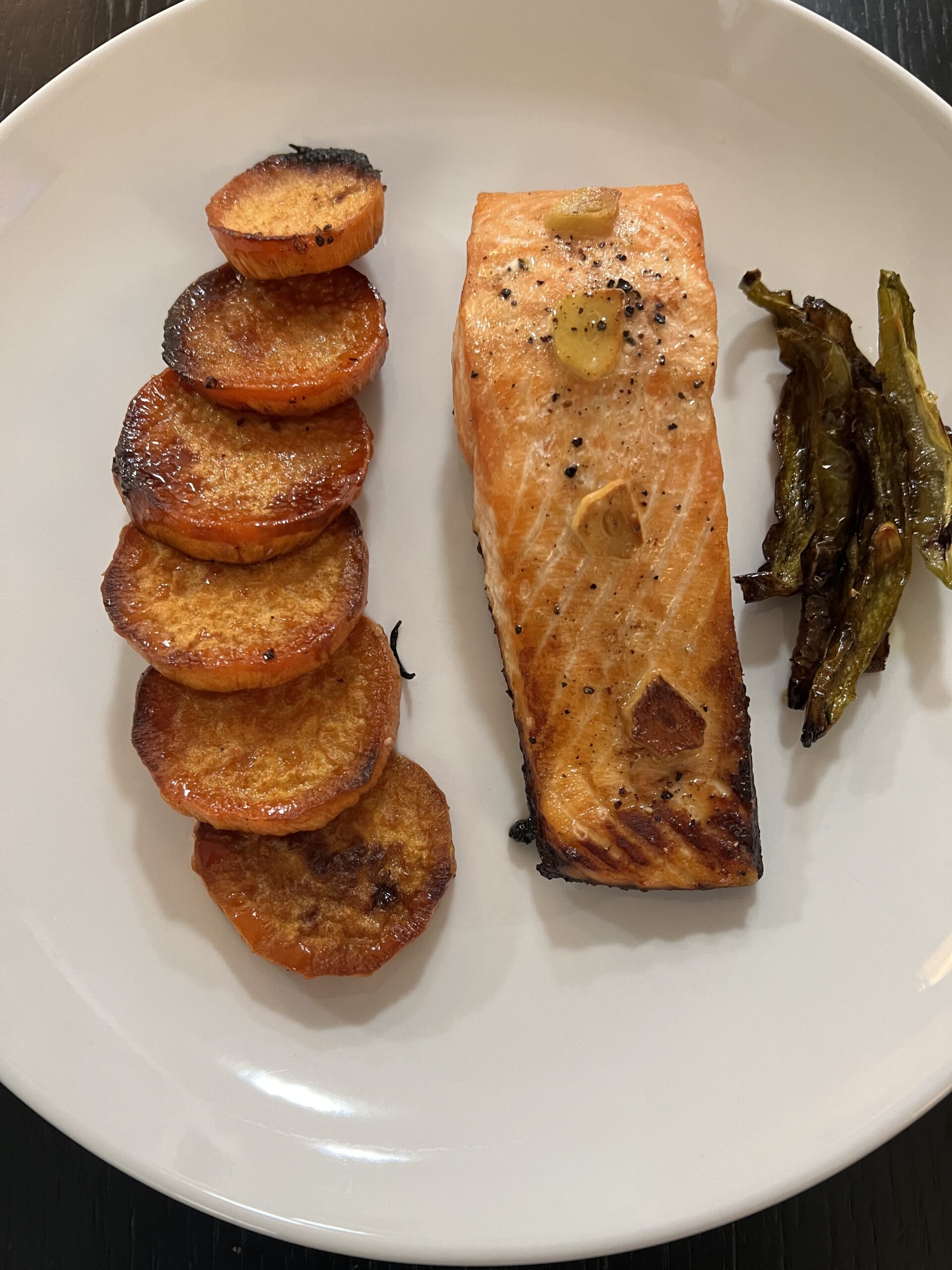
What to Serve With Baked Salmon with Honey Mustard
- Roasted asparagus or green beans — they can share the oven and the pan with the salmon.
- Garlic mashed potatoes — creamy and comforting next to the tangy glaze.
- Roasted sweet potatoes — their sweetness echoes the honey in the best way.
- Simple green salad with lemon vinaigrette — light and fresh, to balance the rich fish.
- Steamed rice or couscous — perfect for catching any extra glaze.
Make Ahead and Storage
- Make the glaze ahead: whisk it together and refrigerate for up to 5 days in a sealed jar.
- Leftovers: store in an airtight container in the refrigerator for up to 2 days.
- Reheating: warm gently in a 275°F (135°C) oven for 8 to 10 minutes, or in the microwave at 50% power — high heat will dry the fish out.
- Freezing: freeze cooked fillets for up to 2 months; thaw overnight in the fridge and reheat gently.
- Meal prep: bake a double batch and portion with vegetables and grains for the week.
Frequently Asked Questions
Can I use frozen salmon?
Yes — thaw it completely in the fridge overnight first, then pat it very dry. Cooking from frozen gives uneven results and a watery glaze.
What is the best mustard for this recipe?
Dijon gives the cleanest, sharpest flavor. Whole-grain mustard adds texture, and classic yellow mustard is too mild and vinegary here.
How do I know when the salmon is done?
It should flake easily with a fork and still look slightly translucent in the very center. An instant-read thermometer should read 125–130°F (52–54°C).
Can I make this without honey?
Yes — maple syrup is the best substitute, or use brown sugar dissolved in a tablespoon of warm water.
Why did my glaze burn?
Honey caramelizes fast under high heat. Keep the oven at 400°F (200°C) and only broil for 1 to 2 minutes at the end, watching the whole time.
Is this recipe gluten-free?
Yes, as written — just check that your Dijon mustard is certified gluten-free, which most are.
Can I cook the salmon on a cedar plank?
Absolutely — it adds a lovely smoky note. Soak the plank for an hour first and bake at 400°F (200°C) for 15 to 18 minutes.
Nutrition (Estimated)
Per serving (1 fillet with glaze): approximately 340 calories, 33 g protein, 13 g carbohydrates, 0 g fiber, 17 g fat, 11 g sugar, 420 mg sodium. Values are estimates and will vary with the exact brands and quantities used.