
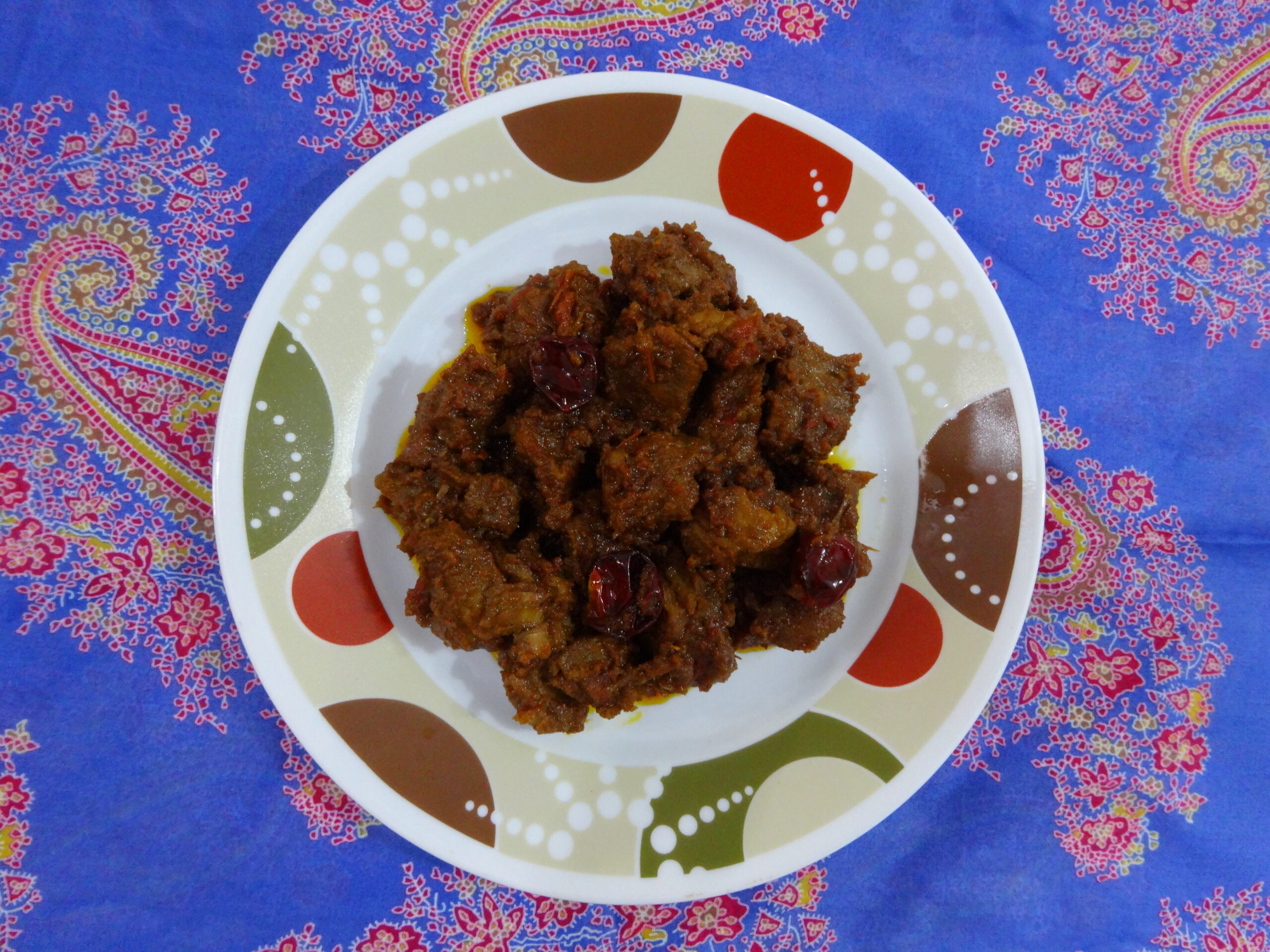
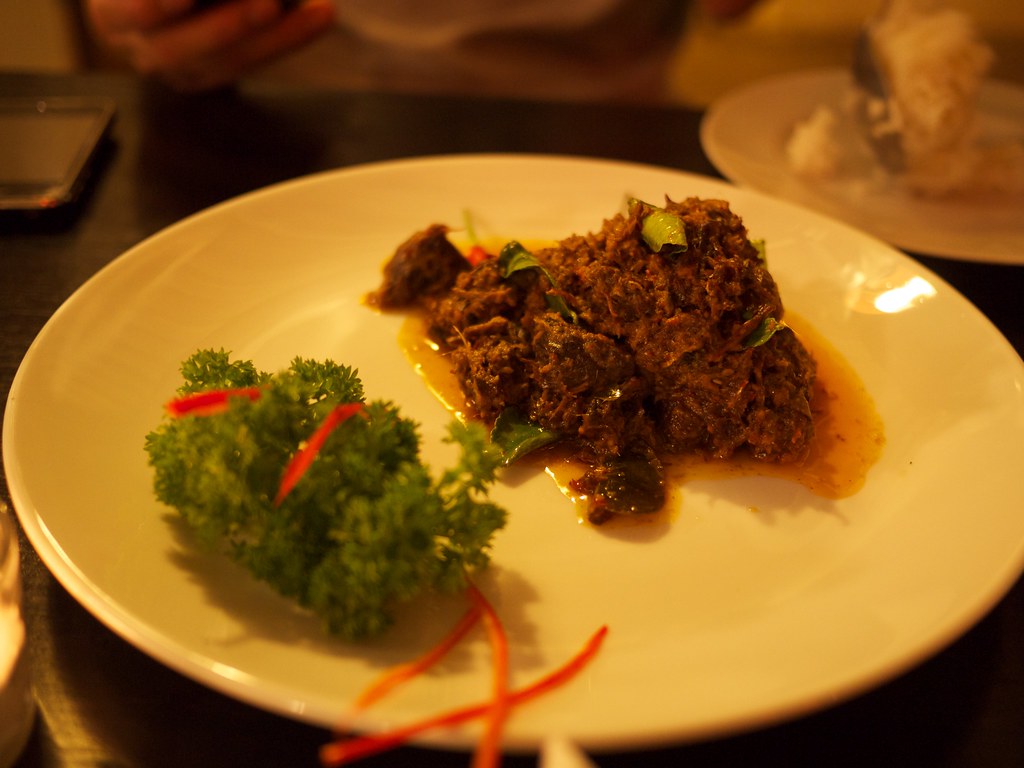
Beef rendang is one of the world’s great beef dishes — chunks of beef slow-cooked for hours in coconut milk, lemongrass, galangal, and a fragrant paste of chilies and spices, until the sauce reduces to a dark, caramelized coating that clings to every piece. The result is intensely aromatic, gently spicy, and so tender the beef falls apart with a spoon.
Originating with the Minangkabau people of West Sumatra, Indonesia, rendang was traditionally cooked for hours over low heat for festive occasions. The long cooking time is also what made it last — the dry, spiced beef kept for days without refrigeration. Today it is celebrated around the world, and once you taste the real thing, you will understand why.
Prep Time: 30 minutes | Cook Time: 3 hours | Total Time: 3 hours 30 minutes | Servings: 6
Why You’ll Love This Beef Rendang
- Incredible depth of flavor: Lemongrass, galangal, turmeric, and chilies build layers of warm, aromatic spice.
- Melt-in-your-mouth beef: Three hours of slow braising turns beef chuck into spoon-tender morsels.
- The sauce is the star: Coconut milk reduces into a rich, dark, caramelized coating — not a soupy curry.
- Mostly hands-off: After the spice paste is made, the pot simmers gently with only occasional stirring.
- Even better the next day: Like all great braises, rendang tastes better after a night in the refrigerator.
- A showstopper dinner: Serve it with steamed rice and it feels like a feast, even on a weeknight.
Ingredients You’ll Need
- 2 lbs (900 g) beef chuck, cut into 2-inch cubes: Chuck is perfect for rendang — it becomes tender while the sauce reduces.
- 2 cans (13.5 oz / 400 ml each) full-fat coconut milk: Do not shake the cans; the thick cream on top is used first for frying the spice paste.
- 2 stalks lemongrass, bruised and tied in a knot: Adds a bright, citrusy aroma that defines rendang.
- 3-inch piece galangal, sliced: A cousin of ginger with a sharper, more citrusy flavor; ginger is the closest substitute.
- 4 kaffir lime leaves: Torn in half to release their fragrant oils. Dried leaves work too.
- 1 cinnamon stick: Adds warmth to the spice base.
- 2 star anise: A subtle licorice note that deepens the sauce.
- 3 cardamom pods, lightly crushed: For a floral, aromatic lift.
- 2 tablespoons tamarind paste: Adds the gentle sour note that balances the rich coconut milk.
- 1 tablespoon brown sugar or palm sugar: A touch of sweetness to round out the spices.
- 1 teaspoon salt, plus more to taste: Season at the end, after the sauce has reduced.
- For the spice paste (bumbu): 6 dried red chilies, soaked in hot water: The backbone of the heat — adjust to your taste.
- 5 shallots, peeled: Sweeter and milder than onion, they form the base of the paste.
- 4 cloves garlic: Essential savory depth.
- 1-inch piece fresh ginger, peeled: Warmth and bite.
- 1-inch piece fresh turmeric, peeled (or 1 teaspoon ground turmeric): Gives rendang its golden color.
- 1 teaspoon ground coriander: Earthy and citrusy.
- 1/2 teaspoon ground cumin: Warm and smoky.
- 2 tablespoons vegetable oil: For frying the spice paste, if needed.
Equipment You’ll Need
- Blender or food processor (for the spice paste)
- Large heavy pot or Dutch oven with a lid
- Wooden spoon
- Knife and cutting board
How to Make Beef Rendang
- Make the spice paste: Drain the soaked dried chilies. Add them to a blender with the shallots, garlic, ginger, turmeric, coriander, and cumin, plus a splash of water. Blend to a smooth, thick paste, adding a little more water only as needed.
- Start the coconut milk: Open the coconut milk cans without shaking them and spoon the thick cream from the top into a large heavy pot. Heat over medium heat until the cream starts to split and the oil separates, about 5 minutes.
- Fry the spice paste: Add the spice paste to the pot and fry in the coconut oil, stirring constantly, for 8 to 10 minutes, until the paste darkens, smells deeply fragrant, and the oil separates around the edges. This step builds the flavor base — do not rush it.
- Add the beef and aromatics: Add the beef cubes and stir to coat them in the paste. Add the remaining coconut milk, lemongrass, galangal, kaffir lime leaves, cinnamon stick, star anise, and cardamom pods. Stir well.
- Simmer gently: Bring to a gentle simmer, then reduce the heat to low. Cook uncovered, stirring every 15 to 20 minutes, for about 2 hours. The sauce will slowly thicken and darken.
- Add the tamarind and sugar: Stir in the tamarind paste and brown sugar. Continue simmering for another 45 minutes to 1 hour, stirring more often as the sauce thickens, until the sauce has reduced to a thick, dark coating that clings to the beef and the oil glistens on the surface.
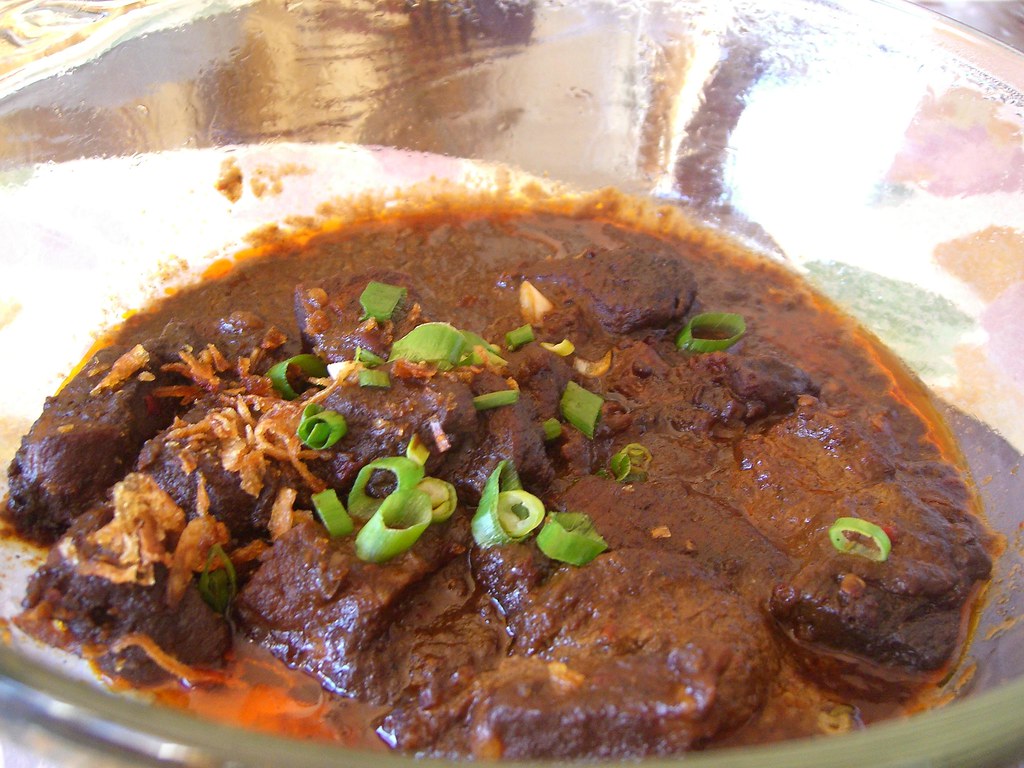
- Check the texture: The beef should be completely tender and the sauce should be dark brown and almost dry — rendang is not a saucy curry. If the beef is tender but the sauce is still wet, raise the heat slightly and stir constantly until it reduces.
- Rest and serve: Remove the lemongrass, galangal slices, cinnamon stick, star anise, and lime leaves. Season with salt to taste. Let the rendang rest for 10 minutes, then serve hot with steamed jasmine rice.
Tips for the Perfect Beef Rendang
- Fry the paste properly: The spice paste must fry until the oil separates — this “pecah minyak” stage is what gives rendang its deep, cooked-spice flavor instead of a raw, harsh taste.
- Use full-fat coconut milk: Light coconut milk will not split properly and the sauce will never reduce to the right texture.
- Cook it uncovered: Rendang needs evaporation to reduce the sauce. A lid traps steam and keeps it soupy.
- Stir more as it thickens: In the last hour, stir every 10 minutes so the sauce does not catch and burn on the bottom.
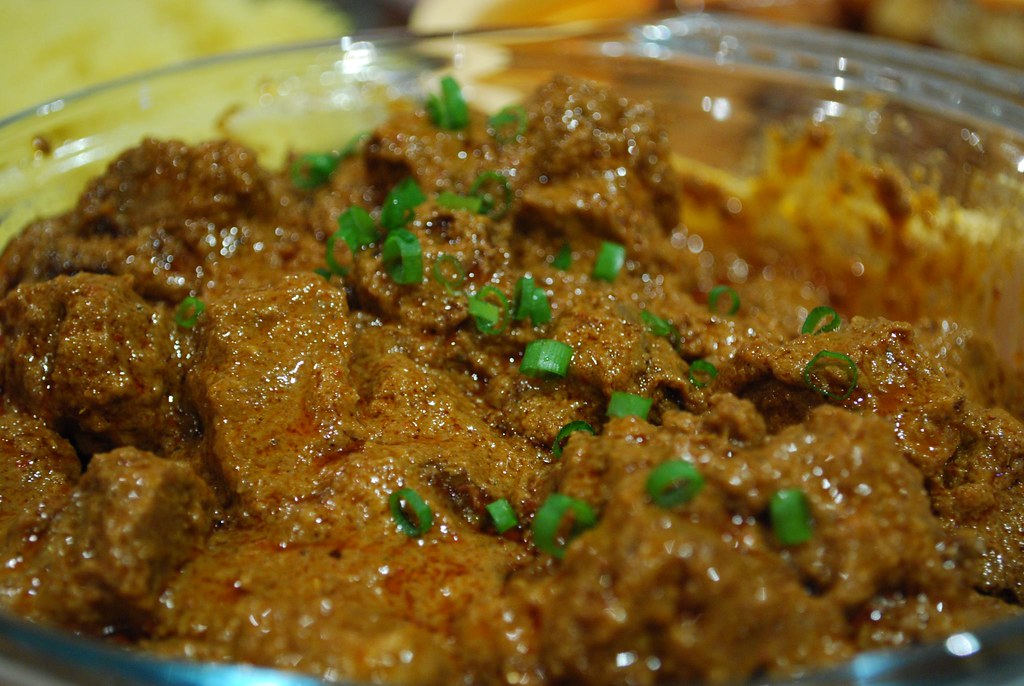
- Be patient with the color: The sauce darkens slowly from golden to deep brown — that dark color is the sign of a great rendang.
Easy Variations to Try
- Chicken rendang: Use bone-in chicken thighs and reduce the cooking time to about 1 hour — the same spice paste works beautifully.
- Milder rendang: Use 3 dried chilies instead of 6 and remove the seeds for a gentle warmth that kids can enjoy.
- Extra hot: Add 2 fresh red chilies to the spice paste for a fierier version.
- Slow cooker rendang: Fry the paste and brown the beef as directed, then transfer everything to a slow cooker and cook on low for 6 to 7 hours with the lid slightly ajar so the sauce reduces.
- Vegetarian rendang: Swap the beef for jackfruit or firm tofu and mushrooms, and reduce the cooking time to about 45 minutes.
What to Serve With Beef Rendang
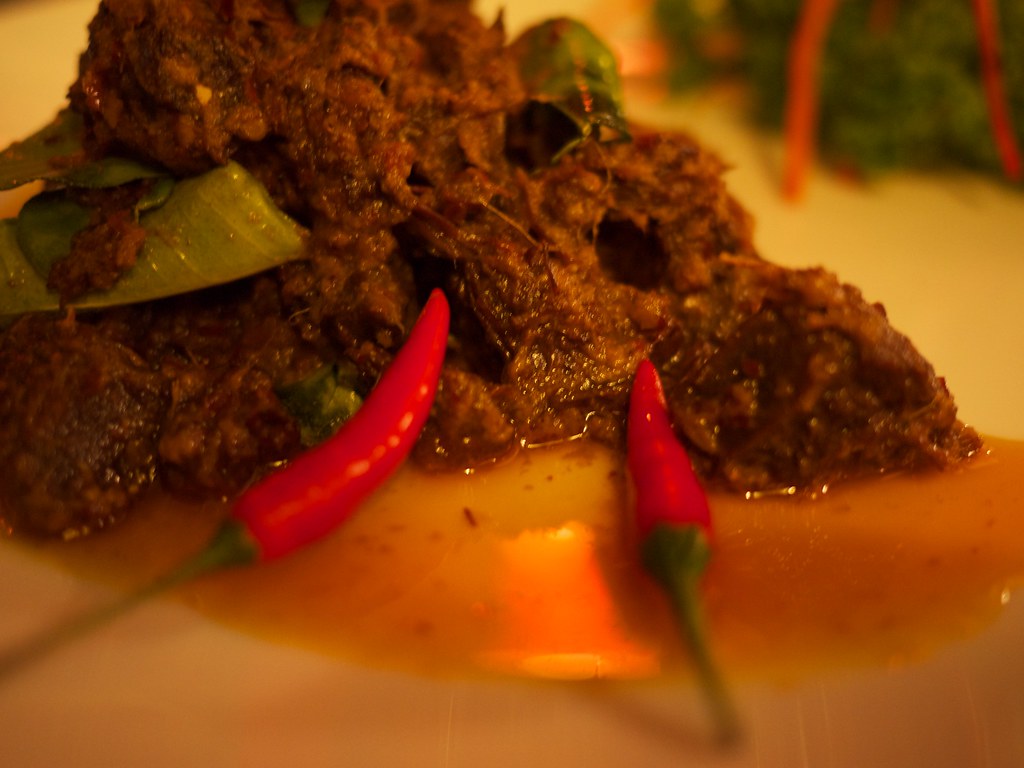
- Steamed jasmine rice: The essential partner — plain rice lets the rich sauce shine.
- Nasi lemak: Coconut rice with cucumber, peanuts, and a boiled egg for a full Malaysian-style plate.
- Cucumber salad: A simple sliced cucumber with a little vinegar and salt cools the palate.
- Sambal: A spoonful of chili sambal on the side for those who want extra heat.
- Roti or flatbread: For scooping up the thick, spiced sauce.
Make Ahead and Storage
- Make ahead: Rendang is famously better the next day. Cook it fully, cool, and refrigerate — the flavors deepen overnight.
- Refrigerator: Store in an airtight container for up to 5 days.
- Freezer: Freeze for up to 3 months. The texture holds up beautifully because the beef is already braised.
- Reheating: Warm gently in a covered pot over low heat with a splash of water or coconut milk to loosen the sauce.
Frequently Asked Questions
What is the difference between rendang and curry?
Rendang is a “dry” curry — the coconut milk and spice paste are cooked down until the sauce becomes a thick, dark coating on the meat, rather than a soupy sauce. It also cooks much longer, typically 3 hours or more.
Can I use ginger instead of galangal?
Yes, ginger is the closest substitute, though the flavor is a little sharper and less citrusy. Use the same amount. If you can find galangal at an Asian market, it is worth it for authenticity.
Do I have to use dried chilies?
Dried red chilies give rendang its deep color and rounded heat. Fresh red chilies work too, but the color will be brighter and the heat a bit sharper. Use about 4 fresh chilies in place of the dried ones.
Why is my rendang still saucy after 3 hours?
It probably needs more time uncovered, or the heat was too low. Raise the heat to medium-low and stir frequently — the sauce will reduce. Make sure you are using full-fat coconut milk, not the light kind.
Can I make rendang in a pressure cooker?
Yes. Cook the paste and beef under pressure for 35 minutes, then release and simmer uncovered to reduce the sauce to the right consistency. It saves about an hour.
Is rendang very spicy?
It has a warm, lingering heat, but it is not fiery. The coconut milk and sugar soften the chilies. Adjust the number of dried chilies to control the heat level.
What do I do with the lemongrass and whole spices?
They are aromatics, not meant to be eaten. Fish them out before serving — the lemongrass stalk, galangal slices, cinnamon stick, star anise, and lime leaves have all given their flavor to the sauce by then.
Nutrition (Estimated)
Per serving (without rice): approximately 520 calories, 38 g protein, 10 g carbohydrates, 36 g fat, 2 g fiber, 4 g sugar, 590 mg sodium. Values are approximate and will vary with the exact ingredients used.
