

The Martini is the most iconic cocktail ever made. Two ingredients, one glass, zero room to hide — gin, dry vermouth, and an olive (or a lemon twist) in a perfectly chilled glass. It is elegant, bracing, and endlessly debated, which is exactly why it has survived more than a century of cocktail trends.
Stirred, never shaken. Ice-cold, never warm. Dry, never sweet. Master those three rules and you can make a martini as good as any bar in the world — in five minutes, in your own kitchen.
Prep Time: 5 minutes | Servings: 1 cocktail | Course: Drinks / Cocktails | Cuisine: American
Please drink responsibly. You must be 21 or older to drink alcohol in the United States.
Why You’ll Love This Martini

Some cocktails earn a permanent place in your repertoire because they are simple, timeless, and impossible to improve. The martini checks every box:
- Just two ingredients. Gin and dry vermouth — that is the whole recipe. When a drink is this simple, quality matters, and every choice you make shows.
- Ready in 5 minutes. Stir, strain, garnish, serve. No shaking, no syrups, no special equipment beyond a glass and a spoon.
- Endlessly customizable. Dry or wet, olive or lemon twist, gin or vodka — the martini bends to your taste without ever losing its identity.
- The ultimate aperitif. Crisp, cold, and appetite-whetting, it is the drink that opens an evening properly.
- A century of history. From the golden age of cocktails to James Bond, the martini is the drink that defines cocktail culture itself.
- Impressive with zero effort. Serve a properly chilled martini in a frozen glass and your guests will think you trained as a bartender.
Whether it is a Friday evening, a dinner party, or a quiet night in, a well-made martini is always the right choice. Make it once, and it will become your signature drink.
Ingredients You’ll Need
The ingredients are few, so each one matters. Here is everything you need for one perfect martini:
- 2 1/2 oz (75 ml) London dry gin — the backbone of the drink. Choose a gin you enjoy drinking on its own: juniper-forward and clean. A good London dry gin is the classic choice.
- 1/2 oz (15 ml) dry vermouth — the second half of the classic 5:1 ratio. It softens the gin and adds a whisper of herbal complexity. Use fresh vermouth — it goes stale once opened, so keep it in the fridge and replace it within a month or two.
- Ice cubes — large, fresh, cold cubes for stirring. Old freezer ice absorbs odors and melts too fast, watering down the drink.
- 2 green olives, for garnish — the classic garnish. Use good-quality olives, not the canned kind. A lemon twist is the other classic option.
- Optional: 1 dash orange bitters — a traditional addition that rounds out the flavors without changing the character of the drink.
A note on the ratio: the classic martini is 5 parts gin to 1 part vermouth (2 1/2 oz gin, 1/2 oz vermouth). Prefer it drier? Use 1/4 oz of vermouth. Prefer it wetter? Use 1 oz. The ratio is a starting point, not a law — adjust it until it tastes like your martini.
Equipment You’ll Need
You do not need a full bar — just the basics:
- A mixing glass — a pint glass or a dedicated mixing glass works perfectly.
- A long bar spoon — for stirring. A chopstick or a butter knife works in a pinch.
- A jigger or measuring cup — for accurate measures. The martini is all about balance, and guessing ruins it.
- A strainer — a Hawthorne or julep strainer, or a small fine-mesh sieve, to keep the ice out of the glass.
- A chilled martini glass (coupe or V-shaped) — put it in the freezer for at least 15 minutes before you start. A warm glass is the fastest way to ruin a martini.
How to Make a Martini

Follow these simple steps and you will have a perfect martini in five minutes:
- Chill the glass. Put your martini glass in the freezer for at least 15 minutes. A frosted glass keeps the drink ice-cold to the last sip.
- Fill the mixing glass with ice. Fill a mixing glass two-thirds full with fresh ice cubes.
- Add the gin and vermouth. Pour in 2 1/2 oz (75 ml) of gin and 1/2 oz (15 ml) of dry vermouth. Add a dash of orange bitters if you like.
- Stir — do not shake. Stir gently and steadily for 30 seconds. Stirring chills and dilutes the drink without clouding it. Shaking a martini makes it cloudy and bruises the gin.
- Taste and adjust. Taste a small sip from the spoon. Too strong? Stir 10 seconds more. Too dry? Add a splash more vermouth.
- Strain into the chilled glass. Strain the martini into your frozen martini glass, leaving the ice behind.
- Garnish with olives. Drop in two green olives on a cocktail pick, or spear them and rest them on the rim.
- Or garnish with a lemon twist. Cut a strip of lemon peel, hold it over the glass, and squeeze it gently to release the oils over the surface, then rub the peel around the rim and drop it in.
- Serve immediately. A martini waits for no one — serve it the moment it is strained, ice-cold and crystal clear.
Tips for the Perfect Martini
These small details make the difference between a good martini and a great one:
- Stir, never shake. Shaking introduces air and tiny ice shards, making the drink cloudy. Stirring keeps it silky and clear. (James Bond was wrong — but he looked great doing it.)
- Chill everything. The glass, the gin, the vermouth, the mixing glass — the colder everything starts, the less the ice melts, and the cleaner the drink tastes.
- Use fresh vermouth. Vermouth is wine, and it oxidizes once opened. Keep it refrigerated and use it within 4–6 weeks. If it smells flat or vinegary, it is time for a new bottle.
- Stir for a full 30 seconds. Under-stirring leaves the drink too strong and warm; over-stirring (past 45 seconds) over-dilutes it. Thirty seconds is the sweet spot.
- Use large, fresh ice. Big cubes melt more slowly, giving you controlled dilution instead of a watery drink.
- Choose your gin with care. In a martini, the gin is the drink. Use a gin you genuinely like — juniper-forward London dry gin is the classic, but a softer, more floral gin makes a lovely variation.
- Do not skip the garnish. The olive adds a briny note that completes the drink; the lemon twist adds bright citrus oils. The garnish is not decoration — it is an ingredient.
Easy Variations to Try
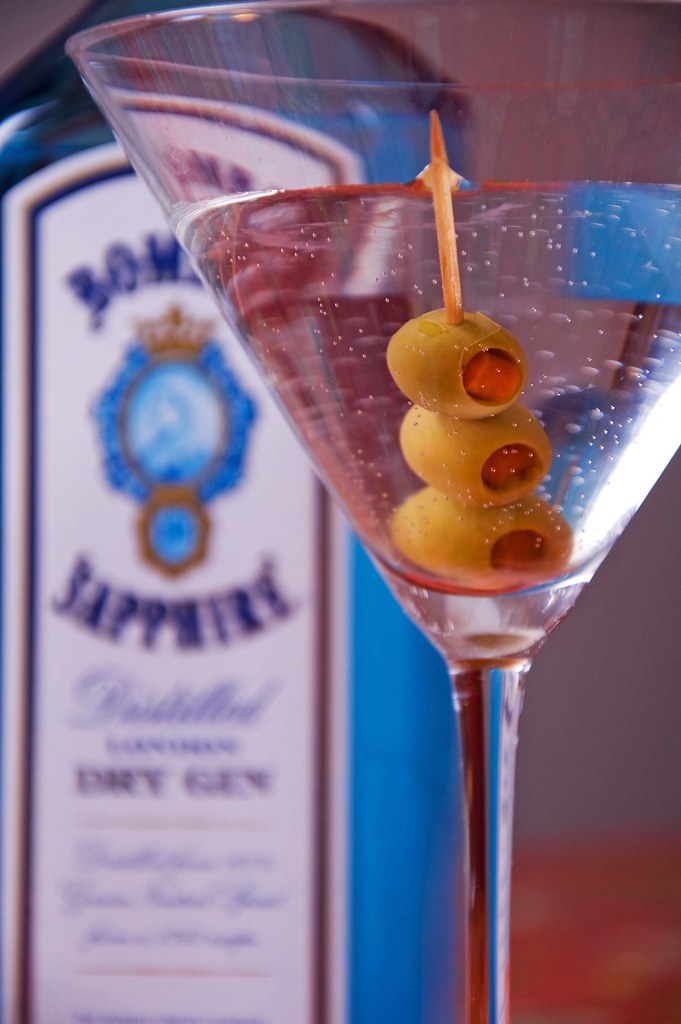
Once you master the classic, try one of these twists. Each one keeps the same method — only the details change:
- Dirty Martini. Add 1/2 oz (15 ml) of olive brine to the classic recipe. Salty, savory, and deeply satisfying.
- Vodka Martini. Replace the gin with vodka for a smoother, cleaner drink. Garnish with a lemon twist — vodka martinis rarely take olives.
- Gibson. Garnish with a cocktail onion instead of an olive. The onion adds a sharp, savory bite that is completely different from the olive.
- Perfect Martini. Use equal parts dry and sweet vermouth (1/4 oz each) instead of dry vermouth alone, for a rounder, slightly sweeter drink.
- Wet Martini. Use 1 oz (30 ml) of dry vermouth instead of 1/2 oz — softer, more herbal, and more forgiving if your gin is very bold.
- Espresso Martini. Shake 2 oz vodka, 1 oz fresh espresso, 1/2 oz coffee liqueur, and 1/2 oz simple syrup with ice. A completely different drink — but the same glass.
- 50/50 Martini. Equal parts gin and dry vermouth (1 1/2 oz each). Lighter, more delicate, and perfect for a long evening.
What to Serve With a Martini
A martini is an aperitif, and the right food makes it even better:
- Olives and nuts. Marinated olives, salted almonds, and cashews are the classic bar snacks — salty, crunchy, and perfect with a cold martini.
- Oysters. A martini and a plate of oysters is one of the great pairings in all of food and drink.
- Smoked salmon blinis. Smoked salmon, crème fraîche, and dill on a small pancake — elegant and effortless.
- Cheese. Aged cheddar, Manchego, or a creamy goat cheese with crackers. The salt and fat balance the gin beautifully.
- Prosciutto and melon. Sweet, salty, and refreshing — a perfect light bite before dinner.
- At a dinner party. Serve martinis as guests arrive, with a small plate of olives and nuts. It sets the tone for the whole evening.
Make Ahead and Storage

A martini is a drink to make fresh — but you can prepare for a crowd:
- Batch for a party: multiply the recipe by 8 and stir the gin and vermouth together in a large pitcher or bottle (no ice). Keep it in the fridge or freezer. When guests arrive, stir the batched mix with ice in a mixing glass for 30 seconds per drink and strain into chilled glasses. Never add the ice to the pitcher — it will over-dilute the whole batch.
- Pre-chill everything: keep the gin and vermouth in the freezer and the glasses in the freezer too. A martini made from freezer-cold ingredients needs less stirring and stays colder longer.
- Storage: gin and vermouth should be stored separately. Gin keeps indefinitely at room temperature; vermouth must be refrigerated after opening and used within 4–6 weeks.
- Leftover batched martini: an unstirred batch of gin and vermouth (no ice) keeps in the fridge for up to 2 weeks. Stir with fresh ice when you are ready to serve.
Frequently Asked Questions
Should a martini be shaken or stirred?
Stirred. Shaking introduces air and ice shards, making the drink cloudy and over-diluted. Stirring chills and dilutes gently, keeping the martini silky and crystal clear. The only martinis that should be shaken are ones with juice or cream, like the espresso martini.
What is the best gin for a martini?
A London dry gin is the classic choice — juniper-forward, clean, and bold enough to stand up to the vermouth. Use a gin you enjoy drinking. Avoid heavily flavored gins, which can overpower the delicate balance of the drink.
How dry should a martini be?
That is personal taste. The classic ratio is 5:1 (gin to vermouth). Drier means less vermouth — some people just rinse the glass with vermouth and pour it out. Wetter means more vermouth, up to a 1:1 ratio. Start at 5:1 and adjust from there.
Can I make a martini with vodka?
Yes — a vodka martini is a legitimate variation, and it is smoother and cleaner than the gin version. Use the same ratio (2 1/2 oz vodka, 1/2 oz dry vermouth) and garnish with a lemon twist.
Why does my martini taste too strong?
You probably under-stirred it. Stirring for a full 30 seconds adds the right amount of water from the melting ice, which softens the alcohol and opens up the flavors. A martini that is too strong is usually a martini that was not stirred long enough.
What is a dirty martini?
A dirty martini adds olive brine — usually 1/2 oz (15 ml) — to the classic recipe. It is salty, savory, and cloudy instead of clear. Add the brine before stirring, and garnish with extra olives.
How do I make a lemon twist?
Use a vegetable peeler to cut a strip of lemon peel about 2 inches long, avoiding the white pith. Hold it over the drink, skin side down, and squeeze gently to release the citrus oils over the surface. Rub the peel around the rim of the glass, then drop it in.
Can I make martinis ahead for a party?
Yes — batch the gin and vermouth (no ice) in a bottle and keep it in the fridge or freezer. Stir each drink with fresh ice for 30 seconds when you serve it. Pre-chill the glasses too, so the drinks stay ice-cold.
Nutrition (Estimated)
Per serving (1 martini, classic recipe): approximately 160 calories, 0 g fat, 0 g carbohydrates, 0 g sugar, and 0 g protein. ABV is approximately 30% (about 1.8 standard drinks). These values are estimates and will vary with the exact gin, vermouth, and ratio you use.
The Martini is the cocktail that all other cocktails are measured against. Two ingredients, one glass, five minutes — and a century of history in every sip. Stir it properly, chill it properly, garnish it properly, and you will understand why this drink has never gone out of style. Make it for your next dinner party, your next Friday evening, or your next quiet night in — and let us know in the comments how you take yours: dry or wet, olive or twist, gin or vodka. Please drink responsibly.
