
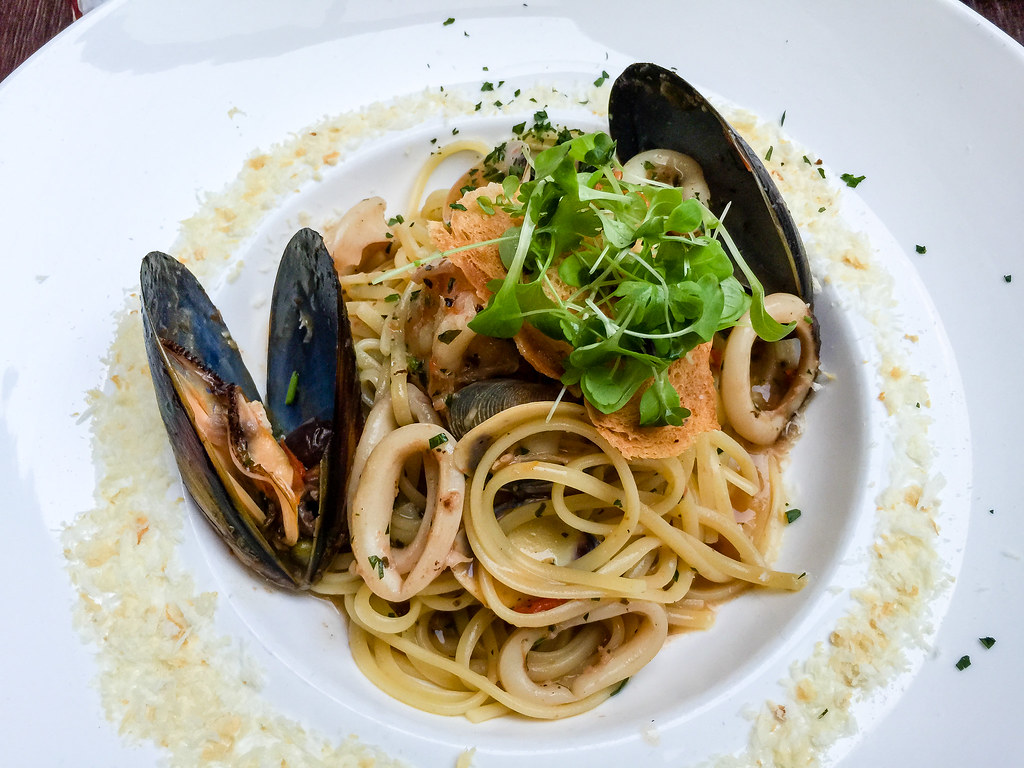
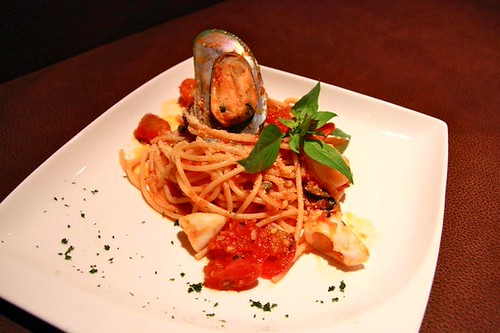
There is something deeply satisfying about a bowl of mussels pasta — briny mussels steamed open in white wine, garlic and tomatoes, tossed with spaghetti until every strand is coated in that incredible sauce. It tastes like a seaside holiday, yet it is on the table in 30 minutes with one pot and one pan.
Mussels are one of the most forgiving seafoods to cook at home. They tell you when they are done (they open), they cook in minutes, and they create their own delicious broth as they steam. All you have to do is toss that broth with pasta and let dinner happen.
Prep Time: 15 minutes | Cook Time: 20 minutes | Total Time: 35 minutes | Servings: 4
Why You’ll Love This Mussels Pasta
- Big flavor, tiny effort: Mussels make their own sauce as they steam — garlic, wine and tomato do the rest.
- Ready in about 30 minutes: Faster than most takeout, and far more impressive.
- Budget-friendly seafood: Mussels are one of the most affordable shellfish you can buy.
- One pan, one pot: Minimal washing up for a maximum-flavor dinner.
- Perfect for sharing: Serve it family-style in the pan and let everyone dig in with crusty bread.
- Naturally light: Mussels are lean, protein-rich and full of iron and omega-3s.
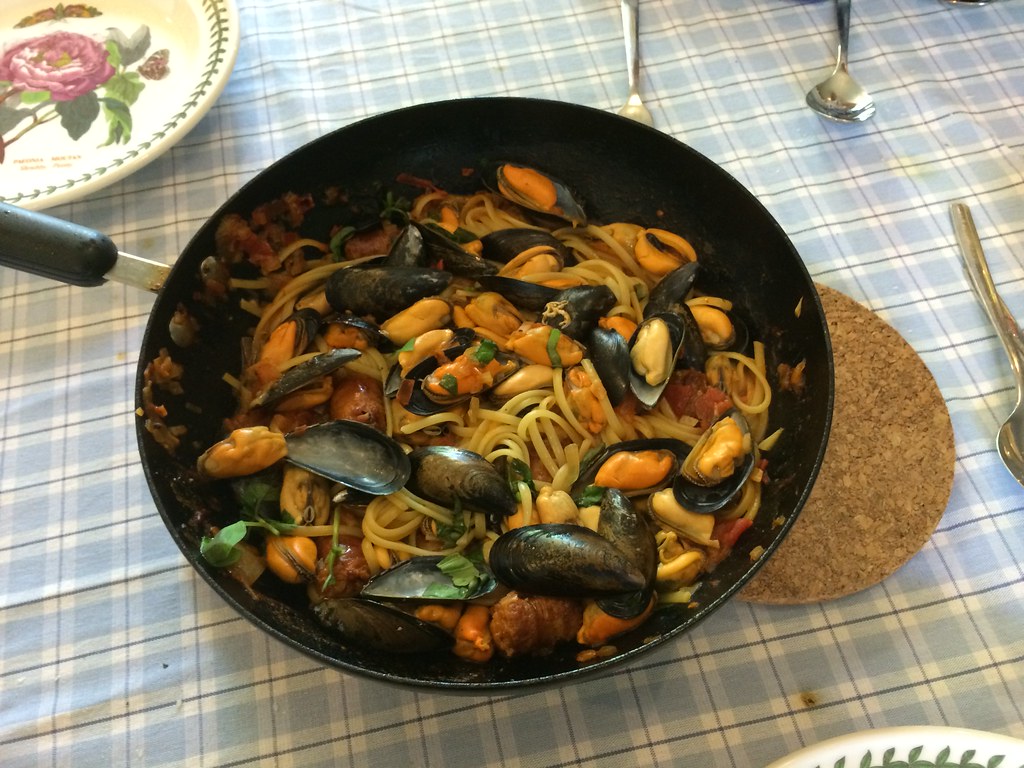
Ingredients You’ll Need
- 12 oz (340 g) spaghetti or linguine: Long pasta is ideal for wrapping around the mussels and catching the sauce.
- 2 lbs (900 g) fresh mussels: Scrubbed and debearded. Discard any that are cracked or stay open when tapped.
- 3 tablespoons olive oil: A good extra-virgin olive oil for the base of the sauce.
- 5 garlic cloves, thinly sliced: Plenty of garlic is the soul of this dish.
- 1/2 teaspoon red pepper flakes: A gentle heat that suits the briny mussels.
- 1 can (14 oz / 400 g) cherry tomatoes or 2 cups fresh cherry tomatoes: They break down into a light, sweet sauce.
- 3/4 cup (180 ml) dry white wine: Used to steam the mussels open — its flavor becomes the broth.
- 1 tablespoon tomato paste: Adds depth and helps the sauce cling to the pasta.
- 1/4 cup fresh parsley, chopped: Stirred in at the end for freshness and color.
- 1 lemon, cut into wedges: A squeeze over each bowl brightens the whole dish.
- Salt and black pepper, to taste: Taste the sauce before salting — mussel liquor is naturally salty.
Equipment You’ll Need
- Large pot for the pasta
- Large deep skillet or Dutch oven with a lid
- Colander
- Small brush or stiff cloth for scrubbing mussels
- Tongs
- Serving bowls
How to Make Mussels Pasta
- Clean the mussels: Rinse the mussels under cold water, scrub the shells, and pull off any beards (the stringy tufts). Discard any mussels that are cracked, or that stay open after a firm tap. Keep them in a bowl of cold water until needed.
- Start the pasta: Bring a large pot of salted water to a boil. Cook the spaghetti until 1 minute shy of the package time. Reserve 1 cup of pasta water, then drain.
- Build the base: While the pasta cooks, heat the olive oil in a large deep skillet over medium heat. Add the garlic and red pepper flakes and cook for 1–2 minutes until fragrant and pale gold.
- Add the tomatoes: Stir in the tomato paste, then the tomatoes and a pinch of salt. Cook for 4–5 minutes until the tomatoes soften and the sauce thickens slightly.
- Steam the mussels: Pour in the white wine, bring to a simmer, then add the mussels in a single layer. Cover with a lid and cook for 4–5 minutes, shaking the pan once or twice, until the mussels have opened. Discard any that stay closed.
- Combine: Add the drained pasta to the skillet with 1/2 cup of the reserved pasta water. Toss everything together for 1–2 minutes so the pasta soaks up the mussel broth.
- Finish: Take the pan off the heat, stir in the parsley, and taste for salt and pepper. Remember the mussel liquor is salty, so season lightly.
- Serve: Divide among warm bowls, spooning plenty of sauce and mussels over each portion. Serve with lemon wedges and crusty bread.
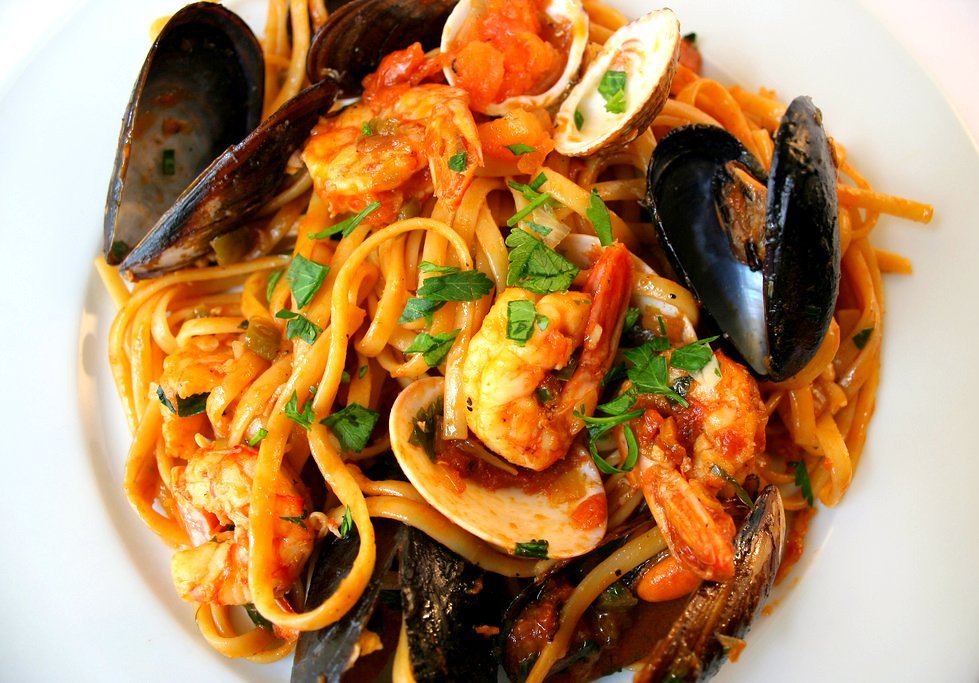
Tips for Perfect Mussels Pasta
- Buy mussels the day you cook them: They are freshest on the day of purchase. Store them in the fridge in a bowl covered with a damp cloth — never sealed in a plastic bag or submerged in water.
- Do not overcook: Mussels go rubbery fast. As soon as most have opened, they are done — usually 4–5 minutes.
- Throw away closed mussels: Any mussel that stays shut after cooking was not alive and should not be eaten.
- Do not salt the sauce early: The liquid the mussels release is briny. Taste at the end and adjust.
- Keep the pasta water: A splash of starchy water binds the wine broth and tomato into a sauce that coats the pasta instead of pooling at the bottom.
- Warm your bowls: This dish cools quickly; warm bowls keep it steaming to the table.
Easy Variations to Try
- Creamy mussels pasta: Stir in 1/3 cup of heavy cream after the mussels open for a richer, silkier sauce.
- Mussels pasta with chorizo: Brown sliced chorizo in the pan before the garlic for a smoky, Spanish twist.
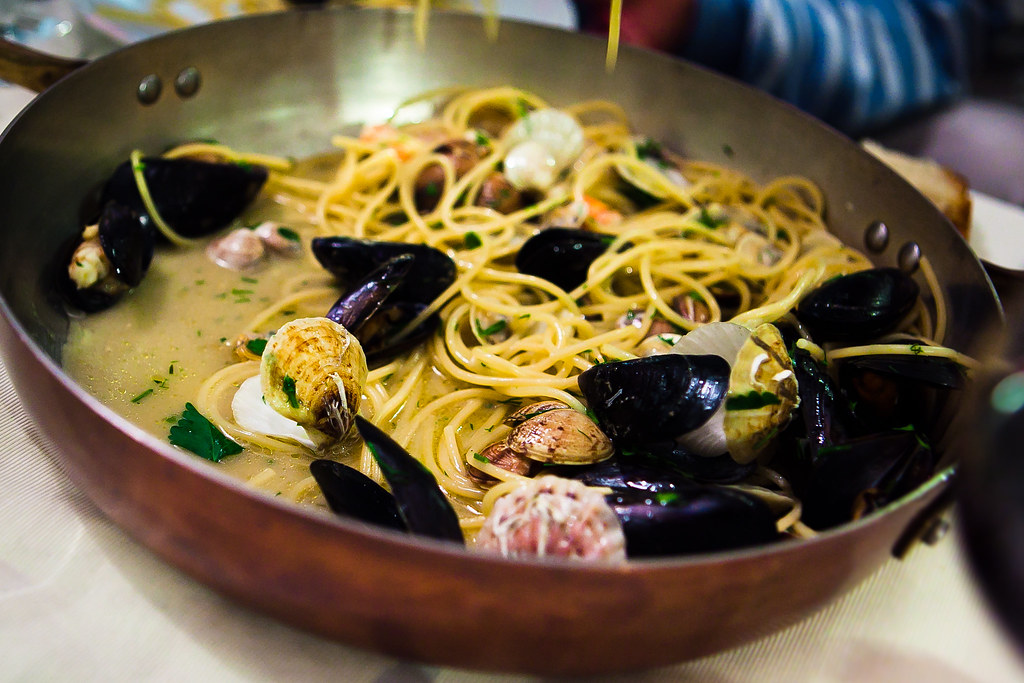
- White wine only: Skip the tomatoes entirely for a classic French-style moules marinière pasta.
- Mussels and clams: Add 1 lb of small clams with the mussels for a mixed shellfish pasta.
- Spicy arrabbiata mussels: Double the pepper flakes and add a spoonful of chili paste to the tomato base.
What to Serve With Mussels Pasta
- Crusty bread or garlic bread: Non-negotiable — the broth is too good to leave behind.
- Simple green salad: A lemony arugula or mixed-leaf salad cuts through the richness.
- Steamed green beans: A light vegetable side that does not compete with the mussels.
- Chilled white wine: A dry Muscadet, Pinot Grigio or Albariño is a classic pairing.
- Frites: For a Belgian-style moules-frites twist, serve with a pile of crispy fries.
Make Ahead and Storage
- Make ahead: Clean the mussels up to a few hours ahead and keep them cold. The tomato-garlic base can be made a day ahead, but cook the mussels and pasta fresh — this dish does not wait.
- Leftovers: Store in the fridge for up to 1 day. Remove the mussels from their shells before storing if you plan to reheat.
- Reheating: Warm gently in a covered skillet over low heat with a splash of white wine or water. Do not microwave or boil, or the mussels will turn tough.
- Freezing: Not recommended — mussels become rubbery and the pasta loses its texture.
Frequently Asked Questions
How do I clean mussels?
Rinse under cold running water, scrub the shells with a brush, and tug off the beard (the fibrous tuft sticking out of the shell). Discard any that are cracked or do not close when tapped.
How do I know if a mussel is bad?
Before cooking, tap any open mussel on the counter — a live one will close. After cooking, discard any that remain closed. When in doubt, throw it out.
Can I use frozen mussels?
Yes, frozen mussels (usually sold already cooked, in the half shell) work in a pinch. Add them to the sauce for just 2–3 minutes to heat through, since they are already cooked.
Can I make this without wine?
Yes. Replace the wine with the same amount of fish stock, chicken broth, or water with a squeeze of lemon. The broth will be a little less complex but still delicious.
What pasta shape works best?
Spaghetti and linguine are the classics, but short shapes like penne or rigatoni also hold the sauce well and are easier to eat with the shells.
Do I need to remove the mussels from their shells?
No — serving them in the shell is part of the charm, and the shells hold extra sauce. Just provide an empty bowl on the table for the discarded shells.
Can I add cream to mussels pasta?
Yes, a splash of heavy cream stirred in after the mussels open makes a lovely creamy version. Add it off the heat to avoid curdling.
Is this dish gluten-free?
Swap in gluten-free spaghetti and it is. Everything else in the recipe is naturally gluten-free — just check your wine and tomato paste labels.
Nutrition (Estimated)
Per serving (1 of 4): about 480 calories, 30 g protein, 55 g carbohydrates, 13 g fat, 3 g fiber, 590 mg sodium. Values are approximate and will vary with the size of the mussels and the pasta used.
