
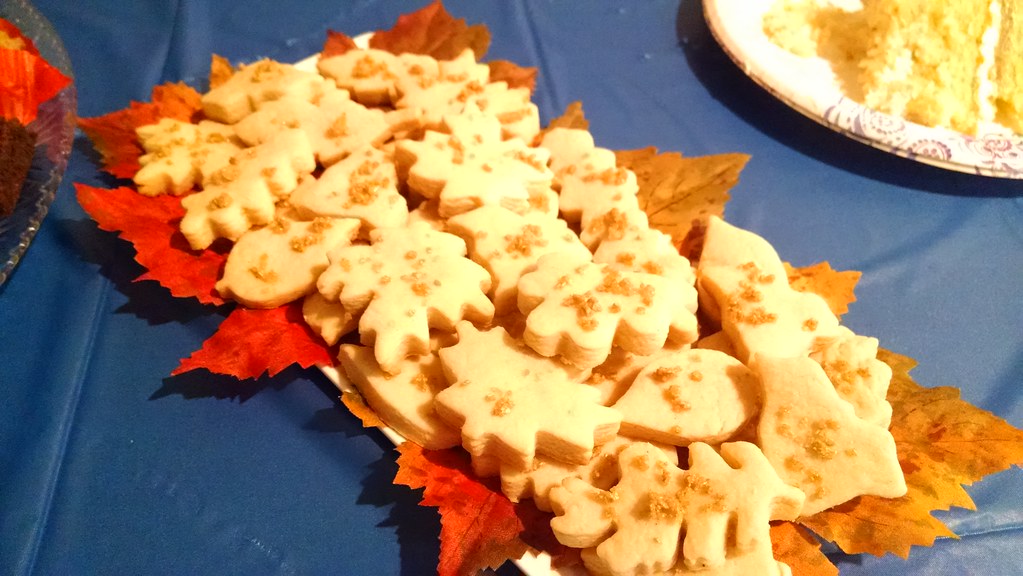
There is a reason Shortbread Cookies have been loved for centuries. Butter, sugar, and flour — three ingredients, nothing more — baked into cookies that are crisp, crumbly, and melt on your tongue. They are the simplest cookie you will ever make, and one of the best.
The secret is simple: good butter, cold hands, and patience. No eggs, no leavening, no fuss. Just a dough you press into a pan or cut into fingers, baked low and slow until pale gold. The result is a cookie that tastes like pure butter, with a texture no other cookie can match.
Prep Time: 15 minutes | Chill Time: 30 minutes | Cook Time: 15 minutes | Total Time: 1 hour | Servings: 24 cookies | Course: Dessert | Cuisine: Scottish
Why You’ll Love These Shortbread Cookies
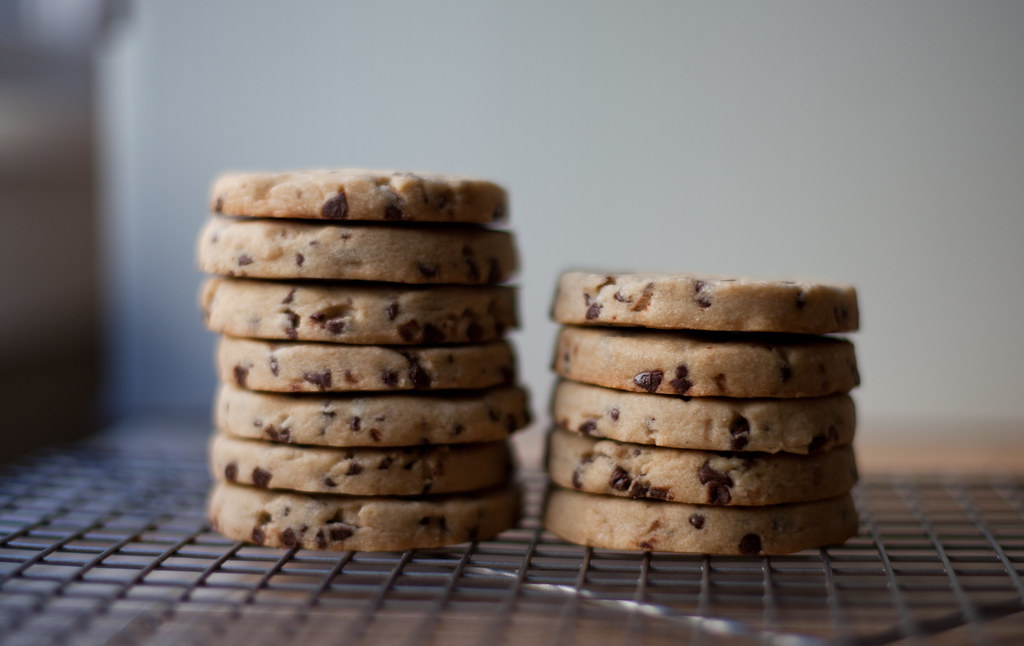
Some recipes earn a permanent place in your kitchen because they are simple, timeless, and perfect. These shortbread cookies check every box:
- Only 3 main ingredients. Butter, sugar, and flour — that is the whole recipe. Nothing to buy, nothing to forget.
- Melt-in-your-mouth texture. Crisp at the edges, crumbly and tender inside, dissolving on your tongue like butter.
- No eggs, no mixer. You can make the dough with your hands in one bowl in ten minutes.
- They keep for weeks. Shortbread stays fresh longer than any other cookie — perfect for gifting and holiday tins.
- Endlessly versatile. Plain, chocolate-dipped, lemon, lavender, or chocolate chip — one dough, endless versions.
- Perfect with tea and coffee. There is no better cookie for dunking. None.
Whether it is an afternoon tea, a holiday tin, or a quiet evening with a cup of tea, these cookies fit. Make them once, and they will become your simplest, most-loved recipe.
Ingredients You’ll Need
Good shortbread starts with good ingredients, and there are so few of them here that each one matters. Here is everything you need:
- 1 cup (225 g) unsalted butter, softened — the star of the recipe. Use the best butter you can afford — you will taste it in every bite. European-style butter is wonderful here.
- 3/4 cup (90 g) powdered sugar — powdered sugar gives a finer, more tender crumb than granulated sugar.
- 2 cups (250 g) all-purpose flour — spoon and level it, or weigh it. Too much flour makes dry, hard cookies.
- 1/4 cup (30 g) cornstarch — the secret to that melt-in-your-mouth texture. It makes the crumb delicate and tender.
- 1/2 teaspoon fine salt — a pinch of salt keeps the butter from tasting flat.
- 1 teaspoon vanilla extract — optional, but it rounds out the butter flavor beautifully.
- Granulated sugar, for sprinkling — a light sprinkle on top before baking gives a gentle crunch.
A note on the butter: the butter is the whole flavor of shortbread, so use the best you can. A good European-style butter with higher fat content gives a richer taste and a more tender crumb. Salted butter works too — just leave out the added salt.
Equipment You’ll Need
You do not need anything fancy — just the basics:
- An 8-inch square pan or 2 baking sheets — for pan shortbread, or for cut-out fingers and rounds.
- Parchment paper — for lining the pan and rolling the dough.
- A rolling pin — for rolling the dough to an even thickness.
- A sharp knife or cookie cutters — for cutting fingers, squares, or rounds.
- A fork — for pricking the classic shortbread pattern on top.
- A wire cooling rack — for cooling the cookies so they stay crisp.
How to Make Shortbread Cookies
Follow these simple steps and you will have perfect shortbread cookies in about an hour:
- Cream the butter and sugar. In a large bowl, beat the softened butter and powdered sugar together until smooth and creamy, about 2 minutes. Stir in the vanilla.
- Add the dry ingredients. Whisk together the flour, cornstarch, and salt, then add them to the butter mixture. Mix on low speed, or with a spatula, just until a soft dough forms. Do not overmix — the dough should be tender, not tough.
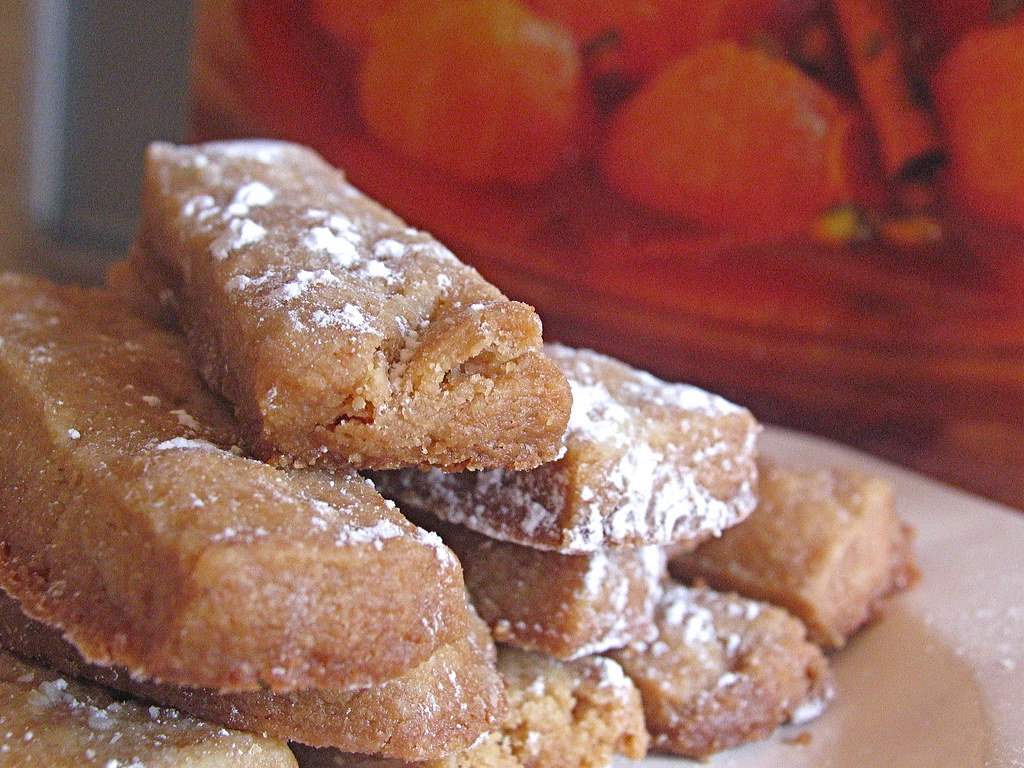
- Shape the dough. For fingers: roll the dough to 1/2 inch thick, cut into fingers about 1 x 3 inches, and place them on a lined baking sheet. For pan shortbread: press the dough evenly into a lined 8-inch square pan.
- Prick and chill. Prick the dough all over with a fork in neat rows — the classic shortbread pattern. Sprinkle lightly with granulated sugar. Refrigerate for 30 minutes. Cold dough bakes up crisp and holds its shape.
- Bake low and slow. Preheat the oven to 325°F (165°C). Bake for 12–15 minutes for fingers, or 25–30 minutes for pan shortbread, until the edges are just barely golden. Shortbread should stay pale — golden brown means overbaked.
- Cut while warm. If you made pan shortbread, cut it into fingers or squares while it is still warm, then let it cool in the pan.
- Cool completely. Let the cookies cool on the baking sheet for 5 minutes, then move them to a wire rack. They firm up as they cool.
- Serve. Enjoy with tea or coffee, or pack them into tins for gifting.
Tips for Perfect Shortbread Cookies
These small details make the difference between good shortbread and great shortbread:
- Use soft, not melted, butter. Soft butter creams properly. Melted butter makes greasy dough that spreads and turns hard.
- Do not overmix. Mix just until the dough comes together. Overmixing develops the gluten and makes tough, hard cookies instead of tender, crumbly ones.
- Do not skip the chill. Cold dough holds its shape and bakes up crisp. Warm dough spreads and loses the clean edges.
- Bake pale, not brown. Shortbread should be barely golden at the edges and pale in the middle. If the tops brown, the cookies will taste dry and bitter.
- Weigh your flour. Too much flour is the number one cause of dry shortbread. If you do not have a scale, spoon the flour into the cup and level it off.
- Handle the dough gently. The warmth of your hands melts the butter. Work quickly and keep the dough cool.
- Let them cool fully. Shortbread is fragile when warm and firms up as it cools. Wait before stacking or packing.
Easy Variations to Try
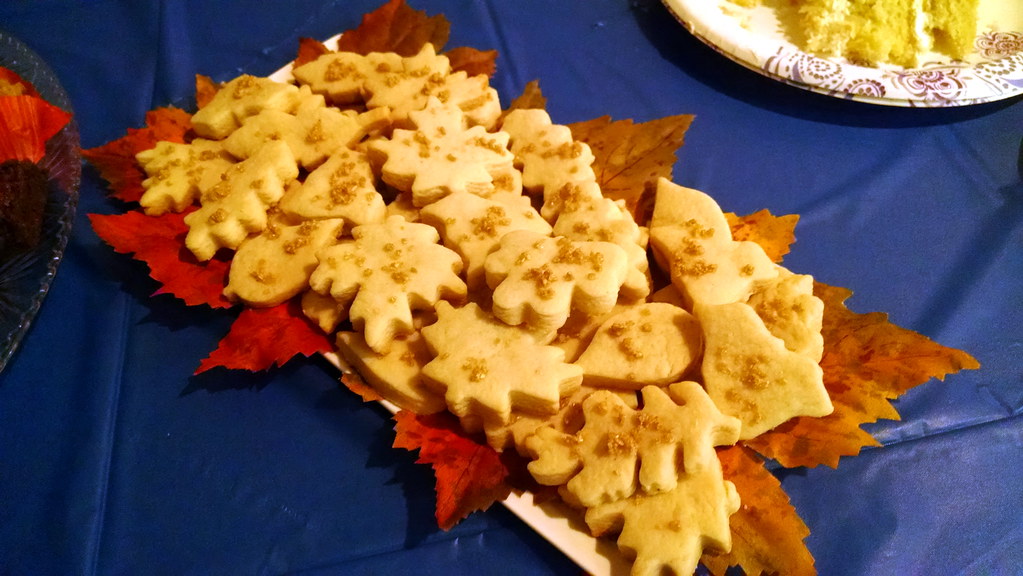
Once you master the base recipe, try one of these twists. Each one keeps the same method — only the flavors change:
- Chocolate chip shortbread. Fold in 1/2 cup of mini chocolate chips with the dry ingredients. A classic combination.
- Lemon shortbread. Add 1 tablespoon of lemon zest and replace the vanilla with lemon extract. Bright, fresh, and perfect with tea.
- Lavender shortbread. Add 1 tablespoon of dried culinary lavender, crushed, with the dry ingredients. Floral, elegant, and beautiful.
- Chocolate-dipped. Dip half of each cooled cookie in melted dark chocolate and let it set. A bakery classic.
- Brown butter shortbread. Brown the butter first and let it cool to soft before creaming. Nutty, rich, and unforgettable.
- Espresso shortbread. Add 1 tablespoon of instant espresso powder to the dry ingredients for a coffee-lover’s version.
- Almond shortbread. Replace the vanilla with almond extract and top with sliced almonds before baking.
What to Serve With Shortbread Cookies
Shortbread cookies are a team player — they make everything next to them taste better. Here are the best pairings:
- Tea or coffee — the classic partner. Shortbread was made for dunking in hot tea.
- Hot chocolate — buttery shortbread and rich hot chocolate are a perfect winter pair.
- Fresh berries and cream — crumble shortbread over berries and whipped cream for an effortless dessert.
- Ice cream — serve a finger of shortbread alongside a scoop of vanilla ice cream.
- On a cookie platter — mix them with gingerbread, double chocolate cookies, and snickerdoodles for a beautiful spread.
- As a gift — pack them in tins with tissue paper. They keep for weeks and everyone loves them.
Make Ahead and Storage
Shortbread is one of the best make-ahead cookies you can keep in your back pocket:
- Make ahead: the dough can be made up to 3 days in advance and kept wrapped in the fridge, or frozen for up to 3 months.
- Room temperature: baked shortbread keeps for up to 3 weeks in an airtight container — longer than any other cookie.
- Freezer: freeze baked cookies for up to 3 months. Thaw at room temperature.
- Keep them crisp: store them in a tin, not a plastic container. A tin keeps shortbread crisp; plastic traps moisture and softens them.
Frequently Asked Questions
Why is my shortbread hard?
Usually too much flour, overmixing, or baking too long. Weigh the flour, mix just until the dough comes together, and bake until barely golden.
Can I use granulated sugar instead of powdered?
You can, but the texture will be coarser and less tender. Powdered sugar gives the fine, melt-in-your-mouth crumb that makes shortbread special.
Why did my shortbread spread?
The dough was too warm. Chill it for 30 minutes before baking, and make sure your oven is fully preheated.
Do I need cornstarch?
It is not strictly required, but it makes a real difference — the cornstarch gives shortbread its delicate, tender crumb. If you skip it, replace it with an equal amount of flour.
Can I make them gluten-free?
Yes — use a 1-to-1 gluten-free flour blend in place of the all-purpose flour. The texture will be very close.
How do I know when they are done?
The edges should be just barely golden and the centers still pale. They firm up as they cool. If the tops brown, they are overbaked.
Can I freeze the dough?
Absolutely — wrap the dough tightly and freeze for up to 3 months. Thaw overnight in the fridge before rolling.
Why prick the dough with a fork?
Pricking lets steam escape so the shortbread bakes evenly without puffing up, and it gives the classic shortbread look.
Nutrition (Estimated)
Per cookie (1 of 24): approximately 130 calories, 8 g fat, 14 g carbohydrates, 4 g sugar, and 1 g protein. These values are estimates and will vary with the exact brands and quantities you use.
Shortbread Cookies prove that the simplest recipes are often the most loved. Butter, sugar, flour — three ingredients, one bowl, and an hour — and you have cookies that have been cherished for centuries. Make them once, and they will become your simplest, most reliable recipe. Try them this week, and let us know in the comments how you served them — with tea, dipped in chocolate, or straight from the tin. No judgment here.
