
Boho living rooms feel relaxed because they are layered, not matched. Rattan and wood, soft linen and patterned cushions, plants and woven baskets, warm earth colors and a few pieces with a story: together they create a room that invites you to sit down and stay a while. These eighteen ideas show how to build that layered look step by step, without clutter and without spending a fortune.
The Boho Foundation: Warmth and Texture
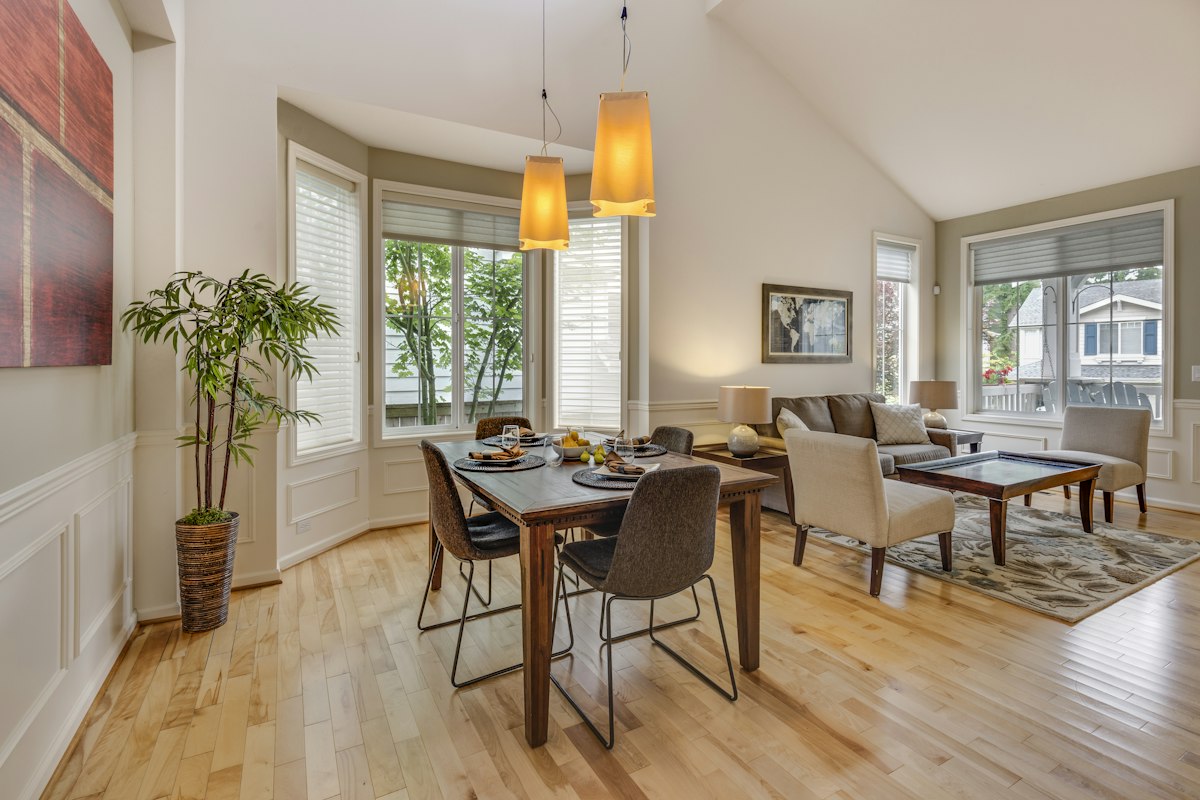
1. Start with a warm, neutral base. Cream walls, light wood floors, and a natural-fiber rug give boho layering a calm place to begin. When the base is quiet, every pattern, plant, and texture you add on top feels intentional instead of chaotic.
2. Mix textures, not just colors. Boho is felt as much as it is seen. Combine smooth wood, rough jute, soft linen, woven rattan, and nubby wool in the same seating area, and the room gains depth even before you add a single pattern.
- Choose one rug with a subtle pattern as your anchor.
- Let wood tones vary slightly instead of matching exactly.
- Keep the largest pieces neutral and add color through smaller ones.
Earthy Colors and Layered Patterns
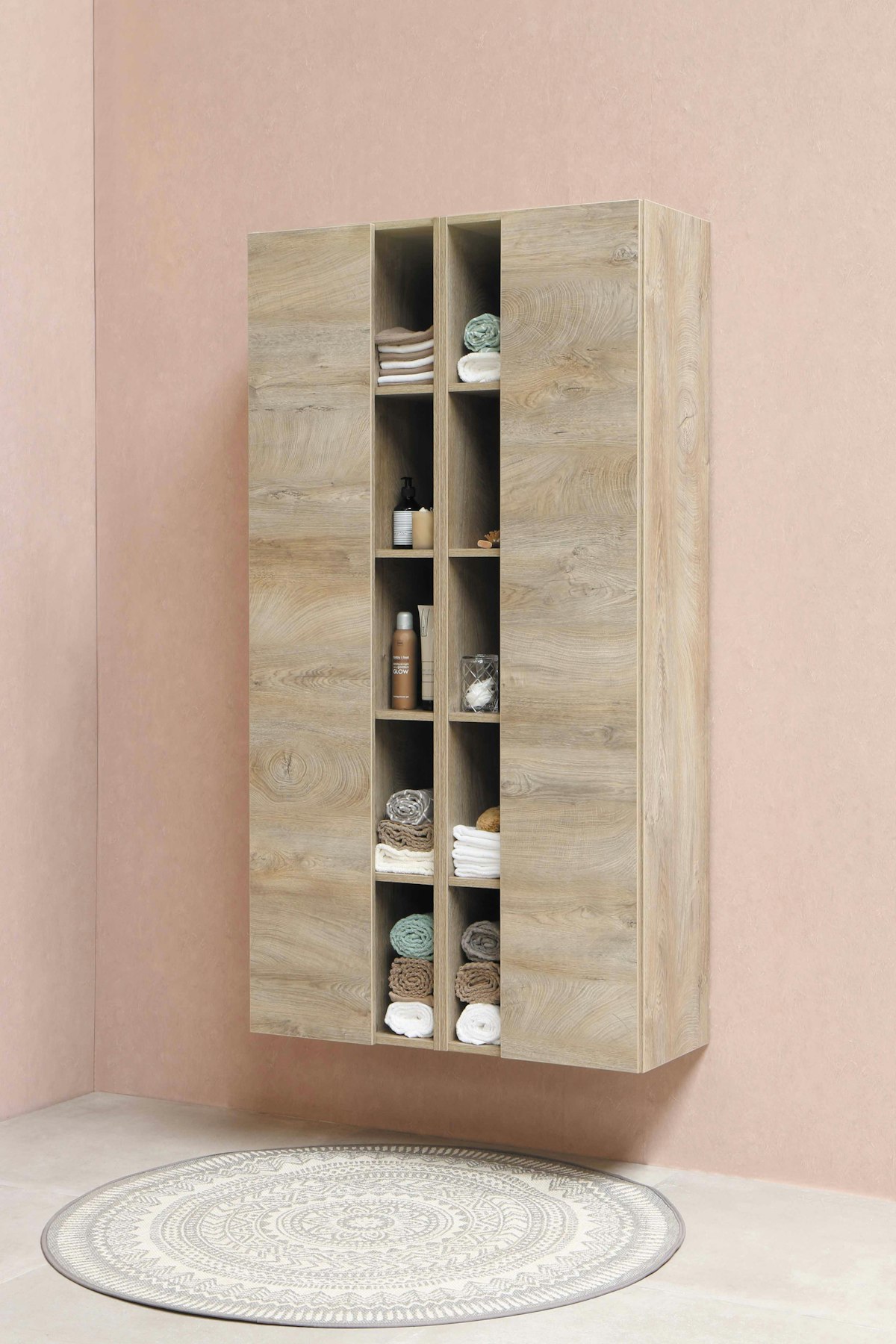
3. Build a palette from warm earth tones. Terracotta, warm sand, olive, mustard, and rust are the heart of boho color. Use two or three of them across cushions, throws, and art, and repeat each color at least twice so the palette feels connected.
4. Layer patterns at different scales. A large-scale pattern on a rug, a medium pattern on a cushion, and a small pattern on a throw can live happily together when they share a color. The shared color is the thread that keeps mixed patterns from clashing.
If a pattern feels too bold on its own, try it first on a cushion cover or a throw, where it is easy to move or swap. Living with a pattern for a week tells you far more than looking at it in a shop, and it lets you build confidence before committing to a larger piece like a rug.
- Limit the palette to three main colors plus cream.
- Mix a geometric pattern with a floral or organic one.
- Step back and remove one patterned piece if the room feels busy.
Rattan, Wood, and Natural Materials
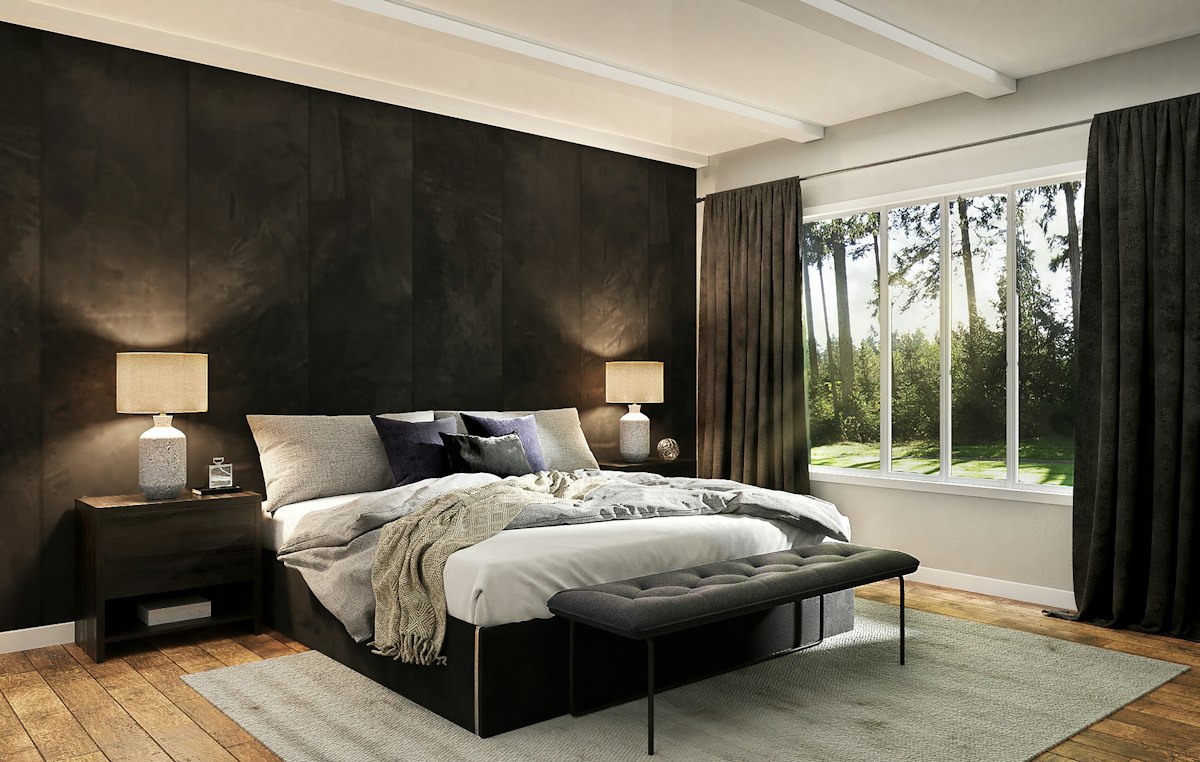
5. Let rattan and cane do the talking. A rattan chair, a cane-front cabinet, or a woven pendant light instantly signals boho style. One or two rattan pieces are enough: too many can make the room feel like a set rather than a home.
6. Choose wood with visible grain and warmth. A live-edge coffee table, a worn wooden bench, or a simple oak side table adds the natural, slightly imperfect character boho loves. Wood that shows its grain and its history feels more boho than a perfectly smooth, glossy finish.
- Pair rattan with linen and cotton, not with shiny fabrics.
- Use a wooden tray on the coffee table to gather small objects.
- Look for secondhand wood pieces with a shape you love.
Plants, Lots of Plants
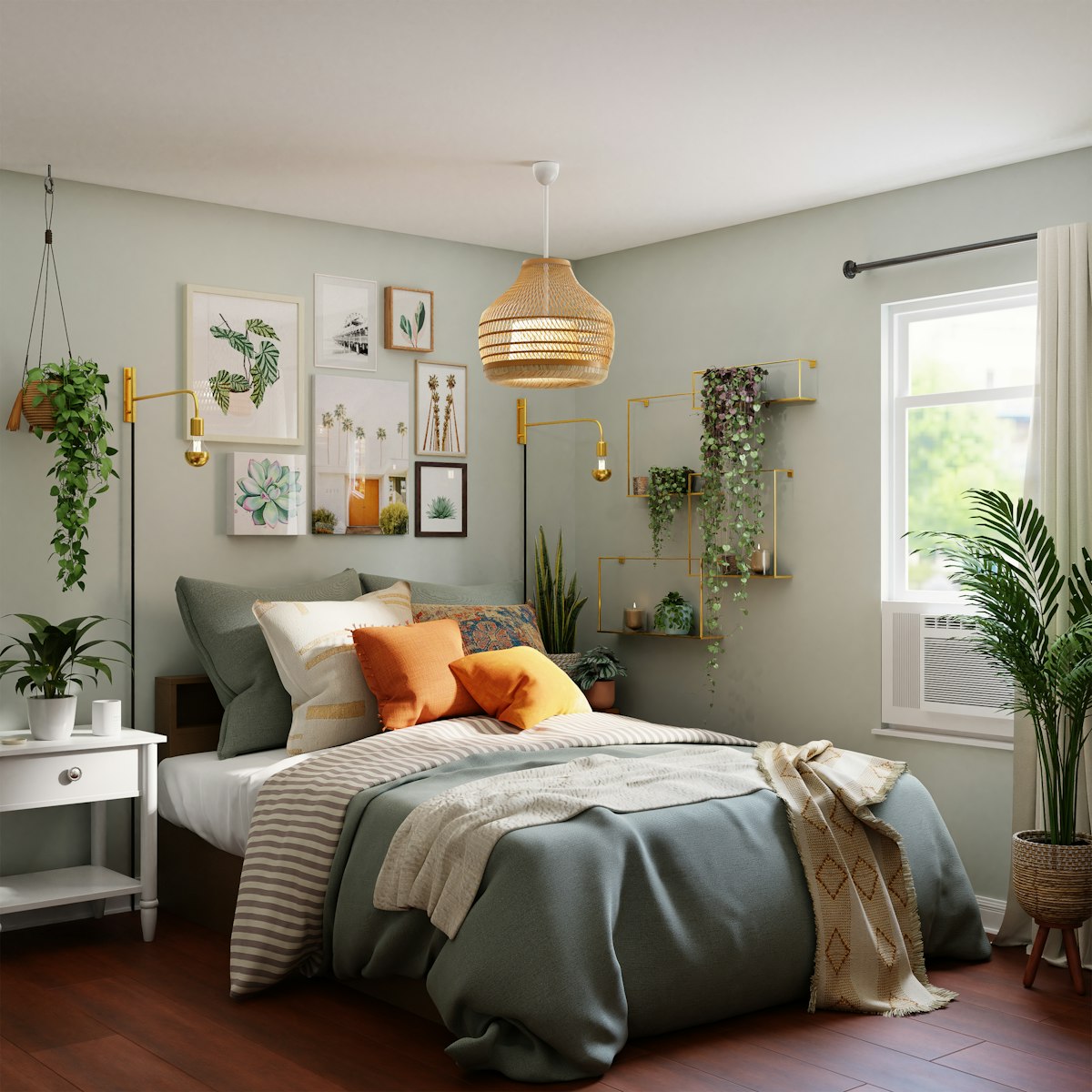
7. Fill the room with plants at different heights. A tall plant in a corner, a trailing plant on a shelf, and a small plant on a table create a green layer that softens furniture and fills empty space. Plants are the easiest way to make a boho room feel alive.
8. Use woven baskets and clay pots as planters. A plant in a woven basket or a simple clay pot looks more boho than the plastic pot it came in. Group plants in odd numbers, vary their leaf shapes, and let one trailing plant soften a shelf or a bookcase edge.
Choose planters in similar natural materials so the group feels cohesive even when the plants themselves are very different. A tall plant beside the sofa and a small one on the coffee table echo each other, and the repetition makes the greenery feel designed rather than random.
- Start with hardy plants if you are new to caring for them.
- Hang one plant near a window for height and movement.
- Keep a watering routine so plants stay healthy and lush.
Low, Comfortable Seating
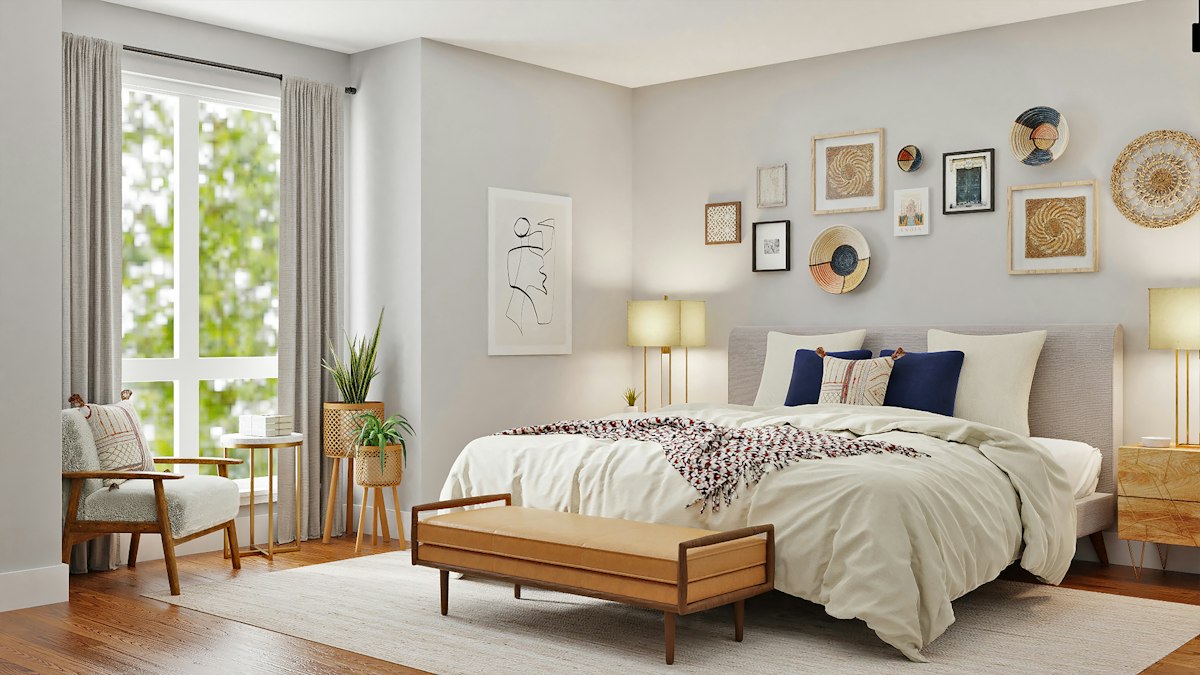
9. Create a low, lounge-like seating area. Boho rooms invite you to sink in. A low sofa with plenty of cushions, floor cushions, or a pouf beside the coffee table gives the room its relaxed, informal feel and makes it easy for guests to settle in.
10. Add floor cushions and poufs for flexible seating. Large floor cushions and woven poufs are classic boho extras: they add pattern and texture, give you extra seats without more furniture, and can be stacked in a corner when you need floor space.
- Choose floor cushions with removable, washable covers.
- Keep a pouf near the sofa as a footrest and an extra seat.
- Mix pouf shapes: round, square, and low and wide.
Textiles: Throws, Cushions, and Rugs
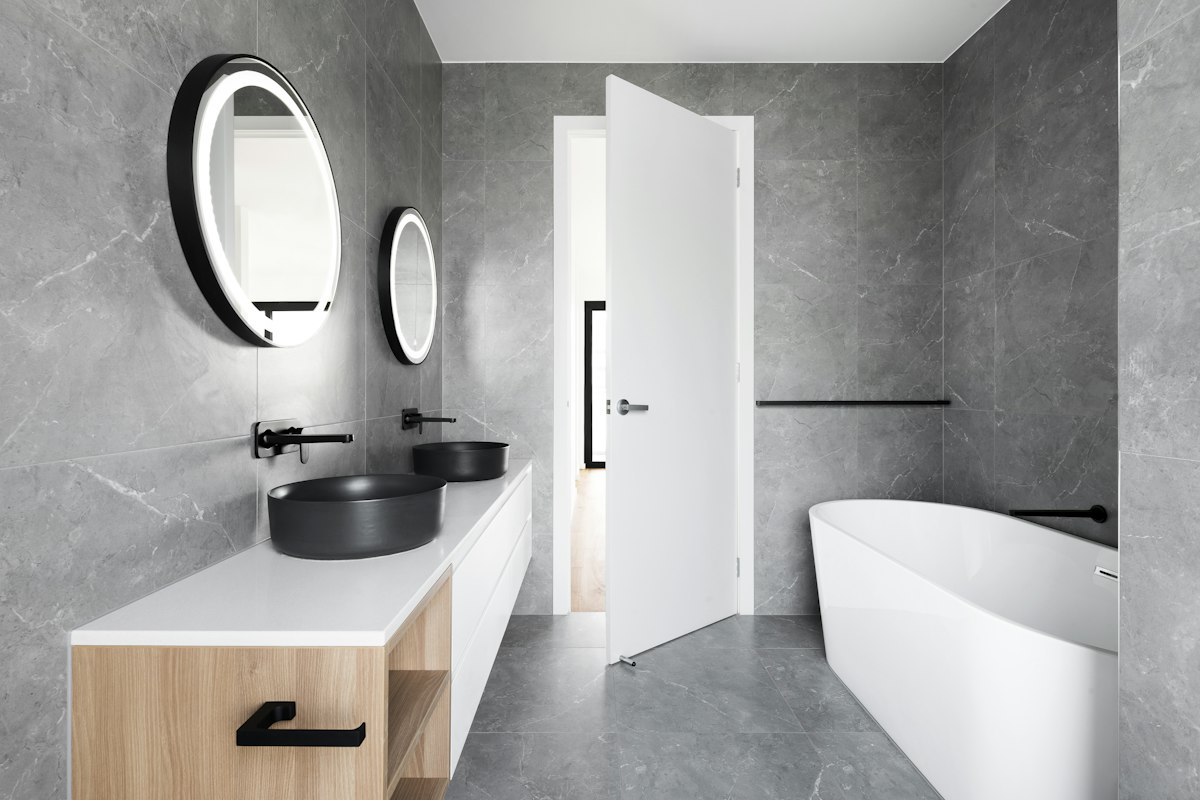
11. Layer throws like you layer clothes. A lightweight cotton throw over a sofa arm, a textured wool throw folded on a chair, and a patterned throw across a basket create the soft, lived-in layers boho is known for. Choose throws you actually use, not ones that only look good.
12. Mix cushion fabrics with confidence. Velvet, linen, cotton, and a woven or macrame cushion can sit side by side when the colors stay in the same warm family. Vary the sizes too, so the sofa looks collected over time rather than bought in one set.
- Use cushions in odd numbers on a sofa.
- Let one cushion carry the boldest pattern.
- Fold throws neatly so layers look intentional, not messy.
Macrame, Wall Hangings, and Art
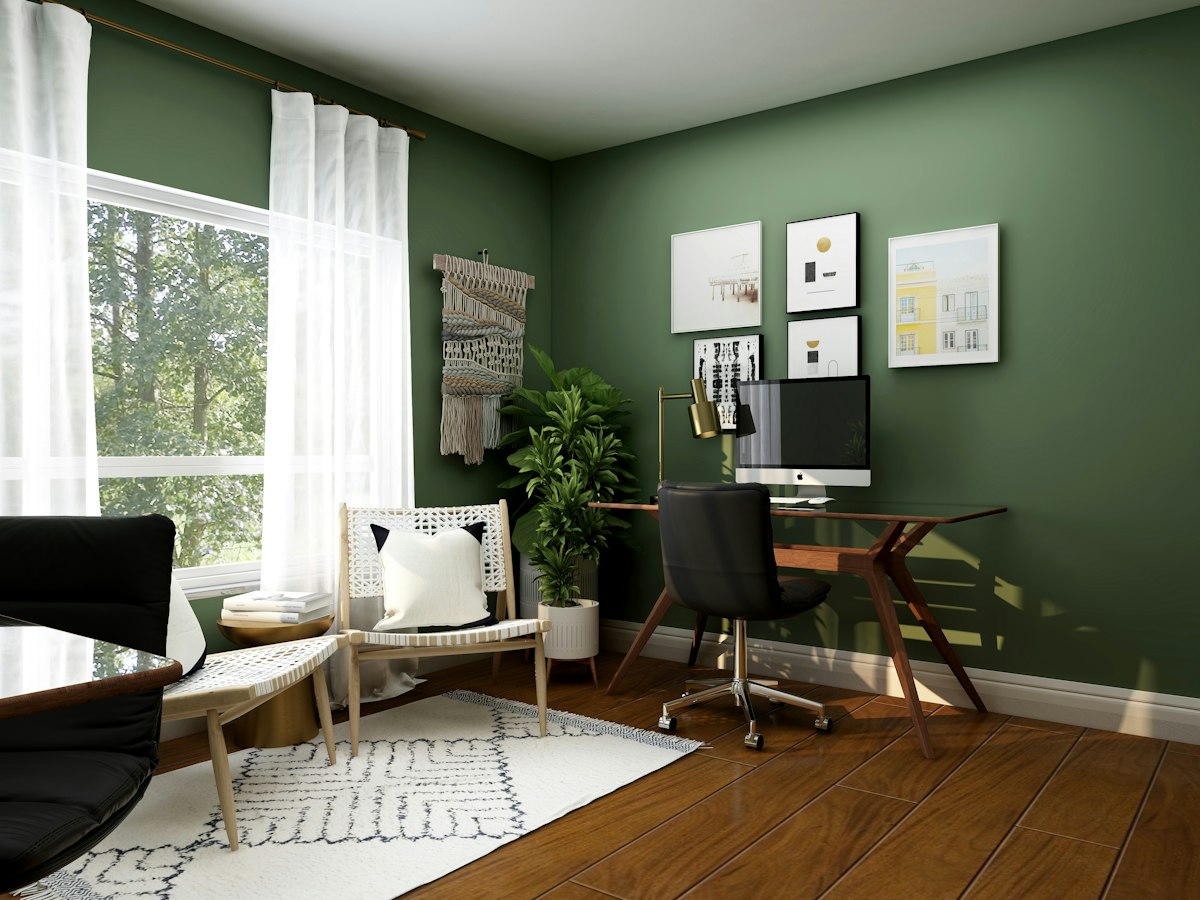
13. Hang a macrame piece or woven wall hanging. A macrame hanging above the sofa or beside a window adds texture to a plain wall and is one of the most recognizable boho touches. Keep it to one statement piece per wall so it stays special.
14. Build a relaxed gallery wall. Mix framed prints, woven baskets hung as art, small mirrors, and a piece of textile art. Keep the frames in warm wood or simple black, leave breathing room between pieces, and let the wall feel collected rather than perfectly symmetrical.
Start the gallery with your largest piece slightly off center, then build outward with smaller pieces, checking the balance from across the room as you go. If a spot feels empty, a small woven basket or a tiny framed print usually fills it better than another large frame.
- Hang baskets in a loose cluster for a sculptural effect.
- Use art that means something to you, not just art that matches.
- Leave one wall mostly empty so the decorated wall stands out.
Light, Warm and Soft
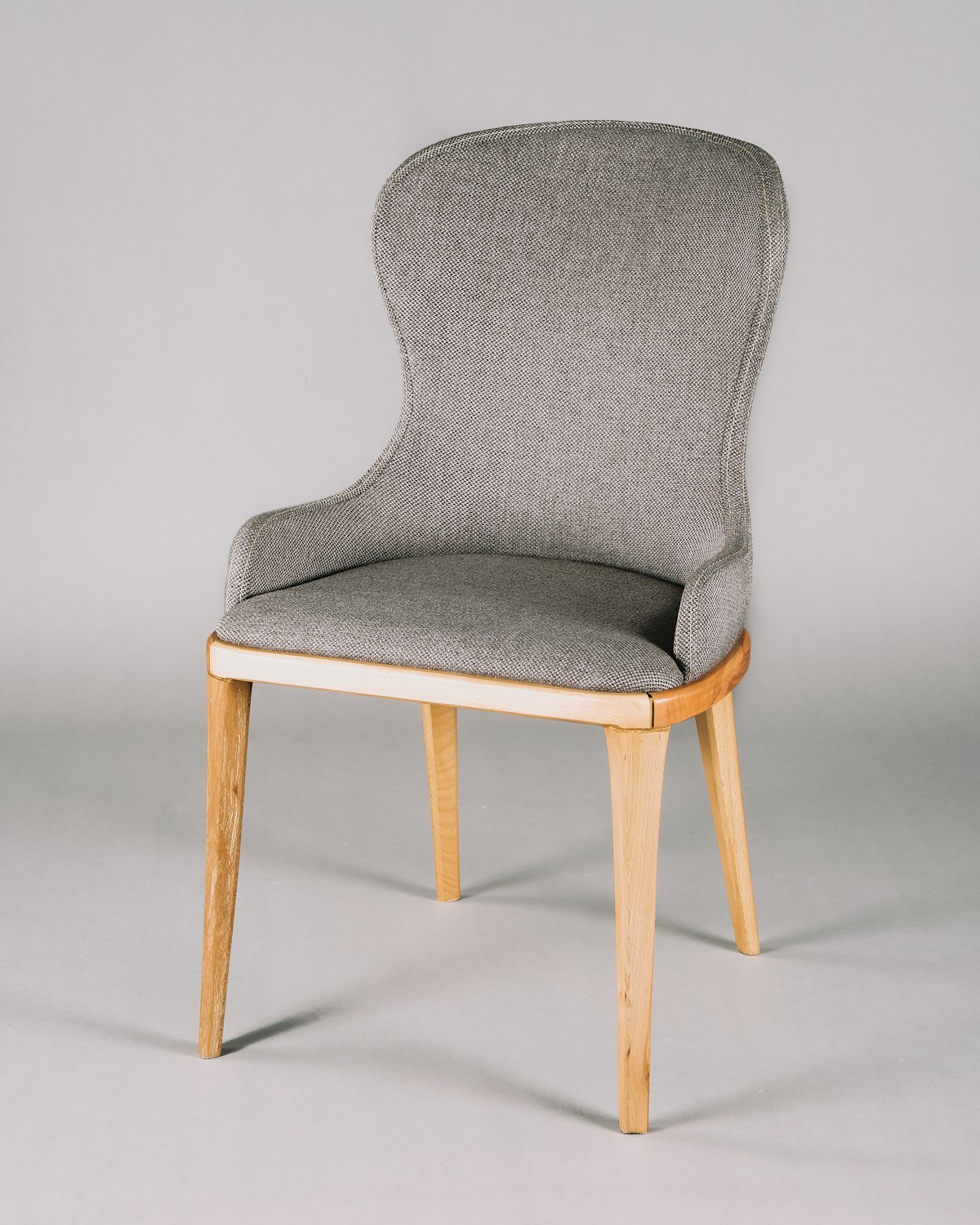
15. Use warm, low lighting in the evening. A woven pendant light, a rattan floor lamp, and a few candles create the soft glow boho rooms are known for. Layer two or three warm light sources instead of one bright ceiling light, and the room will feel calm and cozy after dark.
16. Let daylight in during the day. Sheer linen curtains, or no curtains at all on a private window, let sunlight fall across wood, plants, and textiles. Boho rooms look their best in natural light, when the textures and colors can show themselves properly.
- Choose warm-toned bulbs for every lamp in the room.
- Use a dimmer or a smaller lamp for evenings.
- Place a candle group on a tray on the coffee table.
Collected Objects and Personal Stories
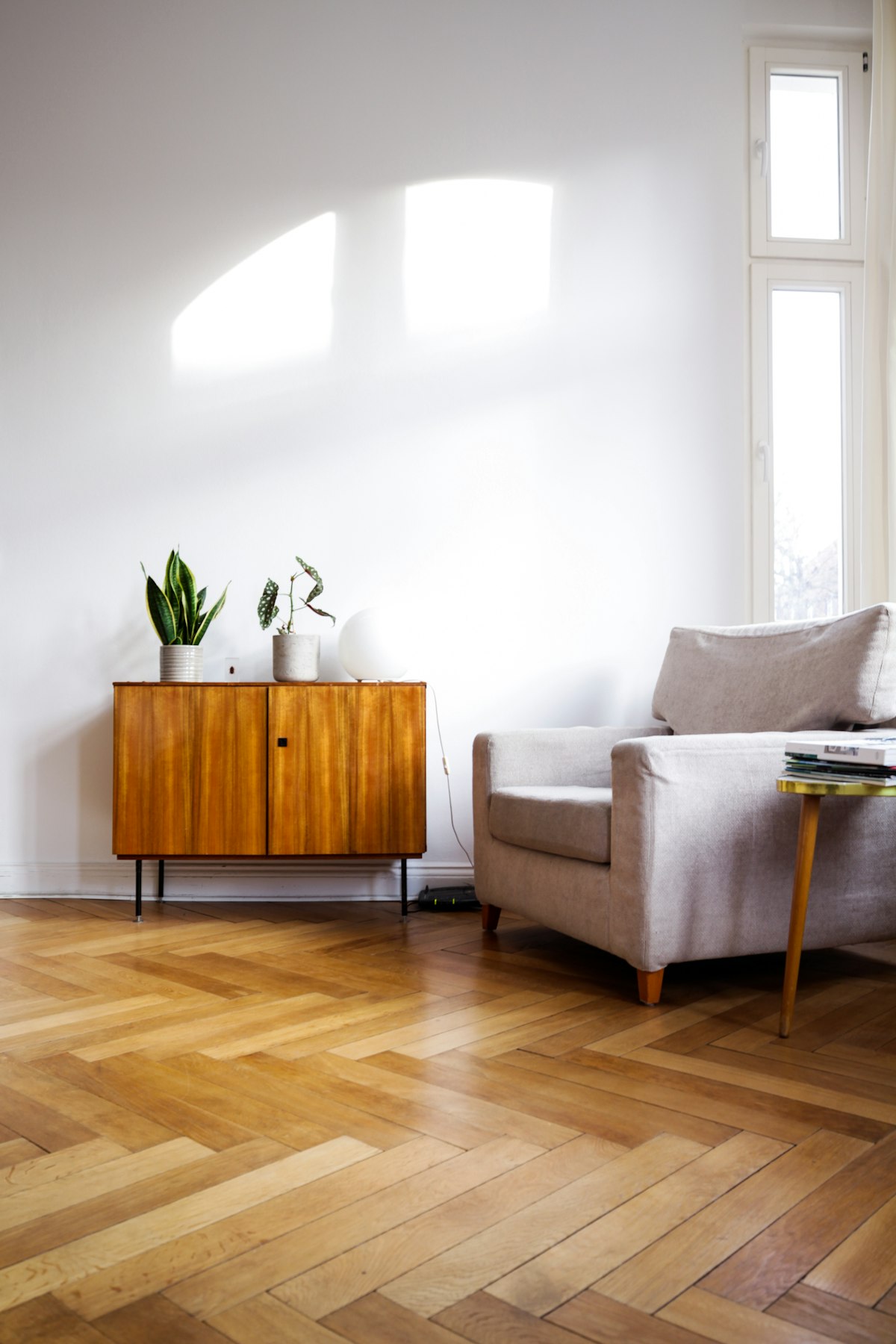
17. Display collected objects, not matching sets. A ceramic vase from a trip, a stack of well-loved books, a handmade bowl, and a small sculpture tell your story better than a matching decor set. Group objects in threes on a shelf or a coffee table, and leave empty space around them so each one can be seen.
18. Let the room grow slowly. The best boho rooms are collected over time, not bought in a weekend. Add one piece you love, live with it, and add the next when you find it. A room that grows slowly feels personal, relaxed, and real, which is exactly what boho is about.
- Keep surfaces edited: remove one object for every new one you add.
- Store extra decor in a basket until you find the right spot.
- Choose objects you love to look at, not just ones that fit the style.
Keeping Boho Calm, Not Cluttered
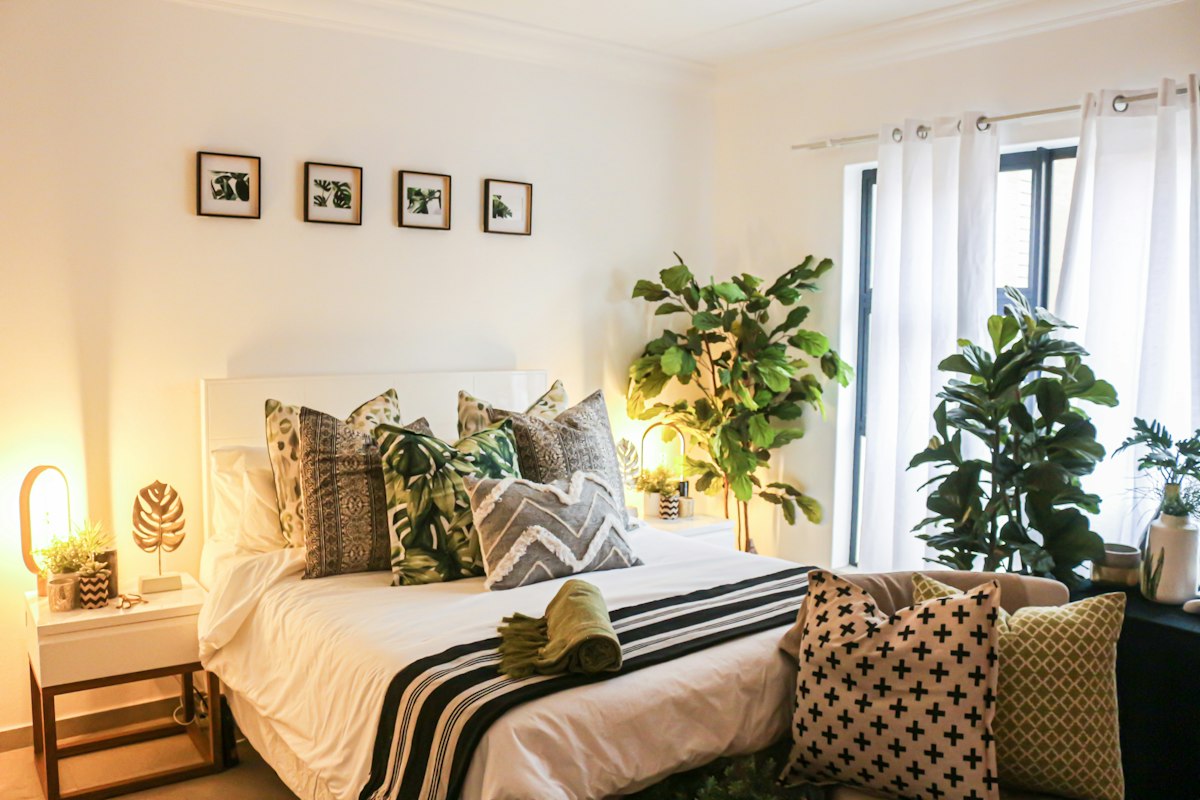
19. Edit regularly so layers stay beautiful. Layering can tip into clutter if nothing ever leaves the room. Once a season, walk through with a basket and remove anything that is broken, unloved, or simply in the way. The pieces that remain will look better with room to breathe.
20. Keep one calm corner in the room. A clear side table, an empty stretch of wall, or a tidy shelf gives the eye a place to rest. That single calm spot is what lets all the pattern, texture, and plants around it feel rich instead of overwhelming.
- Use closed storage for the things that create visual noise.
- Dust plants and textiles regularly so layers stay fresh.
- If the room feels busy, remove cushions before removing furniture.
A boho living room is not a shopping list, it is a feeling: warm, layered, a little imperfect, and full of things you love. Start with a calm base, add natural textures, plants, and earthy color, and let the room grow one meaningful piece at a time. When every layer has room to breathe, the relaxed look takes care of itself.
