
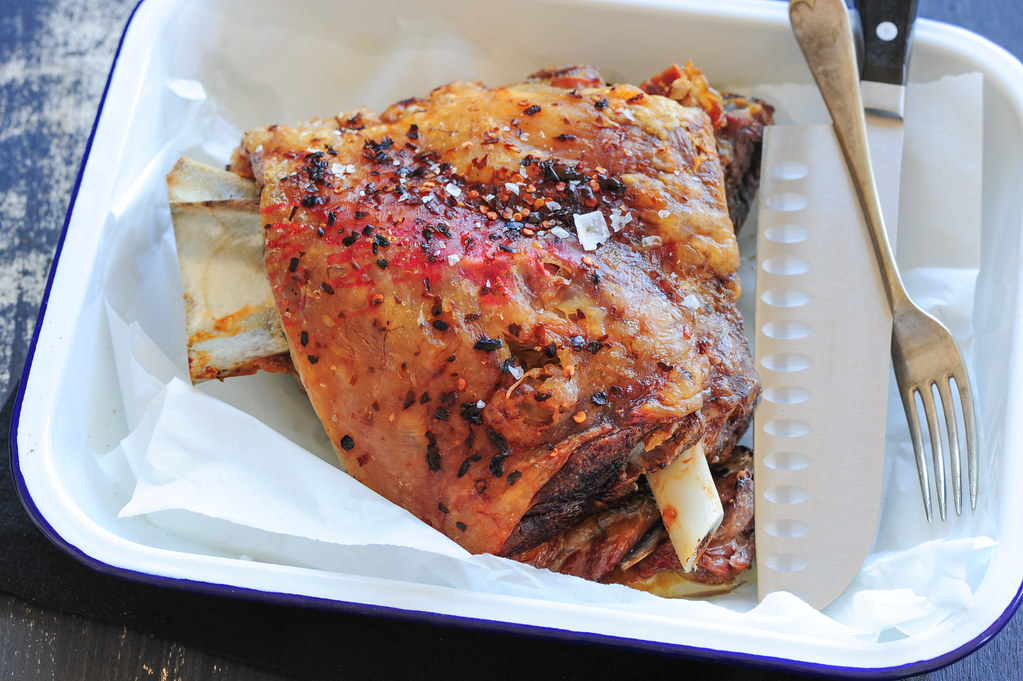
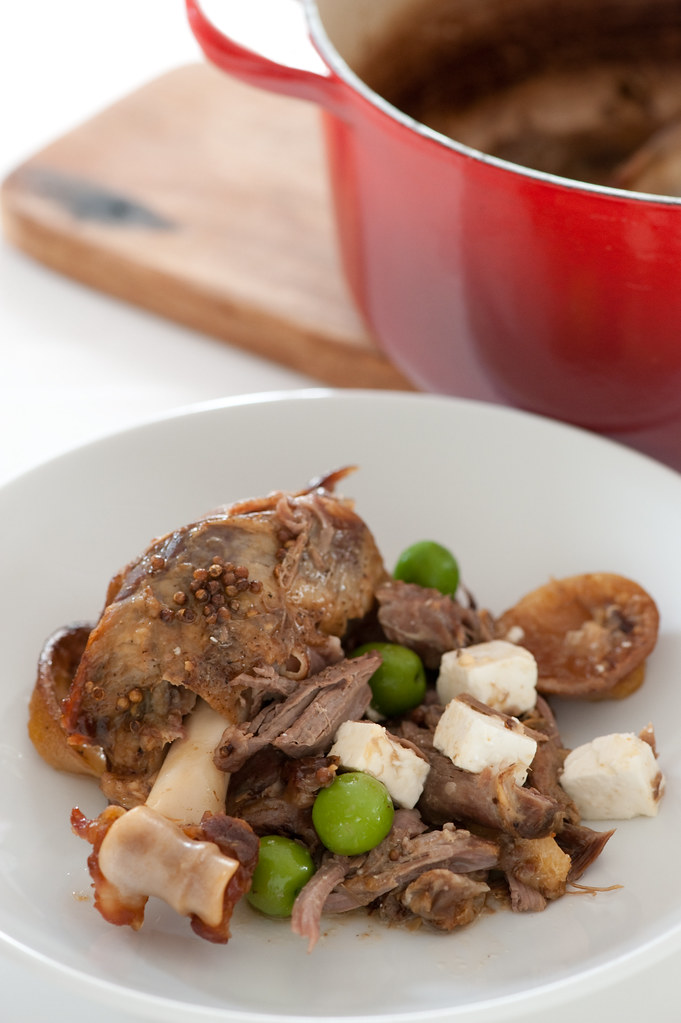
There is nothing quite like a Roast Lamb Shoulder coming out of the oven: burnished, crackling skin on the outside, meat so tender it falls apart with a fork, and pan juices begging to be spooned over everything. This is the Sunday roast that makes the whole house smell incredible for hours, and the best part is that the oven does almost all of the work.
Unlike a leg of lamb, which is best served pink, the shoulder is made for slow roasting. Its marbling and connective tissue melt down over a long, gentle cook, turning into rich, juicy meat that shreds beautifully. Rub it with garlic, rosemary and lemon, tuck it into the oven, and a few hours later you have a centrepiece worthy of any celebration — with almost no hands-on effort.
Prep Time: 20 minutes | Cook Time: 3 hours 30 minutes | Resting Time: 20 minutes | Total Time: 4 hours 10 minutes | Servings: 6 people
Why You’ll Love This Roast Lamb Shoulder
- Fall-apart tender: Slow roasting breaks down the shoulder until the meat shreds with a fork — no carving knife skills needed.
- Nearly hands-off: Just 20 minutes of prep, then the oven takes over for three and a half hours.
- Big flavour, simple ingredients: Garlic, rosemary, lemon and olive oil are all it takes to make this lamb taste extraordinary.
- Perfect for gatherings: One shoulder generously feeds six people, and it looks spectacular on the table.
- Amazing leftovers: Shredded roast lamb is wonderful in sandwiches, salads, wraps and pasta the next day.
- Built-in gravy: The pan juices, deglazed with a little wine and stock, make the easiest, richest gravy.
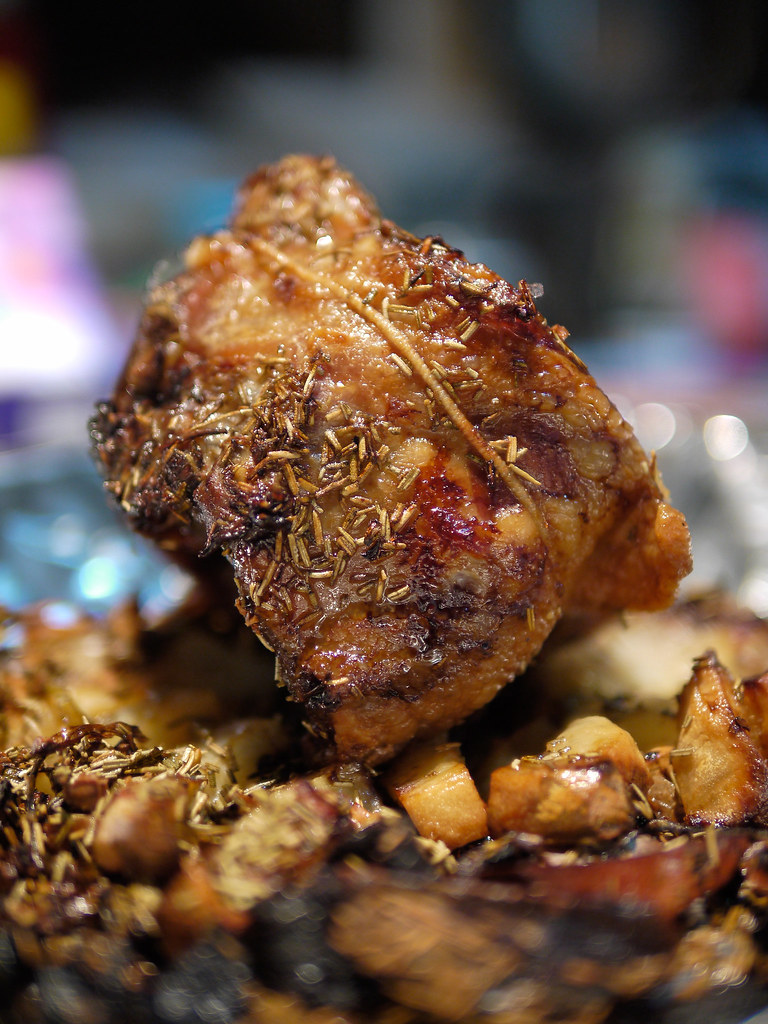
Ingredients You’ll Need
- 1 bone-in lamb shoulder (about 2.2 kg / 5 lb): Bone-in stays juicier and adds flavour; ask the butcher to score the fat cap in a diamond pattern.
- 6 garlic cloves, minced: The backbone of the rub — it perfumes the meat as it roasts.
- 2 tablespoons fresh rosemary, finely chopped: The classic partner for lamb; fresh beats dried here.
- 1 tablespoon fresh thyme leaves: Adds a gentle, earthy note to the herb crust.
- Zest of 1 lemon: Brightens the rich meat and cuts through the fat.
- 3 tablespoons olive oil: Helps the rub stick and the skin crisp up.
- 2 teaspoons sea salt: Season generously — a big joint needs plenty of salt.
- 1 teaspoon black pepper, freshly ground: For warmth and a little bite.
- 1 onion, quartered: Sits under the lamb in the roasting tin and flavours the pan juices.
- 1 head of garlic, halved horizontally: Roasts in the tin and sweetens as it cooks.
- 250 ml (1 cup) dry white wine or chicken stock: Keeps the pan moist and forms the base of the gravy.
- 800 g (about 1¾ lb) potatoes, cut into chunks (optional): Roast them in the tin for the last hour so they soak up the lamb juices.
Equipment You’ll Need
- Large roasting tin with a rack (or a deep baking tray)
- Sharp knife for scoring the fat
- Kitchen string (if the shoulder is boneless and rolled)
- Aluminium foil
- Instant-read meat thermometer
- Carving board with a juice groove
How to Make Roast Lamb Shoulder
- Make the herb rub: In a small bowl, mix the minced garlic, rosemary, thyme, lemon zest, olive oil, salt and pepper into a thick paste.
- Prepare the lamb: Pat the shoulder dry with kitchen paper. Using a sharp knife, score the fat cap in a shallow diamond pattern, taking care not to cut into the meat.
- Rub and rest: Massage the herb paste all over the lamb, working it into the scores. Leave at room temperature for 30 minutes (or refrigerate uncovered overnight for even better flavour and crispier skin).
- Preheat the oven: Heat the oven to 220°C (425°F). Place the onion quarters and halved garlic head in the roasting tin and set the lamb on top, fat-side up.
- Start hot, then go low: Roast at 220°C (425°F) for 30 minutes until the outside is golden and sizzling, then reduce the heat to 160°C (325°F).
- Slow roast: Pour the wine or stock into the tin (not over the lamb), cover tightly with foil, and roast for 3 hours, until the meat is very tender.
- Add the potatoes: After 2 hours, nestle the potato chunks around the lamb, turning them in the pan juices, and re-cover with foil.
- Crisp the top: Remove the foil for the last 20–30 minutes so the skin crisps and the potatoes turn golden.
- Check for doneness: The lamb is ready when a fork twists easily in the thickest part and the internal temperature reads at least 90°C (195°F) — this is a cut that wants to be cooked well past medium.
- Rest before serving: Transfer the lamb to a board, tent loosely with foil, and rest for 20 minutes. Shred or carve into thick slices and serve with the pan juices spooned over the top.
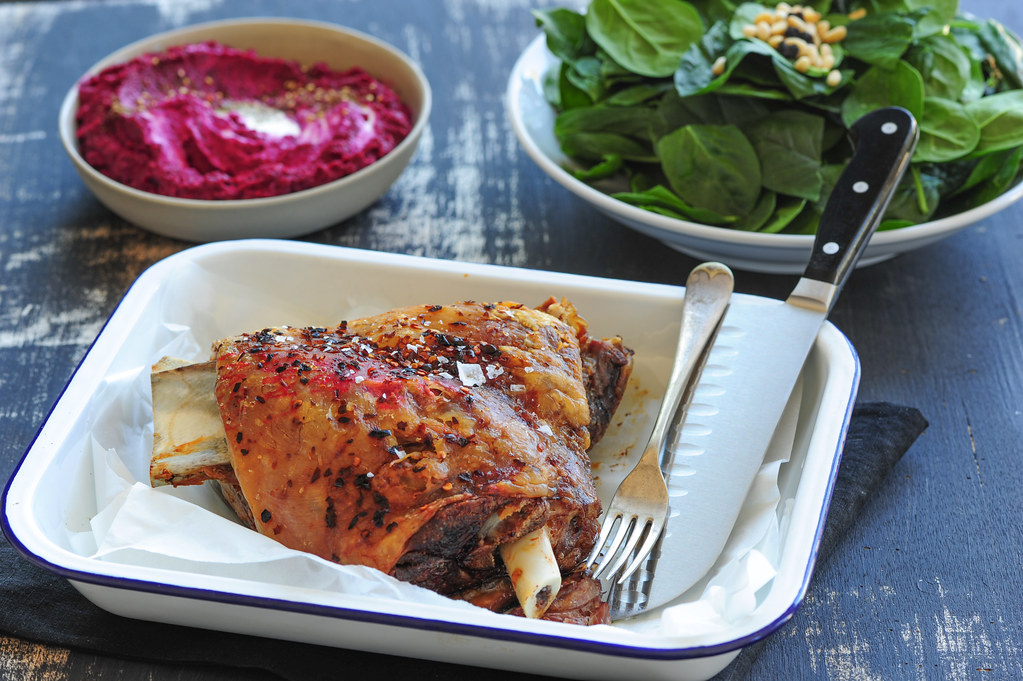
Tips for the Perfect Roast Lamb Shoulder
- Don’t rush it: Shoulder needs time. If it still feels firm, give it another 30 minutes — it will not dry out thanks to the fat and the covered roasting.
- Score the fat: Scoring helps the fat render and the herb rub penetrate, giving you a crisp, flavourful crust.
- Keep it covered for most of the cook: The foil traps steam and keeps the meat moist while the connective tissue melts.
- Resting is non-negotiable: Twenty minutes lets the juices redistribute — cut too soon and they run all over the board.
- Save the pan juices: Skim off excess fat, then warm the juices with a splash of stock for an instant gravy.
- Room temperature first: Taking the lamb out of the fridge 30–45 minutes before roasting helps it cook more evenly.
Easy Variations to Try
- Mediterranean style: Add 1 tablespoon of dried oregano, a pinch of chilli flakes and a squeeze of lemon at the end.
- Middle Eastern twist: Swap the rosemary for 2 teaspoons of ground cumin, 1 teaspoon of cinnamon and a pinch of allspice.
- Mint and garlic: Stir a handful of chopped fresh mint into the rub for a classic British pairing.
- Red wine version: Replace the white wine with red wine and add a sprig of rosemary to the tin for a deeper gravy.
- Boneless rolled shoulder: Ask the butcher to bone and roll it — it cooks a little faster and slices beautifully.
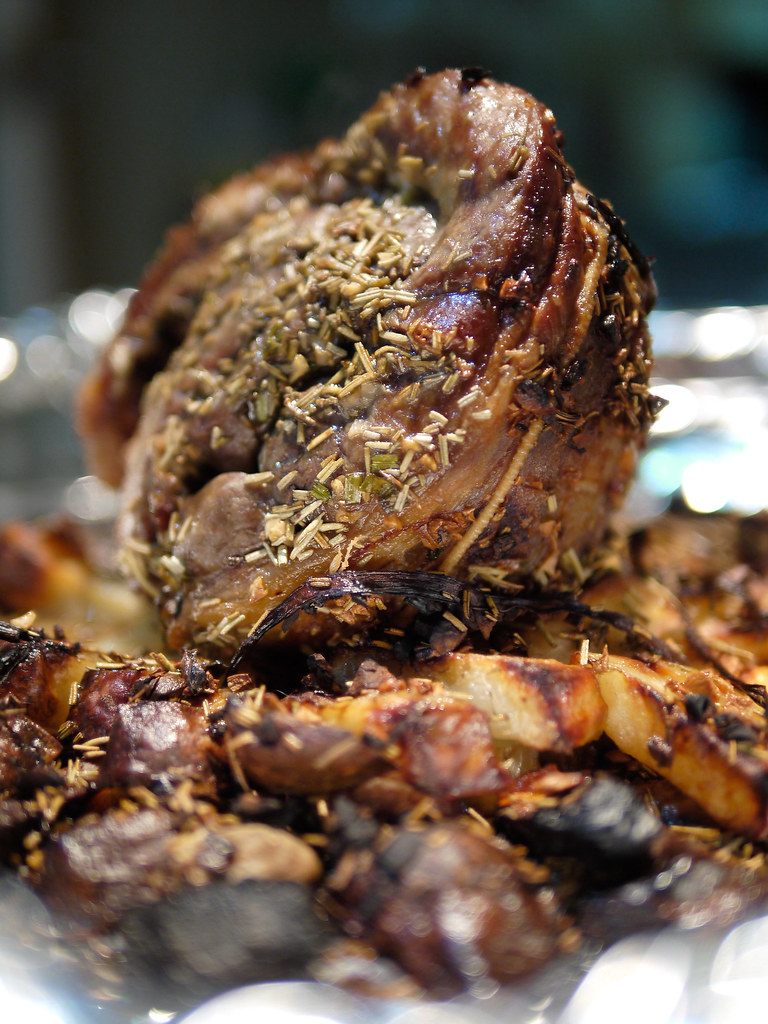
What to Serve With Roast Lamb Shoulder
- Crispy roast potatoes cooked in the lamb juices
- Roasted carrots and parsnips with a drizzle of honey
- A fresh spinach salad with pine nuts and currants
- Beetroot dip or whipped feta for a colourful, tangy side
- Warm flatbreads to mop up the pan juices
- A simple green salad with a sharp lemon dressing
Make Ahead and Storage
- Make ahead: Rub the lamb with the herb paste up to 24 hours in advance and keep it uncovered in the fridge — the skin dries out and crisps even better.
- Fridge: Leftover shredded lamb keeps for 3–4 days in an airtight container. Add a spoonful of pan juices before reheating to keep it moist.
- Freezer: Shredded lamb freezes well for up to 3 months. Portion it into freezer bags with a little of the cooking juices.
- Reheating: Warm gently in a covered dish at 160°C (325°F) with a splash of stock, or in a pan over low heat.
- Leftover ideas: Use the meat in lamb sandwiches with mint sauce, a shepherd’s pie, or tossed through pasta with the pan gravy.
Frequently Asked Questions
How long should I roast a lamb shoulder?
Allow about 1 hour 30 minutes per kilogram (about 45 minutes per pound) at 160°C (325°F) after the initial hot blast. A 2.2 kg shoulder needs roughly 3½ hours, plus 20 minutes of resting.
Should lamb shoulder be cooked pink or well done?
Unlike leg of lamb, shoulder is best cooked until it is falling-apart tender — well past medium. The internal temperature should reach at least 90°C (195°F), which is when the connective tissue has fully melted.
Do I need to cover the lamb with foil?
Yes, for most of the cook. Covering keeps the meat moist during the long slow roast. Remove the foil for the last 20–30 minutes to crisp the skin.
Can I cook lamb shoulder without a rack?
Yes — the onion quarters and garlic act as a natural rack, lifting the meat out of the juices so the base doesn’t steam.
What if my lamb shoulder is boneless?
A boneless rolled shoulder cooks slightly faster — start checking after 2½ hours. Tie it firmly with kitchen string so it holds its shape.
Can I make this in a slow cooker?
Yes. Sear the lamb first, then cook on low for 7–8 hours with the wine and aromatics. Finish under a hot grill for 10 minutes to crisp the top.
Why is my roast lamb tough?
It almost certainly needs more time. Shoulder only becomes tender once the collagen has melted, which happens after several hours of gentle heat. Keep cooking and it will soften.
How much lamb do I need per person?
Allow about 350–400 g (12–14 oz) of bone-in shoulder per person, which gives roughly 200 g of meat each once the bone is removed.
Nutrition (Estimated)
Per serving (based on 6 servings, including potatoes): approximately 620 calories, 42 g protein, 28 g carbohydrates, 36 g fat, 4 g fibre, 620 mg sodium. Values are approximate and will vary with the size of the shoulder and the sides served.
