
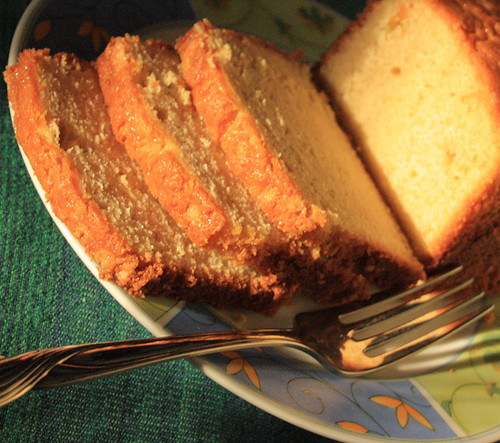
There is a cake that has been baked the same way for three hundred years, and this Pound Cake is it — a pound of butter, a pound of sugar, a pound of eggs, and a pound of flour, baked into a dense, buttery, golden loaf. It is simple, rich, and the most versatile cake you will ever make.
This is the cake you bake when you want something timeless: no frosting, no filling, just a perfect golden crumb that tastes of butter and vanilla. The secret is simple — room temperature ingredients, a long slow bake, and patience. One loaf pan, one bowl, and a cake that goes with everything.
Prep Time: 20 minutes | Cook Time: 1 hour 10 minutes | Total Time: 1 hour 30 minutes | Servings: 12 slices | Course: Dessert | Cuisine: American / British
Why You’ll Love This Pound Cake
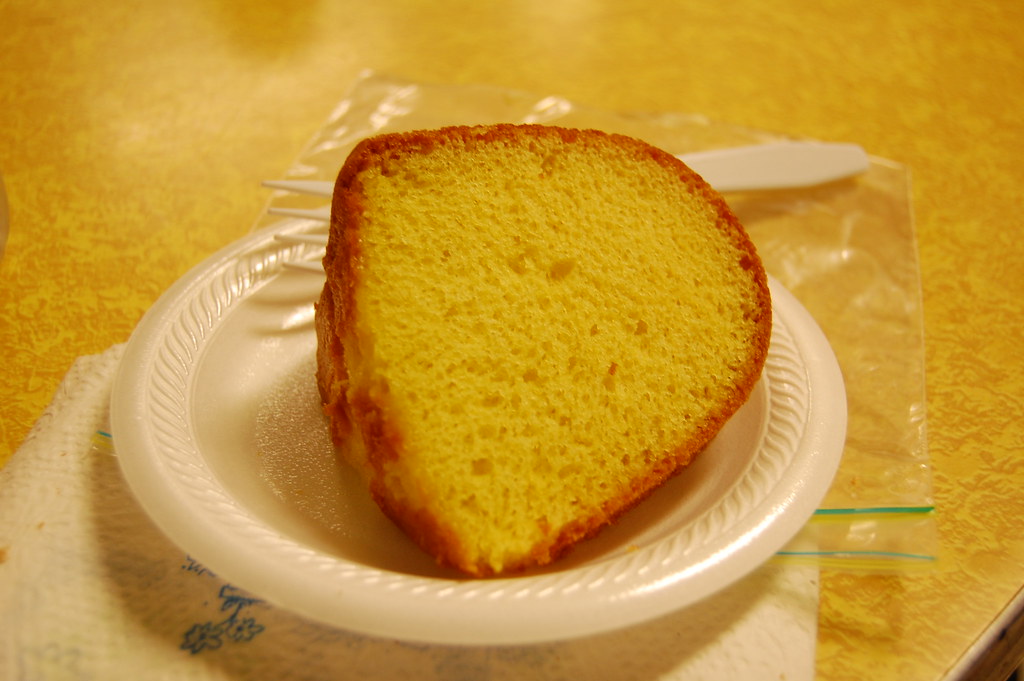
Some cakes earn a permanent place in your kitchen because they are simple, forgiving, and impossible to get wrong. This pound cake checks every box:
- Four ingredients, endless possibilities. Butter, sugar, eggs, and flour — the classic formula. Everything else is a variation.
- Rich and buttery every time. A dense, fine crumb that melts in your mouth and stays moist for days.
- Simple to make. One bowl, one loaf pan, no frosting, no decorating. If you can cream butter, you can bake this cake.
- Goes with everything. Serve it plain with tea, with berries and cream, toasted with butter, or as the base for trifle and shortcake.
- Perfect for any occasion. Afternoon tea, a bake sale, a picnic, or a quiet evening that deserves cake.
- Freezes beautifully. Bake it, slice it, freeze it — and you always have a homemade cake ready for guests.
Whether it is a tea party, a holiday table, or a weekend bake just because, this pound cake delivers. Make it once, and it will become your most-requested cake.
Ingredients You’ll Need
Good pound cake starts with good ingredients, and there are few enough of them here that each one matters. Here is everything you need:
- 1 cup (225 g) unsalted butter, softened — room temperature butter is essential. It must be soft enough to cream, not melted and not cold.
- 1 1/2 cups (300 g) granulated sugar — sweetens the cake and helps it stay moist. The classic recipe uses a full pound, but this lighter version is just as good.
- 4 large eggs, room temperature — room temperature eggs blend smoothly into the butter and trap air for a lighter crumb.
- 2 cups (250 g) all-purpose flour — spooned and leveled, not scooped, so the cake stays tender instead of dense.
- 1/2 teaspoon baking powder — a small amount for a gentle lift. The classic recipe has none, but a little helps the modern version.
- 1/2 teaspoon salt — a pinch of salt keeps the cake from tasting flat and balances the sweetness.
- 1/2 cup (120 ml) sour cream or buttermilk, room temperature — the secret to a moist, tender crumb. Buttermilk gives a slight tang; sour cream gives richness.
- 2 teaspoons vanilla extract — for warmth and depth. Use real vanilla, not imitation — you will taste the difference.
- Optional lemon glaze: 1 cup (120 g) powdered sugar mixed with 2–3 tablespoons of lemon juice, drizzled over the cooled cake.
A note on the butter: use real unsalted butter, not margarine and not salted butter. Pound cake is a butter cake — the butter is the flavor. Good butter makes a good cake; great butter makes a great one.
Equipment You’ll Need
You do not need anything fancy — just the basics:
- 9×5-inch (23×13 cm) loaf pan — greased and lined with parchment paper, with overhang on the long sides so you can lift the cake out.
- Electric mixer (stand or hand) — for creaming the butter and sugar. This step takes 5 minutes and it matters — do not rush it.
- Rubber spatula — for scraping the bowl and folding the batter together.
- Wire cooling rack — for cooling the cake in the pan, then out of the pan, before slicing.
- A serrated knife — for clean slices through the dense crumb.
How to Make Pound Cake
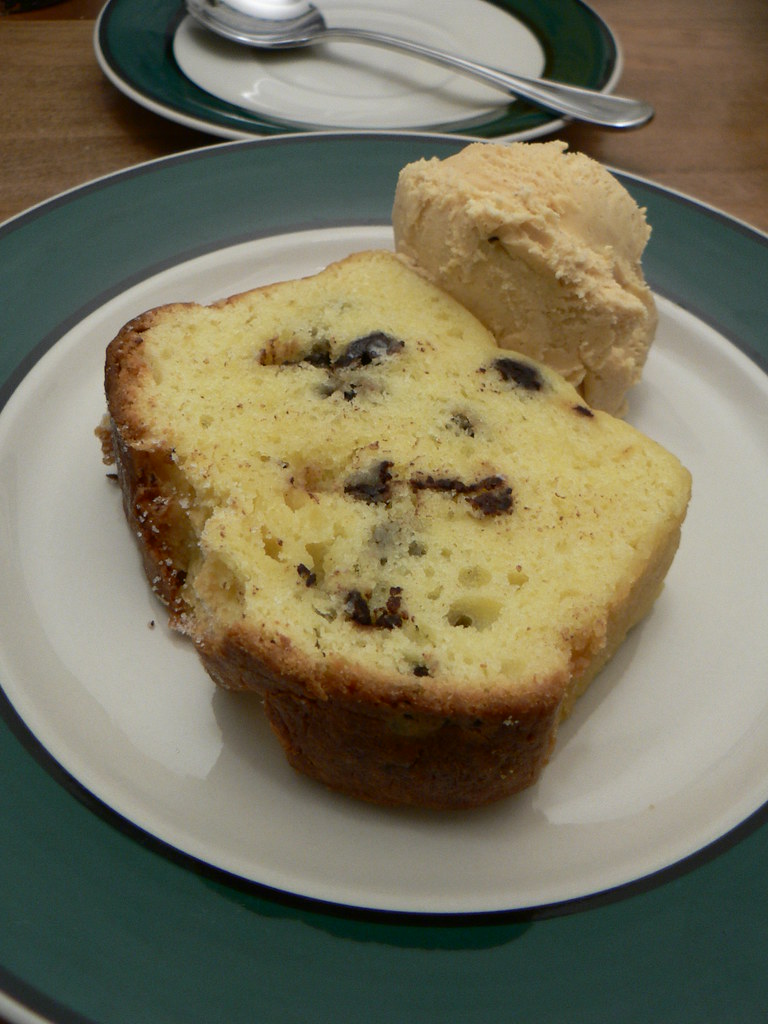
Follow these simple steps and you will have a perfect pound cake in about an hour and a half:
- Preheat and prep. Preheat the oven to 325°F (165°C). Grease a 9×5-inch loaf pan and line it with parchment paper, leaving overhang on the long sides.
- Whisk the dry ingredients. In a medium bowl, whisk together the flour, baking powder, and salt. Set aside.
- Cream the butter and sugar. In a large bowl, beat the butter and sugar with an electric mixer for 4–5 minutes until very pale, fluffy, and almost white. This step is the most important one — it builds the structure of the cake.
- Add the eggs. Beat in the eggs one at a time, beating well after each one, then add the vanilla extract. Scrape down the sides of the bowl.
- Alternate wet and dry. Add the flour mixture in three parts, alternating with the sour cream, beginning and ending with the flour. Mix on low speed just until combined — do not overmix.
- Fill the pan. Spoon the batter into the prepared loaf pan and smooth the top with a spatula. Tap the pan gently on the counter to remove air bubbles.
- Bake low and slow. Bake for 60–75 minutes, until a toothpick inserted in the center comes out clean and the top is deep golden brown. If the top browns too fast, tent it loosely with foil for the last 20 minutes.
- Cool in the pan. Let the cake cool in the pan for 15 minutes, then lift it out using the parchment overhang and cool completely on a wire rack — at least 1 hour — before slicing.
- Glaze if you like. Drizzle the lemon glaze over the cooled cake and let it set for 15 minutes.
- Slice and serve. Cut with a serrated knife into thick slices. Serve plain, or with berries and whipped cream.
Tips for the Perfect Pound Cake
These small details make the difference between a good cake and a great one:
- Cream the butter and sugar properly. Four to five minutes, until pale and fluffy. This is what makes the cake light instead of heavy — do not rush it.
- Use room temperature ingredients. Cold eggs and sour cream do not blend into creamed butter — the batter curdles and the cake turns dense. Set everything out 30 minutes before baking.
- Do not overmix the batter. Once the flour goes in, mix just until you no longer see streaks. Overmixing develops gluten and makes a tough, dry cake.
- Bake low and slow. Pound cake is thick — 325°F (165°C) lets the center bake through without burning the outside. A hotter oven gives a dark crust and a raw middle.
- Cool completely before slicing. Warm pound cake crumbles when cut. Wait a full hour for clean, beautiful slices.
- Grease and line the pan well. Pound cake sticks. Parchment paper with overhang is the safest way to get it out in one piece.
- Use a serrated knife. A straight blade compresses the crumb; a serrated knife saws through it cleanly.
Easy Variations to Try
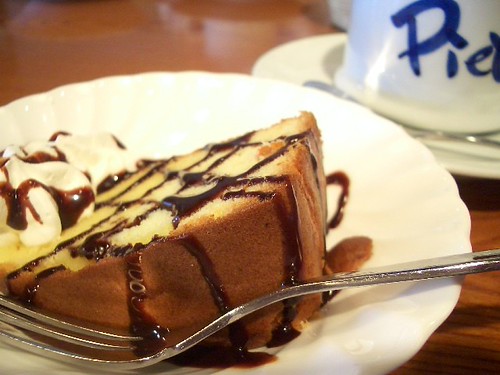
Once you master the base recipe, try one of these twists. Each one keeps the same method — only the flavors change:
- Lemon pound cake. Add the zest of two lemons to the batter and drizzle with lemon glaze. Bright, fresh, and the most popular variation of all.
- Chocolate pound cake. Replace 1/3 cup of the flour with cocoa powder and add 1/2 cup of chocolate chips. Rich, dark, and delicious.
- Almond pound cake. Add 1 teaspoon of almond extract and 1/2 cup of sliced almonds on top before baking. Nutty and elegant.
- Cream cheese pound cake. Replace the sour cream with 8 oz (225 g) of softened cream cheese. Even richer, with a slight tang.
- Marble pound cake. Divide the batter in half, mix cocoa into one half, and layer them in the pan, swirling with a knife. Beautiful when sliced.
- Banana pound cake. Replace the sour cream with 1 cup of mashed very ripe bananas. Moist, sweet, and perfect for using up brown bananas.
- Gluten-free version. Use a 1:1 gluten-free flour blend in place of the all-purpose flour. The method is exactly the same.
What to Serve With Pound Cake
Pound cake is a complete dessert on its own, but the right pairings make it a dinner to remember:
- With berries and whipped cream — fresh strawberries, blueberries, or raspberries with lightly sweetened whipped cream. The classic.
- With ice cream — a warm slice with a scoop of vanilla ice cream is a simple, stunning dessert.
- With tea or coffee — the classic partner. A slice of pound cake with afternoon tea is a perfect break.
- Toasted with butter — slice it thick, toast it in a pan with butter until golden, and serve warm. Unbelievably good.
- As strawberry shortcake — split a slice, fill it with macerated strawberries and whipped cream. A shortcut shortcake that tastes homemade.
- With lemon curd — a spoonful of lemon curd on the side adds brightness to the rich crumb.
Make Ahead and Storage
This is one of the best make-ahead cakes you can keep in your back pocket:
- Make ahead: bake the cake up to 2 days in advance and keep it wrapped at room temperature. It actually tastes better on day two, when the crumb settles.
- Room temperature: the cake keeps for up to 4 days at room temperature, wrapped tightly in plastic wrap or in an airtight container.
- Refrigerator: the cake keeps for up to 1 week in the fridge, wrapped. Let slices come to room temperature before serving.
- Freezer: freeze the whole loaf or individual slices, wrapped tightly, for up to 3 months. Thaw overnight in the fridge or warm slices in a low oven.
Frequently Asked Questions
Why is it called pound cake?
The original recipe used a pound each of butter, sugar, eggs, and flour — one pound of each. Modern recipes are lighter, but the name stuck.
Why did my pound cake sink in the middle?
The most common causes are underbaking, too much leavener, or opening the oven door too early. Bake until a toothpick comes out clean and do not open the door before 50 minutes.
Why is my pound cake dry?
The most common cause is overbaking, or measuring the flour by scooping instead of spooning and leveling. Check the cake at 60 minutes and measure the flour carefully.
Can I make this cake in a bundt pan?
Yes — use a 10-cup bundt pan, greased very well, and bake for 55–65 minutes. It makes a beautiful presentation.
Can I use salted butter?
You can, but leave out the added salt. Unsalted butter is preferred because you control the salt exactly.
Why did my cake stick to the pan?
The pan was not greased and lined well enough. Always use parchment paper with overhang for a loaf pan — it is the only reliable way to lift the cake out.
Can I add a glaze?
Yes — a simple lemon glaze, a vanilla glaze, or a chocolate ganache all work beautifully on pound cake. Drizzle it over the cooled cake.
How do I get clean slices?
Cool the cake completely, then cut with a serrated knife, wiping the blade between slices.
Nutrition (Estimated)
Per serving (1 of 12 slices): approximately 380 calories, 20 g fat, 45 g carbohydrates, 28 g sugar, and 5 g protein. These values are estimates and will vary with the exact brands and quantities you use.
Pound Cake proves that the simplest cakes are often the most loved. Butter, sugar, eggs, and flour — and you have a cake that has been baked the same way for three hundred years, because it works. Make it once, and it will become your most-requested cake. Try it this weekend, and let us know in the comments how you served it — with berries, with ice cream, or toasted with butter. No judgment here.
