
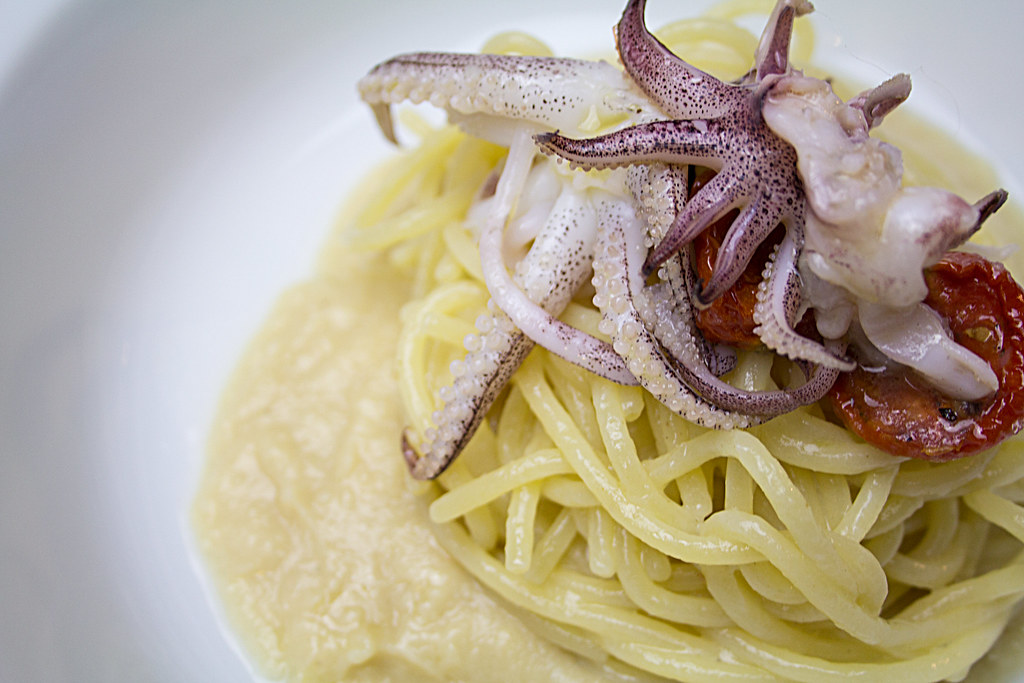
Octopus pasta is a Mediterranean classic that sounds fancy and cooks in about 35 minutes. Tender octopus, garlic, chilli, tomatoes and spaghetti — or a simple garlic and olive oil dressing — make a dish that is briny, savoury and deeply satisfying. The secret is cooking the octopus gently until tender, then finishing it fast and hot with the pasta.
Use pre-cooked or tenderised octopus from the fish counter if you can — it removes all the guesswork. If you buy raw octopus, simmer it gently first (never boil it hard), then slice and toss it with the pasta. Either way, the result is a restaurant-worthy dinner at home.
Prep Time: 15 minutes | Cook Time: 20 minutes | Total Time: 35 minutes | Servings: 4
Why You’ll Love This Octopus Pasta
- Restaurant flavour at home — tender octopus, garlic, chilli and tomato.
- Surprisingly simple — a short ingredient list and one pan for the sauce.
- Light but satisfying — lean seafood, olive oil and pasta.
- Flexible — make it with tomato sauce or with garlic and olive oil only.
- Great for guests — it looks impressive and tastes even better.
- Healthy Mediterranean style — olive oil, garlic, tomatoes and seafood.
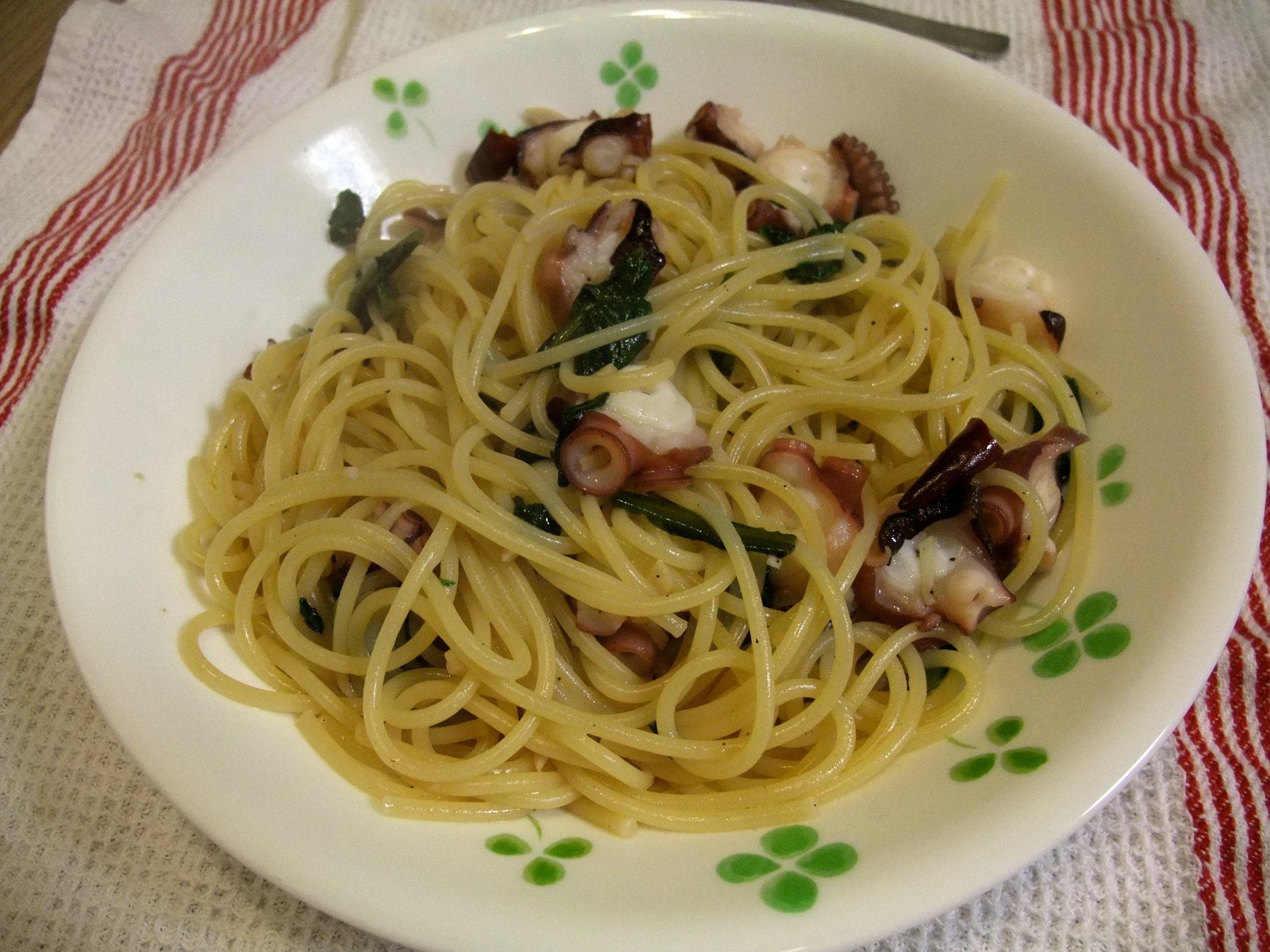
Ingredients You’ll Need
- 12 oz (340 g) spaghetti — long pasta suits octopus best; linguine also works.
- 1 lb (450 g) cooked octopus, sliced into bite-size pieces — buy it pre-cooked from the fish counter, or simmer raw octopus first (see the tip below). Baby octopus also works well.
- 1/4 cup extra-virgin olive oil — good oil is essential in a simple sauce.
- 5 cloves garlic, thinly sliced — cook gently; burnt garlic turns bitter.
- 1/2 teaspoon red pepper flakes — the classic warmth of spaghetti all’arrabbiata style; use more or less to taste.
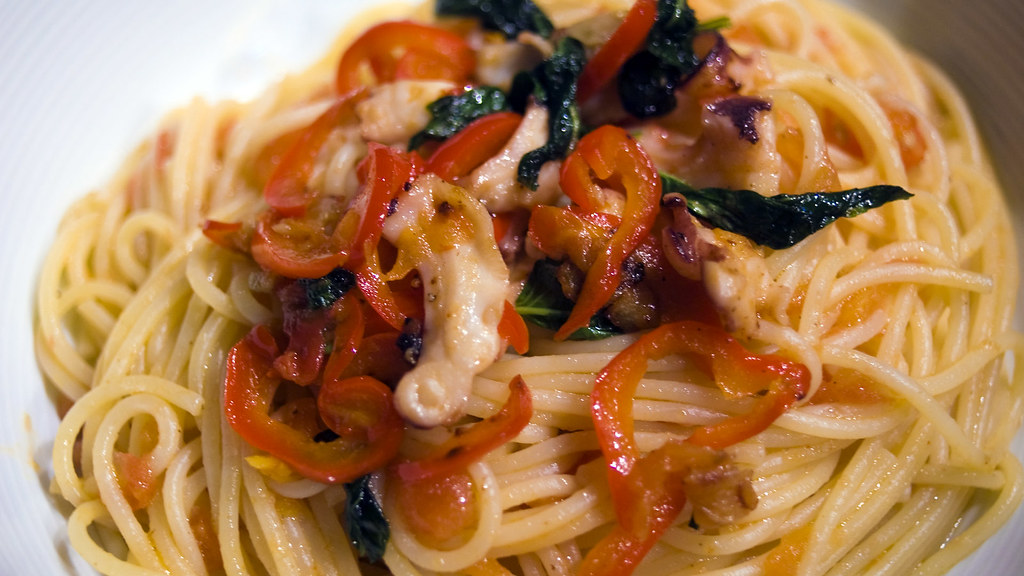
- 1 can (14 oz / 400 g) cherry tomatoes or crushed tomatoes — cherry tomatoes keep their shape and add sweetness.
- 1/2 cup dry white wine — deglazes the pan and adds brightness; use broth if you prefer.
- 1 lemon, zested and juiced — a squeeze at the end lifts the briny octopus.
- 1/4 cup fresh parsley, chopped — for serving.
- Salt and black pepper, to taste — season lightly; octopus is naturally salty.
- 1/2 cup reserved pasta water — to bring the sauce together.
Equipment You’ll Need
- Large pot for the pasta
- Large skillet
- Tongs
- Colander
- Sharp knife and chopping board
- Measuring cups and spoons
How to Make Octopus Pasta
- Boil the pasta. Cook the spaghetti in a large pot of salted water until just shy of al dente. Reserve 1/2 cup of pasta water, then drain.
- Prepare the octopus. If using pre-cooked octopus, slice the tentacles into bite-size pieces and pat dry. If using raw octopus, simmer it gently in salted water with a bay leaf for 40 to 50 minutes until tender, then cool, slice and pat dry. Never boil octopus hard — it turns rubbery.
- Warm the oil and garlic. Heat the olive oil in a large skillet over medium heat. Add the garlic and red pepper flakes and cook for 30 to 45 seconds until fragrant.
- Sear the octopus. Add the octopus pieces in a single layer and cook for 2 to 3 minutes, turning once, until lightly golden at the edges. Do not cook it for long — it is already tender and only needs warming and colour.
- Deglaze with wine. Pour in the white wine and scrape up any golden bits. Simmer for 2 minutes until reduced by half.
- Add the tomatoes. Add the cherry tomatoes and simmer for 5 to 6 minutes until they soften and form a light sauce. Season with salt and pepper.
- Toss in the pasta. Add the drained spaghetti with a splash of pasta water. Toss with tongs for 1 to 2 minutes until the pasta finishes cooking and the sauce coats it.
- Finish with lemon. Take the pan off the heat. Add the lemon juice and half the lemon zest and toss once more.
- Serve immediately. Divide between warm bowls, sprinkle with parsley, the remaining zest and a drizzle of good olive oil.
Tips for Perfect Octopus Pasta
- Buy pre-cooked octopus if you can. It removes the hardest step and is reliably tender.
- Never overcook the octopus. Cooked octopus only needs 2 to 3 minutes in the pan. Longer cooking makes it tough.
- Simmer raw octopus gently. A low, lazy simmer with a bay leaf and a wine cork (the traditional trick) gives tender results; a rolling boil makes it rubbery.
- Pat the octopus dry. Dry pieces sear and brown; wet pieces steam and stay pale.
- Keep the sauce light. This is not a heavy sauce — the octopus is the star, and the tomatoes and garlic should support it, not bury it.
- Serve right away. Like all seafood pasta, it is best the moment it leaves the pan.
Easy Variations to Try
- Garlic and oil version. Skip the tomatoes: toss the pasta with the octopus, garlic oil, chilli, parsley and lemon — spaghetti all’aglio e olio with octopus.
- Add baby octopus. Small whole baby octopus cook in the same 2 to 3 minutes and look beautiful on the plate.
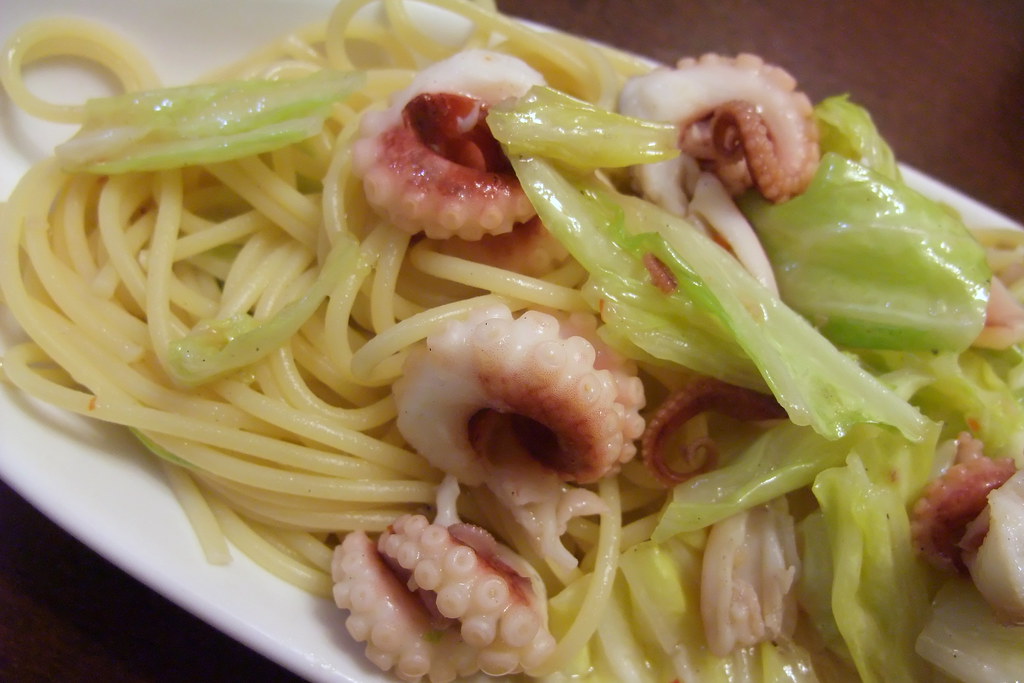
- Add vegetables. Spinach, peppers, zucchini or cabbage all work — add firmer vegetables with the tomatoes and leafy greens at the end.
- Make it spicy. Double the red pepper flakes and add a sliced fresh red chilli.
- Add olives and capers. A Mediterranean puttanesca-style version with olives, capers and tomatoes is delicious.
- Try it with squid or calamari. The same method works with calamari rings — cook them for just 1 to 2 minutes.
What to Serve With Octopus Pasta
- Crusty bread — for the sauce and olive oil.
- A simple green salad — lettuce, lemon and olive oil.
- Grilled vegetables — peppers, zucchini or asparagus.
- A glass of dry white wine — Vermentino, Albariño or a dry rosé.
- Lemon wedges — extra lemon at the table is always welcome.
Make Ahead and Storage
- Prep ahead: If cooking raw octopus, simmer it a day ahead, cool, slice and store covered in the fridge. The sauce can also be made a day ahead.
- Leftovers: Store in an airtight container in the fridge for up to 2 days.
- Reheating: Warm gently in a skillet over low heat with a splash of water or broth. Avoid high heat — it toughens the octopus quickly.
- Freezing: Not recommended. The octopus turns rubbery and the pasta goes soft on thawing.
Frequently Asked Questions
Where do I buy octopus?
Fish counters, Mediterranean delis and good supermarkets sell pre-cooked octopus, often in the chilled seafood section. Frozen raw octopus is also widely available — thaw it overnight in the fridge.
How do I know when raw octopus is tender?
Simmer it gently for 40 to 50 minutes, then test with a knife — it should slide in easily, like a cooked potato. If it resists, give it another 10 minutes.
Can I use baby octopus?
Yes. Small whole baby octopus are tender and quick to cook — 2 to 3 minutes in the pan is enough.
Can I use squid instead?
Yes. Calamari rings work with the same method, but cook them for only 1 to 2 minutes — they toughen even faster than octopus.
Is octopus healthy?
Yes — it is lean, high in protein, and rich in iron, vitamin B12 and omega-3 fatty acids. It is also naturally low in fat.
What if I cannot find octopus?
Use shrimp, scallops or mussels instead, keeping the same garlic, chilli and tomato sauce — the method is identical.
Can I make this without wine?
Yes. Use fish stock, chicken broth or a splash of pasta water with extra lemon juice instead.
Nutrition (Estimated)
Per serving (1 of 4): about 490 calories, 28 g protein, 58 g carbohydrates, 15 g fat, 3 g fibre, 640 mg sodium. Values are approximate and will vary with the exact ingredients and portion size.
