
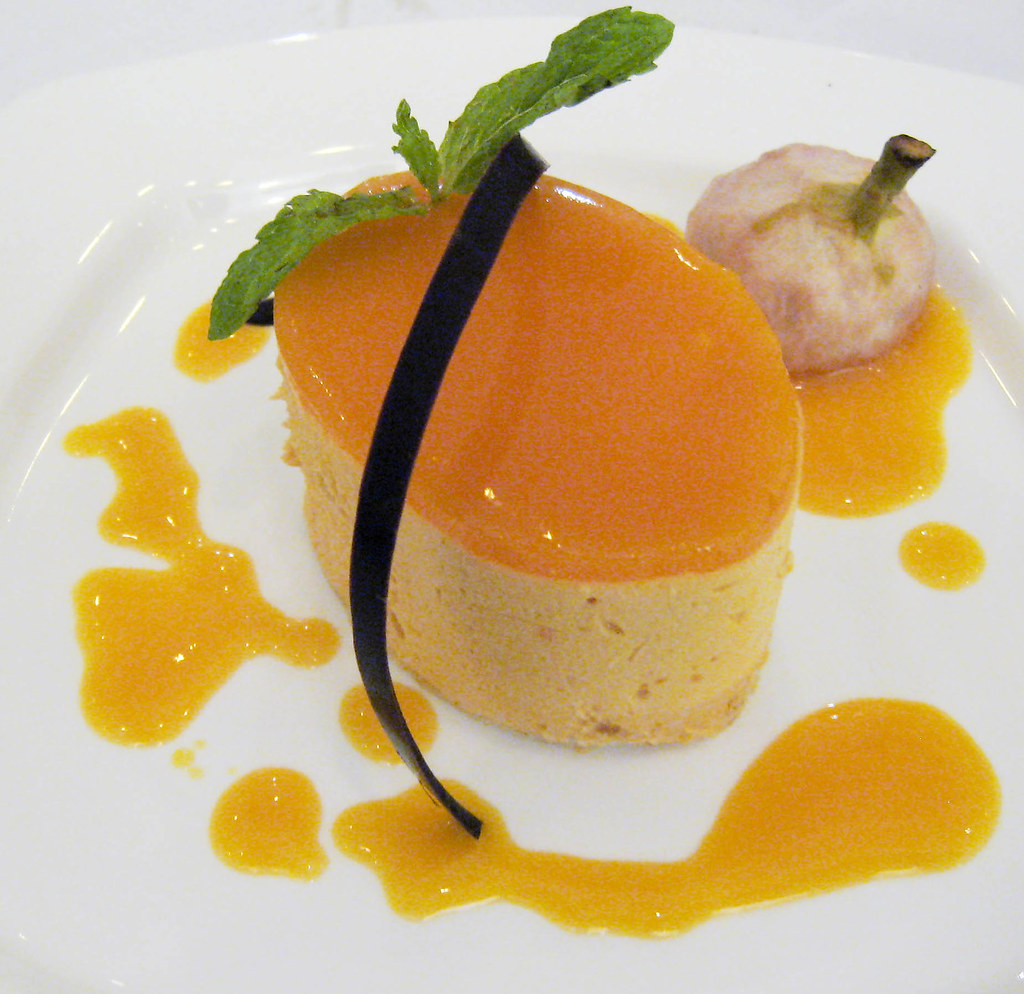
There are desserts that taste like summer in a single bite, and this Mango Cheesecake is one of them. Silky, no-bake mango cream cheese filling on a buttery graham cracker crust, topped with a glossy mango glaze and fresh mango slices. It is bright, tropical, and impossibly creamy — and you never have to turn on the oven.
The secret is simple: real mango puree folded into a light cream cheese filling, set with just enough gelatin to slice cleanly, and chilled overnight until it is firm but still soft on the spoon. One bowl, one pan, and a dessert that looks like it came from a beachside café.
Prep Time: 25 minutes | Chill Time: 6 hours (or overnight) | Total Time: 6 hours 25 minutes | Servings: 12 slices | Course: Dessert | Cuisine: Tropical / American
Why You’ll Love This Mango Cheesecake
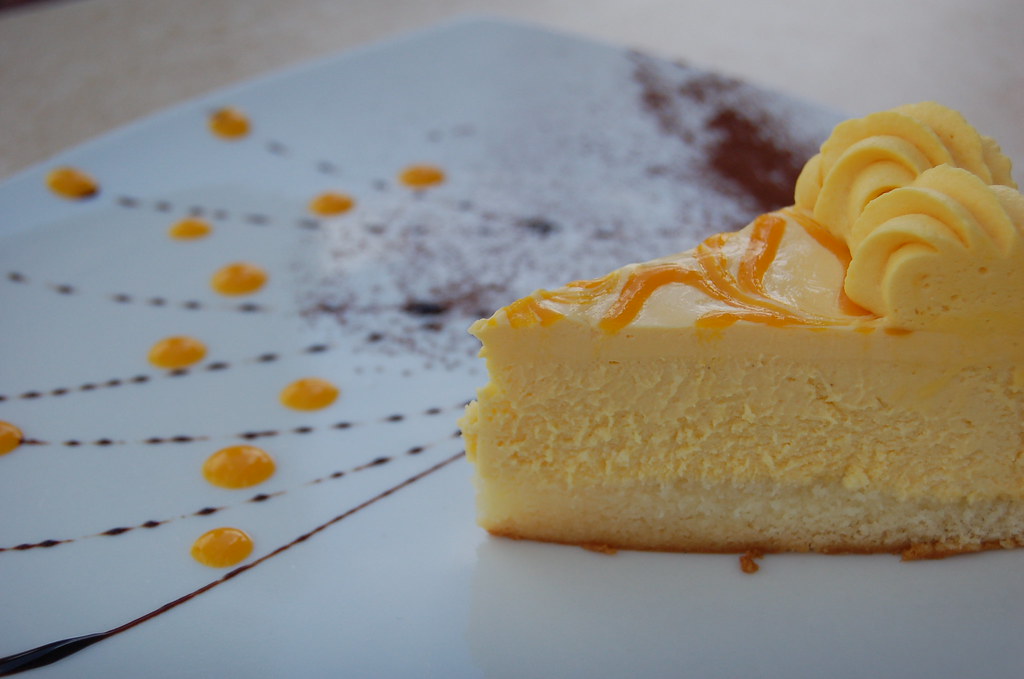
Some recipes earn a permanent place in your kitchen because they are beautiful, easy, and impossible to get wrong. This mango cheesecake checks every box:
- No oven needed. The filling sets in the fridge, so this is the perfect dessert for hot days and small kitchens.
- Real mango flavor. Fresh mango puree — not flavoring — gives the filling its sunny color and sweet tropical taste.
- Light and creamy, not heavy. Whipped cream folded into the filling makes it airy and mousse-like, never dense.
- Stunning to serve. The golden mango glaze and fresh mango slices on top make it look like a bakery showpiece.
- Make-ahead friendly. It needs a long chill anyway, so make it the day before and slice it when guests arrive.
- Easy to adapt. Swap the mango for passion fruit, peach, or strawberry puree and the recipe still works perfectly.
Whether it is a summer party, a birthday, or a Sunday dinner that deserves something special, this cheesecake delivers. Make it once, and it will become your warm-weather favorite.
Ingredients You’ll Need
Good mango cheesecake starts with good ingredients, and there are few enough of them here that each one matters. Here is everything you need:
For the crust:
- 1 1/2 cups (150 g) graham cracker crumbs — about 10 full graham crackers, finely crushed. Digestive biscuits work just as well.
- 1/4 cup (50 g) granulated sugar — sweetens the crust and helps it hold together.
- 6 tablespoons (85 g) unsalted butter, melted — binds the crumbs into a firm, sliceable crust.
For the mango filling:
- 24 oz (680 g) full-fat cream cheese, softened — the base of the cheesecake. It must be truly room temperature, or the filling will be lumpy.
- 3/4 cup (150 g) granulated sugar — sweetens the filling without overpowering the mango.
- 1 cup (240 ml) mango puree — from about 2 large ripe mangoes, blended smooth. Frozen mango, thawed, works perfectly too.
- 1 tablespoon lemon juice — brightens the mango and keeps the flavor fresh.
- 1 teaspoon vanilla extract — rounds out the tropical flavor.
- 2 teaspoons powdered gelatin + 2 tablespoons cold water — the setting agent that lets the cheesecake slice cleanly. Bloom it first, then melt it gently.
- 1 cup (240 ml) heavy whipping cream, cold — whipped to soft peaks and folded in for a light, mousse-like texture.
For the mango topping:
- 1/2 cup (120 ml) mango puree — for the glossy glaze on top.
- 1 teaspoon powdered gelatin + 1 tablespoon cold water — sets the glaze so it stays shiny and does not run.
- 1 ripe mango, sliced, and fresh mint leaves — for decorating the top.
A note on the mangoes: use ripe, fragrant mangoes that give slightly when pressed — Ataulfo (honey) mangoes are the sweetest and least fibrous, but any ripe mango works. If fresh mangoes are out of season, thawed frozen mango puree is an excellent substitute.
Equipment You’ll Need
You do not need anything fancy — just the basics:
- 9-inch (23 cm) springform pan — essential for a no-bake cheesecake, so you can release the sides cleanly.
- Food processor or blender — for the mango puree and the graham cracker crumbs.
- Electric mixer (hand or stand) — for beating the cream cheese smooth and whipping the cream.
- Rubber spatula — for folding the whipped cream into the filling without deflating it.
- Small saucepan or microwave-safe bowl — for melting the gelatin.
- Offset spatula — for smoothing the top of the cheesecake and the glaze.
How to Make Mango Cheesecake
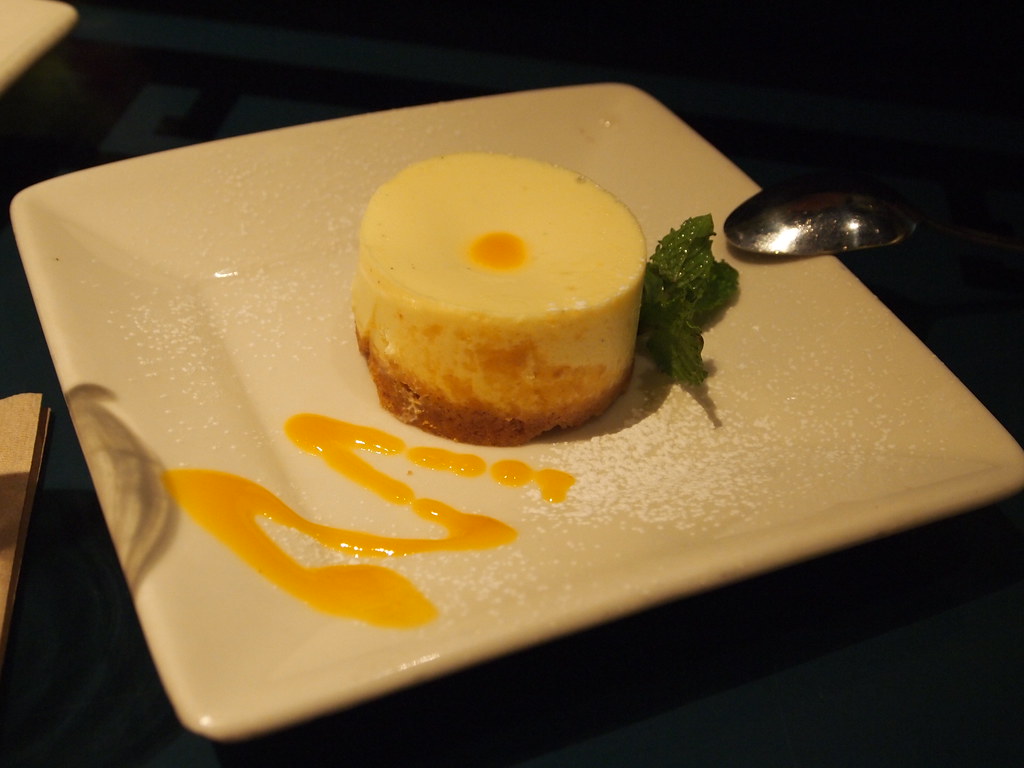
Follow these simple steps and you will have a perfect mango cheesecake with 25 minutes of work:
- Make the crust. Mix the graham cracker crumbs, sugar, and melted butter until the mixture looks like wet sand. Press it firmly into the bottom of the springform pan, using the bottom of a glass to pack it flat and even. Chill in the fridge while you make the filling.
- Beat the cream cheese. In a large bowl, beat the softened cream cheese and sugar with an electric mixer for 2–3 minutes, until completely smooth and creamy. Scrape down the sides of the bowl twice — any lump now will stay in the finished cake.
- Add the mango. Beat in the mango puree, lemon juice, and vanilla until smooth and evenly colored. The mixture should be a soft golden yellow.
- Bloom and melt the gelatin. Sprinkle the gelatin over the cold water and let it sit for 5 minutes until spongy. Warm it gently in the microwave for 10–15 seconds, or in a small saucepan over low heat, until just melted and clear. Do not boil it.
- Temper the gelatin. Whisk 2 tablespoons of the mango filling into the warm gelatin, then pour the gelatin mixture back into the bowl and beat briefly to combine. This step keeps the gelatin from setting in lumps.
- Whip and fold the cream. In a separate bowl, whip the cold heavy cream to soft peaks — it should hold its shape but still be soft. Fold it into the mango filling in two additions, using a spatula and a gentle lifting motion, until no streaks remain.
- Fill and chill. Pour the filling over the chilled crust and smooth the top with an offset spatula. Tap the pan gently on the counter to release air bubbles. Cover and refrigerate for at least 4 hours, or overnight.
- Make the mango glaze. Bloom the second gelatin in cold water, melt it gently, and stir it into the remaining mango puree. Let it cool for 10 minutes, then pour it slowly over the set cheesecake and tilt the pan to coat the top evenly. Chill for 1 more hour until the glaze is set.
- Decorate and serve. Run a thin knife around the edge of the pan, release the springform, and transfer the cheesecake to a serving plate. Top with fresh mango slices and mint leaves. Slice with a hot, dry knife, wiping the blade between cuts.
Tips for the Perfect Mango Cheesecake
These small details make the difference between a good cheesecake and a great one:
- Room-temperature cream cheese is not optional. Cold cream cheese makes a lumpy filling. Leave it on the counter for at least 1 hour before you start.
- Do not over-whip the cream. Soft peaks fold in smoothly; stiff peaks make the filling grainy and hard to fold.
- Never boil the gelatin. Boiling weakens gelatin and the cheesecake will not set. Warm it just until it melts and turns clear.
- Chill overnight if you can. Six hours is the minimum, but an overnight chill gives the cleanest slices and the best flavor.
- Use a hot knife for slicing. Run a long, thin knife under hot water, wipe it dry, and cut. Repeat between slices for neat edges.
- Strain the mango puree. If your mangoes are fibrous, push the puree through a fine sieve before using it — the filling will be perfectly smooth.
- Keep it cold until serving. No-bake cheesecake softens quickly at room temperature. Take it out of the fridge just before serving.
Easy Variations to Try
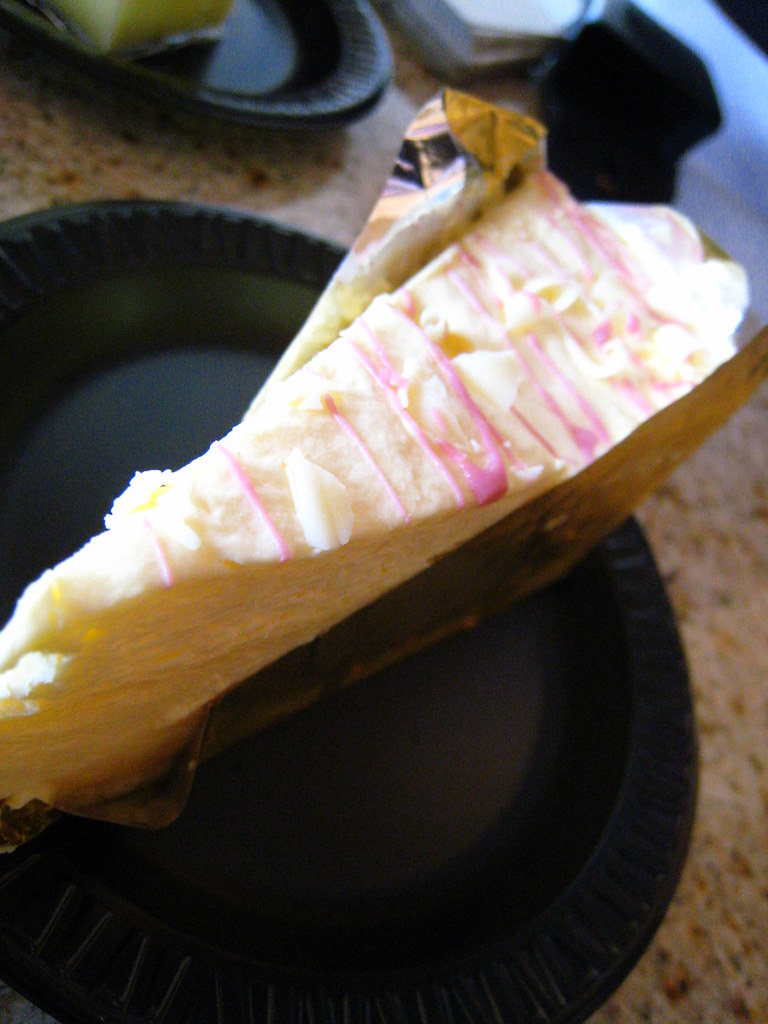
Once you master the base recipe, try one of these twists. Each one keeps the same no-bake method — only the flavors change:
- Mango passion fruit cheesecake. Replace half of the mango puree with passion fruit pulp for a tangier, more tropical version.
- Strawberry mango cheesecake. Swirl strawberry puree through the filling before chilling and top with fresh strawberries.
- Coconut mango cheesecake. Use a coconut cookie crust and add 1/2 cup of toasted coconut flakes to the filling for a tropical twist.
- Mango lime cheesecake. Add the zest of 2 limes and an extra tablespoon of lime juice for a bright, citrusy version.
- Mini mango cheesecakes. Press the crust and filling into a lined muffin tin for individual portions — chill for 3 hours instead of 6.
- Chocolate mango cheesecake. Use a chocolate cookie crust and drizzle the top with melted dark chocolate for a richer dessert.
- Peach or apricot version. Swap the mango puree for peach or apricot puree when mangoes are out of season.
What to Serve With Mango Cheesecake
Mango cheesecake is a complete dessert on its own, but the right partners make it shine:
- Fresh mango and berries — sliced mango, raspberries, or blueberries on the side add color and freshness.
- Whipped cream — a dollop of lightly sweetened whipped cream on each slice.
- Passion fruit sauce — a spoonful of passion fruit pulp over the top adds tartness that balances the sweetness.
- Coconut sorbet — a small scoop next to the cheesecake for a tropical dessert plate.
- Iced tea or lemonade — a cold, citrusy drink is the perfect partner for a summer cheesecake.
- Toasted coconut — a sprinkle of toasted coconut flakes adds crunch and a tropical note.
Make Ahead and Storage
This is one of the best make-ahead desserts you can keep in your back pocket:
- Make ahead: prepare the cheesecake up to 2 days in advance and keep it in the fridge, covered. Add the fresh mango decoration just before serving.
- Refrigerator: store in an airtight container, or covered with plastic wrap, for up to 4 days. The flavor is best on day 1 and 2.
- Freezer: freeze the cheesecake (without the fresh fruit topping) for up to 1 month. Wrap it tightly in plastic wrap and foil, then thaw overnight in the fridge.
- Transport: keep the cheesecake in its springform pan until you arrive, then release it there. It travels best cold and uncut.
Frequently Asked Questions
Can I make mango cheesecake without gelatin?
Yes — use 1 cup of whipped cream cheese spread instead of the gelatin, or add 2 extra ounces of cream cheese and chill overnight. The texture will be softer, so serve it well chilled.
Can I use frozen mango?
Absolutely. Thaw frozen mango chunks completely, drain any excess liquid, and blend until smooth. Frozen mango is often sweeter and more consistent than out-of-season fresh mango.
Why is my cheesecake not setting?
The most common causes are gelatin that was boiled (which weakens it), not enough chill time, or too much liquid in the puree. Chill for at least 6 hours, and make sure the gelatin was only warmed until melted.
Can I make it in a different pan?
Yes — a 9-inch pie dish works, though you will serve it from the dish instead of unmolding it. A square 8-inch pan gives neat bars, and a muffin tin makes mini cheesecakes.
Is this cheesecake gluten-free?
It can be — use gluten-free graham crackers or gluten-free cookies for the crust. The filling is naturally gluten-free.
How do I know the mangoes are ripe enough?
A ripe mango smells sweet at the stem end and gives slightly when gently squeezed. If your mangoes are underripe, leave them in a paper bag with a banana for 1–2 days.
Can I use canned mango pulp?
Yes, canned mango pulp (unsweetened) works well and is very smooth. Reduce the sugar in the filling by 2 tablespoons if the pulp is sweetened.
How long does it keep in the fridge?
Up to 4 days, covered. The crust softens slightly after day 2, but the flavor stays wonderful.
Nutrition (Estimated)
Per serving (1 of 12 slices): approximately 380 calories, 24 g fat, 34 g carbohydrates, 26 g sugar, and 5 g protein. These values are estimates and will vary with the exact brands and quantities you use.
Mango Cheesecake proves that the most impressive desserts are often the simplest ones. Twenty-five minutes, one bowl, no oven — and you have a golden, tropical cheesecake that tastes like summer. Make it once, and it will become your warm-weather favorite. Try it this weekend, and let us know in the comments how you served it — with fresh mango, a passion fruit drizzle, or straight from the fridge with a spoon. No judgment here.
