
Quiet luxury is not about spending more, it is about choosing less, and choosing it well. These 15 ideas show how warm neutrals, honest materials, and soft light can turn an ordinary living room into a calm, elegant space that feels expensive without trying too hard.
1. Warm Neutrals and Layered Texture
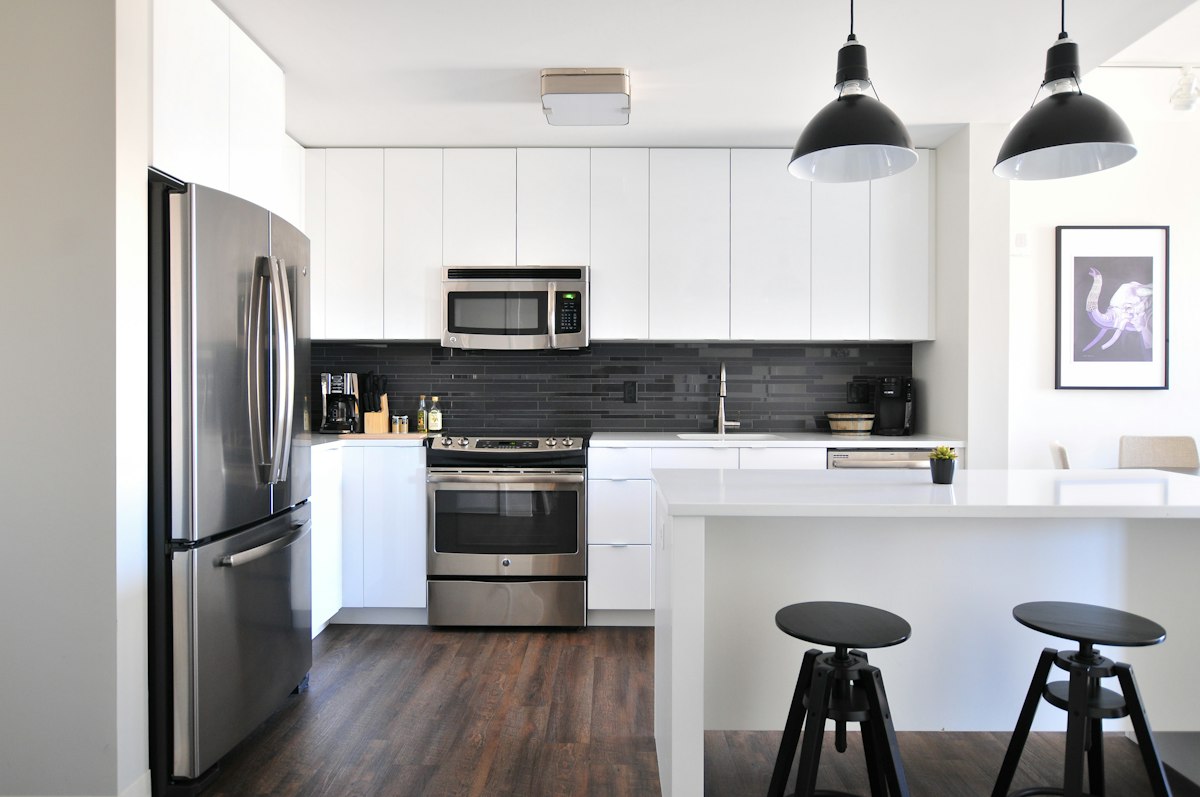
Quiet luxury begins with a calm, warm-neutral palette. Think soft white, warm greige, oatmeal, taupe, and pale stone, used in large blocks rather than busy patterns. These colours make a living room feel light and expensive without shouting, and they give every other piece in the room space to breathe.
Texture is what keeps a neutral room from feeling flat. Layer a nubby wool throw over a smooth linen sofa, add a woven basket, a matte ceramic vase, and a softly veined stone tray. When the colours stay quiet, the mix of textures does the talking.
Test paint and fabric samples in daylight and in the evening before you commit, because warm neutrals can shift dramatically with the light. A sample that looks creamy at noon can turn pink or yellow under warm bulbs, so check it on the wall and on the sofa first.
- Keep the palette to three main neutrals, plus one deeper accent.
- Mix at least three textures in every seating area.
- Choose warm undertones over cold grey for a softer glow.
2. A Well-Made Sofa in Tailored Upholstery
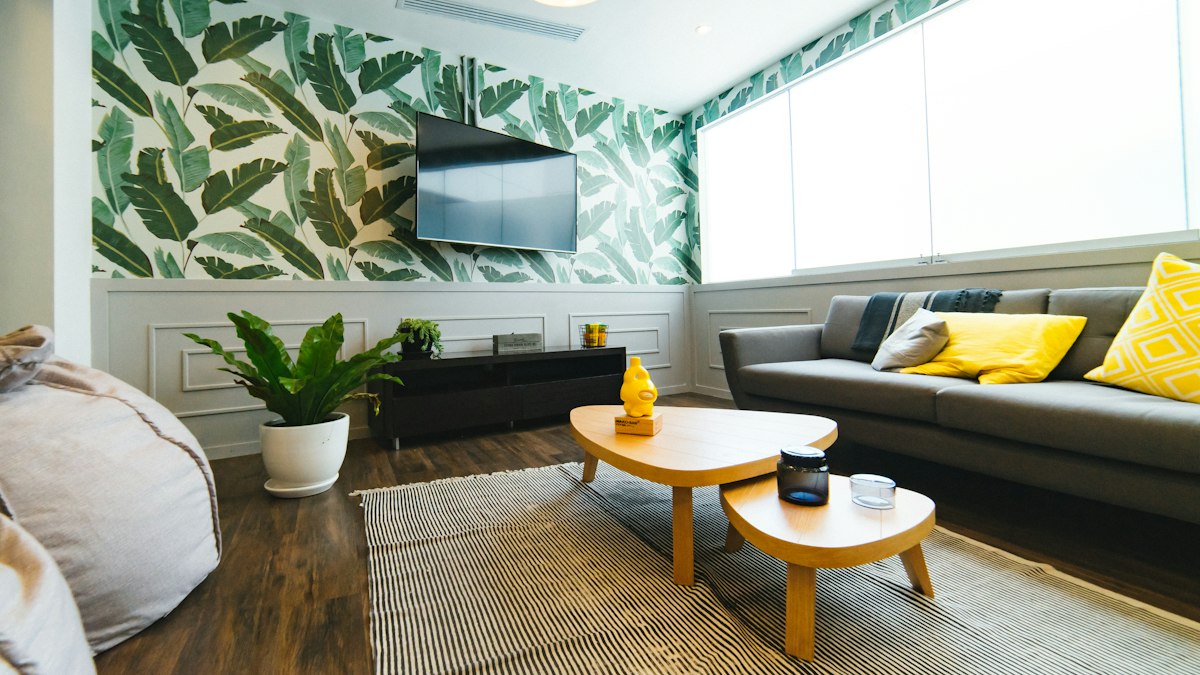
The sofa is the anchor of a quiet luxury living room, so choose shape and fabric before colour. A clean-lined sofa with tailored cushions, a neat skirt or slim legs, and deep, comfortable seats looks considered and lasts far longer, visually and physically, than a trendy silhouette.
Upholstery matters just as much as shape. Linen blends, wool, and durable woven fabrics in cream, stone, or soft grey age gracefully and feel wonderful to touch. Avoid shiny fabrics and loud prints here; the luxury is in the hand-feel and the fit, not in a logo or a bold pattern.
If your sofa is already in place, refresh it with tailored cushion covers and a good clean rather than replacing it. A well-shaped sofa in a quiet fabric can look new again with plumped cushions, a neat throw, and a little care.
- Sit on the sofa before you commit, if you can, and check the seat depth.
- Keep cushions plump and straightened for a tailored look.
- Choose a fabric you can clean easily for everyday living.
3. Natural Stone, Wood, and Honest Materials
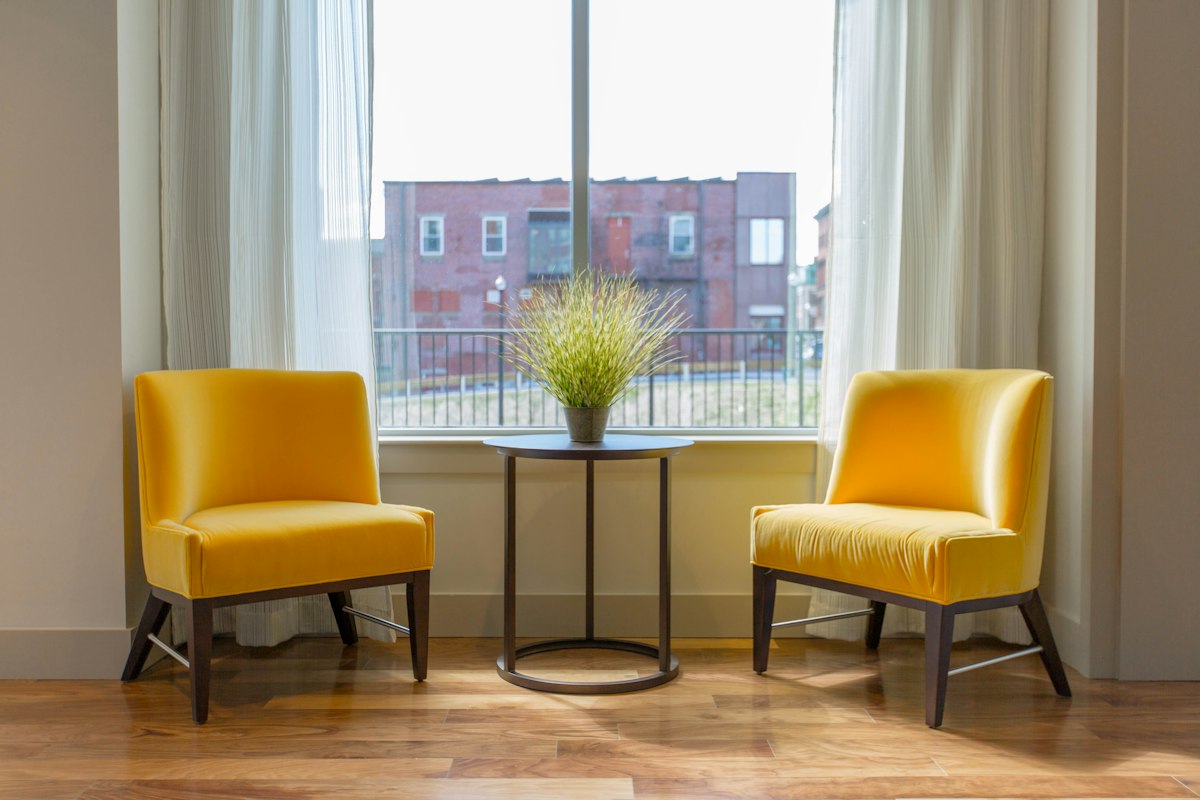
Quiet luxury favours materials that look like themselves. A solid wood coffee table with a visible grain, a marble or travertine side table, a plaster vase, and a linen lampshade all bring quiet richness without decoration for its own sake. These materials also age well, gaining character instead of looking dated.
Use natural materials in small, deliberate doses. One beautiful stone surface, one warm wood tone, and one woven element are often enough. Repeating the same wood tone in the coffee table, a picture frame, and a shelf keeps the room cohesive and calm.
Choose materials you can touch and live with, not just look at. Run your hand over wood, stone, and fabric samples, and pick the ones that feel good every day, because quiet luxury is felt as much as it is seen.
- Repeat one wood tone through the room for cohesion.
- Let one stone or marble piece be the focal point.
- Mix matte and lightly polished finishes for depth.
4. Soft, Layered Lighting
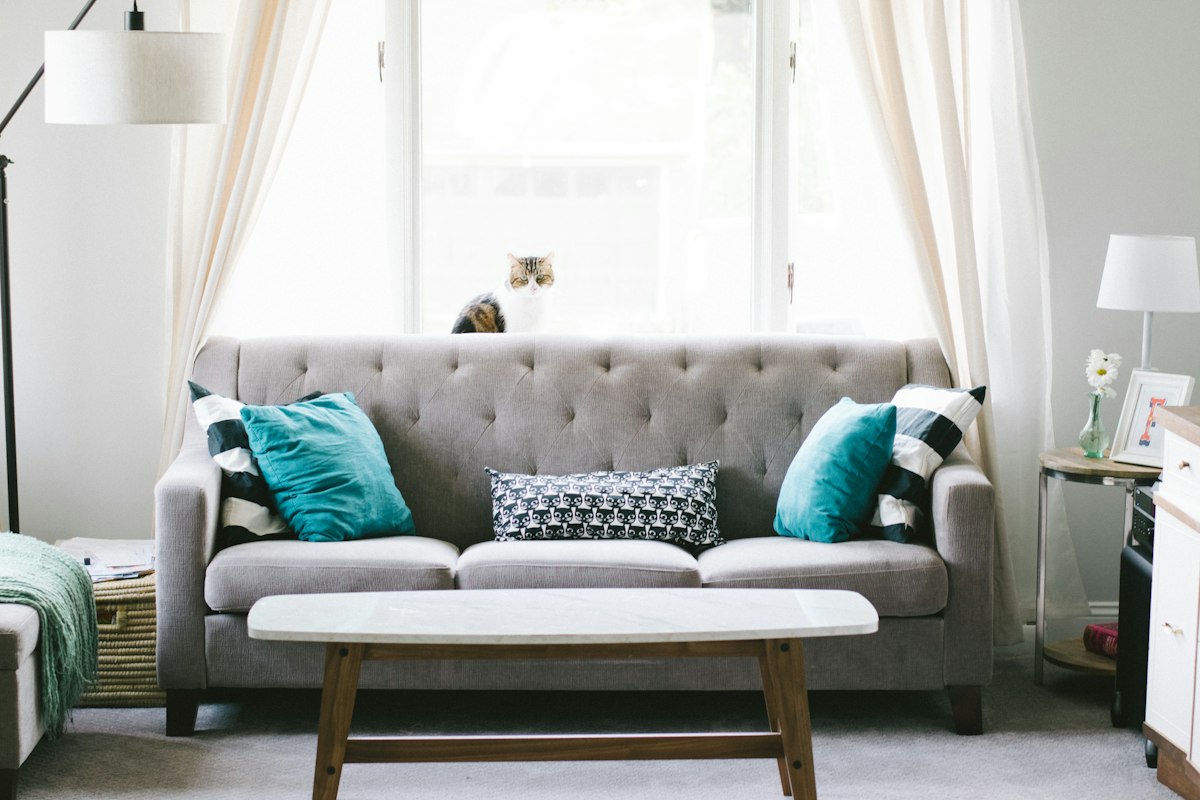
Harsh overhead light is the enemy of quiet luxury. Instead, layer light at different heights: a floor lamp beside the sofa, a table lamp on a sideboard, and a dimmable ceiling light for evenings. Warm-toned bulbs make skin, wood, and fabric look their best.
Choose lampshades in linen or paper, and lamp bases in stone, ceramic, or aged metal. A sculptural lamp can be the room’s jewellery, but it should still feel useful. Place lamps where you actually read, talk, and relax, not just where they look good in a photograph.
Walk the room at night and note any dark corners or harsh spots. A small lamp, a dimmer, or a warmer bulb in the right place can transform the mood for very little effort, and it makes the room feel cared for.
- Use warm bulbs and dimmers wherever possible.
- Add light at seated eye level, not only from above.
- Keep lamp bases simple so the glow is the star.
5. Quiet Art and Generous Negative Space
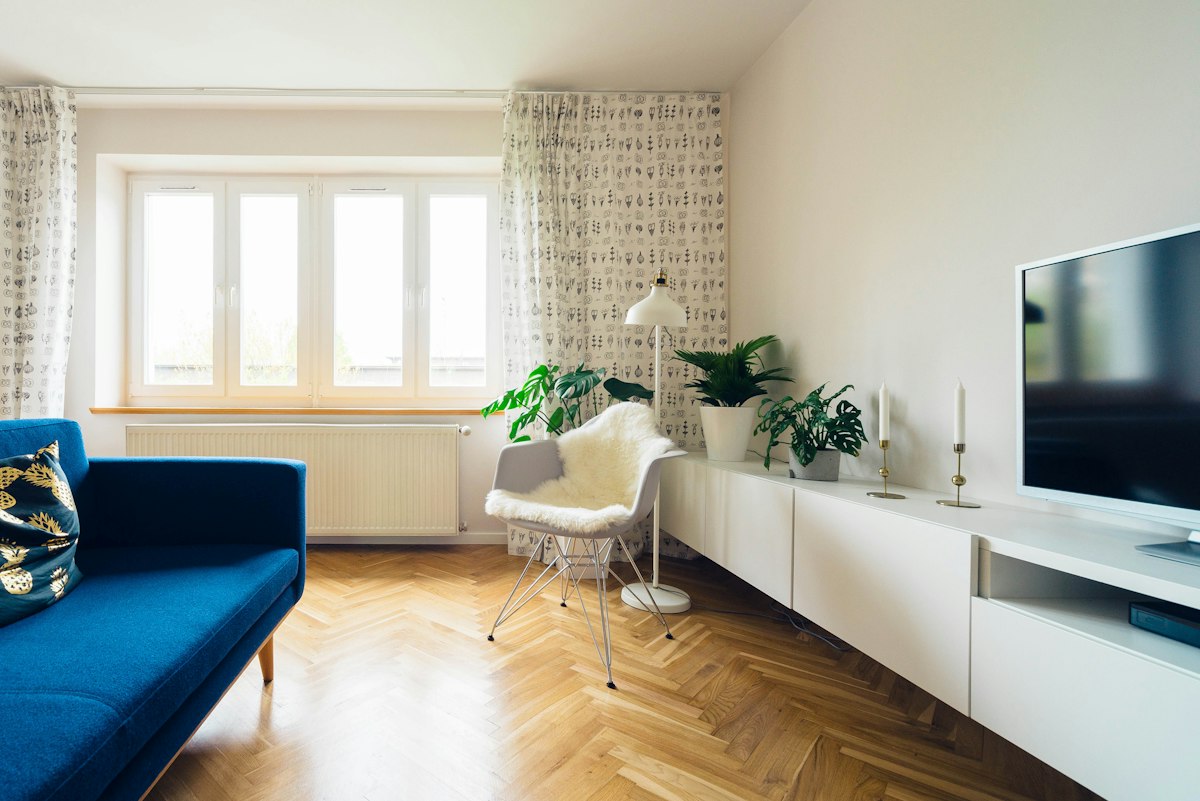
In a quiet luxury room, art is chosen slowly and hung with space around it. One large, calm painting or photograph above the sofa has more impact than a crowded wall of small frames. Abstract landscapes, soft botanical prints, and gentle tonal work suit the mood best.
Negative space is a design choice, not an empty spot to fill. Leave breathing room on shelves, keep one wall largely clear, and resist adding a piece just because a corner looks bare. That restraint is exactly what makes the room feel calm, confident, and expensive.
Stand back from the wall and ask whether each piece earns its place. If a frame, object, or cushion does not make you smile or serve a purpose, remove it for a week and see whether you miss it.
- Hang one large piece rather than many small ones.
- Leave at least one surface or wall deliberately clear.
- Choose art in colours already present in the room.
6. Wool, Linen, and Cashmere Textiles
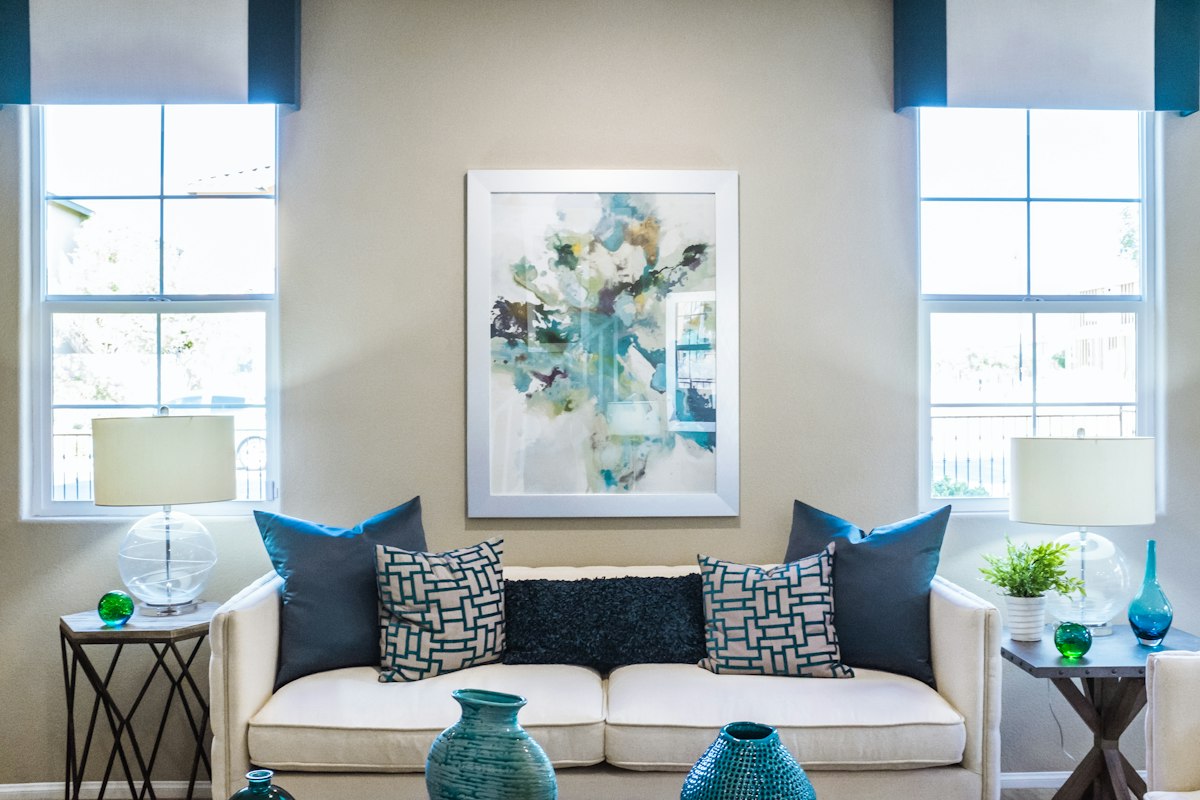
Textiles are where quiet luxury becomes touchable. A fine wool throw folded over an arm, linen cushions with a soft slub, and a cashmere-blend blanket in the basket by the sofa invite people to settle in. These fibres look understated, but they feel unmistakably good.
Keep the textile palette tonal: cream on oatmeal, stone on greige, a whisper of sage or dusty blue. Avoid high-contrast patterns and novelty prints. The goal is a room that feels like a deep breath, where every cushion and throw belongs to the same calm story.
Fold throws neatly and keep one in a basket, so the room looks calm even when the throw is in use. A tidy fold, a smooth cushion, and a clear surface make textiles look intentional rather than messy.
- Layer two throws, one folded and one draped, for depth.
- Mix linen, wool, and a soft knit in one seating area.
- Wash and air textiles regularly to keep them fresh.
7. Built-Ins and Edited Shelving
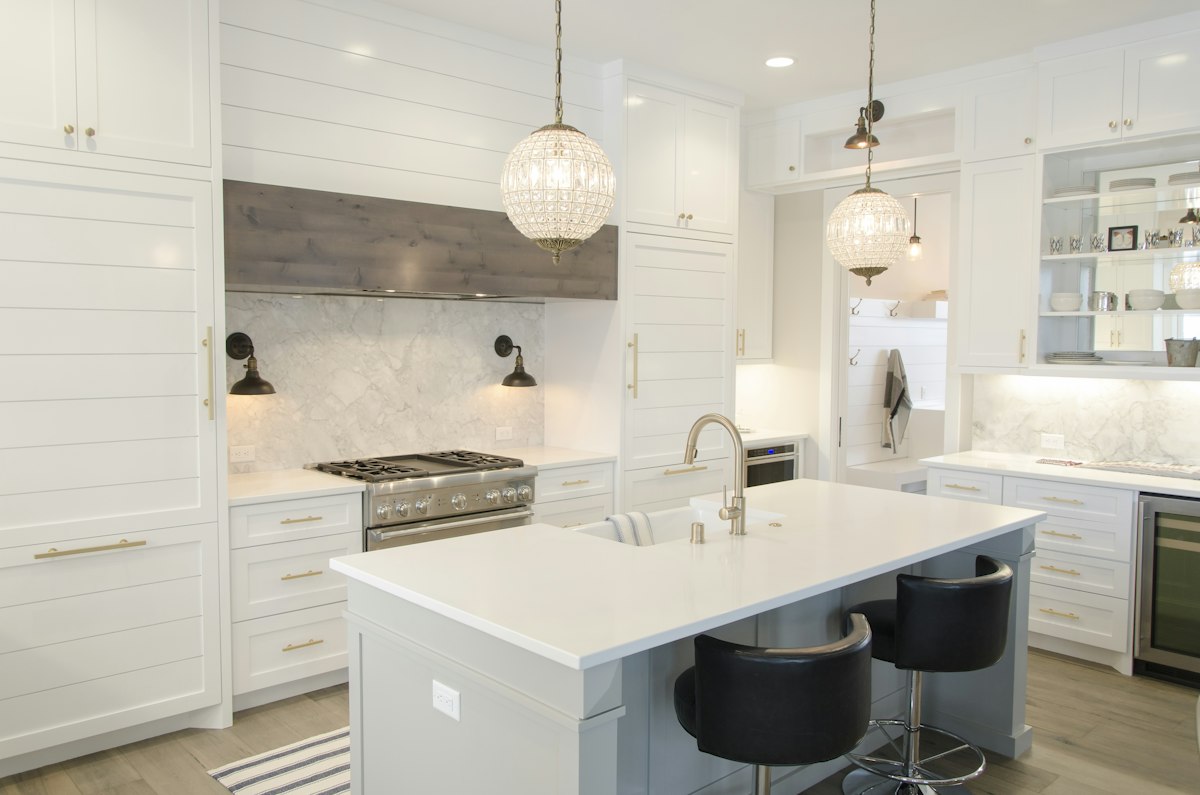
Built-in shelving, a simple media unit, or a pair of matching bookcases gives a living room structure and a sense of permanence. Painted in the same warm white as the walls, built-ins blend in quietly while giving books, objects, and storage a proper home.
Editing is the key. Leave space between objects, group books by tone rather than by rainbow, and keep only pieces you love on display. A few ceramics, a stack of books, and one small plant per shelf is plenty. Store the rest behind closed doors.
Photograph your shelves, then look at the photo to spot clutter you miss in person. A camera makes crowded shelves obvious, and it helps you see where to remove one object and leave a little breathing room.
- Style shelves in odd groups of three for balance.
- Leave about a third of each shelf empty.
- Hide everyday clutter in closed storage.
8. Subtle Metallics and Aged Brass
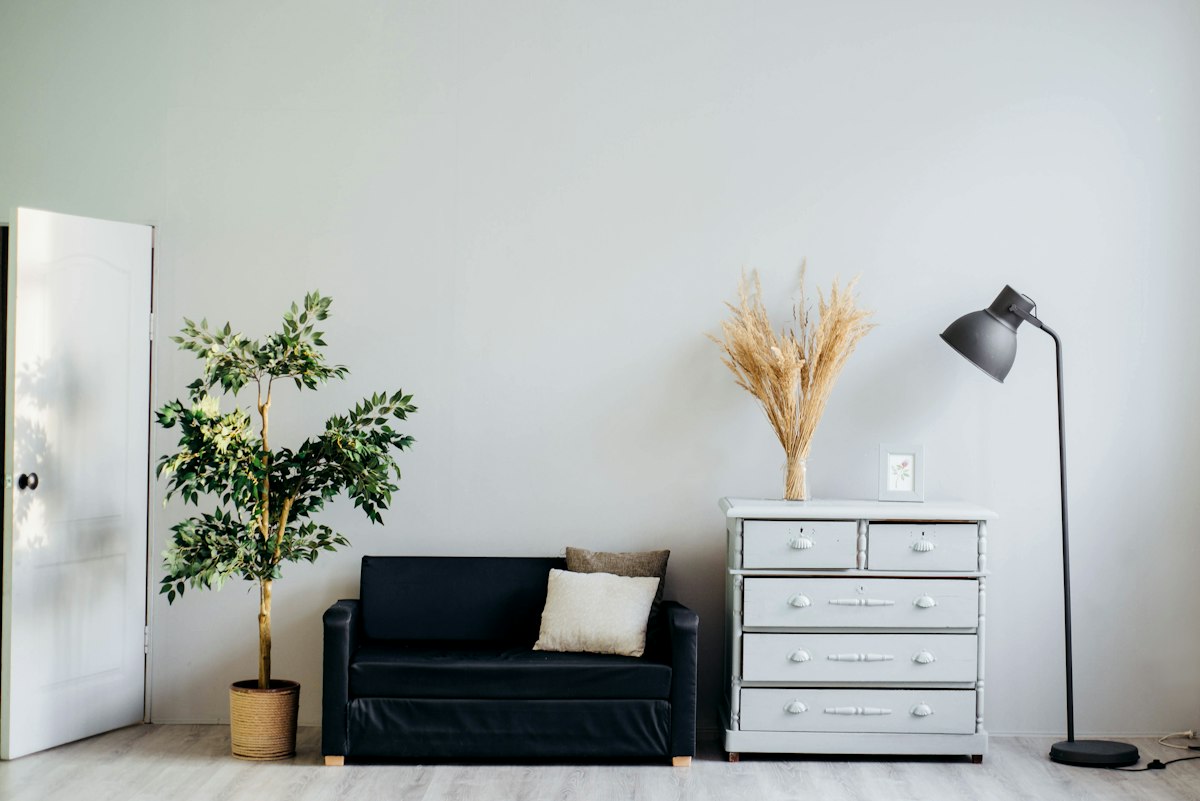
A little metal adds warmth and light, but quiet luxury keeps it subtle. Aged brass, brushed bronze, or soft black metal on a lamp base, a picture frame, a tray, or a coffee table leg catches the light without glittering. One metal finish, used consistently, feels far more luxurious than a mix of shiny chrome, gold, and copper.
Avoid anything too polished or ornate. The finish should look as if it has lived in the room for years. Pair brass with warm wood and cream fabric, and it will glow; pair it with cool grey and stark white, and it can feel cold.
Hold metal samples next to your wood and fabric before you buy. Aged brass should warm the room, not compete with it, so test it in daylight and lamplight and keep the finish consistent across the room.
- Choose one metal finish and repeat it three times.
- Prefer brushed or aged finishes over high shine.
- Use metal for small accents, not large surfaces.
9. A Large Rug and Calm Flooring
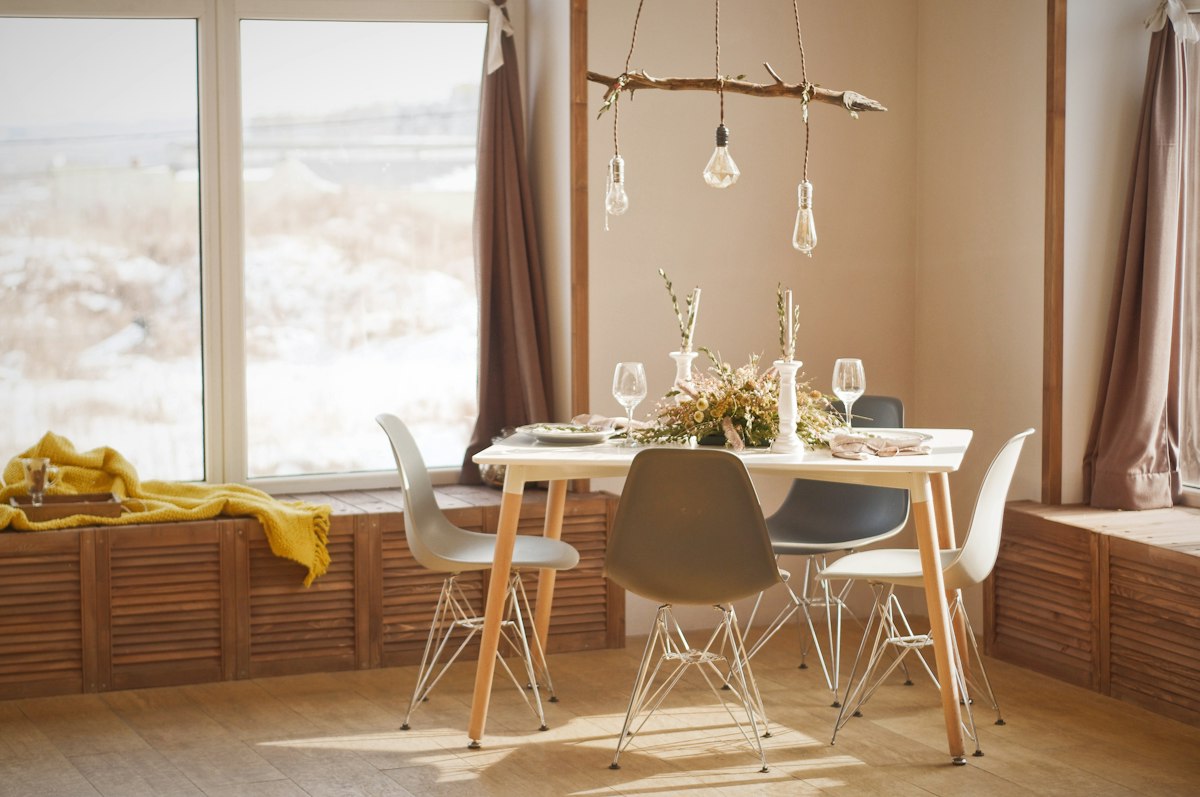
A generous rug grounds a quiet luxury living room and makes the seating area feel like a room within a room. Choose a rug large enough for the front legs of the sofa and chairs to sit on it, in a soft wool, a subtle vintage wash, or a quiet tonal pattern that does not compete with the furniture.
Under the rug, keep flooring calm: pale wood, warm stone, or a simple neutral floor. If you have patterned floors, choose a plainer rug to balance them. The rug should feel soft underfoot and look effortless, as if it has always been there.
Before ordering a rug, tape its outline on the floor and live with it for a day. Walk around it, sit on the sofa, and check that doors and drawers still open, because a rug that fits on paper does not always fit in real life.
- Size up: a rug that is too small shrinks the whole room.
- Choose low-pile wool for easy cleaning and a soft feel.
- Leave a border of floor visible around the rug.
10. Personal Details Without Clutter
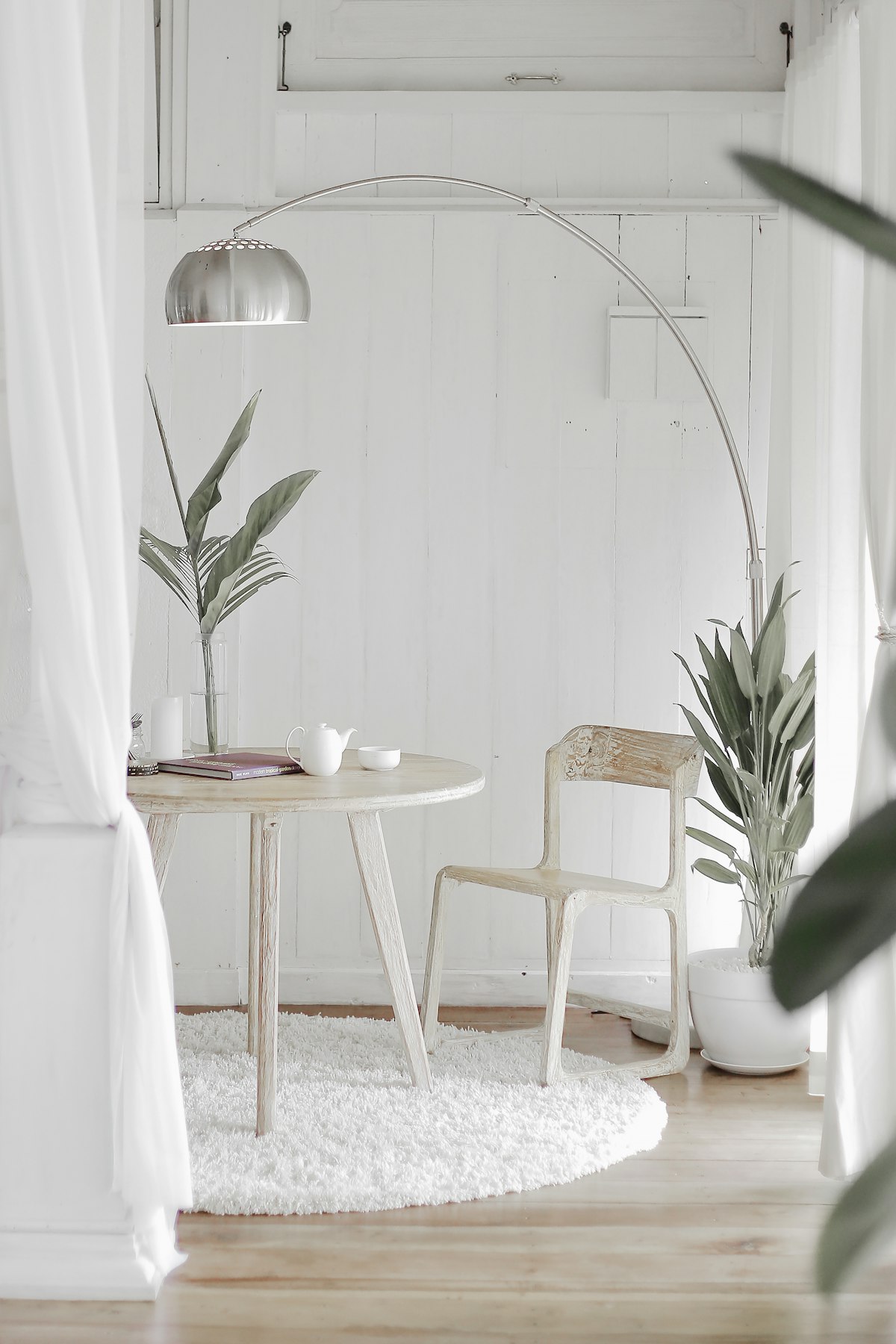
Quiet luxury is personal, not impersonal. A favourite book on the coffee table, a framed family photograph in a simple frame, a vase of fresh branches, or a handmade bowl from a trip gives the room a story that no showroom can copy.
The trick is to choose a few meaningful pieces and give each one space. Rotate seasonal stems, keep surfaces mostly clear, and let one personal object be the talking point in each area. A room with a little history feels warm, lived-in, and truly luxurious.
Keep a small tray or bowl for the everyday items that land on surfaces, such as keys, remotes, and reading glasses. Containing the clutter in one beautiful object keeps personal details visible without letting them take over.
- Display one personal object per surface, not five.
- Rotate fresh flowers or branches weekly for life.
- Keep everyday items in a beautiful basket or tray.
Start with one or two ideas that feel most like home, live with them for a week, and then add the next layer. A quiet luxury room grows slowly, with pieces you truly love, and that patience is exactly what makes it feel calm, personal, and timeless.
